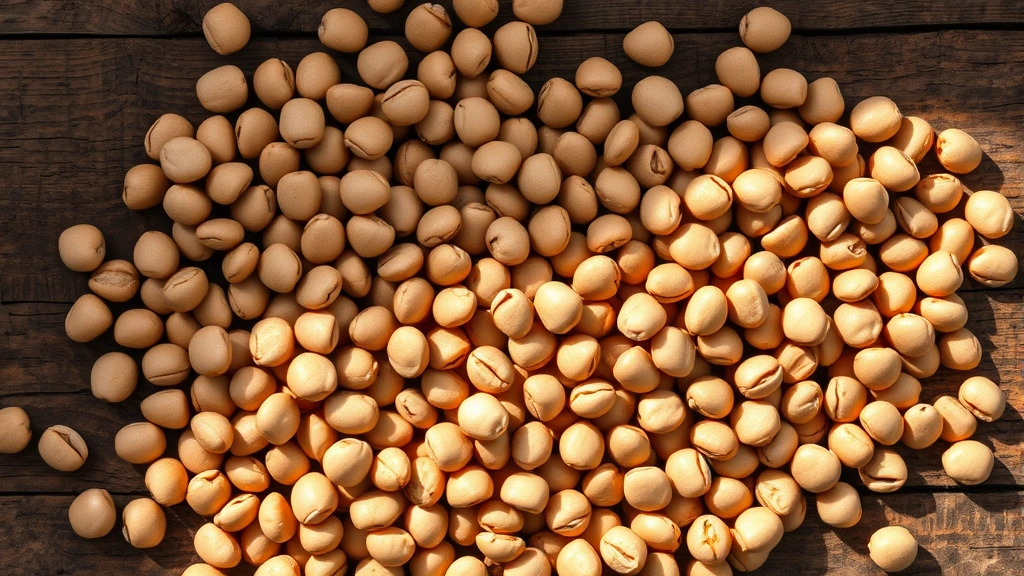
Pinto Beans: Nutritional Powerhouse? Dietitian Explains
Pinto beans have occupied a central place in cuisines across Latin America, the southwestern United States, and beyond for centuries. Yet in modern nutrition conversations, they often take a backseat to trendy superfoods and protein supplements. This comprehensive analysis examines whether pinto beans truly deserve recognition as a nutritional powerhouse, exploring the science behind their nutrient profile and practical applications in contemporary dietary strategies.
As a registered dietitian nutritionist, I’ve observed growing interest in plant-based protein sources and whole-food nutrition. Pinto beans consistently emerge as one of the most accessible, affordable, and nutrient-dense options available to consumers. Understanding their specific nutritional composition helps clarify their role in supporting health goals ranging from cardiovascular wellness to weight management.
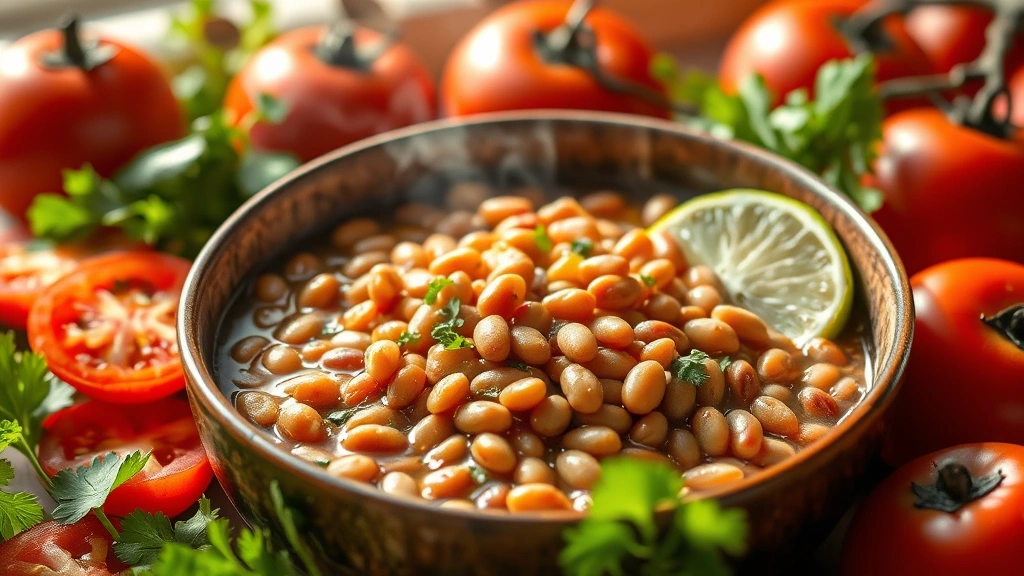
Pinto Beans Nutrition Facts: Breaking Down the Profile
One cup of cooked pinto beans (approximately 171 grams) contains roughly 245 calories, making them a calorie-efficient food for those monitoring energy intake. The macronutrient distribution reveals why nutritionists consistently recommend them: approximately 15 grams of protein, 45 grams of carbohydrates, and less than 1 gram of fat per serving. This composition positions pinto beans as an exceptional plant-based protein source, particularly valuable for individuals following vegetarian or vegan dietary patterns.
The fiber content deserves particular attention. A single cup of cooked pinto beans provides approximately 15 grams of dietary fiber, representing roughly 60% of the daily recommended intake for adults. This substantial fiber contribution addresses a critical nutritional gap in typical Western diets, where average fiber consumption falls significantly below recommended levels. The combination of soluble and insoluble fiber creates multiple physiological benefits that extend far beyond simple digestive function.
When examining comprehensive nutrient analysis, pinto beans demonstrate remarkable mineral density. They provide approximately 20% of the daily value for iron, 30% for magnesium, 25% for phosphorus, and significant amounts of potassium, zinc, and manganese. These mineral contributions prove particularly important for populations at risk of deficiency, including menstruating individuals, athletes, and those following restrictive dietary patterns.

Protein Content and Plant-Based Amino Acids
The 15 grams of protein per cooked cup positions pinto beans among the highest-protein legumes available. However, the quality of this protein warrants detailed examination. Plant-based proteins, including those from pinto beans, contain all nine essential amino acids necessary for human protein synthesis, though the proportions differ from animal sources. Specifically, pinto beans contain lower amounts of methionine compared to animal proteins but provide abundant lysine, an amino acid where many grains fall short.
This complementary protein relationship explains the traditional pairing of beans with rice across numerous cultures. When consumed together, these foods create a complete amino acid profile equivalent to animal proteins. This synergistic relationship proves invaluable for individuals relying on plant-based sources, as it eliminates the need to consume all essential amino acids at a single meal—a common misconception in nutrition education.
Research from the National Institutes of Health demonstrates that plant-based proteins from legumes support muscle protein synthesis effectively when consumed in adequate quantities. Athletes and physically active individuals can meet protein requirements through strategic incorporation of pinto beans, particularly when combined with whole grains, nuts, or seeds.
For those implementing nutrition solutions emphasizing plant-based approaches, pinto beans offer economic advantages alongside nutritional benefits. The cost per gram of protein from dried pinto beans significantly undercuts animal proteins and processed plant-based alternatives, improving accessibility for budget-conscious consumers.
Fiber, Digestive Health, and Satiety
The 15 grams of dietary fiber in each serving of cooked pinto beans creates profound impacts on digestive physiology. Soluble fiber, comprising approximately 30% of the total fiber content, dissolves in water to form a gel-like substance within the digestive tract. This soluble fiber slows gastric emptying, promoting sustained satiety and preventing rapid blood sugar fluctuations. The insoluble fiber component supports colonic health by increasing stool bulk and promoting regular bowel movements.
Satiety represents a crucial mechanism in weight management strategies. When foods create lasting feelings of fullness, individuals naturally consume fewer calories across subsequent meals. Multiple clinical studies document pinto beans’ exceptional satiety-promoting properties, with effects comparable to or exceeding those of high-protein animal products. This satiety extends for hours after consumption, supporting adherence to calorie-controlled dietary patterns without the restrictive sensations often accompanying weight management efforts.
The prebiotic properties of pinto bean fiber deserve recognition within discussions of gut health. Resistant starch and specific fiber fractions ferment within the colon, producing short-chain fatty acids including butyrate. These metabolites support colonocyte health, strengthen intestinal barrier function, and promote the growth of beneficial bacterial species. This prebiotic activity connects pinto bean consumption to broader systemic health outcomes, including immune function and metabolic regulation.
When implementing meal planning strategies, incorporating pinto beans strategically throughout the week creates cumulative digestive and metabolic benefits. The fiber content supports healthy lipid profiles, with studies demonstrating LDL cholesterol reductions following increased legume consumption.
Micronutrients: Minerals and Vitamins
Beyond macronutrient and fiber contributions, pinto beans deliver an impressive micronutrient profile. The iron content (approximately 3.6 milligrams per cooked cup) provides significant contributions, though plant-based iron exists in the ferric form, which demonstrates lower bioavailability compared to heme iron from animal sources. Pairing pinto beans with vitamin C sources—such as tomatoes, bell peppers, or citrus—substantially enhances iron absorption, a practical strategy within traditional bean-based cuisines.
Magnesium content (approximately 86 milligrams per serving) supports over 300 enzymatic reactions within human physiology, including energy production, muscle function, and nervous system regulation. The folate content (approximately 294 micrograms per cooked cup) proves particularly valuable for reproductive-age individuals and those planning pregnancies, as adequate folate intake reduces neural tube defect risk.
Manganese, present at approximately 0.8 milligrams per serving, participates in bone formation, wound healing, and metabolic regulation. Phosphorus content (approximately 251 milligrams) works synergistically with calcium to support skeletal health. The potassium concentration (approximately 717 milligrams per cooked cup) contributes to cardiovascular health through blood pressure regulation and electrolyte balance mechanisms.
These mineral contributions prove particularly significant for individuals following restrictive dietary patterns or those with limited access to varied food sources. Within the context of healthy nutrition plans, pinto beans serve as nutritional anchors, providing concentrated micronutrient density that simplifies meeting daily requirements.
Glycemic Impact and Blood Sugar Management
Despite their carbohydrate content, pinto beans demonstrate a low glycemic index (approximately 35-40), indicating minimal acute impacts on blood glucose levels. This favorable glycemic profile results from the combination of fiber, resistant starch, and specific polysaccharide structures that resist rapid digestion. The slow carbohydrate absorption prevents the insulin spikes associated with refined grain products, supporting stable energy levels throughout the day.
For individuals managing type 2 diabetes or prediabetes, pinto bean consumption demonstrates measurable benefits. Research published in peer-reviewed diabetes journals documents improvements in hemoglobin A1C levels and fasting glucose following increased legume consumption. The glycemic-sparing properties extend beyond the immediate postprandial period, influencing whole-day metabolic patterns through mechanisms including improved insulin sensitivity and enhanced beta-cell function.
The carbohydrate quality distinction proves critical within contemporary nutrition science. Not all carbohydrates produce equivalent metabolic effects; the carbohydrates in pinto beans, bound within a fiber-rich matrix, behave fundamentally differently from simple sugars or refined starches. This distinction explains why populations with high legume consumption demonstrate lower diabetes prevalence despite substantial carbohydrate intake.
Athletes appreciate pinto beans’ glycemic characteristics for different reasons. The steady carbohydrate availability supports sustained energy during endurance activities without the rapid glucose spikes and subsequent crashes associated with simple carbohydrate sources. Post-exercise consumption promotes glycogen replenishment while supporting muscle protein synthesis through the concurrent protein delivery.
Polyphenols and Antioxidant Benefits
Emerging nutritional science increasingly recognizes polyphenolic compounds as significant contributors to legume health benefits. Pinto beans contain diverse polyphenol classes including flavonoids, phenolic acids, and isoflavones. These compounds demonstrate potent antioxidant and anti-inflammatory properties, protecting cellular structures from oxidative damage and modulating inflammatory signaling pathways.
The specific polyphenol profile of pinto beans includes kaempferol, quercetin, and various anthocyanins, compounds linked to reduced cardiovascular disease risk in prospective cohort studies. These antioxidants accumulate within cellular membranes and organelles, providing protection against age-related degenerative processes. The anti-inflammatory effects complement cardiovascular benefits, reducing systemic inflammation markers associated with multiple chronic disease states.
Bioavailability of polyphenolic compounds from pinto beans benefits from the food matrix context. Unlike isolated supplements, the naturally occurring polyphenols exist within complex food structures that facilitate absorption and metabolism. Cooking methods influence polyphenol content; while prolonged cooking may reduce some heat-sensitive compounds, it simultaneously increases bioavailability of others by disrupting cell walls and facilitating extraction.
The connection between polyphenol consumption and nutrition and mental health outcomes represents an emerging research frontier. Polyphenol-induced reductions in neuroinflammation and enhanced antioxidant defenses within neural tissues may contribute to cognitive preservation and mood regulation, though research in this domain remains preliminary.
Practical Integration into Daily Eating
Understanding pinto beans’ nutritional excellence proves valuable only when individuals successfully incorporate them into sustainable dietary patterns. Practical strategies facilitate this integration. Preparation methods significantly influence accessibility; canned pinto beans offer convenience for time-constrained individuals, while dried beans provide economic advantages for those with planning flexibility. Both formats deliver equivalent nutrition when prepared appropriately.
Culinary applications extend far beyond traditional bean dishes. Pinto bean flour can replace a portion of wheat flour in baking applications, increasing protein and fiber content of breads and baked goods. Pureed pinto beans create creamy bases for soups, sauces, and dressings without requiring dairy products, appealing to individuals with lactose intolerance or following plant-based diets. Roasted seasoned pinto beans serve as satisfying snacks, offering substantial nutritional density compared to conventional processed options.
Within meal structure, pinto beans function effectively as primary protein sources, side dishes, or ingredient components. A typical serving size of one-half to one cup of cooked beans provides 7.5 to 15 grams of protein alongside substantial fiber and micronutrient contributions. This flexibility enables adaptation across diverse meal patterns, from breakfast burritos to lunch salads to dinner entrées.
Batch preparation strategies enhance sustainable integration. Cooking large quantities of dried pinto beans and portioning into meal-sized containers simplifies weekday meal assembly. The beans maintain quality in refrigeration for five days and freeze successfully for up to three months, supporting efficient meal planning across extended timeframes.
Addressing Common Digestive Concerns
Many individuals report digestive discomfort following legume consumption, frequently citing bloating, gas, and abdominal distension. These experiences, while real, can be effectively managed through understanding and implementing practical strategies. The oligosaccharides present in pinto beans—specifically raffinose and stachyose—pass through the small intestine undigested, reaching the colon where bacterial fermentation produces gas.
Gradual introduction effectively reduces digestive symptoms. Beginning with small portions (one-quarter cup) and progressively increasing quantity over several weeks allows colonic bacterial communities to adapt, developing populations specialized in oligosaccharide fermentation. This adaptation process typically requires two to three weeks but produces substantial improvements in tolerance. Simultaneously, gas production decreases as bacterial efficiency improves.
Preparation techniques significantly influence oligosaccharide content. Soaking dried pinto beans for extended periods (8-12 hours) and discarding soak water removes substantial oligosaccharide quantities. Sprouting dried beans further reduces these compounds while increasing nutrient bioavailability and enzymatic activity. Pressure cooking, which breaks down cell walls more effectively than conventional boiling, also reduces problematic compounds.
Adequate hydration and fiber distribution throughout the day support digestive comfort. Consuming pinto beans with substantial quantities of water and distributing bean intake across multiple meals rather than concentrating intake in single servings minimizes acute digestive disturbance. Additionally, combining beans with easily digestible foods and adequate fat intake supports optimal gastric function.
Individual variation in digestive response exists; some individuals adapt quickly while others require extended timelines. Nutrient absorption strategies including adequate digestive enzyme activity and appropriate meal composition support optimal processing of legume nutrients. Consulting with healthcare providers proves valuable for individuals experiencing persistent digestive difficulties.
FAQ
How many grams of protein do pinto beans contain per serving?
One cup of cooked pinto beans provides approximately 15 grams of protein, representing a substantial plant-based protein contribution. This protein contains all nine essential amino acids, though in different proportions compared to animal sources. Combining pinto beans with whole grains creates a complete amino acid profile equivalent to animal proteins.
Are pinto beans suitable for individuals with diabetes?
Yes, pinto beans demonstrate exceptional suitability for diabetes management. Their low glycemic index (35-40) and high fiber content produce minimal blood glucose elevation despite carbohydrate content. Research documents improvements in hemoglobin A1C and fasting glucose levels following increased legume consumption, making them valuable dietary components for blood sugar management.
What causes digestive discomfort from pinto beans?
Oligosaccharides present in pinto beans pass through the small intestine undigested, reaching the colon where bacterial fermentation produces gas and bloating. Soaking, sprouting, pressure cooking, and gradual introduction effectively reduce these symptoms. Most individuals develop improved tolerance within two to three weeks of consistent consumption.
How do pinto beans compare nutritionally to other legumes?
Pinto beans offer competitive nutritional profiles compared to other legumes. While chickpeas provide slightly higher protein content and lentils cook more quickly, pinto beans deliver comparable macronutrient and micronutrient contributions with excellent affordability and culinary versatility. Selection depends on individual preferences, preparation convenience, and specific nutritional priorities.
Can pinto beans support weight management goals?
Pinto beans excel at supporting weight management through exceptional satiety-promoting properties. The combination of protein, fiber, and resistant starch creates lasting fullness while maintaining calorie efficiency. Studies demonstrate weight loss benefits comparable to or exceeding those of high-protein animal products, particularly when incorporated into calorie-controlled dietary patterns.
What cooking methods preserve pinto bean nutrients optimally?
Pressure cooking preserves nutrients effectively while reducing oligosaccharides and preparation time. Boiling also maintains nutrient content adequately, though extended cooking may reduce some heat-sensitive polyphenols. Soaking before cooking and using cooking water containing nutrients proves beneficial. Canned pinto beans retain equivalent nutrition to home-cooked varieties despite processing.


