
Table of Contents
Introduction
Here’s something that might surprise you: getting enough protein doesn’t require a single bite of meat, dairy, or eggs. Plant-based protein sources have exploded in popularity lately, and for good reason. They’re not just healthier for your body—they’re better for the planet too. Whether you’re already plant-based or just curious about mixing things up, understanding these protein options can completely transform how you think about nutrition.
The science is pretty compelling. Studies keep showing that diets rich in plant proteins can lower your risk of heart disease, diabetes, and other chronic conditions. Your digestive system tends to love them too. But here’s what really gets me excited—when you choose plant proteins, you’re also making a statement about the kind of world you want to live in. Less environmental damage, fewer resources used, and a much smaller carbon footprint. It’s like hitting multiple targets with one arrow. And if you’re thinking about building meals around these proteins, checking out a healthy nutrition plan can help you create that perfect balance you’re looking for.
Now, here’s where it gets really interesting. Plant-based eating isn’t just about your physical health—it can actually boost your mental game too. These foods come packed with vitamins, antioxidants, and healthy fats that your brain absolutely craves. You know that mental fog you sometimes get? Or those afternoon energy crashes? The right plant proteins might just help with that. The connection between nutrition and mental health is fascinating stuff, and frankly, it’s something more of us should be talking about.
Let’s be honest about something else: choosing plant proteins is also an ethical choice. Animal agriculture uses massive amounts of water, land, and energy while producing significant greenhouse gases. (The numbers are pretty eye-opening if you ever look them up.) When you opt for plant sources instead, you’re basically voting for a more sustainable future with every meal. It’s one of those decisions that feels good on multiple levels. The whole plant-based diet movement really speaks to people who want their daily choices to reflect their values.
What You’ll Learn in This Guide
This guide breaks down everything you need to know about plant-based proteins. No fluff, no overwhelming jargon—just practical info you can actually use. Whether you want to improve your health, fill some nutritional gaps, or just try some new recipes, we’ve got you covered.
- Understanding Plant Based Proteins: We’ll cover what makes these proteins tick, how they stack up against animal proteins in terms of amino acids, and why they deserve a spot on your plate.
- Benefits of Plant Proteins: All the ways these foods can boost your health, help the environment, and align with your values—the full picture.
- Common Plant Protein Sources: The complete rundown on legumes, nuts, seeds, grains, and even some surprising vegetables that pack serious protein punch, plus how to use them.
- Practical Incorporation Tips: Real-world strategies for getting these proteins into your daily routine, including meal planning tricks and when supplements might make sense.
We’ll also tackle the tricky stuff—like avoiding nutritional gaps and dealing with digestive changes (because yes, there might be an adjustment period). Plus, you’ll get recipes and meal ideas that actually taste great. Speaking of which, if you’re the meal-prep type, these vegan meal prep recipes are perfect for staying on track without spending your whole weekend in the kitchen.
By the time you finish reading this, you’ll have everything you need to make plant-based proteins work for your lifestyle. Maybe you’re focused on weight management, athletic performance, or environmental impact. Could be all three. Whatever brought you here, you’re going to find tools and insights that actually matter. Ready to discover what these amazing plant sources can do for you? Let’s dive in.
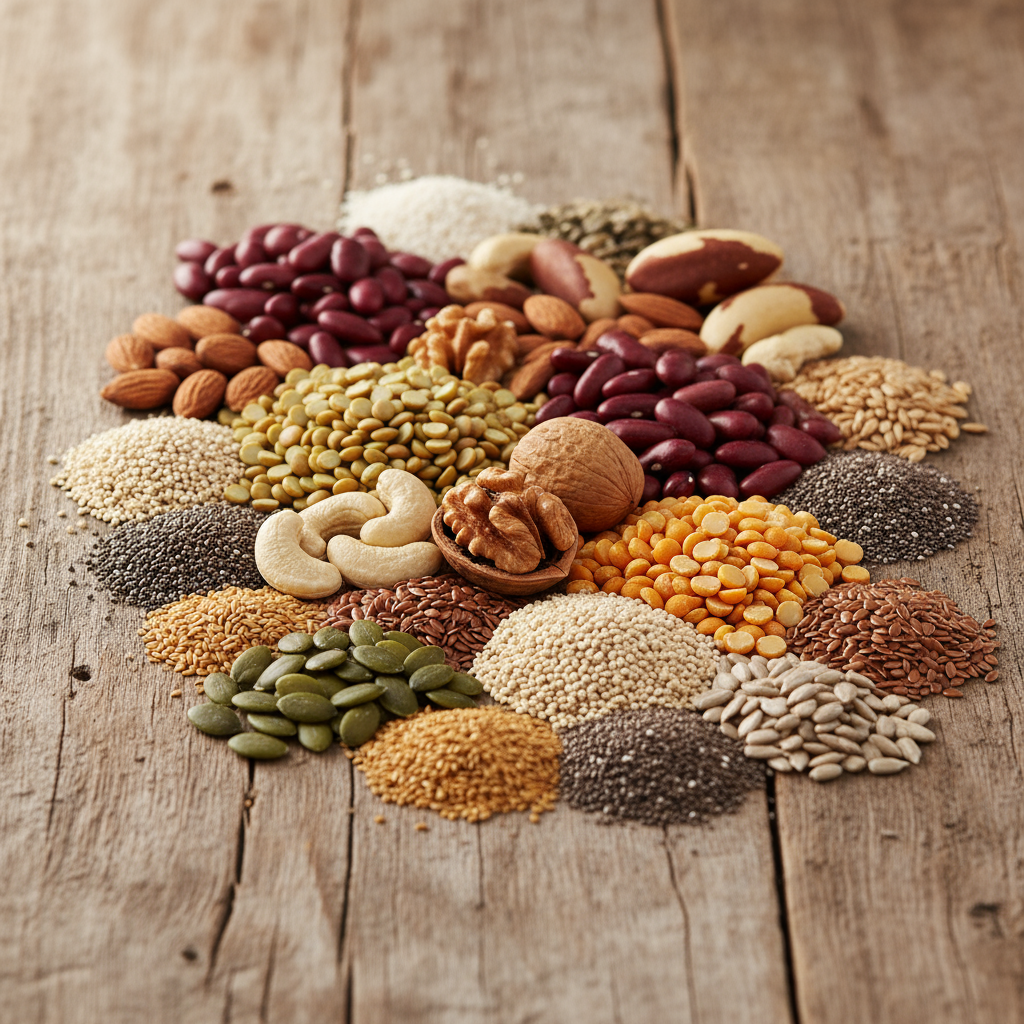
Plant-based proteins are having a moment—and honestly, it’s about time. More people than ever are looking beyond the traditional meat-and-dairy playbook, whether they’re chasing better health, trying to shrink their environmental footprint, or simply exploring what else is out there. Maybe you’ve been curious about this shift too? The thing is, making the move to plant proteins (or even just adding more to your current diet) isn’t as straightforward as swapping a chicken breast for a handful of almonds. There’s actually some fascinating science behind how plant proteins work, what makes them different from animal proteins, and how to make them work for your body. Whether you’re thinking about going full plant-based or just want to mix things up, understanding these basics will help you make choices that actually serve your health goals.
Understanding Plant-Based Protein Sources and Their Nutritional Value
So what exactly are we talking about when we say “plant-based proteins”? Think vegetables, legumes, nuts, seeds, grains—basically anything that grew from the ground and packs protein. These foods do the same heavy lifting as animal proteins when it comes to the essentials: repairing tissues, making enzymes, keeping your immune system humming. But here’s where it gets interesting. While animal proteins come “complete” (meaning they have all the amino acids your body needs), plant proteins are more like puzzle pieces. Some have certain amino acids, others have different ones. The good news? Put the right pieces together, and you get the whole picture. Before we dig deeper into this, it’s worth checking out the importance of dietary fiber—because guess what comes along for the ride with most plant proteins? Fiber. And your digestive system will thank you for it.
Now, this “incomplete” thing might sound like a problem, but it’s really not. Your body is pretty smart about storing and combining amino acids throughout the day. That classic combo of rice and beans? It’s not just delicious—it’s a complete protein powerhouse. The catch is that plant proteins can be a bit trickier for your body to break down and use compared to animal proteins. Fiber and certain plant compounds can slow things down a bit. But here’s the cool part: proper cooking, soaking, and combining can boost how well your body uses these proteins. And if you’re an athlete wondering how this all fits with higher performance demands, nutrition for athletes has some eye-opening insights about plant proteins in sports nutrition.
Key Aspects of Understanding Plant-Based Proteins
Let’s break down what really matters when it comes to plant proteins. Here’s what you need to know:
- Amino Acid Composition: Sure, individual plant proteins might be missing a piece or two of the amino acid puzzle. But combine legumes with grains, or nuts with seeds, and boom—you’ve got everything your body needs for muscle maintenance and repair.
- Digestibility and Utilization: Plant proteins can be a bit harder for your body to break down than animal proteins. Why? Fiber and natural plant compounds. The fix? Proper cooking, soaking, and preparation can make a huge difference in how well your body uses them.
- Additional Nutrients: Here’s the bonus round—plant proteins don’t come alone. They bring fiber, antioxidants, vitamins, and minerals to the party. It’s like getting a multivitamin with your protein source.
- Variety and Culinary Flexibility: From creamy lentil soups to crunchy almond butter, crispy chickpea snacks to nutty quinoa salads—the options are endless. Your taste buds (and your Instagram feed) will never get bored.
Getting a handle on these basics sets you up for success. You’ll know how to build meals that actually satisfy and nourish, not just fill you up. And when you understand the “why” behind plant protein combinations, meal planning becomes less of a guessing game and more of a creative adventure. Ready to put this knowledge into action?
Practical Strategies for Incorporating Plant-Based Proteins into Your Diet
Alright, theory is great, but let’s get practical. How do you actually make plant proteins work in real life? The secret is starting where you are, not where you think you should be. Maybe that means tossing some chickpeas into your usual salad, or trying almond butter instead of peanut butter. Small changes, big impact. The key is thinking about combinations—pairing foods that complement each other nutritionally while actually tasting good together. Nobody wants to eat cardboard in the name of health, right? If you’re looking for some serious inspiration (and time-saving tricks), vegan meal prep recipes will show you just how delicious and practical plant-based eating can be.
Here’s what meal planning with plant proteins actually looks like in practice. You’re not just throwing random vegetables together and hoping for the best. You’re thinking strategically—beans with rice, hummus with whole grain pita, chia seeds in your smoothie with some nuts. It’s like building with nutritional Legos. Some people find plant protein powders helpful, especially if you’re hitting the gym hard or just need something quick and convenient. But choose wisely—not all protein powders are created equal, and some taste like chalk mixed with regret. The goal is making this sustainable and enjoyable, not a daily battle with your blender. Speaking of broader benefits, there’s fascinating research on nutrition and mental health that shows how a nutrient-rich, plant-focused diet can actually boost your mood and brain function too.
Key Aspects of Incorporating Plant-Based Proteins
Ready to make this happen? Here are the strategies that actually work:
- Combining Complementary Proteins: Think of it like creating the perfect playlist—you need different tracks that work well together. Pair legumes with grains, or seeds with nuts, and you’ll hit all the amino acid notes your muscles need.
- Including Variety Daily: Eating the same three plant proteins every day? That’s a recipe for boredom and potential nutrient gaps. Mix it up—your body (and your taste buds) crave variety.
- Using Plant Protein Supplements Wisely: Protein powders can be your friend, but they’re not magic. Look for clean ingredients, minimal additives, and flavors that don’t make you question your life choices. They’re supplements, not meal replacements.
- Gradual Integration and Adaptation: Rome wasn’t built in a day, and your gut bacteria need time to adjust to increased fiber and new foods. Start slow, listen to your body, and give yourself time to find what works.

Here’s the thing about plant-based proteins—they’re not just good for you, they’re actually pretty amazing. Unlike animal proteins, plant proteins come with a mixed bag of amino acids. But here’s where it gets interesting: pair your legumes with grains (think rice and beans), and boom—you’ve got all the essential amino acids your body needs. Plus, you’re getting bonus points with extra fiber, antioxidants, and vitamins that animal proteins just can’t match. Your heart will thank you, your digestion will improve, and you’ll be doing the planet a solid favor too.
Now, let’s talk variety. Lentils, chickpeas, nuts, seeds—these aren’t just protein powerhouses, they’re culinary game-changers. Throw in some quinoa or oats, and you’re not just eating well, you’re eating smart. But hold on—if you’re making the switch, don’t go cold turkey (pun intended). Your body needs time to adjust to all that extra fiber. And yes, you might need to keep an eye on things like B12 and iron. A little planning goes a long way here. The cool part? What you eat doesn’t just fuel your muscles—it actually sharpens your mind too.
So why make the switch? Maybe you want to lose weight, boost your athletic performance, or simply feel better about your environmental impact. Whatever your reason, plant proteins deliver. And let’s be honest—the food is delicious once you know what you’re doing. There’s a whole world of flavors waiting for you out there.
Ready to dive in? Start with a solid healthy nutrition plan that balances plant proteins with everything else your body craves. If you’re into fitness, definitely check out our nutrition for athletes guide—it’ll show you how to fuel your workouts with plants. Want to maximize those digestive benefits? Our piece on the importance of dietary fiber will help you get the most out of every meal. And if you want the bigger picture on why this matters, this external resource about plant-based diet benefits is worth your time.
Look, you’ve got the knowledge now. The next step? Just start. Take it slow, stay consistent, and trust the process. And hey, if you’re curious about how this whole nutrition thing affects your brain (spoiler: it’s pretty incredible), our guide on nutrition and mental health will blow your mind. Your future self—and the planet—will definitely thank you.
Frequently Asked Questions
-
What are the best plant based protein sources for beginners?
- Legumes such as lentils and beans are excellent for beginners because they are high in protein, versatile, and easy to cook.
-
Can plant based proteins provide all essential amino acids?
- Yes, by combining different plant proteins like grains and legumes, you can obtain a complete amino acid profile necessary for health.
-
Are plant based proteins suitable for athletes?
- Absolutely. With proper meal planning and adequate intake, plant proteins can meet the higher protein demands of athletes effectively.
-
How can I prevent digestive issues when switching to plant proteins?
- Introduce fiber-rich plant proteins gradually and stay well hydrated to help your digestive system adjust smoothly.
-
Do I need supplements if I eat a plant based diet?
- Some nutrients like vitamin B12 are typically low in plant-based diets, so supplementation may be necessary after consulting a healthcare provider.