Plantains: Nutritional Benefits Explained by Expert
Plantains are one of the most underrated nutritional powerhouses in the global food landscape, often overshadowed by their sweeter cousin, the banana. Yet this starchy fruit deserves significant attention from anyone interested in optimizing their nutrition solutions and understanding whole-food nutrition. Native to Southeast Asia and now cultivated extensively across Africa, the Caribbean, and Latin America, plantains offer a unique nutritional profile that differs markedly from regular bananas in both macronutrient composition and culinary applications.
The distinction between plantains and bananas extends beyond their larger size and firmer texture. Plantains contain significantly higher starch content and lower sugar levels, making them a more complex carbohydrate source that provides sustained energy without rapid blood sugar spikes. Whether consumed green, yellow, or fully ripe, plantains deliver distinct nutritional benefits that align with various healthy nutrition planning strategies. This comprehensive guide explores the scientific evidence behind plantain nutrition, examining micronutrients, health benefits, and practical applications for dietary optimization.
Understanding plantain nutrition requires examining both their macronutrient composition and micronutrient density. A medium-sized raw plantain (approximately 179 grams) contains roughly 160 calories, 2 grams of protein, 37 grams of carbohydrates, and less than 1 gram of fat. However, these baseline figures represent only the beginning of plantains’ nutritional story. The true value emerges when analyzing specific vitamins, minerals, fiber content, and bioactive compounds that make plantains particularly valuable for health-conscious consumers.
Macronutrient Profile and Energy Delivery
Plantains function as an exceptional source of complex carbohydrates, distinguishing them from simple carbohydrate sources that dominate many modern diets. The starch in plantains exists in a resistant form, particularly when the fruit is green or slightly underripe, meaning a portion of this starch resists digestion in the small intestine and acts similarly to dietary fiber. This characteristic positions plantains as a functional food that bridges traditional carbohydrate sources and fiber-rich foods.
The protein content in plantains, while modest at approximately 2 grams per medium fruit, contains all nine essential amino acids, making it a complete protein source. This becomes particularly relevant for individuals following nutrition for athletes optimizing performance through diet, as the combination of complex carbohydrates and complete protein supports muscle glycogen repletion and protein synthesis. Additionally, the minimal fat content makes plantains an ideal choice for individuals managing fat intake while maintaining adequate caloric intake.
According to nutritional research published in peer-reviewed journals, the resistant starch in green plantains can comprise up to 60% of total starch content, compared to only 10% in ripe bananas. This distinction has profound implications for metabolic health, as resistant starch functions as a prebiotic, feeding beneficial gut bacteria and promoting optimal digestive function.

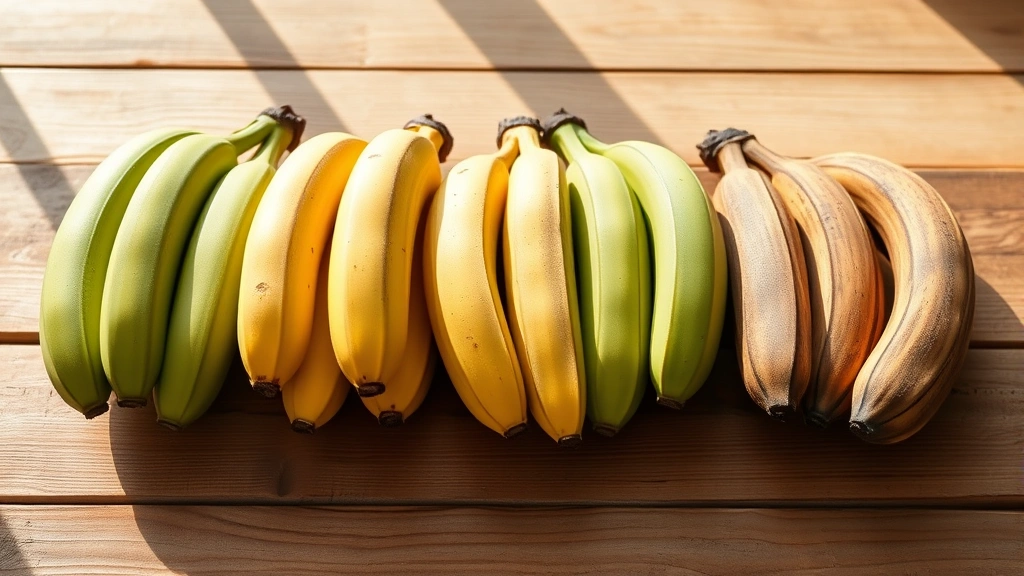
” alt=”Fresh plantains at various ripeness stages displaying green, yellow, and brown coloration, arranged on natural wooden surface with soft natural lighting”/>
The micronutrient density of plantains reveals why nutritionists increasingly recommend this fruit as part of comprehensive nutrition solutions for diverse populations. Plantains contain significant quantities of vitamin B6 (pyridoxine), providing approximately 30% of the daily recommended value per medium fruit. This vitamin proves essential for cognitive development, immune function, and the synthesis of neurotransmitters including serotonin and dopamine. Vitamin C content in plantains ranges from 8-15 mg per 100 grams, depending on ripeness stage and growing conditions. While less abundant than in citrus fruits, this vitamin still contributes meaningfully to daily intake and supports collagen synthesis, immune function, and antioxidant protection. The combination of vitamin C with other antioxidant compounds creates a synergistic protective effect against oxidative stress and cellular damage. Potassium represents one of plantains’ most significant mineral contributions, with a medium plantain containing approximately 465 mg of this crucial electrolyte. Potassium plays fundamental roles in blood pressure regulation, cardiac function, and muscle contraction. The potassium content in plantains exceeds that found in bananas on a per-weight basis, making plantains particularly valuable for individuals seeking to optimize electrolyte balance and cardiovascular health. Magnesium, copper, and manganese also appear in meaningful quantities within plantains. Magnesium supports muscle relaxation, energy production, and bone mineralization. Copper facilitates iron metabolism and connective tissue formation, while manganese contributes to bone development and antioxidant enzyme function. These mineral combinations make plantains particularly valuable for individuals engaged in regular physical activity or those managing stress-related mineral depletion. Dietary fiber content in plantains varies substantially based on ripeness, with green plantains providing approximately 2.3 grams of fiber per 100 grams, compared to only 0.6 grams in fully ripe plantains. This fiber exists in both soluble and insoluble forms, each contributing distinct benefits to digestive health and metabolic function. The soluble fiber component helps regulate cholesterol levels and provides substrate for beneficial gut bacteria, while insoluble fiber promotes intestinal motility and stool bulk. The prebiotic properties of resistant starch in plantains deserve particular emphasis for those interested in nutrition and mental health connections through diet. Emerging research demonstrates that gut microbiota composition directly influences neurological function through the gut-brain axis. By consuming plantains rich in resistant starch, individuals feed beneficial bacteria species like Faecalibacterium prausnitzii and Akkermansia muciniphila, which produce short-chain fatty acids including butyrate, a compound with demonstrated neuroprotective properties. Research from Frontiers in Nutrition demonstrates resistant starch’s role in gut health optimization, showing that regular consumption improves markers of intestinal barrier function and reduces systemic inflammation. For individuals managing digestive conditions or seeking to enhance overall gut health, incorporating green plantains into dietary patterns provides a practical, whole-food approach to microbiota optimization without requiring supplementation. The glycemic index of plantains depends critically on ripeness and preparation method. Green plantains exhibit a low glycemic index (approximately 35-50), meaning they produce minimal blood sugar elevation when consumed. This characteristic makes green plantains particularly valuable for individuals managing diabetes, prediabetes, or those seeking stable energy throughout the day. The resistant starch content directly contributes to this favorable glycemic response by slowing glucose absorption in the small intestine. When incorporated into meal planning strategies, plantains can be combined with protein and healthy fat sources to further moderate glycemic response. For example, pairing boiled green plantains with legumes and avocado creates a complete meal with minimal blood sugar impact while providing sustained satiety. This combination approach proves particularly effective for individuals managing weight or those seeking to optimize metabolic health through dietary composition. The distinction between green and ripe plantains becomes crucial here. Ripe plantains contain higher sugar content and exhibit a higher glycemic index (approximately 60), making them less suitable for individuals with blood sugar management concerns. However, even ripe plantains maintain a lower glycemic index than many refined carbohydrate sources, and their fiber content still moderates glucose absorption compared to equivalent quantities of white rice or refined bread. Plantains contribute to cardiovascular health through multiple mechanisms. The potassium content supports healthy blood pressure regulation, which represents one of the most critical modifiable risk factors for cardiovascular disease. According to American Heart Association guidelines on potassium intake, adequate consumption helps counteract sodium’s blood pressure-elevating effects and supports healthy endothelial function. The resistant starch in plantains also demonstrates cholesterol-lowering properties. When resistant starch reaches the colon, beneficial bacteria ferment it into short-chain fatty acids, particularly propionate and butyrate. These compounds suppress hepatic cholesterol synthesis, effectively reducing circulating LDL cholesterol levels. Studies consistently demonstrate that individuals consuming adequate resistant starch exhibit lower total cholesterol and LDL cholesterol compared to control populations. Plantains contain virtually no sodium and no cholesterol, making them an ideal carbohydrate choice for individuals following heart-healthy dietary patterns like the DASH diet or Mediterranean diet. The combination of high potassium, low sodium, fiber content, and zero dietary cholesterol creates a nutritional profile specifically aligned with cardiovascular disease prevention. Additionally, the polyphenol content in plantains provides antioxidant and anti-inflammatory benefits that protect against atherosclerosis development.Vitamin and Mineral Content
Fiber and Digestive Health
Blood Sugar Management Benefits
Heart Health and Cardiovascular Support
” alt=”Nutritionist analyzing plantain nutritional data on workspace with fresh plantains, measuring tape, and health charts visible in background”/>
Athletes and physically active individuals benefit substantially from plantain incorporation into their nutrition plans. The carbohydrate density of plantains supports glycogen repletion following intense training, particularly when consumed with protein within the post-exercise window. A medium plantain provides approximately 37 grams of carbohydrates, sufficient to meaningfully contribute to recovery nutrition without requiring excessive food volume. The micronutrient profile also supports athletic performance and recovery. Vitamin B6 involvement in amino acid metabolism and hemoglobin synthesis becomes particularly relevant for endurance athletes, while magnesium supports muscle relaxation and reduces exercise-induced cramping. Potassium replacement becomes critical following high-intensity or prolonged exercise, as sweat losses can deplete this mineral substantially. Plantains provide a whole-food source of potassium that integrates readily into post-workout meals. For individuals following nutrition for athletes optimizing performance through diet, plantains offer distinct advantages over refined carbohydrate sources. The sustained energy release from complex carbohydrates and resistant starch prevents the blood sugar crash associated with simple carbohydrates, maintaining stable energy for training sessions and recovery periods. Additionally, the fiber content supports digestive health, which becomes increasingly important as training volume intensifies. Integrating plantains into daily dietary patterns requires understanding their versatility and ripeness-dependent characteristics. Green plantains, with their starchy texture and mild flavor, lend themselves to savory preparations including boiling, steaming, and frying. These preparations yield a texture similar to potatoes, making green plantains suitable replacements in traditional starch-based dishes. Boiled green plantains require approximately 20-25 minutes to achieve tenderness and can be served with legumes, vegetables, and lean proteins. Yellow plantains represent an intermediate stage, offering slightly elevated sugar content while maintaining substantial starch. These plantains work well in both sweet and savory applications, providing flexibility for diverse culinary preferences. Ripe plantains, with their soft texture and banana-like sweetness, integrate readily into desserts, smoothies, and breakfast preparations. A simple preparation involves mashing ripe plantains with cinnamon and a touch of vanilla extract for a naturally sweetened side dish. For optimal healthy nutrition planning, prioritize green plantains when blood sugar management represents a concern, and reserve ripe plantains for post-workout recovery nutrition or occasional treats. Storage considerations include keeping green plantains at room temperature until they reach desired ripeness, then refrigerating to slow further maturation. A single plantain can progress from green to ripe over 5-7 days at room temperature. Budget-conscious consumers appreciate plantains’ affordability, particularly in markets with large Latin American or African populations. Bulk purchasing during peak seasons allows for freezing preparations, including pre-cooked and portioned plantain dishes that integrate readily into busy schedules. This practical approach supports dietary consistency and helps individuals maintain plantain consumption as part of their nutrition solutions long-term. Plantains contain significantly higher starch content and lower sugar compared to bananas, particularly when green. A green plantain contains approximately 60% resistant starch, compared to only 10% in ripe bananas. This makes plantains a superior choice for blood sugar management and prebiotic fiber intake. Additionally, plantains provide more potassium per weight than bananas and maintain this advantage across all ripeness stages. Yes, particularly green plantains. The resistant starch content promotes satiety by feeding beneficial gut bacteria that produce short-chain fatty acids signaling fullness to the brain. The fiber content also slows gastric emptying, prolonging satisfaction between meals. When prepared without excessive oil and incorporated into balanced meals with protein and vegetables, plantains support weight management goals effectively. Green plantains present a suitable option for individuals with type 2 diabetes, with a glycemic index of approximately 35-50. However, ripe plantains contain higher sugar content and exhibit a higher glycemic index. Individuals with diabetes should prioritize green plantains, monitor portion sizes, and consume them with protein and healthy fats to minimize blood sugar elevation. Consulting with a registered dietitian ensures personalized recommendations. Boiling or steaming green plantains preserves resistant starch content and micronutrients most effectively. These preparation methods avoid adding excess oil while maintaining the fruit’s nutritional integrity. Avoid excessive frying, which adds unnecessary calories from fat. For ripe plantains intended for sweetened applications, baking or air-frying provides lower-fat alternatives to traditional deep-frying methods. A single medium plantain per day provides meaningful nutritional benefits without excessive caloric intake. However, individual recommendations depend on overall dietary patterns, activity level, and health goals. Most individuals benefit from incorporating plantains 3-5 times weekly as part of diverse, balanced dietary patterns. Registered dietitians can provide personalized recommendations based on individual circumstances. Yes, significantly. Boiling and steaming preserve resistant starch and water-soluble vitamins most effectively. Frying increases caloric density substantially through oil absorption, potentially adding 100-200 calories per serving. Microwaving and baking represent intermediate options that preserve most nutrients while remaining relatively low in added fat. For maximum nutritional benefit, prioritize boiling, steaming, or baking preparations. Plantains represent a nutritional powerhouse deserving significantly greater attention within dietary discussions. Their unique combination of resistant starch, micronutrient density, and versatility makes them invaluable for individuals pursuing comprehensive health optimization. Whether supporting athletic performance, managing blood sugar, promoting cardiovascular health, or enhancing digestive function, plantains deliver measurable benefits backed by scientific evidence. By understanding their ripeness-dependent characteristics and optimal preparation methods, individuals can integrate plantains consistently into sustainable nutrition pathways that support long-term wellness goals. The time has come to move plantains from culinary periphery to dietary centerpiece, recognizing their rightful place among the world’s most nutritionally valuable foods.Athletic Performance and Recovery
Practical Incorporation Strategies
FAQ
How do plantains differ nutritionally from regular bananas?
Can plantains help with weight management?
Are plantains suitable for individuals with diabetes?
What is the best way to prepare plantains to maximize nutritional benefits?
How much plantain should be consumed daily for optimal benefits?
Do cooking methods affect plantain’s nutritional profile?


