Playa Bowls Healthy? Dietitian Insights on Nutrition & Ingredients
Playa Bowls has become a ubiquitous fixture in the health-conscious dining landscape, with locations spanning across the United States and capturing the attention of fitness enthusiasts, wellness seekers, and casual breakfast-goers alike. The brand’s vibrant açai bowls, smoothies, and tropical-inspired offerings present themselves as nutritious alternatives to traditional breakfast fare. However, the question remains: are Playa Bowls truly healthy, or do they represent another example of marketing-savvy positioning obscuring less-than-ideal nutritional realities? This analysis examines the actual nutritional content of Playa Bowls menu items through a dietitian’s evidence-based lens.
The rise of açai bowl culture reflects broader consumer trends toward visible, Instagram-worthy nutrition—what some call “healthwashing.” While many items at Playa Bowls do contain genuinely nutritious ingredients like fresh fruit, granola, and nut butters, the devil often resides in portion sizes, added sugars, and caloric density. Understanding what you’re actually consuming requires moving beyond marketing language to examine nutritional labels and ingredient lists.
Playa Bowls Menu Breakdown: What You’re Actually Eating
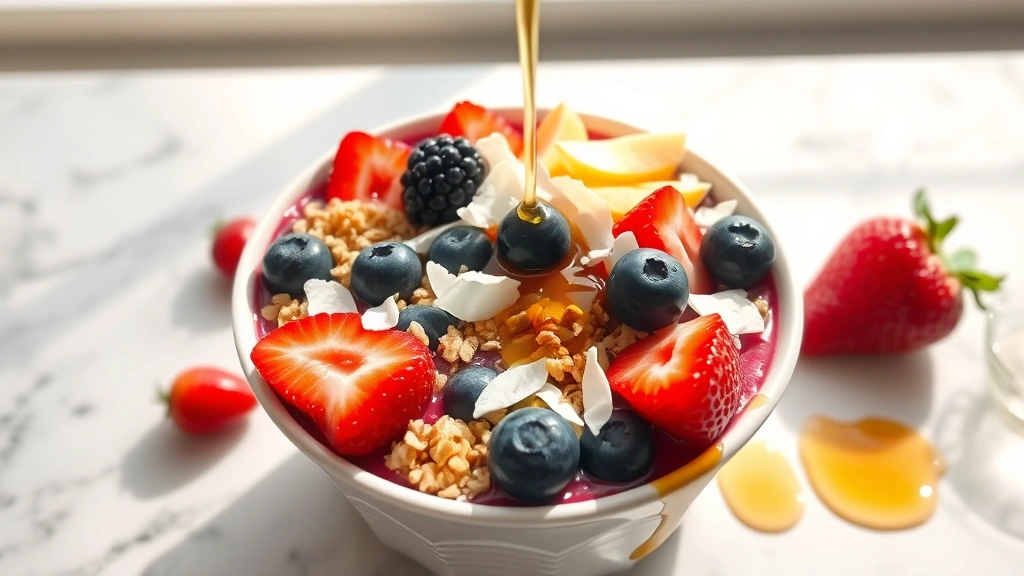
Playa Bowls’ signature offering—the açai bowl—typically contains a 5-ounce açai base topped with granola, fresh fruit, coconut flakes, and honey. A standard Playa Bowls acai bowl ranges from 400 to 550 calories before customization, placing it squarely in the moderate-to-high calorie range for a single menu item. The açai itself, a freeze-dried berry from the Amazon rainforest, contains anthocyanins and antioxidants, making it a genuinely beneficial base ingredient.
However, the nutritional profile becomes complicated when examining what tops these bowls. Granola, often marketed as a health food, typically contains 150-200 calories per half-cup serving, along with 12-18 grams of sugar. The honey drizzle adds another 60 calories and 17 grams of sugar per tablespoon. Coconut flakes contribute saturated fat, though the plant-based source makes this less concerning than animal-derived saturated fat. When you add these components together, a single Playa Bowls bowl can easily exceed 500-600 calories with 30-40 grams of sugar—approaching the daily recommended sugar intake for some individuals.
The smoothie bowls present a different nutritional picture. These blended offerings, typically made from fruit purees, yogurt, and milk bases, can range from 350 to 600 calories depending on ingredients. Many smoothie bowls at Playa Bowls include added syrups, sweetened yogurt, or fruit juice concentrates that inflate sugar content. A “Detox” or “Green” smoothie bowl might contain spinach or kale for micronutrient density, but the presence of mango puree, pineapple juice, and honey means total sugar content often exceeds 40 grams per serving.
When examining specific menu items, the Pitaya (dragon fruit) bowls offer slightly lower sugar profiles than açai options, typically containing 25-35 grams of sugar compared to 35-45 grams in traditional açai bowls. This modest difference reflects the lower inherent sugar content of dragon fruit compared to açai berries. The Protein bowls, which incorporate Greek yogurt or protein powder, offer improved macronutrient balance, typically providing 15-20 grams of protein per serving—a meaningful improvement over standard offerings that may contain only 5-10 grams of protein.
Playa Bowls’ toast options present different considerations entirely. Avocado toast with egg typically contains 350-450 calories with better macronutrient balance, offering healthy fats from avocado nutrition facts and protein from eggs. These options, while higher in fat, provide sustained satiety and more stable blood sugar responses compared to sugar-heavy bowls.

Sugar Content and Hidden Calories
The most significant nutritional concern with Playa Bowls offerings centers on added and total sugar content. While the USDA recommends limiting added sugars to no more than 10% of daily caloric intake (approximately 25-36 grams daily for most adults), a single Playa Bowls bowl frequently contains 30-50% of this daily allotment in one meal.
This sugar load presents multiple physiological concerns. Rapid blood sugar spikes from high-sugar foods trigger insulin responses that can contribute to energy crashes, increased hunger, and long-term metabolic dysregulation. For individuals managing diabetes, prediabetes, or metabolic syndrome, consuming 40+ grams of sugar in a single sitting represents a significant dietary challenge. The American Heart Association’s research on added sugars demonstrates correlations between high-sugar breakfast foods and increased cardiovascular disease risk.
The hidden calorie component extends beyond sugar. Granola, nut butters, coconut oil-based toppings, and honey drizzles accumulate rapidly. A bowl that appears modest in portion size can easily contain 550-650 calories—equivalent to a substantial meal rather than a breakfast side. This caloric density, combined with relatively low protein and fiber content, fails to provide lasting satiety, often leaving consumers hungry 2-3 hours post-consumption.
Examining specific problematic ingredients: honey, while containing trace minerals, provides essentially the same metabolic effects as refined sugar. Agave nectar, sometimes used in Playa Bowls products, contains higher fructose concentrations than standard sugar, potentially contributing to increased liver fat accumulation and triglyceride elevation. Coconut sugar, another common sweetener, offers minimal nutritional advantage over regular sugar despite marketing claims.
Protein and Macronutrient Balance
A fundamental principle of nutritious meal composition involves balancing macronutrients to promote satiety, stable blood sugar, and sustained energy. Optimal breakfast meals typically contain 20-30 grams of protein, 25-35 grams of carbohydrates, and 10-15 grams of fat. Most standard Playa Bowls offerings dramatically underdeliver on protein while oversupplying simple carbohydrates and sugar.
A typical açai bowl contains approximately 8-12 grams of protein, primarily from the yogurt base, while providing 60-80 grams of carbohydrates, predominantly from fruit and granola. This 1:7 carbohydrate-to-protein ratio promotes rapid blood sugar elevation and inadequate satiety signaling. Consumers frequently report hunger within 90 minutes of consuming these bowls, leading to additional snacking and increased daily caloric intake.
The protein-enhanced bowls at Playa Bowls address this concern partially. By incorporating Greek yogurt (15-20 grams protein per 6 ounces), whey protein powder (20-25 grams per scoop), or egg whites, these options achieve 18-25 grams of protein per serving. This improvement significantly enhances satiety and blood sugar stability. However, even these enhanced options often contain 35-45 grams of sugar, still exceeding optimal daily targets in a single meal.
Fat content presents another consideration. Healthy fats from nuts, seeds, avocado, and nut butters support nutrient absorption, hormone production, and satiety. Standard Playa Bowls offerings often contain insufficient fat content (3-8 grams), limiting these benefits. Customizing bowls with almond butter, chia seeds, or avocado additions improves macronutrient balance significantly, though this increases caloric density further.
Customization Strategies for Better Nutrition
Playa Bowls’ customization options provide meaningful opportunities to improve nutritional profiles. Rather than accepting default menu compositions, strategic modifications can transform these offerings into genuinely balanced meals.
Protein Enhancement: Request double protein powder or add Greek yogurt to any bowl. This increases protein content by 15-25 grams with minimal additional cost, dramatically improving satiety and macronutrient balance.
Sugar Reduction: Request honey on the side or omit it entirely. Many consumers find they cannot detect the absence of drizzled honey once the bowl is mixed, while this single modification eliminates 60-70 calories and 17 grams of sugar. Alternatively, request a light honey application rather than standard portions.
Granola Substitution: Request granola on the side in a small portion (approximately 2 tablespoons rather than the standard 4-5 tablespoons). This preserves the textural element while reducing sugar and caloric content by 50-75 calories and 6-9 grams of sugar.
Fruit Optimization: Request extra berries while reducing higher-sugar fruits like mango or pineapple. Berries (blueberries, strawberries, raspberries) contain significantly more fiber and antioxidants per calorie compared to tropical fruits, supporting better blood sugar responses.
Healthy Fat Addition: Request nut butter, seeds, or avocado addition. These increase satiety and provide micronutrients while supporting nutrient absorption. Approximately 1-2 tablespoons of almond butter adds 100 calories and 3.5 grams of protein while providing sustained energy.
Following these modifications, a customized Playa Bowls bowl might contain: 350-400 calories, 25-30 grams of protein, 35-40 grams of carbohydrates, 12-15 grams of fat, and 15-20 grams of sugar. This profile represents a genuinely balanced meal supporting stable energy and satiety.
Comparing Playa Bowls to Homemade Alternatives
Creating nutritionally optimized bowls at home provides superior control over ingredients, portions, and nutritional outcomes. A homemade açai bowl prepared with identical care typically costs $4-6 compared to $12-16 at Playa Bowls, while offering superior nutritional composition.
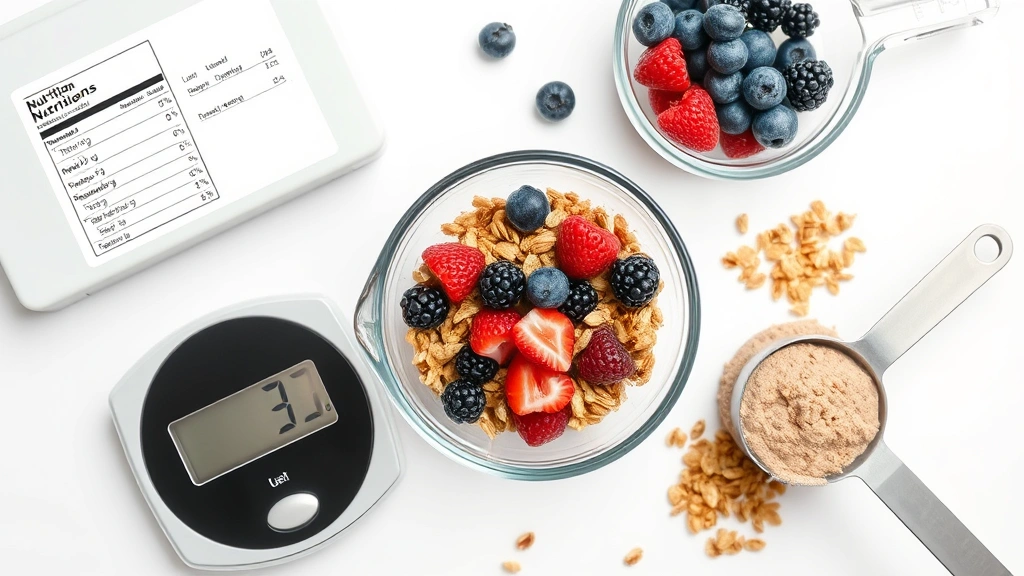
A dietitian-optimized homemade bowl might contain: 5 ounces frozen açai, 6 ounces Greek yogurt (15g protein), ¼ cup granola (50g calories, 6g sugar), ½ cup mixed berries (40 calories, 8g sugar), 1 tablespoon almond butter (100 calories, 3.5g protein), 1 tablespoon ground flaxseed (55 calories, 2g fiber), and 1 teaspoon raw honey (20 calories, 5g sugar). Total: 380 calories, 22g protein, 30g carbohydrates, 10g fat, 19g sugar.
Comparing this to a standard Playa Bowls bowl: 550 calories, 10g protein, 75g carbohydrates, 18g fat, 42g sugar. The homemade version provides 45% more protein, 60% less sugar, and superior satiety at approximately 30% of the cost. Furthermore, homemade preparation allows ingredient selection optimized for personal dietary goals—organic fruit, grass-fed yogurt, or low-sugar granola alternatives become feasible.
For individuals committed to regular bowl consumption, investing in a high-powered blender ($100-300) and purchasing bulk frozen fruit, yogurt, and toppings provides long-term economic and nutritional advantages. A single Playa Bowls visit costs equivalent to 2-3 weeks of homemade bowl ingredients.
Ingredient Quality and Sourcing
Examining ingredient sourcing and quality reveals additional nuance in the Playa Bowls nutritional assessment. The brand sources açai from reputable Amazon suppliers, and the freeze-dried açai itself contains legitimate antioxidant compounds. However, the supporting ingredients merit scrutiny.
Granola offerings typically contain refined vegetable oils, refined sugar, and minimal whole grain content despite marketing language emphasizing “wholesome” or “natural” positioning. Reading ingredient lists reveals canola oil, high fructose corn syrup or sugar, and minimal fiber content in many commercial granola products. Playa Bowls’ private-label granola likely follows similar formulations, though specific ingredient transparency remains limited.
Yogurt bases vary by location, with some Playa Bowls locations using Greek yogurt while others use standard yogurt or yogurt-based products containing added stabilizers, gums, and sweeteners. Premium Greek yogurt from brands like Fage provides superior protein content and ingredient transparency compared to commodity yogurt products. This variation creates inconsistency in nutritional outcomes between locations.
Fruit components, typically frozen, represent reasonable quality. Freezing fruit at peak ripeness preserves micronutrient content effectively, often surpassing fresh fruit shipped long distances. However, some smoothie bowls incorporate fruit purees or concentrates rather than whole fruit, concentrating sugars while removing fiber.
Understanding these sourcing considerations within the context of developing a healthy nutrition plan requires acknowledging that Playa Bowls represents a commercial food service operation optimizing for taste, consistency, and profit margins—not exclusively for nutritional optimization.
Frequency and Overall Diet Integration
The ultimate nutritional assessment of Playa Bowls depends significantly on consumption frequency and overall dietary context. An occasional Playa Bowls visit (1-2 times monthly) within an otherwise balanced diet presents minimal health concerns. The problematic scenario emerges when these bowls become regular breakfast staples (4-7 times weekly), contributing 200,000+ excess calories and 1,000+ grams of excess sugar annually.
For individuals engaging in regular intense exercise (5+ hours weekly), the higher carbohydrate content and caloric density of Playa Bowls bowls may support athletic performance and recovery when consumed post-workout. Athletes can leverage the high carbohydrate and sugar content for rapid glycogen replenishment, making standard menu items contextually appropriate.
Conversely, individuals managing weight, metabolic syndrome, diabetes, or pursuing sustained energy stability should view standard Playa Bowls offerings with caution. The sugar spikes and inadequate protein content conflict with these health objectives. For these populations, customized options or home preparation becomes advisable.
Examining the importance of dietary fiber reveals another consideration: most Playa Bowls offerings contain 4-8 grams of fiber, adequate but not exceptional. Adding chia seeds, flaxseed, or requesting extra berries increases fiber content to 10-14 grams, supporting digestive health and blood sugar stability more effectively.
Integration with meal planning strategies requires considering total daily intake. A 550-calorie Playa Bowls bowl consumed as breakfast necessitates careful lunch and dinner composition to maintain caloric and macronutrient targets. For individuals following 2,000-calorie daily targets, this single meal consumes 27.5% of daily calories while contributing 40-50% of daily sugar allotment, constraining remaining meal options significantly.
The psychological dimension merits consideration as well. When individuals perceive foods as “healthy,” they frequently consume larger portions and make less careful subsequent food choices—a phenomenon termed the “health halo effect.” Research from the American Psychological Association on nutrition psychology demonstrates that foods perceived as healthy prompt reduced portion control vigilance and increased total caloric intake.
Practical Dietitian Recommendations
Based on comprehensive nutritional analysis, dietitian recommendations regarding Playa Bowls consumption depend on individual health objectives:
- Weight Management: Limit to 1-2 visits monthly, utilizing customization strategies emphasizing protein and reducing sugar. Alternatively, prepare homemade equivalents 4-5 times weekly while reserving occasional Playa Bowls visits as treats.
- Athletic Performance: Incorporate strategically post-workout, 2-3 times weekly, when the high carbohydrate content supports glycogen repletion. Request protein enhancements to support muscle protein synthesis.
- Metabolic Health: Avoid standard menu offerings; instead, prepare customized bowls with emphasis on protein, healthy fats, and fiber. If visiting Playa Bowls, request protein powder addition, minimal honey, side granola, and extra berries.
- General Wellness: Enjoy 1-2 times monthly as part of an otherwise balanced diet, utilizing customization options to improve nutritional profiles. Balance with higher-protein, lower-sugar meals during other eating occasions.
The central finding: Playa Bowls offerings are not inherently unhealthy but require strategic customization and contextual integration within overall dietary patterns to support health objectives. Standard menu items represent high-calorie, high-sugar options better suited to occasional consumption or post-workout refueling rather than regular breakfast staples.
FAQ
Are Playa Bowls actually healthy or just marketed that way?
Playa Bowls contains genuinely nutritious ingredients like açai, fruit, and yogurt, but standard menu compositions contain excessive sugar (35-50g per bowl) and inadequate protein (8-12g) for optimal health outcomes. The “healthy” perception often exceeds actual nutritional benefits—classic healthwashing. Customization and strategic menu selection significantly improve nutritional profiles.
How much sugar is in a typical Playa Bowls bowl?
Standard açai and smoothie bowls contain 35-50 grams of total sugar, with 25-35 grams from added sources (honey, granola, syrups). This represents 75-140% of recommended daily added sugar intake in a single meal. Protein bowls and dragon fruit options contain slightly less (25-35g total sugar), while customized versions with reduced honey and granola can achieve 15-20g total sugar.
Can I eat Playa Bowls while trying to lose weight?
Occasional Playa Bowls consumption (1-2 times monthly) fits within weight loss plans, but regular consumption (3+ times weekly) typically undermines weight loss due to high caloric density and inadequate satiety signaling. If consuming regularly, utilize customization strategies: request protein powder addition, honey on the side, side granola, and extra berries. Homemade alternatives provide superior nutritional control for frequent consumption.
What’s the best Playa Bowls bowl for muscle building?
Protein bowls with added Greek yogurt or protein powder provide optimal muscle-building support, delivering 20-25g protein per serving. Pair with post-workout timing when the high carbohydrate content supports glycogen repletion and protein synthesis. Request double protein powder and nut butter addition for additional protein and caloric support (approximately 30-35g total protein, 600 calories).
How does homemade compare nutritionally to Playa Bowls?
Homemade bowls prepared with identical care typically provide superior nutritional profiles: 45% more protein, 60% less sugar, and better ingredient quality control at approximately 30% of the cost. A homemade bowl costs $4-6 and provides 380-400 calories with 22g protein and 19g sugar, compared to Playa Bowls’ $12-16 and 550 calories with 10g protein and 42g sugar.
Which Playa Bowls menu items have the least sugar?
Dragon fruit (Pitaya) bowls contain approximately 25-35g total sugar, lower than standard açai bowls. Toast options, particularly avocado toast with egg, contain 8-15g total sugar. Protein bowls offer similar sugar content to standard bowls but improved satiety. Requesting modifications (honey on side, reduced granola, extra berries) reduces sugar content by 10-20g across any menu item.
Is Playa Bowls good for diabetics?
Standard Playa Bowls offerings present challenges for diabetic management due to high sugar content and rapid blood sugar impact. However, customized options can work: request protein powder addition (increases to 25-30g protein), minimal honey or honey omission, side granola, and extra berries. Toast options, particularly with egg and avocado, provide superior blood sugar stability. Consult individual diabetes management plans with healthcare providers.


