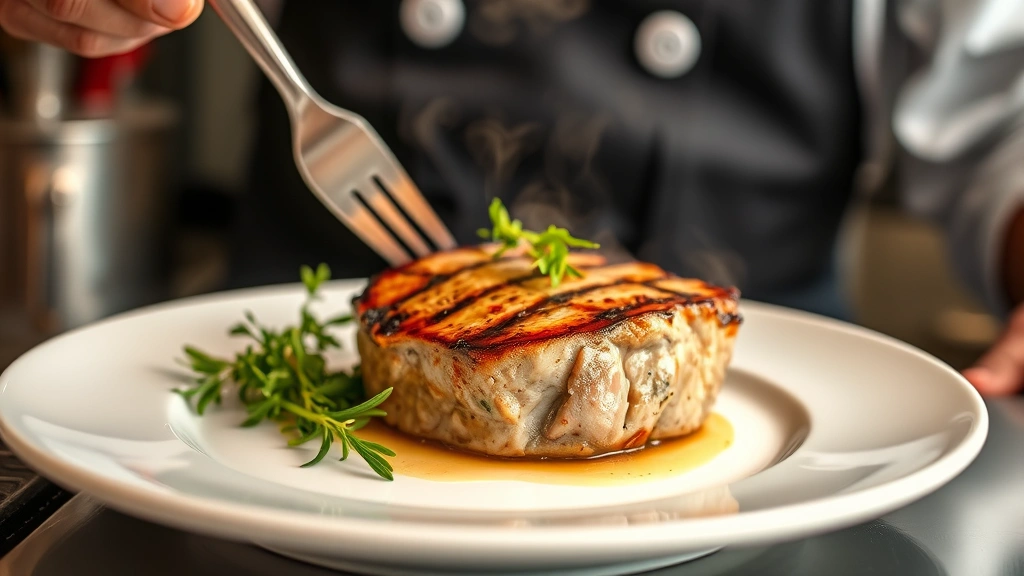
Pork Chop Nutrition Facts: Dietitian Insights
Pork chops have long been a staple protein source across cultures, yet their nutritional profile remains misunderstood by many health-conscious consumers. As a registered dietitian nutritionist, I’ve observed significant misconceptions about pork chop nutrition—from outdated beliefs about fat content to overlooking their impressive micronutrient density. Modern pork production has evolved considerably, resulting in leaner cuts with substantially lower fat content than their predecessors, making pork chops a legitimate choice for balanced nutrition and sustainable meal planning.
Understanding the complete nutritional breakdown of pork chops empowers you to make informed dietary decisions aligned with your health goals. Whether you’re optimizing athletic performance, building a sustainable healthy nutrition plan, or simply seeking quality protein sources, pork chops deserve a place in your nutritional conversation. This comprehensive guide explores pork chop nutrition from a dietitian’s perspective, examining macronutrient composition, essential micronutrients, and practical applications for various dietary approaches.
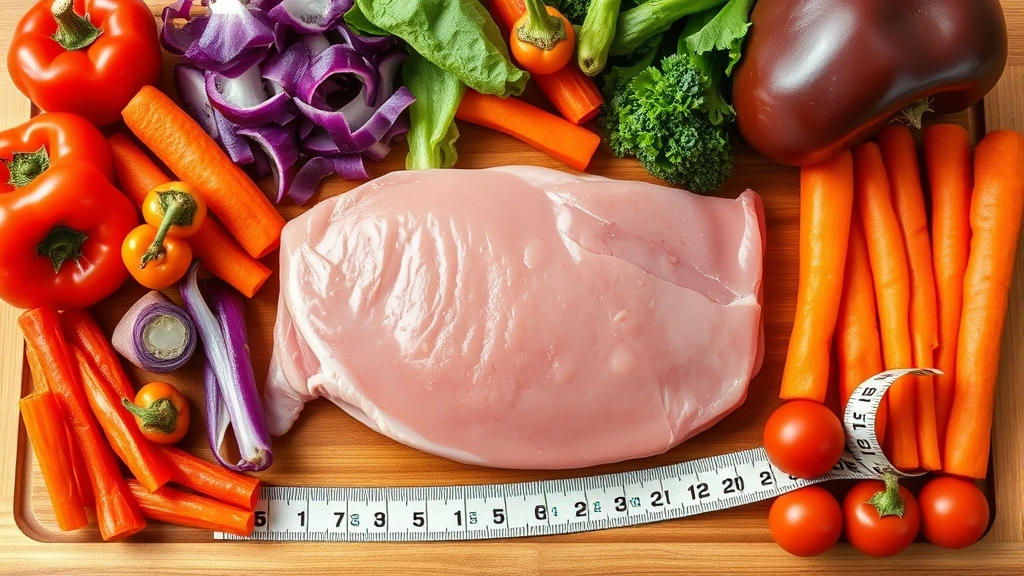
Pork Chop Macronutrient Profile
A typical 3-ounce (85g) boneless, cooked pork chop contains approximately 26 grams of high-quality protein, making it an excellent choice for individuals seeking substantial protein intake. This protein content rivals chicken breast in many respects, though pork offers distinct nutritional advantages in other areas. The protein in pork chops contains all essential amino acids in optimal ratios, supporting muscle synthesis, tissue repair, and various metabolic functions essential for overall health.
Fat composition in pork chops has transformed significantly due to modern breeding practices and leaner feeding protocols. A lean pork chop now contains roughly 6-8 grams of total fat, with approximately 2-3 grams of saturated fat. This represents a dramatic improvement from historical data, making contemporary pork chops substantially leaner than previously documented. The remaining fat consists primarily of monounsaturated and polyunsaturated fats, including oleic acid—the same heart-healthy fat predominant in olive oil.
Carbohydrate content in pork chops is negligible, typically containing zero grams of carbohydrates in plain, unseasoned preparations. This characteristic makes pork chops particularly valuable for individuals following nutrition solutions emphasizing low-carbohydrate approaches or those managing blood glucose levels. The caloric density of a lean pork chop averages 165-180 calories, providing substantial nutritional value relative to portion size.

Essential Micronutrients in Pork Chops
Beyond macronutrients, pork chops deliver impressive micronutrient density that many consumers overlook. A single pork chop provides approximately 25-30% of the daily recommended value for selenium, a critical trace mineral supporting thyroid function, antioxidant defense systems, and reproductive health. Selenium deficiency remains surprisingly common in certain geographic regions, making pork consumption particularly beneficial for populations in low-selenium areas.
B-vitamin content in pork chops is exceptional, particularly thiamine (vitamin B1), niacin (vitamin B3), and vitamin B6. These B vitamins serve as essential cofactors in energy metabolism, nervous system function, and cognitive processes. A single pork chop delivers approximately 10-15% of daily thiamine requirements and 20-25% of niacin recommendations. This B-vitamin profile makes pork chops particularly valuable for individuals optimizing nutrition for athletes seeking comprehensive micronutrient support.
Phosphorus, zinc, and iron content in pork chops contributes significantly to overall micronutrient intake. The iron in pork represents highly bioavailable heme iron, demonstrating superior absorption rates compared to non-heme iron from plant sources. A 3-ounce pork chop provides approximately 0.8-1.0 mg of iron, supporting oxygen transport and metabolic function. Zinc content averages 2-3 mg per serving, supporting immune function, wound healing, and protein synthesis.
Choline, an essential nutrient frequently overlooked in nutritional discussions, appears in substantial quantities in pork chops. This nutrient supports cellular structure, cognitive function, and methylation processes critical for metabolic health. Research from the National Institutes of Health demonstrates choline’s significance in brain development and cognitive performance across the lifespan.
Different Cuts and Their Nutritional Differences
Pork chop nutrition varies considerably depending on the specific cut selected, cooking method, and trim level. The loin chop, cut from the back of the pig, represents the leanest option, containing approximately 5-6 grams of fat per 3-ounce serving. This cut delivers maximum protein relative to fat content, making it ideal for individuals prioritizing protein intake while minimizing fat consumption.
Rib chops, cut closer to the shoulder, contain slightly more intramuscular fat, averaging 8-10 grams of fat per serving. Despite higher fat content, rib chops offer enhanced flavor profiles and superior moisture retention during cooking. The additional fat supports fat-soluble vitamin absorption and contributes to satiety, making rib chops valuable for individuals following higher-fat nutritional approaches.
Shoulder chops provide the most robust flavor and highest fat content, ranging from 12-15 grams of fat per 3-ounce serving. While higher in fat, shoulder chops offer exceptional nutrient density and superior culinary applications for braising and slow-cooking methods. The fat content should not discourage consumption—research from the American Journal of Clinical Nutrition demonstrates that moderate fat consumption from quality sources supports cardiovascular health and metabolic function.
Bone-in versus boneless pork chops present minimal nutritional differences in the meat itself, though bone-in preparations often retain more moisture and flavor during cooking. Some consumers appreciate the psychological satisfaction and traditional appeal of bone-in cuts, which may enhance overall dining experience and satiety perception.
Pork Chops for Athletic Performance
Athletes and physically active individuals benefit considerably from pork chop consumption, particularly when incorporating them into comprehensive tips for meal planning strategies. The combination of high-quality protein, B vitamins, and micronutrients like zinc and iron makes pork chops exceptional for post-workout recovery and sustained athletic performance.
Protein synthesis following resistance training requires not only adequate protein quantity but also complete amino acid profiles and supporting micronutrients. A single pork chop delivers all essential amino acids in optimal ratios, with particular emphasis on leucine—the primary amino acid triggering mTOR activation and muscle protein synthesis. Studies demonstrate that leucine-rich protein sources like pork chops stimulate muscle growth more effectively than leucine-deficient options.
The B-vitamin content in pork chops supports energy metabolism during intense training sessions. Thiamine, niacin, and B6 facilitate the conversion of macronutrients into usable energy, while simultaneously supporting nervous system function critical for athletic coordination and reaction time. Athletes consuming adequate pork demonstrate improved energy availability and reduced fatigue perception during demanding training phases.
Iron content in pork chops assumes particular importance for endurance athletes, vegetarian athletes, and female athletes of childbearing age—populations demonstrating elevated iron requirements. The heme iron in pork demonstrates absorption rates exceeding 25%, compared to 2-20% for non-heme plant-based iron sources. This bioavailability difference substantially impacts iron status in athletes dependent on dietary iron.
Cooking Methods and Nutritional Impact
Cooking methodology significantly influences the final nutritional profile of pork chops, affecting both nutrient retention and the formation of potentially harmful compounds. Grilling and broiling at moderate temperatures preserve most B vitamins while allowing excess fat to drain away, producing nutritionally optimized results. These dry-heat methods typically result in minimal nutrient loss compared to alternative approaches.
Pan-searing pork chops in minimal oil creates a flavorful crust through Maillard reactions while maintaining moisture and nutrient density. This method allows for precise temperature control, reducing the risk of excessive heat exposure that might degrade heat-sensitive vitamins. Research demonstrates that pan-searing at moderate temperatures (around 350-375°F) optimizes nutrient retention while minimizing the formation of advanced glycation end products (AGEs) and heterocyclic amines (HCAs).
Braising and slow-cooking methods, while requiring longer preparation times, preserve virtually all nutrients within the cooking liquid. The collagen breakdown during extended cooking produces gelatin and bioavailable amino acids, while the cooking liquid becomes nutrient-rich for consumption alongside the meat. These methods prove particularly valuable for tougher, more economical cuts while maximizing overall nutritional extraction.
Microwave cooking, often dismissed by culinary enthusiasts, demonstrates excellent nutrient preservation due to shorter cooking times and lower temperatures. While the texture differs from traditional methods, microwave preparation maintains B vitamins and other heat-sensitive nutrients at rates comparable or superior to conventional cooking approaches. This efficiency makes microwave preparation valuable for time-constrained individuals prioritizing nutritional optimization.
Temperature control during cooking proves critical for health optimization. Cooking pork chops to internal temperatures of 145°F (63°C), as recommended by the USDA and FDA guidelines, eliminates foodborne pathogens while maintaining optimal nutrient retention. Overcooking beyond this temperature unnecessarily increases nutrient degradation and moisture loss.
Incorporating Pork Chops Into Meal Plans
Strategic incorporation of pork chops into comprehensive meal planning supports diverse dietary objectives and nutritional requirements. For individuals building nutrition and mental health approaches, the choline content in pork chops supports cognitive function and mood regulation through multiple neurochemical pathways. Combining pork chops with nutrient-dense vegetables amplifies cognitive benefits while creating satisfying, balanced meals.
Weight management strategies benefit from pork chops’ exceptional protein-to-calorie ratio, which supports satiety and reduces overall caloric intake without restriction or deprivation. The thermic effect of protein—the energy required for digestion and metabolism—further enhances weight management outcomes, with protein requiring approximately 20-30% of consumed calories for processing, compared to 5-10% for carbohydrates.
Portion-controlled pork chop meals (3-4 ounces) paired with non-starchy vegetables and healthy fats create nutritionally complete meals supporting stable blood glucose and sustained energy. This combination optimizes micronutrient absorption through fat-soluble vitamin support while maintaining satiety through protein and fiber content.
Budget-conscious meal planning benefits from pork chops’ favorable cost-to-nutrition ratio compared to alternative protein sources. A quality pork chop typically costs considerably less per gram of protein than grass-fed beef or wild-caught fish, making pork chops accessible for individuals optimizing nutrition within financial constraints. The nutrient density of pork—particularly selenium, B vitamins, and zinc—provides exceptional value relative to cost.
Seasonal and cultural applications of pork chops expand meal planning flexibility while supporting culinary satisfaction. Asian-inspired preparations with ginger, garlic, and soy sauce; Mediterranean approaches with herbs and olive oil; and American comfort-food applications all provide satisfying options supporting long-term dietary adherence. Culinary enjoyment significantly impacts dietary sustainability, making diverse preparation methods essential for nutritional success.
FAQ
Are pork chops healthier than chicken breast?
Pork chops and chicken breast each offer distinct nutritional advantages. Chicken breast provides slightly more protein per calorie and contains marginally less fat, while pork chops deliver superior selenium, B vitamins, and iron content. Both represent excellent protein sources; selection should depend on individual nutritional requirements, culinary preferences, and dietary variety. Rotating between protein sources optimizes micronutrient intake across diverse nutrient profiles.
How much cholesterol is in a pork chop?
A 3-ounce lean pork chop contains approximately 60-75 mg of dietary cholesterol. Current nutritional science demonstrates that dietary cholesterol impacts blood cholesterol levels far less significantly than previously believed, with saturated fat intake demonstrating greater influence on cholesterol metabolism. For most individuals, moderate pork chop consumption presents no cholesterol concerns, particularly when combined with adequate fiber and plant-based foods supporting cardiovascular health.
Can pork chops fit into a ketogenic diet?
Pork chops represent excellent ketogenic diet options, containing zero carbohydrates and substantial fat and protein content supporting ketosis. Fattier cuts like rib and shoulder chops provide additional fat supporting ketone production, while lean loin chops offer protein-focused options. Pork chops’ nutrient density makes them valuable ketogenic staples supporting micronutrient requirements often challenged on very-low-carbohydrate approaches.
What’s the difference between conventional and heritage pork?
Heritage and conventional pork demonstrate minimal nutritional differences in macronutrient composition, though heritage breeds often contain slightly different fatty acid profiles reflecting diverse genetics and feed sources. Some heritage pork contains marginally elevated omega-3 fatty acids when raised on pasture, though differences remain modest. Selection should prioritize sustainable, ethical production practices and personal preference rather than assuming substantial nutritional superiority of any single production method.
How do I know if pork chops are properly cooked?
Proper pork doneness occurs at an internal temperature of 145°F (63°C) as measured with a meat thermometer placed in the thickest portion without touching bone. At this temperature, pork remains slightly pink in the center while eliminating foodborne pathogens. This temperature supports optimal texture and moisture retention while ensuring food safety—a critical consideration for immune-compromised individuals, pregnant women, and other vulnerable populations.
Are pork chops sustainable and ethically produced?
Pork sustainability depends entirely on production methods and sourcing. Conventionally raised pork presents environmental concerns regarding water usage, manure management, and feed production. Pasture-raised and regenerative pork production systems offer superior environmental outcomes and typically support improved animal welfare. Consumer research from Pew Research Center demonstrates growing consumer interest in ethical sourcing, making it increasingly feasible to locate sustainably produced pork from local and regional producers.


