Pork Rinds Nutrition: Health Benefits Explored
Pork rinds have long been dismissed as an unhealthy snack, yet emerging nutritional science reveals a more nuanced picture. These crispy, golden morsels—rendered pork skin—pack surprising nutritional density that challenges conventional dietary wisdom. What was once relegated to gas station counters and casual indulgences is now gaining recognition among low-carb and ketogenic diet enthusiasts as a legitimate protein source with measurable health applications.
The resurgence of interest in pork rinds nutrition stems from broader dietary shifts toward protein-focused, carbohydrate-restricted eating patterns. As consumers increasingly scrutinize macronutrient profiles and ingredient lists, pork rinds have emerged from obscurity as a surprisingly clean, minimally processed option. Understanding the actual nutritional composition of pork rinds—rather than relying on outdated assumptions—provides valuable context for informed dietary decisions.
Complete Nutritional Profile of Pork Rinds
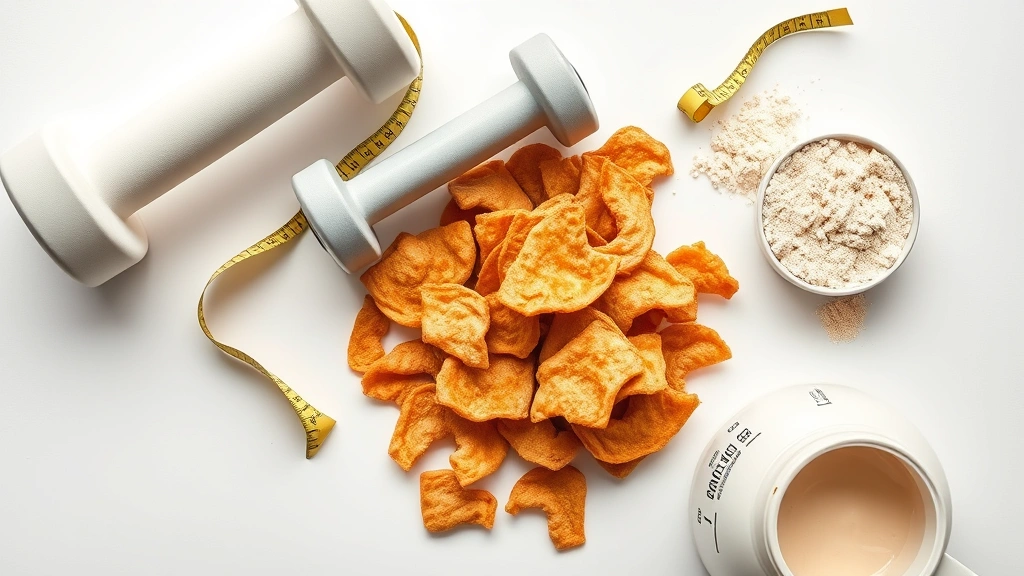
A standard one-ounce serving (approximately 28 grams) of pork rinds typically contains between 150-160 calories, with the macronutrient distribution heavily weighted toward protein and fat. The exact composition varies based on processing methods, seasoning applications, and whether the rinds are deep-fried or baked, but the baseline nutritional architecture remains remarkably consistent across quality producers.
The fundamental appeal of pork rinds lies in their macronutrient density. A typical serving delivers approximately 17 grams of protein, 9 grams of fat, and virtually zero carbohydrates—making them exceptionally compatible with ketogenic and low-carb dietary frameworks. This carbohydrate-free profile distinguishes pork rinds from most conventional snack alternatives, which typically contain 15-25 grams of carbohydrates per serving.
When examined through the lens of nutrient density, pork rinds demonstrate an impressive protein-to-calorie ratio that rivals many conventional protein sources. The caloric investment yields substantial macronutrient returns, particularly for individuals prioritizing protein intake while maintaining caloric awareness. This efficiency makes pork rinds particularly valuable for athletes and individuals engaged in resistance training seeking convenient protein options.
Understanding the broader context of healthy nutrition plans requires recognizing how individual foods contribute to overall dietary patterns. Pork rinds function best as a component within comprehensive nutritional strategies rather than as standalone dietary solutions.
Protein Content and Amino Acid Composition
The protein in pork rinds deserves particular examination, as not all protein sources offer equivalent amino acid profiles. Pork skin contains substantial quantities of collagen protein, which differs structurally from the globular proteins found in muscle tissue. This distinction carries meaningful implications for protein synthesis and bioavailability.
Pork rinds provide all nine essential amino acids necessary for human protein synthesis, classifying them as a complete protein source. The amino acid profile includes meaningful quantities of glycine, proline, and hydroxyproline—compounds specifically enriched in collagen-based proteins. While these amino acids are not essential in the strict biochemical sense, they contribute meaningfully to connective tissue synthesis, joint health, and dermal integrity.
The bioavailability of pork rind protein presents an important consideration. Research indicates that collagen-derived proteins demonstrate lower bioavailability compared to muscle-based proteins, though cooking processes and digestive conditions influence actual amino acid absorption. Individuals with compromised digestive function may experience reduced amino acid extraction from pork rind consumption compared to those with robust digestive capacity.
For those optimizing nutrition for athletes, pork rinds offer a convenient, shelf-stable protein option suitable for pre-workout snacking or post-exercise recovery supplementation. The lack of carbohydrates prevents blood sugar fluctuations, while the protein content supports muscle protein synthesis initiation.
Fat Quality and Fatty Acid Breakdown
The fat composition of pork rinds has undergone substantial re-evaluation as nutritional science has moved beyond simplistic saturated fat restrictions. Modern lipid research emphasizes fatty acid distribution, oxidation stability, and contextual dietary patterns rather than absolute saturated fat content.
Pork rind fat consists approximately of 40% saturated fat, 45% monounsaturated fat, and 15% polyunsaturated fat. This distribution mirrors the fatty acid profile of pork meat generally, reflecting the lipid composition of the source animal. The predominance of monounsaturated and saturated fats—relatively stable molecules resistant to oxidative damage—contrasts favorably with polyunsaturated fat-heavy snacks prone to oxidation during processing and storage.
The fat in pork rinds contains meaningful quantities of oleic acid, the primary monounsaturated fatty acid found in olive oil. This compound has demonstrated cardiovascular and metabolic benefits in numerous prospective studies. Additionally, pork fat includes palmitoleic acid, a monounsaturated fatty acid with emerging research suggesting beneficial effects on insulin sensitivity and metabolic function.
Processing methodology significantly influences the oxidative status of pork rind fats. Rendering temperatures, oxygen exposure during storage, and packaging materials all impact the extent of lipid oxidation and the formation of potentially harmful oxidation byproducts. Higher-quality producers employing careful temperature control and protective packaging preserve fat quality more effectively than mass-market alternatives utilizing aggressive processing techniques.
Collagen and Gelatin Benefits
The structural component distinguishing pork rinds from other protein sources is their extraordinarily high collagen concentration. Pork skin, the foundational ingredient, consists approximately 70% collagen by dry weight. This composition makes pork rinds one of the most concentrated dietary sources of this structural protein available commercially.
Collagen consumption has gained substantial scientific interest following research demonstrating potential benefits for dermal hydration, joint function, and connective tissue integrity. While the body breaks collagen into constituent amino acids during digestion, the high concentration of specific amino acids—particularly glycine and proline—supports endogenous collagen synthesis in tissues where these compounds may be limiting.
Glycine, comprising approximately 33% of collagen’s amino acid composition, serves as a precursor for glutathione synthesis, creatine production, and hemoglobin formation. Proline, constituting roughly 12% of collagen, participates in collagen cross-linking and hydroxylation reactions essential for structural stability. The concentrated delivery of these amino acids through pork rind consumption provides meaningful substrate availability for these synthetic pathways.
Research published in peer-reviewed dermatological journals has documented improvements in skin elasticity and hydration following collagen supplementation, though the extent of these benefits varies considerably based on individual genetic factors, overall dietary patterns, and age-related variables.
Micronutrient and Mineral Content
Beyond macronutrients, pork rinds deliver meaningful quantities of essential micronutrients often overlooked in casual nutritional assessment. The mineral profile reflects the bone-building and metabolic support functions of these micronutrients.
A typical serving of pork rinds provides approximately 0.8 milligrams of zinc, representing roughly 7% of the daily recommended intake. Zinc participates in immune function, protein synthesis, wound healing, and reproductive health. The bioavailability of zinc from animal sources—particularly pork—exceeds that from plant-based sources, making pork rinds a particularly efficient zinc delivery mechanism.
Phosphorus content in pork rinds typically ranges from 200-250 milligrams per ounce, supporting bone mineralization and energy metabolism. The calcium-to-phosphorus ratio, while not ideal for exclusive reliance on pork rinds as a calcium source, remains within acceptable ranges when pork rinds function as one component within diverse dietary patterns.
Selenium concentration in pork rinds averages approximately 35 micrograms per serving, exceeding 60% of the daily adequate intake. This trace mineral functions as a critical component of selenoproteins involved in antioxidant defense, thyroid hormone metabolism, and immune function. The high selenium bioavailability from animal sources makes pork rinds a particularly efficient dietary source.
Iron content in pork rinds provides meaningful contributions to dietary iron intake, particularly heme iron, which demonstrates superior bioavailability compared to non-heme iron from plant sources. This distinction carries particular significance for individuals with elevated iron requirements or compromised iron absorption capacity.
Pork Rinds in Specialized Diets
The nutritional characteristics of pork rinds position them as exceptionally well-suited to several contemporary dietary frameworks gaining scientific recognition and practical adoption.
Ketogenic Diet Integration: Pork rinds function as an ideal ketogenic snack, delivering substantial protein and fat while maintaining strict carbohydrate restriction. The satiating properties of fat and protein content support appetite regulation—a critical mechanism in ketogenic diet adherence. Many individuals report improved satiety and reduced overall caloric intake when incorporating pork rinds into ketogenic frameworks compared to carbohydrate-containing snack alternatives.
Low-Carbohydrate Eating Patterns: Beyond strict ketogenic protocols, pork rinds serve broader low-carbohydrate dietary approaches. The carbohydrate-free profile permits unrestricted consumption within carbohydrate budgets, enabling individuals to allocate carbohydrate allowances toward micronutrient-dense plant foods rather than refined grain products.
Paleo and Ancestral Diet Contexts: Pork rinds align with paleo dietary philosophies emphasizing minimally processed animal foods. The ingredient list typically consists solely of pork skin and salt, meeting strict paleo requirements for whole-food, unrefined eating patterns. This simplicity contrasts favorably with processed snack alternatives containing numerous additives and refined ingredients.
Protein-Focused Athletic Nutrition: Athletes implementing optimized athletic nutrition protocols benefit from pork rinds’ exceptional protein density and portability. The shelf-stable nature permits convenient consumption in contexts where refrigeration is unavailable, supporting consistent protein intake across diverse training environments.
Processing Methods and Health Implications
The transformation of raw pork skin into the finished pork rind product involves multiple processing stages that substantially influence the final nutritional and safety profile. Understanding these processes enables informed selection among commercially available options.
Rendering Process: Traditional rendering involves exposing pork skin to sustained heat, melting adipose tissue and creating the characteristic crispy texture. Temperature control during rendering critically influences the oxidative status of resulting fats. Lower-temperature rendering (around 250-300°F) preserves lipid stability more effectively than aggressive high-temperature processing exceeding 350°F.
Seasoning Considerations: Plain pork rinds contain minimal sodium—typically 300-400 milligrams per ounce—derived solely from salt added during processing. Flavored varieties may contain substantially elevated sodium, artificial flavoring compounds, and additional additives. Individuals monitoring sodium intake should select plain varieties or carefully examine nutrition labels on flavored alternatives.
Oxidative Stability: The long shelf-life of pork rinds depends upon limiting oxygen exposure and maintaining cool storage conditions. Vacuum-sealed packaging preserves oxidative stability far more effectively than open-air containers. The presence of off-flavors or rancid odors indicates oxidative degradation and warrants product rejection regardless of printed expiration dates.
Sourcing and Quality Indicators: Pork quality fundamentally influences the nutritional profile of resulting rinds. Pork from animals raised on pasture or grain-based diets demonstrates different fatty acid compositions compared to conventional confinement-raised pork. While these differences remain relatively modest, quality-conscious consumers may prioritize pork rinds derived from higher-welfare production systems.
Potential Concerns and Moderation
Despite substantial nutritional merit, pork rinds warrant consideration of legitimate concerns and appropriate consumption parameters within broader dietary contexts.
Sodium Content: Even plain pork rinds contain meaningful sodium quantities, typically 300-400 milligrams per ounce. Individuals with hypertension or sodium-restricted dietary requirements should monitor cumulative sodium intake and potentially select lower-sodium alternatives or limit portion sizes. Flavored varieties often contain substantially elevated sodium, sometimes exceeding 600 milligrams per serving.
Saturated Fat Considerations: While modern lipid science has substantially revised earlier concerns regarding saturated fat consumption, individuals with specific lipid abnormalities or genetic predispositions to elevated cholesterol may benefit from moderating pork rind consumption. The saturated fat content, while not excessive by contemporary standards, remains meaningful and warrants awareness among individuals with relevant metabolic concerns.
Digestive Considerations: The collagen-heavy protein composition may present challenges for individuals with compromised digestive function, including those with pancreatic insufficiency or severe irritable bowel syndrome. The fat content, while valuable for satiety, may exacerbate symptoms in individuals with cholecystitis or biliary dysfunction. Those with digestive concerns should introduce pork rinds gradually and monitor individual tolerance.
Caloric Density: Despite nutritional merit, pork rinds remain calorically dense at approximately 150-160 calories per ounce. Individuals pursuing weight loss should incorporate pork rinds deliberately within structured meal plans rather than consuming unrestricted quantities, as the satiating properties may not prevent excessive intake in all individuals.
Microplastic and Contaminant Concerns: Emerging research examining microplastic accumulation in animal products warrants cautious attention. While pork rinds have not undergone extensive microplastic analysis, the processed nature and potential for contamination during manufacturing merit awareness. Sourcing from reputable producers employing rigorous quality control measures reduces contaminant exposure risk.
Understanding digestive optimization strategies helps individuals incorporate pork rinds appropriately within dietary patterns supporting gastrointestinal health and nutrient absorption efficiency.
FAQ
Are pork rinds a complete protein source?
Yes, pork rinds constitute a complete protein, containing all nine essential amino acids in quantities supporting human protein synthesis. However, the amino acid profile emphasizes collagen-derived amino acids rather than the balanced distribution found in muscle-based proteins. For comprehensive amino acid sufficiency, pork rinds function most effectively as one component within diverse protein sources.
Can pork rinds support weight loss efforts?
Pork rinds may support weight loss through satiety mechanisms related to protein and fat content, promoting reduced overall caloric intake. However, the caloric density (150-160 calories per ounce) requires deliberate portion control. The absence of carbohydrates and the satiating macronutrient profile make pork rinds compatible with caloric restriction strategies when consumed in measured quantities.
How do pork rinds compare to other protein snacks?
Pork rinds offer superior macronutrient efficiency compared to most conventional snacks, delivering substantial protein without carbohydrates. However, they contain higher fat content than lean protein alternatives like jerky or protein powder. The collagen-specific amino acid profile differs from muscle-based proteins, making pork rinds most valuable as a diversified component within comprehensive protein strategies rather than an exclusive protein source.
Are flavored pork rinds nutritionally equivalent to plain varieties?
Flavored pork rinds typically contain elevated sodium, artificial flavoring compounds, and occasionally added sugars or carbohydrates depending on flavoring methodology. While the macronutrient core remains similar, the micronutrient profile and additive load differ substantially. Plain varieties offer superior nutritional transparency and fewer potentially problematic additives.
What is the optimal serving size for pork rinds?
A standard serving of one ounce (approximately 28 grams, or roughly 1 cup of puffed rinds) delivers optimal macronutrient density without excessive caloric contribution. Most individuals benefit from limiting consumption to one serving per day unless specifically pursuing elevated protein intake. Monitoring individual satiety responses and overall caloric intake guides appropriate personalized serving sizes.
Do pork rinds contain harmful additives?
Quality plain pork rinds typically contain only pork skin and salt, avoiding problematic additives. However, flavored varieties may contain artificial flavoring compounds, preservatives, or other additives warranting scrutiny. Examining ingredient lists and selecting products from transparent manufacturers minimizes additive exposure.


