Portobello Mushroom Benefits: Nutritionist Insight into Portobello Mushroom Nutrition Facts
Portobello mushrooms have evolved from a niche ingredient to a mainstream culinary staple, appearing on restaurant menus and in home kitchens across the globe. Often called the “steak of the vegetable world” due to their meaty texture and substantial umami flavor, these fungi offer far more than just gastronomic appeal. As a nutritionist, I’ve observed growing interest in understanding what makes portobellos nutritionally significant, particularly as consumers seek plant-based protein sources and whole-food nutrition strategies. This comprehensive guide explores the nutritional profile of portobello mushrooms, their health benefits, and how to incorporate them into a balanced diet.
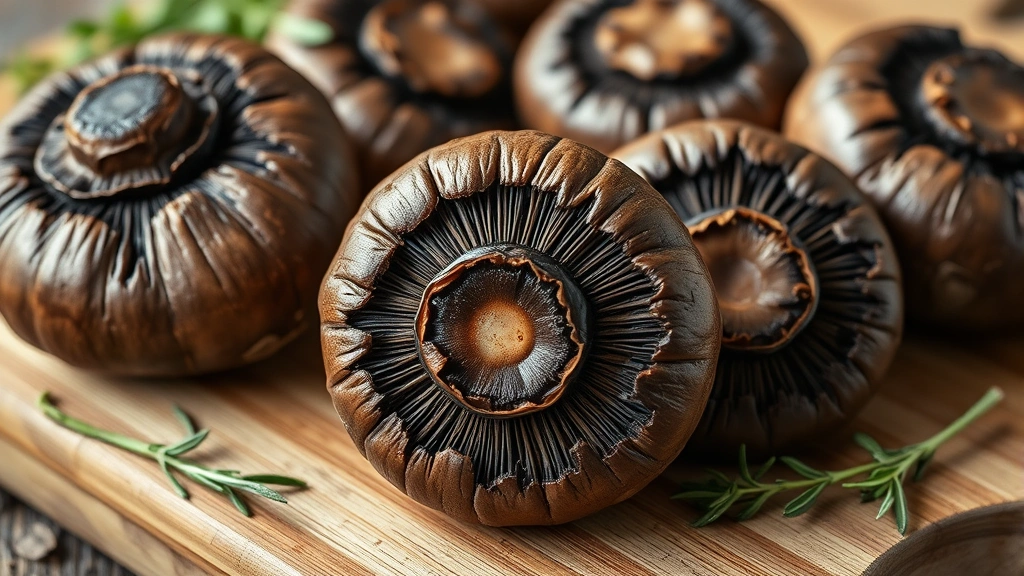
The journey from button mushroom to portobello represents a fascinating example of agricultural development. These are actually the mature form of cremini mushrooms, having undergone fuller development that increases their size, deepens their color, and concentrates their nutritional compounds. Understanding portobello mushroom nutrition facts is essential for anyone interested in optimizing their dietary choices, whether pursuing weight management, athletic performance, or disease prevention through food.
Complete Nutritional Profile of Portobello Mushrooms
When examining portobello mushroom nutrition facts, the first striking characteristic is their remarkably low caloric density combined with substantial micronutrient concentration. A single medium portobello mushroom (approximately 84 grams) contains merely 22 calories, making them an exceptional choice for calorie-conscious individuals. This low-energy-density profile is complemented by approximately 1.5 grams of protein per mushroom, which, while modest in absolute terms, represents a respectable protein-to-calorie ratio that rivals many vegetables.
The macronutrient composition reflects the fungal origin of these organisms. Unlike plants that rely on carbohydrates as primary structural components, mushrooms utilize chitin and beta-glucans, resulting in a carbohydrate content of approximately 3.3 grams per medium mushroom. The fiber content stands at roughly 0.7 grams, contributing to digestive health and satiety. Fat content is negligible at 0.3 grams per mushroom, with virtually no saturated fat present. This makes portobellos an ideal ingredient for those following various dietary approaches, from low-carb protocols to plant-based nutrition plans.
One often-overlooked aspect of portobello mushroom nutrition facts involves their water content. Comprising approximately 92 percent water by weight, these mushrooms provide volume and satiety with minimal caloric contribution. This characteristic makes them particularly valuable in meal preparation, as they can add substance to dishes without significantly impacting total energy intake. The water content also makes them excellent candidates for grilling, roasting, and sautéing, as their structure holds up well to various cooking methods.
Key Vitamins and Minerals
The micronutrient density of portobello mushrooms distinguishes them from many other vegetables. Potassium content is particularly noteworthy, with a medium mushroom providing approximately 305 milligrams, representing about 9 percent of the daily recommended intake. This mineral plays crucial roles in cardiovascular function, blood pressure regulation, and electrolyte balance. For individuals seeking to increase potassium intake through whole foods rather than supplements, portobellos offer a reliable source.
Selenium content in portobellos is remarkably high relative to their size and caloric contribution. A single medium mushroom delivers approximately 8.3 micrograms of selenium, equivalent to roughly 15 percent of the daily recommended value. This trace mineral functions as a critical cofactor in selenoprotein synthesis, contributing to antioxidant defense, thyroid hormone metabolism, and immune function. Research published by the National Institutes of Health has highlighted selenium’s importance in preventing chronic disease.
The B-vitamin complex present in portobello mushrooms warrants particular attention from nutritionists. These fungi contain meaningful quantities of niacin (vitamin B3), riboflavin (vitamin B2), and pantothenic acid (vitamin B5). Niacin content reaches approximately 3.5 milligrams per medium mushroom, supporting energy metabolism and DNA repair. Riboflavin, essential for cellular energy production and antioxidant defense, comprises roughly 0.2 milligrams. These B vitamins are particularly important for individuals following plant-based diets, as mushrooms provide bioavailable forms of these nutrients typically associated with animal products.
Copper and phosphorus round out the mineral profile of portobello mushrooms. Copper, present at approximately 0.3 milligrams per medium mushroom, supports iron metabolism, connective tissue formation, and neurological function. Phosphorus content of roughly 86 milligrams contributes to bone health and cellular energy metabolism. When considering healthy nutrition plans, the comprehensive micronutrient profile of portobellos makes them valuable additions to diverse dietary approaches.
Vitamin D synthesis represents another distinctive nutritional advantage of portobello mushrooms. When exposed to ultraviolet B (UVB) radiation—whether from sunlight or intentional exposure during cultivation—mushrooms produce ergocalciferol (vitamin D2). Some commercially cultivated portobellos contain significant quantities of this nutrient, though amounts vary based on growing conditions. This makes mushrooms one of the few non-animal food sources of vitamin D, particularly valuable for vegans and vegetarians.
Antioxidants and Bioactive Compounds
Beyond conventional vitamins and minerals, portobello mushrooms contain an impressive array of bioactive compounds that contribute to their health-promoting properties. These substances represent the frontier of nutritional science, where food transcends basic macronutrient and micronutrient provision to actively support physiological processes and disease prevention.
Ergothioneine stands as one of the most significant bioactive compounds in portobello mushrooms. This amino acid derivative, synthesized exclusively by fungi and some bacteria, functions as a potent antioxidant and cellular protectant. Research indicates that ergothioneine accumulates in mitochondria, where it combats oxidative stress at the cellular energy-production level. The concentration of ergothioneine in portobello mushrooms significantly exceeds that in most other foods, making them a uniquely rich dietary source of this compound.
Polysaccharides, particularly beta-glucans, represent another crucial category of bioactive compounds. These complex carbohydrates exist within the fungal cell wall and have demonstrated immunomodulatory properties in numerous studies. Beta-glucans interact with pattern recognition receptors on immune cells, enhancing both innate and adaptive immune responses. This mechanism explains traditional use of medicinal mushrooms in various cultures and provides a scientific foundation for understanding portobello mushrooms’ role in immune support.
Phenolic compounds, including various flavonoids and phenolic acids, contribute to the antioxidant capacity of portobello mushrooms. These molecules neutralize free radicals—unstable atoms generated during normal metabolism and environmental exposure that contribute to cellular aging and disease development. The total phenolic content in portobello mushrooms rivals that of many antioxidant-rich vegetables, yet they remain underappreciated in discussions of antioxidant-rich foods.
Ergosterol, a steroid alcohol unique to fungi, serves multiple physiological functions. Beyond its role as a precursor to vitamin D2, ergosterol demonstrates anti-inflammatory and cholesterol-lowering properties. This compound represents an example of how mushrooms’ distinct biochemistry creates nutritional advantages unavailable from plant or animal sources.
Health Benefits Backed by Research
The scientific literature increasingly validates the health-promoting properties of portobello mushrooms and their nutritional constituents. While no food functions as a pharmaceutical substitute, the evidence base supporting mushroom consumption for health optimization continues expanding.
Cardiovascular health represents one of the most thoroughly researched benefit areas. The potassium content supports blood pressure regulation, while compounds like ergosterol demonstrate cholesterol-modulating effects. A comprehensive review in PubMed Central examined mushroom consumption and cardiovascular outcomes, finding consistent associations between regular mushroom intake and improved lipid profiles. The fiber content, though modest, also contributes to cardiovascular health by supporting healthy cholesterol levels and blood sugar regulation.
Immune function enhancement represents another well-documented benefit. The beta-glucans in portobello mushrooms activate various immune cell populations, including macrophages, natural killer cells, and dendritic cells. This activation supports both pathogen recognition and elimination, as well as enhanced antitumor surveillance. During periods of high infection risk or immune challenge, regular portobello consumption may provide meaningful support for immune competence.
Bone health receives support from portobellos’ mineral content and bioactive compounds. The phosphorus and copper content contributes directly to bone matrix formation, while the anti-inflammatory compounds may reduce bone-resorbing processes. Some research suggests that ergosterol and other mushroom compounds may enhance calcium absorption and utilization, though this area requires further investigation.
Brain health and neuroprotection represent emerging areas of mushroom research. Ergothioneine’s concentration in neural tissue, combined with its antioxidant properties, suggests potential benefits for cognitive aging and neurodegenerative disease prevention. Some studies indicate associations between mushroom consumption and reduced cognitive decline in aging populations, though mechanistic research continues evolving.
Cancer prevention represents perhaps the most intensively researched benefit area, though one requiring careful interpretation. Polysaccharides and other compounds in portobello mushrooms demonstrate anti-tumor properties in laboratory and animal studies. While human evidence remains limited, the mechanistic plausibility combined with epidemiological associations between mushroom consumption and reduced cancer risk supports inclusion of portobellos in cancer-prevention dietary strategies. When developing meal planning strategies for health optimization, portobellos merit consideration as functional food ingredients.
Incorporating Portobellos into Your Diet
Understanding portobello mushroom nutrition facts proves most valuable when translated into practical dietary incorporation. These versatile fungi accommodate numerous culinary approaches and dietary philosophies, making them accessible additions to virtually any eating pattern.
For individuals following plant-based diets, portobellos serve multiple nutritional roles. Their substantial texture and umami flavor profile make them excellent substitutes for meat in various dishes. Grilled portobello caps can function as burger patties, providing protein and satisfying mouthfeel alongside micronutrient density. Diced portobellos add substance to vegetable stir-fries and grain bowls, increasing nutrient density without excessive caloric contribution. This makes them particularly valuable for those seeking to optimize nutrition within caloric constraints.
Individuals pursuing dietary fiber for optimal health can incorporate portobellos as part of comprehensive fiber strategies. While individual mushrooms provide modest fiber amounts, regular consumption across varied preparations contributes meaningfully to daily fiber intake. The soluble fiber within mushroom cell walls particularly supports healthy gut microbiome function and blood sugar regulation.
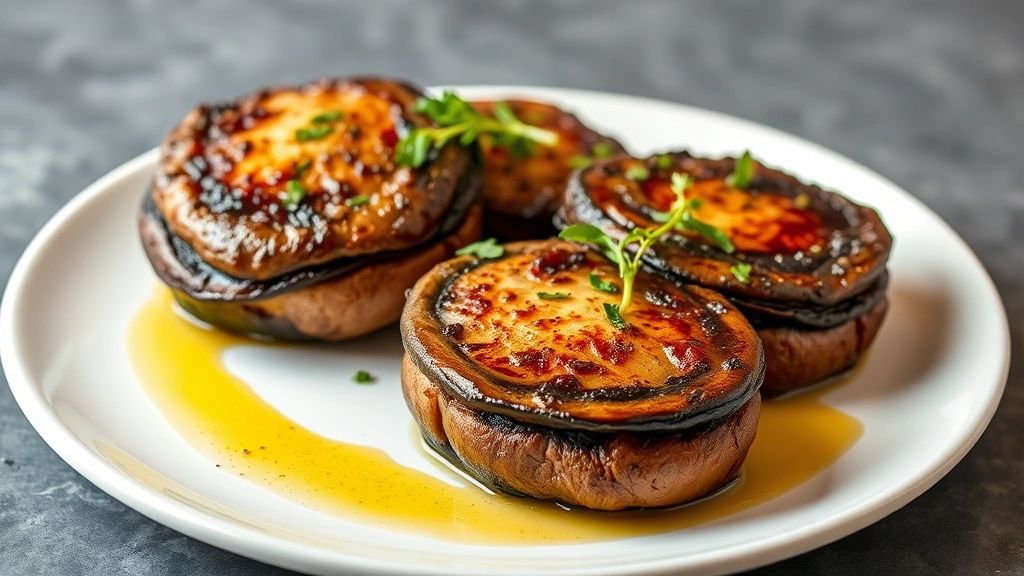
Low-carbohydrate and ketogenic diet followers benefit from portobellos’ negligible carbohydrate content and minimal impact on blood glucose. Their volume and satiety-promoting properties make them valuable for maintaining adherence to caloric and macronutrient targets. Roasted portobello steaks with herb-infused oils represent a satisfying, nutrient-dense addition to low-carb protocols.
Athletes and individuals pursuing muscle development can leverage portobellos’ micronutrient density to support recovery and performance. The selenium content supports antioxidant defense against exercise-induced oxidative stress, while potassium supports electrolyte balance and muscle function. The ergothioneine content may provide additional recovery support through mitochondrial protection.
Preparation Methods and Nutrient Retention
The cooking method employed significantly influences the bioavailability and retention of portobello mushroom nutrients. Understanding these relationships allows optimization of nutritional benefit.
Raw consumption preserves all heat-sensitive compounds, including some polysaccharides and phenolic compounds that may degrade during heating. However, raw mushrooms present chitin in forms less accessible to human digestion. Including raw sliced portobellos in salads provides certain nutritional advantages while maintaining maximum enzymatic activity and heat-sensitive micronutrients.
Light sautéing in minimal oil represents perhaps the optimal preparation method for balancing nutrient retention with bioavailability enhancement. The moderate heat denatures chitin, improving polysaccharide accessibility, while preserving heat-sensitive compounds better than extended cooking. The addition of fat-soluble compounds (like olive oil) enhances absorption of fat-soluble nutrients and bioactive compounds, many of which exhibit lipophilic characteristics.
Grilling and roasting at higher temperatures concentrate flavors and create appealing textural characteristics through browning reactions. While some heat-sensitive compounds may degrade, the Maillard reaction products generated during high-heat cooking possess their own bioactive properties, including additional antioxidant compounds. The choice between cooking methods should reflect both nutritional and palatability considerations.
Boiling and extended simmering result in leaching of water-soluble nutrients into cooking liquids. If these liquids are consumed as part of soups or broths, nutrient loss proves minimal. However, discarding cooking water results in meaningful nutrient loss, particularly of B vitamins and potassium. This consideration supports preparation methods that retain cooking liquids or use minimal water.
Drying portobello mushrooms concentrates nutrients by removing water, creating products with enhanced micronutrient density per unit weight. Dried portobellos maintain bioactive compounds effectively and offer convenience for long-term storage. Rehydration in hot water creates flavorful broths rich in dissolved bioactive compounds.
Potential Considerations and Contraindications
While portobello mushrooms present an excellent nutritional profile for most individuals, certain considerations merit attention for specific populations.
Individuals with mushroom allergies require obvious avoidance, though true mushroom allergies remain relatively uncommon. More frequent are sensitivities to compounds in mushrooms, including chitin or specific polysaccharides, which may cause digestive discomfort in sensitive individuals. Introduction should occur gradually, monitoring for adverse responses.
Gout sufferers traditionally received advice to limit mushroom consumption due to purine content. Purines metabolize to uric acid, potentially precipitating gout attacks in susceptible individuals. However, recent research suggests mushroom purines may not significantly elevate uric acid compared to other purine sources. Individual tolerance varies considerably, and consultation with healthcare providers proves advisable for those with gout history.
Individuals taking anticoagulant medications should note that some mushroom compounds may possess mild anticoagulant properties. While portobello mushrooms present minimal risk compared to medicinal mushroom extracts, medical supervision remains prudent for those on warfarin or similar medications.
Individuals with histamine sensitivity or histamine intolerance should recognize that mushrooms, particularly aged or stored specimens, accumulate histamine. Those with diagnosed histamine intolerance should consume fresh portobellos while avoiding aged preparations.
The ergot alkaloid ergotamine, present in some fungi, occurs in negligible quantities in cultivated portobello mushrooms and presents no practical health concern. Similarly, potential heavy metal accumulation in wild mushrooms does not apply to commercially cultivated portobellos, which are grown in controlled environments with monitored substrates.
How many portobello mushrooms should I consume daily for health benefits?
While no strict daily requirement exists, consuming one to two medium portobello mushrooms several times weekly provides meaningful micronutrient and bioactive compound intake. Individual needs vary based on overall dietary patterns, health status, and specific health goals. Regular consumption appears more beneficial than sporadic large quantities.
Do portobello mushrooms contain complete protein?
While portobellos contain protein, they do not provide complete protein profiles independently. Their amino acid composition lacks sufficient quantities of certain essential amino acids. However, when combined with grains, legumes, or other protein sources as part of comprehensive meals, portobellos contribute meaningfully to protein intake and amino acid diversity.
Are cooked or raw portobellos more nutritious?
Both presentations offer distinct advantages. Raw portobellos preserve heat-sensitive compounds, while cooked preparations improve polysaccharide bioavailability and create additional antioxidant compounds through browning reactions. Varied preparation methods throughout the week optimize overall nutrient intake.
Can portobello mushrooms support weight loss?
Portobellos’ low caloric density, high water content, and substantial texture make them valuable additions to weight-loss dietary approaches. Their nutrient density ensures satiety and micronutrient adequacy despite caloric restriction. However, no single food causes weight loss; overall dietary patterns and energy balance remain primary determinants.
How do portobello mushrooms compare nutritionally to button mushrooms?
Portobello and button mushrooms are the same species at different maturity stages. Portobellos, being more mature, contain slightly higher concentrations of certain compounds per unit weight, though nutritional differences remain modest. The choice between them should reflect culinary preferences and preparation methods rather than major nutritional divergence.
Do portobello mushrooms interact with medications?
While portobello mushrooms present minimal direct medication interactions, their bioactive compounds may theoretically influence drug metabolism or efficacy in some cases. Individuals taking medications—particularly anticoagulants, immunosuppressants, or medications metabolized by specific liver enzymes—should consult healthcare providers regarding mushroom consumption patterns.


