
Table of Contents
Introduction
You’ve just crushed that workout—sweat dripping, muscles burning, endorphins flowing. Amazing feeling, right? But here’s what happens next that most people miss: your body immediately kicks into repair mode, basically screaming for the right fuel to rebuild and recover. What you eat after exercise? It can make or break everything you just worked for.
Think of your post-workout body like a construction site. You’ve just torn down some walls (muscle fibers, actually), and now your body needs the right materials to build them back stronger. Skip the proper nutrition, and you’re looking at prolonged soreness, dragging energy levels, and workouts that feel harder than they should. Not exactly the progress you’re after.
Here’s something interesting—while everyone talks about protein (and yes, it’s important), your muscles need so much more. Carbs to refill your energy tank. Healthy fats for hormone production. Vitamins and minerals for countless recovery processes happening behind the scenes. It’s like trying to bake a cake with just flour—you need all the ingredients working together.
And this recovery nutrition thing? It connects to bigger picture stuff too. Having a solid healthy nutrition plan doesn’t just help your muscles—it keeps your energy steady all day long and sets you up for better workouts down the road. Plus, the nutrients that fix your muscles also feed your brain. (Seriously, there’s fascinating research on nutrition and mental health that’ll blow your mind.)
Now, timing matters too. A lot. When you eat and what combination of nutrients you choose can dramatically impact how fast you bounce back and how much stronger you get. The experts who study nutrition for athletes have this down to a science—the perfect balance of proteins, carbs, and fats that’ll have your muscles thanking you later. Don’t forget hydration and antioxidants either. They’re like your body’s cleanup crew, sweeping away inflammation and exercise damage. Speaking of the bigger picture, understanding how to maintain a balanced diet and tapping into benefits of omega 3 fatty acids can transform how you feel and perform overall.
What You’ll Learn in This Guide
Ready to crack the code on post-workout nutrition? This guide breaks down everything you need to know about fueling your recovery the right way. No confusing science jargon—just practical, actionable advice you can use starting today.
- Key Nutrients for Recovery: We’ll explore proteins, carbohydrates, fats, vitamins, and minerals that actually matter for muscle repair and getting your energy back.
- Best Recovery Foods: Discover the powerhouse foods that deliver serious nutritional bang for your buck, including protein sources that taste amazing and fats your body will love.
- Hydration Strategies: Learn why what you drink is just as important as what you eat—and how to nail your fluid and electrolyte game.
- Timing Your Meals: Get the inside scoop on when to eat for maximum recovery benefits (hint: there’s actually a sweet spot).
What’s coming up will change how you think about post-workout meals forever. You’ll understand exactly how different nutrients work their magic on muscle growth, energy restoration, and keeping you feeling awesome after tough workouts. By the time we’re done, you’ll know how to customize your recovery meals to match your goals and fit your lifestyle.
We’re also going to explore specific foods that prove healthy doesn’t have to mean boring. Because let’s face it—if your recovery meals don’t taste good, you’re not going to stick with them long term. Plus, we’ll dive deep into hydration (it’s way more than just chugging water) and show you how replacing what you lose through sweat is absolutely crucial. Along the way, we’ll touch on bonus topics like the importance of dietary fiber and foods rich in antioxidants that can supercharge your recovery even more.
This journey is going to completely upgrade your recovery game. Less muscle fatigue, more sustained energy, and the kind of consistent progress that makes every workout feel worth it. Sound good? Let’s dive in and discover how the right foods can become your secret weapon for fitness success.
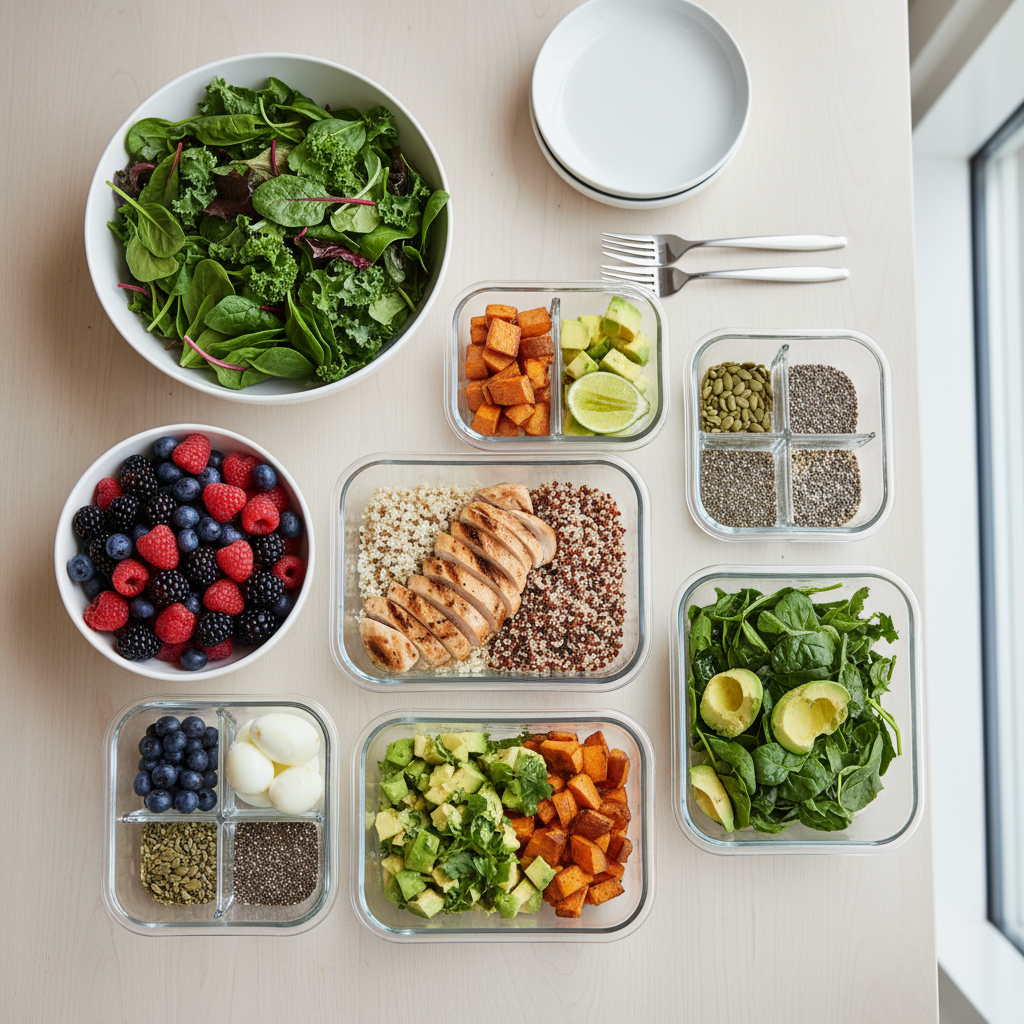
We’ve already talked about why post-workout recovery foods matter—now let’s get into the good stuff. What you eat after your workout can literally make or break your progress. Think about it: you just put your muscles through their paces, and now they’re sitting there waiting for the right fuel to rebuild stronger than before. Skip this step or get it wrong? You’re basically leaving gains on the table. The right nutrients don’t just help your muscles recover—they reduce that brutal soreness that has you walking like a robot the next day and set you up to crush your next session. Here’s what you need to know about feeding your body the right way after you train.
Key Nutrients for Muscle Repair and Energy Replenishment
Your body is pretty amazing when you think about it. The moment you finish your last rep, it’s already working overtime to fix what you just broke down (in a good way). But it needs the right raw materials to do the job properly. We’re talking proteins, carbs, healthy fats, and a whole lineup of vitamins and minerals that work together like a well-oiled machine. Nutrition for Athletes: Unlock peak performance and speedy recovery with expert diet strategies breaks down exactly how these nutrients team up to get you back in fighting shape faster. Get this combo right, and you’ll speed up muscle building, refill your energy tanks, and actually feel ready for whatever comes next.
But here’s the thing—it’s not just about what you eat, but when and how much. Quality matters too. Those antioxidants and anti-inflammatory compounds in whole foods? They’re like your body’s cleanup crew, sweeping away the cellular damage from your workout. This isn’t just about recovering from today’s session—it’s about making sure your body adapts and gets stronger every single time you train.
Key Aspects of Essential Recovery Nutrients
Each type of nutrient has its own job to do in the recovery process. Here’s how they work:
- Proteins Support Muscle Repair and Growth: Think of protein as your muscle’s construction crew. Those amino acids are literally the building blocks your body uses to patch up and beef up the muscle fibers you just worked. Whether you go for chicken, Greek yogurt, or a good plant-based option, quality protein gets those muscles rebuilding fast.
- Carbohydrates Replenish Glycogen Stores for Energy: Glycogen is basically your muscles’ gas tank—and after a tough workout, that tank is running on empty. Carbs are what fill it back up. Miss this step, and you’ll feel sluggish and weak for your next workout. Nobody wants that.
- Fats Provide Sustained Energy and Support Overall Health: Don’t fear the fat! Healthy fats give you steady, long-lasting energy and help your body absorb important vitamins. Plus, they keep your hormones happy—and trust me, you want your hormones on your side when you’re trying to build muscle.
- Vitamins and Minerals Support Metabolism and Reduce Inflammation: These are the unsung heroes of recovery. Vitamin C, magnesium, potassium—they might be small, but they punch above their weight. They fight inflammation, keep your muscles working smoothly, and make sure all those recovery processes actually happen.
Once you understand what each nutrient does, you can start putting together post-workout meals that actually make sense. It’s like having a recovery playbook—follow it, and you’ll see better results with less downtime between sessions.
Now that we’ve covered the why, let’s talk about the what. What actual foods should you be reaching for after your workout?
Best Post Workout Recovery Foods for Muscle Repair and Energy
Here’s where theory meets reality. You know you need protein, carbs, and healthy fats—but what does that actually look like on your plate? The best recovery foods are the ones that pack multiple nutrients into every bite and won’t leave you feeling bloated or sluggish. Lucky for you, Healthy Nutrition Plan – A guide to eating well for life has tons of practical ideas for putting together meals that work for both recovery and your overall health goals.
The secret sauce? Stick with whole foods whenever possible. They’re easier on your digestive system, packed with the good stuff your body actually wants, and way more satisfying than processed alternatives. Plus, when you find foods you actually enjoy eating, you’re way more likely to stick with your recovery nutrition game long-term. Variety is your friend here—mixing up your protein sources, trying different fruits and veggies, and experimenting with healthy fats keeps things interesting and covers all your nutritional bases.
Key Recovery Foods to Include in Post Workout Meals
Here are the heavy hitters you should have in your post-workout arsenal:
- Protein Sources such as chicken, fish, eggs, dairy, and plant-based proteins like beans and lentils: These are your muscle-building MVPs. Each one brings something different to the table—chicken’s lean and versatile, eggs are quick and complete, Greek yogurt adds probiotics to the mix. Even if you’re plant-based, beans and lentils have got your back with solid protein plus fiber.
- Carbohydrate Sources including whole grains, fruits, vegetables, and starchy foods like sweet potatoes: This is where you refuel those energy stores. Fresh fruit gives you quick-acting carbs plus antioxidants, sweet potatoes provide steady energy release, and whole grains keep you satisfied. The more colorful your carb choices, the more inflammation-fighting compounds you’re getting.
- Healthy Fats like avocado, nuts, seeds, and olive oil: Don’t sleep on these! They keep your energy levels steady for hours, help your body actually use those fat-soluble vitamins, and reduce inflammation. A handful of almonds or half an avocado can make a huge difference in how you feel and recover.
- Hydration and Electrolyte-Rich Fluids such as water, coconut water, and sports drinks: You can’t recover if you’re dehydrated—period. Water’s always your best bet, but if you’ve been sweating buckets, coconut water or a good electrolyte drink helps replace what you’ve lost. Your muscles and nervous system will thank you.
The beauty of focusing on these whole food options is that you’re not just recovering from today’s workout—you’re setting yourself up for long-term success. Each of these foods works better when combined with the others, creating a recovery powerhouse that supports everything from muscle growth to energy levels to overall health. Make these foods your go-to choices, and you’ll notice the difference in how you feel, how you perform, and how quickly you bounce back from tough training sessions.

Here’s what happens after you finish that last rep: your body kicks into recovery mode, and what you eat next can make or break your progress. Think of protein as your muscle’s repair crew—it gets to work rebuilding those fibers you just broke down, making them stronger than before. Carbs? They’re busy refilling your energy tank (those glycogen stores you just emptied). And don’t sleep on healthy fats—they provide steady energy while keeping your hormones balanced and your body humming along smoothly. Meanwhile, vitamins and minerals work quietly in the background, reducing inflammation and speeding up recovery. Oh, and that water bottle sitting next to you? Use it. Your muscles need those fluids and electrolytes you sweated out to function properly.
The magic happens when you get your timing right. That post-workout window isn’t just fitness folklore—eating within the right timeframe actually maximizes how well your body absorbs and uses these nutrients.
Want to nail this recovery thing? Focus on whole foods that cover all your bases. Picture this: grilled chicken with quinoa and roasted vegetables, or maybe a smoothie packed with berries, spinach, and protein powder. Throw in some nuts or avocado for those healthy fats. These aren’t just meals—they’re your ticket to faster recovery, less soreness, and better performance next time around. Plus, when you fuel your body right, you’re not just building muscle. You’re supporting your overall health, keeping your mind sharp, and setting yourself up for long-term fitness success.
Consistency beats perfection every time. The more regularly you feed your body these nutrient-dense meals, the better it gets at bouncing back from tough workouts. This isn’t just about athletic performance (though that definitely improves). It’s about having more energy for everything else in your life and building real resilience that serves you well beyond the gym.
Ready to put this knowledge to work? Let’s dive deeper. Check out our guide on Nutrition for Athletes—it breaks down exactly how expert diet strategies can fine-tune your recovery and unlock your peak performance potential. From there, our comprehensive Healthy Nutrition Plan shows you how to make balanced, nutrient-rich eating a sustainable part of your lifestyle. And here’s something most people overlook: fiber and antioxidants are game-changers for reducing inflammation and supporting digestion. Learn more about Dietary Fiber and discover Foods Rich in Antioxidants to give your recovery an extra boost. One more thing—stress can sabotage even the best nutrition plan, which is why financial stability matters more than you might think. Our guide on How to Build an Emergency Fund helps create the stress-free foundation that supports your health and fitness goals.
Knowledge without action stays just knowledge. Start implementing these insights with intention and patience—your body will thank you for it. Make balanced post-workout meals and smart hydration habits non-negotiable parts of your routine. The payoff? Faster recovery, better performance, and muscles that actually show the work you’re putting in. This is a lifelong investment in feeling your best. Want to take it further? Our detailed Healthy Nutrition Plan will keep you on track for the long haul. Stay consistent, stay informed, and watch your energy levels soar while your recovery times shrink.
Your health and fitness aren’t just goals—they’re assets worth protecting. Feed them well, respect the recovery process, and trust that smart nutrition choices compound over time. You’ve got this, and you’ve got the science to back you up.
Frequently Asked Questions
-
What are the best foods to eat immediately after a workout?
- Foods high in protein and carbohydrates like chicken with rice or a smoothie with fruit and protein powder.
-
How soon should I eat after exercising?
- Ideally within 30 to 60 minutes to maximize recovery benefits.
-
Can I skip carbs in my post workout meal?
- Carbohydrates are important to replenish glycogen, so it’s best not to skip them.
-
Are supplements necessary for post workout recovery?
- Supplements can help but whole foods are generally sufficient for most people.
-
Is hydration as important as food for recovery?
- Yes, replenishing fluids and electrolytes is crucial to support overall recovery.