Potato Nutrition Facts: A Dietitian’s Comprehensive Breakdown
Potatoes have long been misunderstood in nutrition circles, often dismissed as unhealthy carbohydrates despite their remarkable nutrient density. As a registered dietitian nutritionist, I’ve spent years examining the science behind potato nutrition, and the evidence paints a compelling picture. When prepared thoughtfully, potatoes rank among the most nutritious and satiating foods available, offering benefits that extend far beyond simple carbohydrates. This comprehensive guide explores the actual nutritional profile of potatoes, dispels common myths, and demonstrates why this humble tuber deserves a prominent place in a balanced diet.
The nutritional landscape surrounding potatoes has shifted dramatically over the past decade as rigorous research has challenged outdated dietary paradigms. Major health organizations now recognize potatoes as a legitimate whole food, particularly when prepared without excessive added fats or sodium. Understanding the specific nutrients potatoes provide—from resistant starch to essential minerals—empowers consumers to make informed dietary choices. Whether you’re optimizing your healthy nutrition plan or simply seeking accurate nutritional information, this breakdown provides evidence-based insights directly from nutrition science.
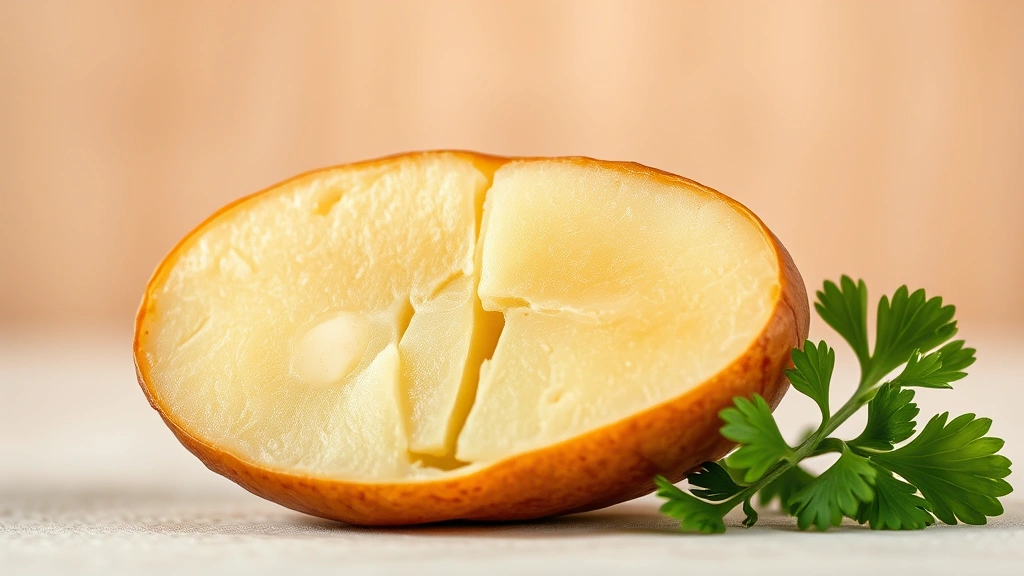
Macronutrient Profile and Caloric Content
A medium-sized potato (approximately 170 grams with skin, boiled) contains roughly 103 calories, making it one of the most calorie-efficient staple foods available. The macronutrient breakdown reveals why potatoes have sustained civilizations for centuries: they’re approximately 2% fat, 17% carbohydrates, and 2% protein by weight, with the remaining composition being water and fiber. This low-calorie density combined with substantial volume creates a genuinely satiating food that satisfies hunger without excessive energy intake.
The carbohydrate content deserves particular attention, as it represents the primary macronutrient in potatoes. However, not all potato carbohydrates are created equal. Recent research published in nutrition journals demonstrates that potatoes contain a significant proportion of resistant starch, particularly when cooled after cooking. This type of starch functions more like dietary fiber than simple glucose, providing metabolic benefits distinct from regular starches. The glycemic index of potatoes varies considerably based on preparation method, cooking time, and whether they’re consumed hot or cold.
Protein content in potatoes, while modest at approximately 2 grams per medium potato, contains all nine essential amino acids in meaningful proportions. For athletes and active individuals seeking nutrition for athletic performance optimization, potatoes provide quality carbohydrates for energy replenishment combined with amino acids for muscle recovery. The fat content is negligible unless potatoes are prepared with added oils, butter, or cream-based sauces.

Essential Vitamins and Minerals
The micronutrient density of potatoes often surprises nutrition professionals and consumers alike. A medium potato with skin provides substantial amounts of vitamin B6 (approximately 15% of daily value), supporting neurological function and amino acid metabolism. Potatoes also contain meaningful quantities of vitamin C, which supports immune function and collagen synthesis, providing about 10% of daily needs in a single medium potato.
The mineral content of potatoes is particularly impressive. Potassium represents one of the most abundant minerals, with a medium potato providing approximately 620 milligrams or roughly 18% of the adequate intake level. This potassium content supports cardiovascular health, blood pressure regulation, and proper muscle and nerve function. Potassium intake is notably low in typical Western diets, making potato consumption an accessible way to address this nutritional gap.
Manganese, another critical mineral found abundantly in potatoes, supports bone development, metabolism, and antioxidant function. A medium potato provides approximately 10% of daily manganese needs. Additionally, potatoes contain phosphorus, copper, and magnesium—minerals essential for bone health, energy production, and enzymatic function. The bioavailability of these minerals is enhanced when potatoes are consumed with their skin intact, as the skin concentrates many micronutrients.
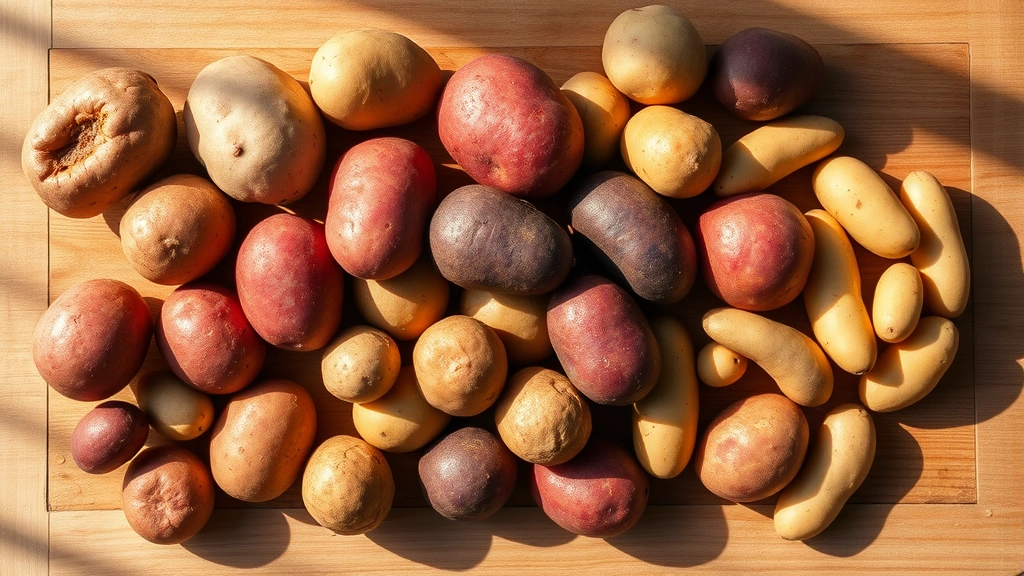
One often-overlooked aspect of potato nutrition involves their polyphenol content. Colored potatoes—particularly purple and red varieties—contain substantial anthocyanins and other flavonoid compounds with antioxidant and anti-inflammatory properties. These phytonutrients contribute to the emerging evidence linking potato consumption with improved antioxidant status and reduced oxidative stress markers.
Resistant Starch and Digestive Health
Understanding resistant starch represents a paradigm shift in potato nutrition science. Unlike regular starch, resistant starch resists digestion in the small intestine and reaches the colon intact, where beneficial bacteria ferment it. This fermentation produces short-chain fatty acids, particularly butyrate, which nourishes colonic epithelial cells and supports gut health. NIH research on resistant starch and gut bacteria has demonstrated significant metabolic and immunological benefits.
The resistant starch content of potatoes increases substantially when they’re cooked and then cooled—a process that causes starch retrogradation. A potato that contains minimal resistant starch when freshly cooked may contain 25-30% resistant starch after overnight refrigeration. This simple preparation method transforms potatoes from a readily digestible carbohydrate to a prebiotic food that actively supports digestive health. For individuals focused on dietary fiber importance for optimal health, cooled potatoes provide fiber-like benefits through resistant starch mechanisms.
The digestive benefits extend beyond resistant starch. Potatoes contain protease inhibitors that may reduce protein digestion rate, enhancing satiety. Additionally, the composition of potato starch creates a gelatinous matrix that slows gastric emptying, meaning potatoes remain in the stomach longer, promoting prolonged satiety and stable blood glucose responses.
Individuals with digestive sensitivities sometimes report that potatoes are well-tolerated compared to other starchy foods. The lack of gluten (in pure potatoes) and the low FODMAP content of most potato varieties make them suitable for various dietary approaches, including those for nutrition and mental health optimization, where gut health significantly impacts neurotransmitter production.
Potato Variety Differences
Not all potatoes offer identical nutritional profiles. Russet potatoes, the most common variety in North America, contain moderate levels of resistant starch and provide approximately 2 grams of fiber per medium potato. Their lower moisture content makes them ideal for baking and roasting, cooking methods that preserve nutrients effectively.
Red potatoes contain higher anthocyanin levels and maintain more vitamin C during cooking due to their lower starch content and faster cooking times. The thinner skin of red potatoes means less peeling is necessary, allowing consumers to retain the nutrient-dense skin more easily. Yellow potatoes like Yukon Gold offer higher carotenoid content, contributing subtle antioxidant benefits alongside their creamy texture.
Purple and blue potatoes represent the nutritional superstars of the potato family. These varieties contain dramatically elevated levels of anthocyanins—purple pigments with potent antioxidant properties. Research indicates that purple potato consumption increases plasma antioxidant capacity more substantially than other varieties. Additionally, purple potatoes may contain up to three times the antioxidant capacity of russet potatoes, making them an excellent choice for those prioritizing phytonutrient intake.
Fingerling potatoes, despite their smaller size, provide comparable nutrient density to larger varieties. Their elongated shape and naturally thin skin encourage consumption with skin intact, maximizing micronutrient intake. Waxy potatoes like fingerlings contain higher resistant starch levels and lower glycemic response compared to starchy varieties, making them particularly valuable for blood glucose management.
Preparation Methods and Nutritional Impact
Potato preparation method dramatically influences nutritional value and glycemic impact. Boiling potatoes in water causes leaching of water-soluble vitamins like vitamin C and B vitamins into the cooking water. However, boiling also reduces the glycemic index compared to other cooking methods, making it an excellent approach for blood glucose management. Boiling potatoes whole and unpeeled minimizes nutrient loss, as the skin acts as a barrier preventing vitamin leaching.
Baking potatoes in their skin preserves vitamins and minerals effectively while creating a pleasant texture. The skin becomes edible and concentrated in nutrients when baked. Microwaving potatoes represents one of the fastest cooking methods and actually preserves more vitamin C compared to conventional oven baking, likely due to the reduced cooking time.
Roasting and frying potatoes, while delicious, significantly increases caloric density through added fats. A roasted potato with added oil contains approximately 150-200 calories compared to 100 calories for a boiled potato. This difference becomes substantial when potatoes represent a significant dietary component. However, the addition of fat does enhance the absorption of fat-soluble vitamins like vitamins A, D, E, and K, and the polyphenols in potatoes.
Mashing potatoes with added butter, cream, or milk increases caloric and saturated fat content considerably. A cup of mashed potatoes prepared traditionally can contain 200-300 calories and 10-15 grams of fat compared to plain boiled potatoes. Mashing with vegetable broth or low-fat milk provides the creaminess consumers desire while maintaining a nutritional profile closer to plain potatoes.
Cooling cooked potatoes before consumption dramatically increases resistant starch content, as previously discussed. This simple technique—preparing potatoes ahead and refrigerating them—transforms their metabolic properties without any additional effort or ingredients. Potato salads prepared with vinegar-based dressings rather than mayonnaise provide the cooling benefit while maintaining lower caloric density.
Potatoes in Weight Management
Contrary to popular belief, potatoes support weight management effectively. The satiety index—a measure of how long foods keep you feeling full—ranks potatoes remarkably high, second only to boiled eggs among common foods. This exceptional satiety occurs due to several factors: the high water content, the fiber in the skin, the resistant starch content (particularly in cooled potatoes), and the protein composition.
Research published in the Proceedings of the National Academy of Sciences demonstrates that potato consumption correlates with lower overall caloric intake when potatoes replace more calorie-dense foods. Individuals who include potatoes in their diet consume fewer total calories throughout the day, despite the potatoes themselves being nutrient-dense and satisfying.
The key to potato-based weight management lies in preparation and portion control. A large baked potato with skin (approximately 300 grams) contains roughly 200 calories and provides substantial satiety. This represents an excellent foundation for a meal when paired with lean protein and vegetables. Conversely, a large serving of french fries prepared in oil contains 400-500 calories in a significantly smaller volume, providing minimal satiety and encouraging overconsumption.
For individuals implementing structured weight loss approaches, potatoes work synergistically with whole grains, lean proteins, and vegetables. The combination of carbohydrates from potatoes with protein from meat or legumes creates a nutritionally complete meal that sustains energy levels and supports metabolic function during caloric restriction.
Comparison with Other Staple Foods
Comparing potatoes with other staple carbohydrate sources reveals their competitive nutritional advantage. Rice, a global staple, contains comparable calories but significantly less fiber and micronutrient density. A cup of cooked white rice provides approximately 200 calories with minimal fiber and fewer vitamins compared to equivalent-calorie potato portions. Brown rice improves slightly on white rice but still provides less potassium and vitamin C than potatoes.
Bread and pasta, while convenient, typically contain less micronutrient density per calorie than potatoes. Whole grain versions improve the nutritional profile substantially, but even whole wheat bread contains fewer minerals and vitamins per 100 calories than potatoes. Additionally, potatoes contain no gluten, making them accessible to individuals with celiac disease or gluten sensitivity.
Comparing potatoes with nutrition facts about avocados reveals different nutritional philosophies. While avocados provide healthy fats and similar micronutrient density, they contain nearly 10 times the calories of potatoes. For individuals prioritizing satiety and micronutrient density per calorie, potatoes offer superior value. For those seeking fat-soluble vitamin sources and healthy fats, avocados complement potatoes effectively in a balanced diet.
Sweet potatoes, while nutritionally valuable, contain higher sugar content and slightly lower mineral density than white potatoes. However, sweet potatoes provide superior vitamin A content through beta-carotene, making them valuable for specific nutritional goals. The choice between white and sweet potatoes depends on individual nutritional priorities rather than one being objectively superior.
Legumes like lentils and beans provide more protein than potatoes but contain lower micronutrient bioavailability due to anti-nutrients like phytic acid. The combination of potatoes with legumes creates a complete protein profile while maximizing nutrient absorption—a traditional approach found across cultures.
FAQ
Are potatoes healthy for people with diabetes?
Potatoes can be incorporated into diabetes-friendly diets when prepared thoughtfully. The glycemic index varies substantially based on cooking method and cooling time. Boiled or cooled potatoes produce lower blood glucose responses compared to baked or fried preparations. Consuming potatoes with protein and healthy fats further reduces glycemic impact. Portion control remains essential—a small to medium potato provides carbohydrates without excessive glucose spikes. Individuals with diabetes should monitor personal responses and work with healthcare providers to determine appropriate portions.
Should potato skin always be consumed?
Yes, potato skin consumption is recommended when feasible. The skin concentrates fiber, potassium, and phytonutrients substantially. A medium potato with skin provides approximately 2 grams of fiber compared to less than 1 gram without skin. However, thoroughly washing potatoes before cooking is essential for food safety. Individuals with certain digestive conditions might benefit from occasional peeling, but generally, skin consumption maximizes nutritional value.
Do potatoes cause weight gain?
Potatoes themselves do not inherently cause weight gain. Their high satiety index actually supports weight management. Weight gain occurs when potatoes are prepared with added fats, consumed in excessive portions, or replace other nutrient-dense foods. A boiled or baked medium potato (100-120 calories) fits easily into weight loss plans. The preparation method and total caloric intake determine weight outcomes, not potato consumption per se.
What’s the best cooking method for maximum nutrition?
Boiling whole potatoes with skin intact, followed by cooling before consumption, maximizes resistant starch while minimizing nutrient loss. Baking potatoes in their skin also preserves nutrients effectively. Microwaving represents the fastest method while preserving vitamin C. Avoid prolonged boiling in excess water, which leaches water-soluble vitamins. Consuming cooled potatoes in salads or as side dishes provides additional resistant starch benefits without extra preparation.
How do potatoes compare nutritionally to other carbohydrate sources?
Potatoes provide superior micronutrient density compared to refined grains like white rice and pasta. They contain more potassium, vitamin C, vitamin B6, and manganese per 100 calories than equivalent servings of rice or bread. Whole grains provide more fiber, making them valuable for different nutritional goals. Ideally, diverse carbohydrate sources—including potatoes, whole grains, legumes, and vegetables—create nutritional completeness through varied micronutrient profiles.
Are frozen or canned potatoes nutritionally equivalent to fresh?
Frozen potatoes retain most micronutrients effectively, as freezing occurs shortly after harvest when nutrient content peaks. Nutritional differences between fresh and frozen are minimal. Canned potatoes may have added sodium for preservation, requiring rinsing before consumption to reduce sodium intake. However, the micronutrient content remains comparable to fresh potatoes. Frozen and canned potatoes offer convenience without significant nutritional compromise, making them practical options for busy individuals.