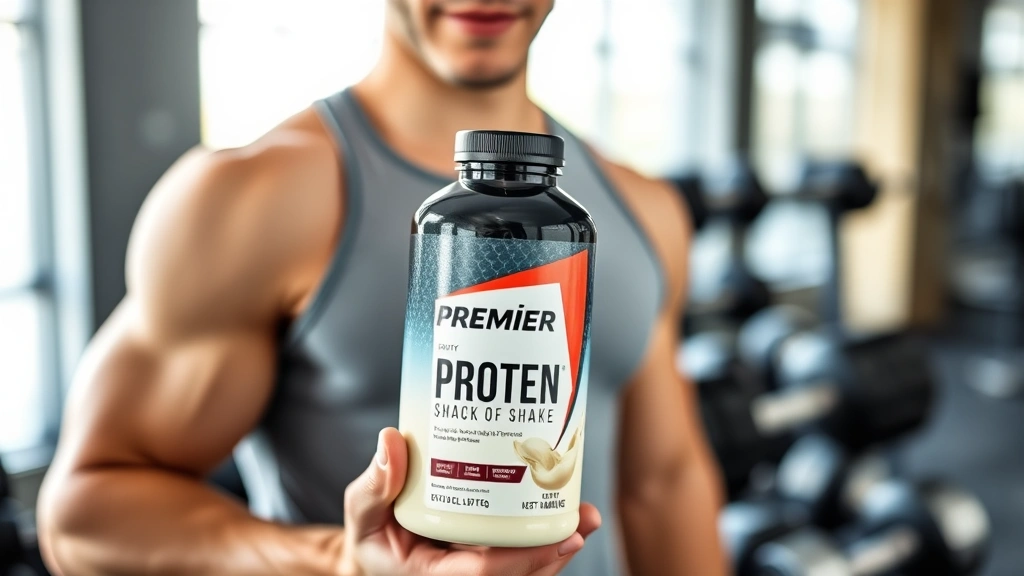
Premier Protein Shake Benefits: Expert Review & Nutritional Analysis
Premier Protein shakes have become a staple in the fitness and wellness community, offering a convenient solution for protein intake, weight management, and post-workout recovery. With over 30 grams of protein per serving and minimal sugar content, these shakes position themselves as a premium option in the crowded protein beverage market. But do they live up to the hype? This comprehensive expert review examines the nutritional profile, benefits, potential drawbacks, and real-world effectiveness of Premier Protein shakes to help you make an informed decision.
Whether you’re an athlete optimizing performance, someone pursuing weight loss, or simply looking to increase protein consumption, understanding the science behind Premier Protein’s formulation is essential. We’ll break down the ingredient list, compare it to competitors, and explore what clinical research tells us about the product’s efficacy and safety.

Premier Protein Nutritional Breakdown
Premier Protein shakes deliver a carefully engineered macronutrient profile designed to support multiple health goals simultaneously. Each standard serving contains approximately 160 calories, making it an efficient protein source for calorie-conscious consumers. The macronutrient distribution reflects a formula optimized for muscle support while maintaining metabolic efficiency.
The shake contains 30 grams of protein derived from a blend of whey isolate and concentrate, providing essential amino acids necessary for muscle protein synthesis. Carbohydrates are kept minimal at 2-3 grams net carbs, with total carbs around 5-7 grams depending on the specific product line. Fat content ranges from 1.5 to 3 grams per serving, primarily from medium-chain triglycerides and minimal saturated fat.
Micronutrient fortification includes 25% daily value of calcium, supporting bone health and muscle function, along with various B vitamins essential for energy metabolism. The inclusion of vitamins and minerals distinguishes Premier Protein from basic protein powders, positioning it as a more complete nutritional supplement. Most varieties are also lactose-free, making them accessible to individuals with lactose intolerance—a significant advantage over standard whey protein products.
When examining healthy nutrition planning, understanding the complete macronutrient profile of dietary supplements becomes crucial for achieving specific health objectives and maintaining nutritional balance throughout the day.

Protein Content & Quality
The 30-gram protein content in Premier Protein shakes represents a substantial amount relative to the serving size and calorie count. This protein-to-calorie ratio of approximately 0.19 grams per calorie is exceptionally efficient, meaning you’re getting significant protein without excessive calories—a key consideration for weight management and muscle development.
Premier Protein utilizes a blend of whey protein isolate and concentrate, which are among the highest-quality protein sources available. Whey protein contains all nine essential amino acids in optimal ratios, making it a complete protein source. The isolate component (typically 70-90% pure protein) provides rapid absorption, beneficial for post-workout recovery windows when muscles are primed for protein synthesis.
The biological value (BV) of whey protein ranks at 104, meaning it’s highly bioavailable and efficiently utilized by the body. This contrasts with plant-based proteins which typically range from 50-80 BV. The amino acid profile includes approximately 2.7 grams of leucine per serving, the primary amino acid responsible for triggering mTOR pathways that initiate muscle protein synthesis—critical for anyone engaged in nutrition for athletes optimizing performance through diet.
Third-party testing data from organizations like NSF International and INFORMED CHOICE verify that Premier Protein products contain the advertised protein quantities without contaminants, providing assurance regarding label accuracy—a significant concern in the supplement industry where mislabeling occurs in approximately 25% of products according to ConsumerLab testing.
Sugar & Carbohydrate Analysis
One of Premier Protein’s most compelling selling points is its minimal sugar content, typically containing less than 1 gram of added sugar per serving. This is achieved through the use of sugar alcohols and stevia, natural sweetening agents that provide sweetness without the glycemic impact of traditional sugar.
The primary sweetening agents used are sucralose and stevia, both non-nutritive sweeteners recognized as safe by the FDA. Sucralose (Splenda) has been extensively studied with over 100 safety studies supporting its use, while stevia offers a natural alternative for consumers preferring plant-based ingredients. The combination of both sweeteners typically provides superior taste profiles compared to single-sweetener formulations, addressing a common complaint in lower-sugar protein products.
Sugar alcohols, particularly erythritol and maltitol, may comprise a portion of the carbohydrate content. These compounds have minimal impact on blood glucose compared to regular sugar, with glycemic index values near zero. However, consuming excessive amounts of sugar alcohols can cause digestive discomfort in sensitive individuals, though typical serving sizes pose minimal risk for most consumers.
The net carb content (total carbs minus fiber) remains exceptionally low at 2-3 grams, making Premier Protein compatible with ketogenic and low-carbohydrate dietary approaches. This positions the product favorably for individuals managing blood glucose, pursuing weight loss, or maintaining metabolic flexibility. Compared to conventional protein shakes containing 20-30 grams of carbs, the carbohydrate reduction represents a significant nutritional advantage.
Key Health Benefits
Beyond basic macronutrient delivery, Premier Protein shakes offer several evidence-backed health benefits supported by nutritional science. The high protein content promotes satiety through multiple mechanisms: increased cholecystokinin (CCK) secretion, enhanced peptide YY (PYY) release, and prolonged gastric emptying—all signals that reduce appetite and increase fullness perception.
Research published in the American Journal of Clinical Nutrition demonstrates that protein-rich beverages reduce subsequent calorie intake by 10-15% compared to isocaloric carbohydrate beverages. This appetite-suppressing effect makes Premier Protein particularly valuable as a meal replacement or snack for individuals pursuing weight loss goals, where adherence to calorie deficits proves challenging.
The shakes support dietary fiber intake in some formulations through added inulin or chicory root fiber, promoting digestive health and glycemic stability. Fiber intake correlates strongly with metabolic health, cardiovascular function, and healthy body weight maintenance across numerous epidemiological studies.
Muscle preservation during caloric restriction represents another significant benefit. Adequate protein intake (1.6-2.2 grams per kilogram body weight) during weight loss preserves lean muscle mass while maximizing fat loss. Premier Protein’s 30-gram protein content helps meet these requirements in a single convenient serving, supporting body composition improvements during weight loss phases.
Weight Management & Satiety Effects
The weight management applications of Premier Protein shakes extend beyond simple calorie reduction. The high protein concentration stimulates thermogenesis—the thermic effect of food (TEF)—consuming approximately 20-30% of protein calories during digestion, compared to 5-10% for carbohydrates and 0-3% for fats. This metabolic advantage translates to approximately 30-40 additional calories burned daily when replacing standard beverages with protein shakes.
For individuals pursuing structured weight loss, replacing one meal daily with a Premier Protein shake typically results in 500-700 calorie deficits, translating to 1-1.5 pounds of weekly weight loss when combined with moderate dietary adherence. Clinical trials demonstrate that protein-based meal replacements produce superior weight loss outcomes compared to standard calorie restriction alone, with better appetite control and improved compliance rates.
The low sugar content prevents reactive hypoglycemia and blood glucose crashes that trigger hunger signals and fatigue. Stable blood glucose throughout the day supports consistent energy levels and reduces cravings for high-calorie snacks, creating a virtuous cycle of improved dietary adherence and sustained weight loss.
Long-term weight maintenance improves significantly with elevated protein intake. Studies tracking individuals post-weight loss show that those consuming 1.2+ grams of protein per kilogram body weight experience 50% lower weight regain rates compared to standard protein intake groups. Premier Protein facilitates achieving these elevated protein targets conveniently.
Athletic Performance & Recovery Support
For athletes and fitness enthusiasts, Premier Protein shakes address critical recovery and performance nutrition needs. Post-workout protein consumption initiates muscle protein synthesis, particularly when combined with resistance training. The 30-gram protein content exceeds the minimum effective dose (20 grams) for maximal muscle protein synthesis in most individuals, ensuring optimal anabolic stimulus.
The amino acid composition supports multiple performance mechanisms: leucine activates mTOR signaling for muscle growth, while branched-chain amino acids (BCAAs) prevent catabolism during intense training periods. The complete amino acid profile supports not only muscle hypertrophy but also immune function, which becomes suppressed during high-volume training blocks.
Convenience represents an underestimated performance advantage. Athletes requiring rapid post-workout nutrition benefit significantly from ready-to-drink formulations that require no preparation. This accessibility supports adherence to recovery protocols that demand protein consumption within 30-120 minutes post-exercise for optimal muscle protein synthesis rates.
The minimal carbohydrate content suits athletes pursuing body composition goals while maintaining performance. For weight-class sports, endurance athletes managing body weight, or physique competitors, Premier Protein provides high protein with minimal caloric or glycemic contribution, supporting lean mass retention during cutting phases.
Ingredient Quality & Safety
Premier Protein’s ingredient list reflects careful formulation prioritizing clean label principles while maintaining taste and mixability. Beyond whey protein, the formulation includes minimal additives, with most varieties containing fewer than 10 total ingredients—significantly fewer than competing products.
The inclusion of medium-chain triglycerides (MCTs) provides several functional benefits: improved satiety, enhanced cognitive function, and preferential oxidation for energy rather than storage as body fat. MCTs bypass normal fat digestion pathways, providing rapid energy availability and supporting ketogenic dietary approaches.
Digestive enzyme supplementation in some Premier Protein formulations (including protease, amylase, and lipase) supports nutrient absorption and reduces digestive discomfort. While the body produces adequate digestive enzymes independently, supplemental enzymes may provide marginal benefits for individuals with compromised digestive function or those consuming multiple protein servings daily.
The absence of artificial colors, artificial flavors (in most varieties), and minimal preservatives distinguishes Premier Protein from lower-quality competitors. The company maintains transparent ingredient sourcing, providing assurance regarding supply chain integrity and manufacturing standards. Third-party certifications from NSF International verify that products meet rigorous manufacturing standards and contain no banned substances—critical for competitive athletes subject to testing.
Allergen considerations include whey (dairy) content, making the product unsuitable for vegans or individuals with dairy allergies. However, the lactose-free formulation accommodates lactose-intolerant individuals, expanding accessibility compared to standard whey protein products.
Taste, Texture & Mixability
Product efficacy means little if taste and convenience prevent consistent consumption. Premier Protein shakes have earned recognition for superior taste compared to typical protein beverages, with flavor profiles ranging from chocolate and vanilla to more sophisticated varieties like salted caramel and strawberry.
The formulation achieves palatable taste without excessive sweetness, a notable achievement in low-sugar beverages where sweetener aftertaste commonly presents challenges. The combination of sucralose and stevia creates a more complex sweetness profile that avoids the metallic or chemical aftertaste associated with single-sweetener formulations.
Mixability varies by product format: ready-to-drink bottles require no preparation, while powder formulations mix readily with water, milk alternatives, or incorporated into smoothies. The powder texture remains smooth without gritty mouthfeel, indicating superior protein processing and particle size optimization. Shaking for 10-15 seconds typically produces homogeneous mixtures without clumping—superior to many competing powders requiring extensive blending.
The ready-to-drink format provides unparalleled convenience for busy professionals, post-workout consumption at gyms, and travel scenarios where preparation isn’t feasible. While slightly more expensive per serving than powder, the convenience premium justifies the cost for many consumers prioritizing adherence and consistency.
Potential Concerns & Drawbacks
Despite significant strengths, Premier Protein shakes present several considerations warranting discussion. The reliance on whey protein excludes vegans and individuals with dairy allergies, though dairy-free alternatives from the company address this limitation to some degree.
Cost represents a legitimate concern for budget-conscious consumers. Premier Protein shakes typically cost $2-3 per serving (powder) or $2.50-4 per ready-to-drink bottle, higher than generic protein powders. However, when considering convenience, taste, complete micronutrient fortification, and quality assurance, the premium pricing reflects genuine value differentiation rather than pure marketing.
Some consumers report mild digestive symptoms including bloating or stomach upset, though these effects vary individually and often resolve with consistent consumption as digestive adaptation occurs. Individuals with particularly sensitive digestive systems may prefer alternative products or smaller initial servings to assess tolerance.
The sweetener content, while safe at approved levels, may concern individuals pursuing complete artificial additive avoidance. Those prioritizing minimal-ingredient products might prefer unsweetened whey protein or whole food protein sources, though this sacrifices convenience and taste advantages.
Nutritional dependence on supplement products rather than whole foods represents a philosophical consideration. While Premier Protein effectively supplements diets, it shouldn’t completely replace whole food protein sources like eggs, fish, poultry, and legumes, which provide additional micronutrients, phytonutrients, and fiber absent in isolated protein products.
How Premier Protein Compares to Alternatives
Understanding Premier Protein’s competitive positioning requires comparing it to major alternatives across several dimensions. Compared to generic whey protein powders, Premier offers superior taste, complete micronutrient fortification, and third-party quality verification—advantages justifying the price premium for many consumers.
Against plant-based protein alternatives (pea, hemp, rice), Premier’s whey formulation provides superior amino acid profiles, higher bioavailability, and generally superior taste, though plant-based options better accommodate dietary restrictions. The choice depends on individual priorities regarding ethics, allergies, and performance optimization.
Relative to meal replacement shakes (Huel, Soylent), Premier Protein provides higher protein concentration with minimal calories, making it superior for protein supplementation but less comprehensive as complete meal replacement. Premier works optimally as a supplement within broader nutrition strategies rather than as a meal replacement system.
Compared to whole food alternatives like Greek yogurt (20 grams protein, 100 calories) or cottage cheese (25 grams protein, 110 calories), Premier Protein matches protein content with superior convenience and superior taste for many consumers, though whole foods provide additional micronutrients and satiety benefits from solid food consumption.
The ready-to-drink format directly competes with competitors like Isopure and Muscle Milk, where Premier typically offers superior taste profiles and cleaner ingredient lists, though Isopure provides higher protein concentration (40 grams) for those prioritizing maximum protein per serving.
For nutrition and mental health considerations, the stable blood glucose provided by Premier’s minimal sugar content supports cognitive function and mood stability compared to conventional high-sugar beverages, offering advantages extending beyond simple physical performance metrics.
Reviewing the nutrition facts about avocados and other whole food sources provides useful context for understanding how supplemental products like Premier Protein integrate within comprehensive dietary approaches emphasizing whole food primacy while leveraging supplements strategically.
The Nutrients Pathway Blog provides ongoing discussions of protein supplementation strategies, comparative product analysis, and evidence-based nutrition guidance for individuals optimizing their dietary approaches.
Frequently Asked Questions
How much protein do I actually need daily?
Recommended dietary allowance (RDA) suggests 0.8 grams per kilogram body weight for sedentary individuals. However, active individuals and those pursuing weight loss benefit from 1.2-2.2 grams per kilogram. A 180-pound (82 kg) active person would target 98-180 grams daily, where 2-3 Premier Protein shakes contribute meaningfully toward these targets.
Is Premier Protein suitable for meal replacement?
While Premier Protein effectively supplements nutrition, it shouldn’t completely replace balanced meals due to limited micronutrient variety and absence of whole food benefits like phytonutrients and fiber. One meal replacement daily within a balanced diet proves sustainable for many consumers; complete meal replacement risks nutritional gaps.
Can Premier Protein support weight loss?
Yes, when consumed strategically within caloric deficits. Replacing standard beverages or one meal daily with Premier Protein typically creates 500-700 calorie daily deficits supporting 1-1.5 pounds weekly weight loss. The appetite-suppressing effects further support adherence to caloric restriction.
Are there any side effects from regular consumption?
Most individuals tolerate Premier Protein well with minimal side effects. Some experience mild digestive symptoms initially, typically resolving with consistent consumption. Individuals with dairy allergies must avoid whey-based formulations. Excessive consumption (beyond 3-4 servings daily) may cause digestive discomfort in sensitive individuals.
How does Premier Protein compare nutritionally to whole food protein?
Premier Protein provides superior convenience and taste with comparable protein content to whole foods like chicken (35g per 100g) or eggs (13g per egg). However, whole foods provide additional micronutrients, fiber, and satiety benefits from solid food consumption. Optimal nutrition combines both approaches strategically.
Is the protein in Premier Protein complete?
Yes, whey protein contains all nine essential amino acids in optimal ratios, making it a complete protein source. This distinguishes it from plant-based proteins, which often lack one or more essential amino acids unless specifically combined.
Can athletes use Premier Protein for post-workout recovery?
Absolutely. The 30-gram protein content exceeds the minimum effective dose (20 grams) for maximal muscle protein synthesis post-exercise. Consuming within 30-120 minutes post-workout optimizes recovery signaling, making Premier Protein an excellent post-workout nutrition option.
Is Premier Protein suitable for individuals with sensitive digestion?
Most individuals tolerate Premier Protein well, though those with sensitive digestion may benefit from starting with smaller servings (half-serving) to assess tolerance. The inclusion of digestive enzymes in some formulations may provide additional benefits for sensitive individuals.
How does Premier Protein fit into ketogenic diets?
Excellently. The 2-3 grams net carbs per serving maintains ketosis without interfering with metabolic adaptation. The protein and fat content supports satiety on ketogenic approaches, making Premier Protein a valuable supplement for keto-adherent individuals.
What’s the difference between Premier Protein powder and ready-to-drink versions?
Nutritionally, they’re comparable, though ready-to-drink versions cost slightly more per serving. Powder offers flexibility for smoothie incorporation and cost efficiency, while ready-to-drink provides maximum convenience requiring no preparation. Choose based on lifestyle priorities.


