
Table of Contents
Introduction
Here’s a question that keeps coming up in every gym conversation: exactly how much protein do you need to actually build muscle? And when should you be eating it? Whether you’ve been lifting for years or you’re just getting started, figuring out protein intake can feel like solving a puzzle with missing pieces. The internet’s full of conflicting advice, so let’s cut through the noise and get to what really works.
Think of protein as your muscle’s repair crew. Every time you train, you’re creating tiny tears in your muscle fibers (don’t worry—that’s exactly what you want). But here’s the thing: without enough protein, your body can’t fix those tears properly. The result? Slower gains, longer recovery times, and that frustrating feeling of spinning your wheels. Research shows that getting the right amount of protein at the right times can seriously boost muscle synthesis. If you’re training regularly, understanding nutrition for athletes gives you the roadmap for fueling your workouts and recovery like a pro.
Now, let’s talk protein sources. You’ve got options—lots of them. Animal proteins, plant proteins, and everything in between. With more people going plant-based these days (for health, environmental, or personal reasons), you might be wondering if you can build serious muscle without meat. Spoiler alert: you absolutely can. A solid guide to plant-based protein sources will show you how to get all those essential amino acids your muscles crave, no matter what your dietary style looks like. The key is variety and knowing which combos work best.
And here’s something that might surprise you: what you eat after your workout matters just as much as how much protein you’re getting overall. The right post workout recovery foods don’t just help repair muscle—they refill your energy tank and prep you for tomorrow’s session. When you nail both the timing and quality of your nutrition, everything clicks: faster recovery, better performance, bigger gains.
What You’ll Learn in This Guide
We’re going to break down everything you need to know about protein and muscle building. No fluff, no confusing science-speak—just practical info you can use starting today. Here’s what we’ll cover:
- Understanding Protein’s Role: Why your muscles absolutely need protein to grow, and how amino acids trigger the repair process after you train. We’ll keep the science simple but give you the why behind the what.
- Determining Your Protein Needs: How to calculate your daily protein target based on your weight, goals, and how hard you’re training. No more guessing—you’ll know exactly what your body needs.
- Choosing the Best Protein Sources: The best animal and plant proteins for muscle growth, plus how to mix and match them based on your preferences and lifestyle. Quality matters, and we’ll show you what to look for.
- Timing Your Protein Intake: When to eat protein for maximum muscle building—before workouts, after workouts, and throughout the day. Timing isn’t everything, but it can give you an edge.
Ready to dive in? We’ll also explore the benefits of a high protein diet beyond just building muscle—think better body composition, stronger bones, and more stable energy levels. Plus, if you’re trying to lose fat while building muscle (the holy grail, right?), we’ll connect you with healthy meal plans for weight loss that keep your protein high while creating the calorie deficit you need.
Your muscle-building journey starts with understanding protein—how it works, how much you need, and when to eat it. Master these basics, and you’ll train smarter, recover faster, and see the results you’re working so hard for. Let’s get into the science and strategy behind protein that actually builds muscle.
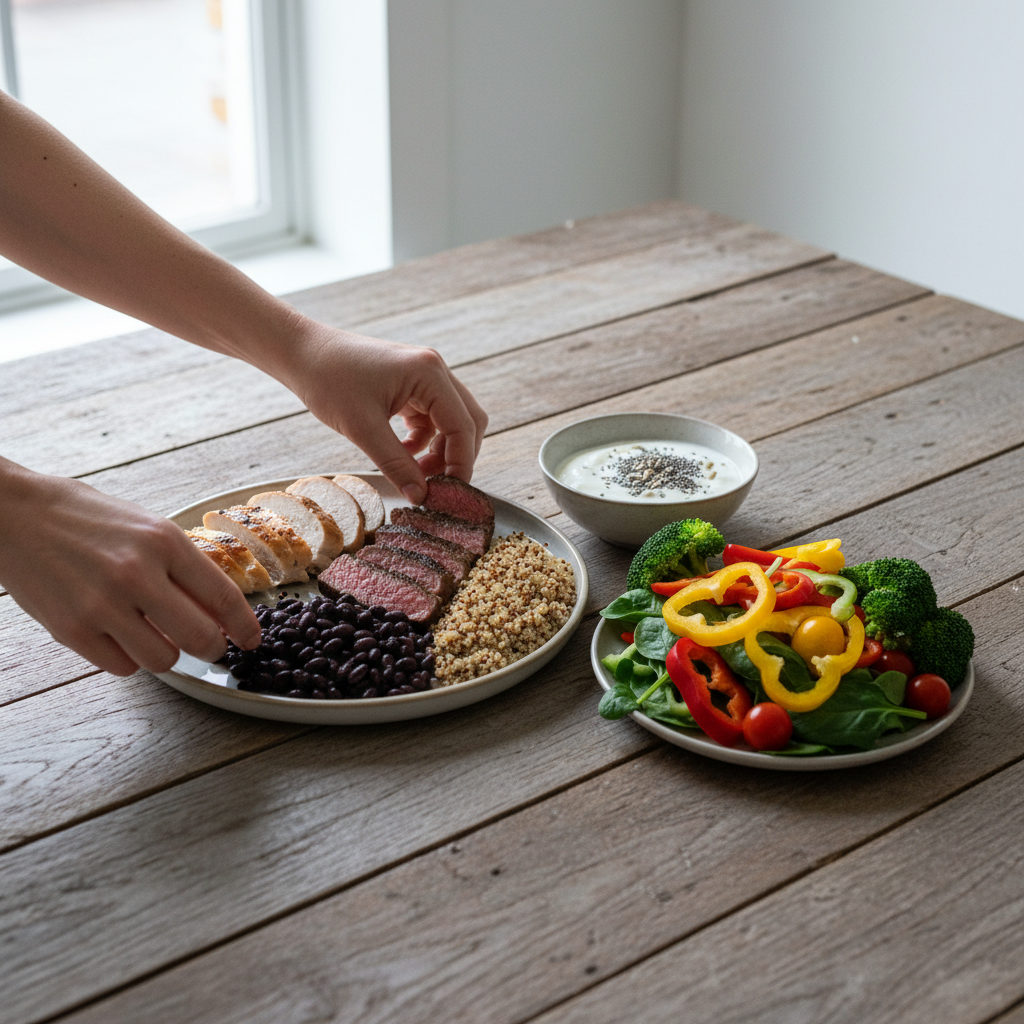
Want to build muscle effectively? It’s not just about eating protein—though that’s definitely important. The real game-changer is understanding how much you need and when to eat it for maximum gains and recovery. Here’s the thing: protein gets all the spotlight as the muscle-building superstar (and rightfully so), but we’re going to dig deeper into the nitty-gritty of optimizing your intake. Whether you’ve been hitting the gym for years or you’re just getting serious about fitness, nailing down your protein strategy based on your body weight, how hard you train, and timing can completely transform your results. Ready to learn how to fuel your muscles the right way and see real progress in both strength and size?
Why Protein is Essential for Muscle Building
Think of protein as your muscle’s repair crew. After you crush a workout, your muscle fibers have tiny tears (don’t worry—that’s totally normal and necessary). Protein swoops in with amino acids that act like building materials to fix those tears and make your muscles stronger than before. But here’s where it gets interesting: it’s not just about repair. Protein actually kicks your muscle protein synthesis into high gear, which is basically your body’s way of saying “let’s build some muscle.” The research backs this up—consistent protein intake doesn’t just help you recover faster, it actually increases your muscle-building potential. Want to dive deeper into how nutrition impacts athletic performance? Check out this guide on Nutrition for Athletes.
Now, not all protein is created equal. Quality matters—a lot. High-quality proteins pack all the essential amino acids your muscles crave, especially leucine (think of it as the muscle-building MVP). When you combine the right protein with smart timing around your workouts, magic happens. Your muscles adapt faster, recover quicker, and grow stronger. And here’s a pro tip: don’t forget about the supporting cast—proper hydration and getting enough calories overall can make your protein work even harder for you. If you’re curious about plant-based options that can still deliver serious muscle-building results, you’ll love this breakdown of Plant-Based Protein Sources.
Key Aspects of Protein’s Role in Muscle Building
Let’s break down exactly how protein works its muscle-building magic:
- Muscle Repair Mechanisms: Those amino acids are like a construction crew, fixing the microscopic damage from your workouts and getting you back to the gym faster with less soreness.
- Muscle Synthesis Stimulation: Leucine and other amino acids flip the switch on muscle protein synthesis—basically telling your body “time to build some muscle!”
- Protein Quality and Source: Animal proteins like chicken, beef, eggs, and dairy are complete packages with all amino acids included. Plant-based? You can absolutely make it work by mixing different sources.
- Synergistic Nutritional Factors: Protein works best when it’s part of the team—enough calories, carbs for energy, and staying hydrated all help protein do its job better.
Once you understand how these pieces fit together, you can tailor your approach for maximum muscle-building success. Speaking of tailoring your approach—let’s talk numbers.
How Much Protein Do You Need?
Okay, here’s where things get practical. Your protein needs aren’t one-size-fits-all—they depend on your weight, how intensely you train, and what you’re trying to achieve. The sweet spot for most people building muscle? Somewhere between 1.6 to 2.2 grams per kilogram of body weight daily. That gives you a solid framework, but feel free to adjust based on how hard you’re training and how well you recover. If you’re also working on losing fat while building muscle, the strategies in Portion Control for Weight Loss can help you dial in your overall approach.
But here’s something most people miss: it’s not just about hitting your daily total. Spread that protein throughout the day in multiple meals and snacks. Think of it like keeping a steady supply line to your muscles rather than dumping everything at once. This approach keeps muscle protein synthesis humming along all day. And if you’re cutting calories to lose fat? You might want to bump your protein up a bit to protect that hard-earned muscle while you shed pounds. Just don’t go overboard—your kidneys will thank you for staying reasonable. By the way, if you’re interested in optimizing when you eat for better results, Best Time to Eat for Weight Loss has some eye-opening insights.
Key Factors to Calculate Your Protein Needs
Getting your protein numbers right means considering these important factors:
- Body Weight and Lean Mass: Base your calculations on your actual weight or, even better, your lean body mass—after all, we’re feeding muscle, not fat.
- Activity Level and Training Intensity: Training like a beast? You’ll need more protein to match that intensity and support all the repair work your muscles need.
- Specific Goals (Gain vs. Loss): Building muscle? Aim higher. Cutting fat? Go a bit higher still to protect your gains while you lean out.
- Meal Frequency and Distribution: Spread it out evenly throughout the day—your muscles prefer a steady supply over feast or famine.

Here’s the thing about protein—it’s basically your muscles’ best friend. When you work out, you’re creating tiny tears in your muscle fibers (sounds scary, but it’s totally normal). Protein swoops in like a repair crew, fixing those microtears and making your muscles stronger than before. Pretty cool, right? But here’s where it gets personal: your protein needs aren’t the same as your gym buddy’s. Your body weight, how hard you train, whether you’re trying to bulk up or lean out—all of this matters when figuring out how much protein you actually need.
Now, let’s talk about where to get this muscle-building magic. You’ve got your classic options like chicken, beef, eggs, and dairy. But don’t sleep on plant-based sources either—legumes, nuts, and soy can absolutely get the job done. The secret sauce? Mix it up. Your body loves variety, and combining different protein sources gives you all those essential amino acids your muscles crave. And timing? It matters more than you might think. Getting some protein before and after your workouts is like giving your muscles VIP treatment—they recover faster and grow stronger.
Ready to put this into action? Start by crunching the numbers on your personal protein needs based on your weight, training style, and goals. Our Nutrition for Athletes guide breaks this down perfectly for your specific workout demands. Want to explore beyond meat? Our Plant-Based Protein Sources guide has some seriously good options you probably haven’t tried yet. And don’t forget about that workout timing we mentioned—check out our Post Workout Recovery Foods guide for the inside scoop on fueling your recovery.
If you’re trying to lose fat while keeping your hard-earned muscle, portion control becomes your new best friend. Our Portion Control for Weight Loss resource shows you how to cut calories without sacrificing your gains. Speaking of keeping muscle during a cut, our How to Maintain Muscle Mass guide has strategies that actually work. Meal planning feeling overwhelming? We’ve got you covered with practical Tips for Meal Planning that’ll make your life so much easier. And if you want the bigger picture on why protein rocks beyond just muscle building, this external insight on the benefits of a high protein diet covers everything from energy levels to overall wellness.
Look, building muscle isn’t rocket science, but it does require some strategy. Get your protein intake dialed in, stay consistent with your training, and be patient with the process. Your muscles didn’t get built in a day, and they won’t transform overnight either. But here’s what I know: when you combine smart protein choices with consistent effort, amazing things happen. You’ll feel stronger, look better, and honestly? You’ll probably sleep better too. You’ve got all the tools now—time to put them to work.
Frequently Asked Questions
-
How much protein should I eat per day for muscle gain?
- Most people do well with 1.6–2.2 grams per kilogram of body weight. So if you weigh 70kg, you’re looking at roughly 112-154 grams daily—that’s totally doable with some planning.
-
Can I build muscle without protein supplements?
- Absolutely. Real food is king here. Whether you’re team chicken breast or team chickpeas, whole food sources can easily meet your protein goals without touching a powder.
-
Is it safe to consume high amounts of protein?
- Like most things in life, balance matters. Going overboard with protein can stress your kidneys and throw off other nutrients. Stick to what your body actually needs based on your goals and health status.
-
When is the best time to consume protein for muscle growth?
- Around your workouts is prime time, especially after you finish training. Think of it as giving your muscles exactly what they need when they need it most for repair and growth.