Quarter Pounder Nutritional Info: A Dietitian’s Complete Review
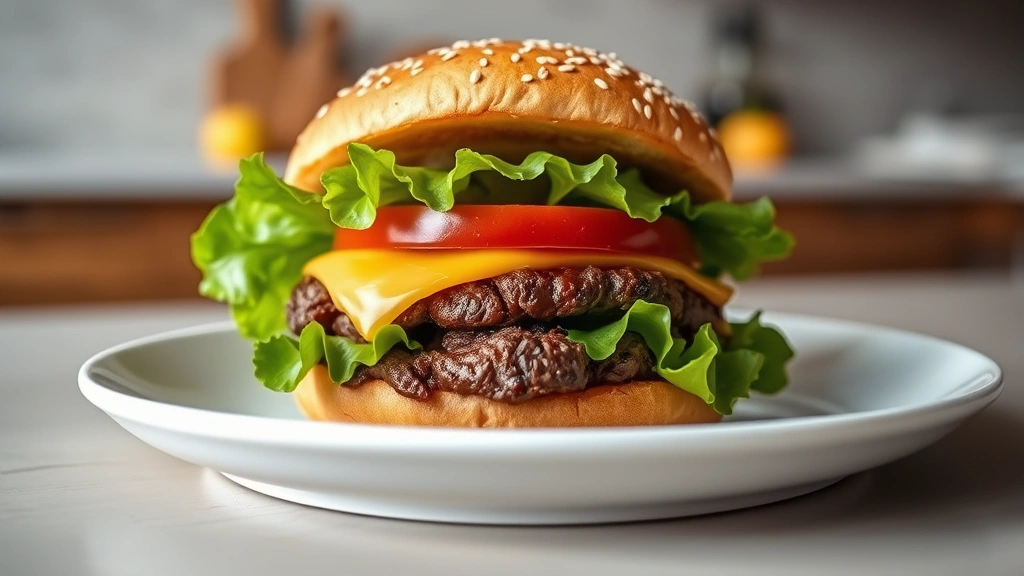
The Quarter Pounder has become an iconic fast-food staple, with McDonald’s versions generating significant consumer interest over the past decade. Whether you’re evaluating this burger for occasional indulgence or trying to understand its place within a balanced diet, understanding the quarter pounder nutritional info is essential for making informed food choices. This comprehensive dietitian review breaks down calories, macronutrients, micronutrients, and practical strategies for incorporating this menu item responsibly.
Fast-food burgers occupy a complicated space in modern nutrition conversations. While they’re convenient and satisfying, their nutritional density often raises concerns among health professionals. Quarter pounders specifically contain significant amounts of protein and fat, making them more calorie-dense than many people realize. Our analysis examines the actual quarter pounder nutritional info across different preparations, helping you understand what you’re consuming and how it fits within various dietary approaches.
Calories and Macronutrient Breakdown
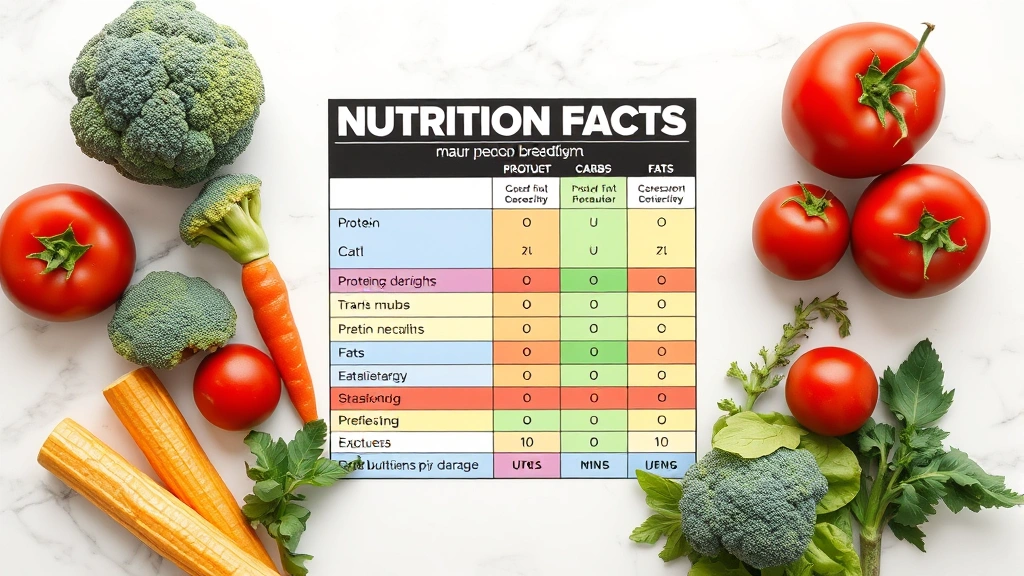
A standard McDonald’s Quarter Pounder with Cheese contains approximately 520 calories, though this varies slightly depending on regional preparation and recent menu updates. Breaking down the macronutrient profile reveals why this burger packs such caloric density: roughly 28 grams of protein, 28 grams of fat, and 41 grams of carbohydrates.
The protein content deserves particular attention. At nearly 28 grams per sandwich, a Quarter Pounder provides substantial protein—equivalent to roughly 4.5 ounces of lean meat. For context, this represents approximately 56% of the daily value for protein in a 2,000-calorie diet. The beef patty itself contributes the majority of this protein, making Quarter Pounders relatively protein-rich compared to other fast-food burger options.
Fat composition tells a more complex story. The 28 grams of total fat breaks down into approximately 10-11 grams of saturated fat, with the remainder coming from unsaturated sources. The cheese contributes additional saturated fat, while the beef patty contains both saturated and unsaturated fats. This fat content provides satiety—the feeling of fullness that keeps you satisfied longer—but also contributes significantly to the caloric load.
Carbohydrates arrive primarily through the bun, which contains refined grains. These 41 grams of carbs include minimal fiber (typically 2 grams), meaning the carbohydrate quality is relatively low. This composition can cause rapid blood sugar spikes, particularly concerning for individuals managing diabetes or prediabetes. Understanding this macronutrient balance helps explain why a Quarter Pounder feels satisfying despite its caloric density.
Sodium and Saturated Fat Concerns
Perhaps the most significant dietary concern with Quarter Pounders involves sodium content. A single Quarter Pounder with Cheese delivers approximately 1,090 milligrams of sodium—nearly half the recommended daily intake of 2,300 milligrams. For individuals following healthy nutrition plans, this single menu item represents a substantial sodium load.
The American Heart Association emphasizes that excessive sodium consumption correlates with elevated blood pressure, increased cardiovascular disease risk, and kidney stress. Consuming a Quarter Pounder with Cheese essentially exhausts nearly 50% of your daily sodium allowance in a single meal, leaving limited room for other foods without exceeding recommended limits. This becomes particularly problematic when combined with other processed foods throughout the day.
Saturated fat presents a secondary concern. The 10-11 grams of saturated fat represents approximately 50-55% of the recommended daily limit (20 grams for a 2,000-calorie diet). Dietary guidelines suggest limiting saturated fat to 5-6% of total daily calories. A Quarter Pounder alone pushes most people toward or beyond this threshold before consuming additional meals.
Research from the American Heart Association indicates that high saturated fat intake correlates with increased LDL cholesterol levels, a significant cardiovascular risk factor. However, it’s worth noting that not all saturated fats affect individuals identically—genetic factors, overall diet quality, and lifestyle habits all influence how your body responds to saturated fat consumption.
The combination of high sodium and saturated fat makes Quarter Pounders particularly challenging for individuals with hypertension, heart disease, or elevated cholesterol. These individuals should approach this menu item cautiously and consider modifications or less frequent consumption.
Micronutrients and Vitamins
Beyond macronutrients, Quarter Pounders provide various micronutrients, though the profile is somewhat limited. A Quarter Pounder with Cheese delivers meaningful amounts of iron (approximately 25% of daily value), zinc (roughly 30% of daily value), and B vitamins, particularly B12 from the beef.
Iron content proves particularly valuable for vegetarians and vegans who cannot obtain this nutrient from animal sources. The heme iron found in beef is more bioavailable (better absorbed) than non-heme iron from plant sources, making the Quarter Pounder a reasonably efficient iron source. Zinc similarly supports immune function, wound healing, and protein synthesis—all crucial physiological processes.
The B vitamin content includes B12, which is essential for nerve function and red blood cell formation. This vitamin occurs naturally only in animal products, making beef-based burgers valuable for individuals avoiding meat and concerned about B12 deficiency. A Quarter Pounder provides approximately 15-20% of the daily B12 requirement.
However, the micronutrient profile has notable gaps. Quarter Pounders contain minimal calcium (the cheese provides some, but not substantial amounts), negligible vitamin C, and virtually no fiber. This nutrient-sparse profile reflects the processed nature of the ingredients—the beef patty, refined grain bun, and processed cheese contribute little in terms of beneficial plant compounds, antioxidants, or dietary fiber.
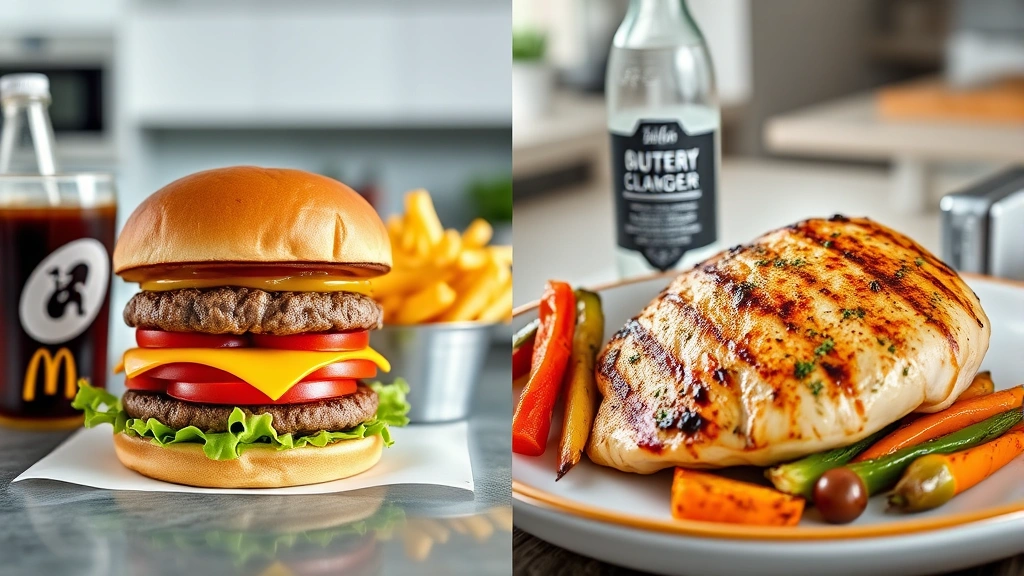
When evaluating quarter pounder nutritional info comprehensively, the micronutrient contribution is modest relative to the caloric cost. You could obtain equivalent iron, zinc, and B vitamins from a grilled chicken breast with vegetables and whole grains while consuming fewer calories and less sodium.
How Quarter Pounders Compare
Contextualizing Quarter Pounder nutrition requires comparing similar fast-food options. A Burger King Whopper contains approximately 660 calories and 1,080 milligrams of sodium—slightly higher in calories but comparable in sodium. A Wendy’s Dave’s Single provides about 540 calories with 1,000 milligrams of sodium. These comparisons reveal that Quarter Pounders occupy a moderate position within the fast-food burger landscape.
When compared to grilled chicken sandwiches, the contrast becomes more pronounced. A McDonald’s Grilled Chicken Sandwich contains approximately 400 calories and 1,040 milligrams of sodium. While the sodium remains high (a consistent fast-food challenge), the caloric savings are significant. However, the grilled chicken option provides less protein and iron than the Quarter Pounder.
Plant-based alternatives present an interesting comparison point. Many fast-food chains now offer plant-based burgers, though their nutritional profiles often surprise consumers. These alternatives frequently match or exceed Quarter Pounder calorie counts while providing less protein. They also contain comparable sodium levels, suggesting that sodium reduction remains challenging across the fast-food industry regardless of protein source.
For individuals following nutrition solutions within specific dietary frameworks, Quarter Pounders present mixed implications. Low-carb dieters appreciate the 28 grams of protein but must account for the 41 grams of carbohydrates. Keto adherents would find this burger problematic due to carb content. Low-fat dieters would reject the 28 grams of total fat. The burger works best within flexible, balanced approaches to nutrition.
Integrating Into Your Diet
The critical question many people ask: can Quarter Pounders fit within a healthy diet? The answer is nuanced. Occasional consumption—perhaps once monthly—poses minimal concern for most healthy adults without cardiovascular disease or hypertension. The key lies in understanding portion control and frequency.
For regular consumption (weekly or more frequent), Quarter Pounders present challenges. The sodium content alone makes weekly Quarter Pounder consumption problematic for anyone monitoring sodium intake. Combined with other processed foods (which comprise much of the modern diet), weekly Quarter Pounder consumption virtually guarantees exceeding optimal sodium levels.
However, a single Quarter Pounder can fit within a 2,000-calorie daily diet, representing approximately 26% of daily calories. When balanced with lower-calorie, nutrient-dense meals (breakfast with oatmeal and berries, dinner with grilled fish and vegetables), a Quarter Pounder becomes manageable. The key is intentional planning rather than casual indulgence.
Individuals should also consider their baseline health status. Those with hypertension, heart disease, or elevated cholesterol should approach Quarter Pounders more cautiously, ideally limiting consumption to occasional treats and modifying the burger as discussed below. Those with healthy blood pressure and cholesterol levels have more flexibility, though moderation remains advisable.
The psychological dimension matters too. For many people, completely restricting favorite foods creates unsustainable stress and increases the likelihood of binge eating. Strategic, occasional Quarter Pounder consumption can satisfy cravings while maintaining overall dietary quality. This approach aligns with tips for meal planning that emphasize balance and sustainability over rigid restriction.
Making Healthier Modifications
If you enjoy Quarter Pounders but want to optimize their nutritional profile, several modifications reduce calories, sodium, and saturated fat without eliminating the burger entirely.
Request No Cheese: Eliminating the cheese slice removes approximately 80-100 calories and 5-6 grams of saturated fat, while also reducing sodium by roughly 300 milligrams. This modification drops the total to approximately 420 calories with significantly improved nutritional metrics.
Choose a Smaller Size: McDonald’s offers a McDouble or regular hamburger as lower-calorie alternatives. A regular hamburger contains approximately 250 calories and 540 milligrams of sodium—roughly half the Quarter Pounder’s impact. While protein content decreases to approximately 12 grams, the overall nutritional burden diminishes substantially.
Add Vegetables: Request additional lettuce, tomato, and onion. These additions provide minimal calories while increasing fiber content, water content, and micronutrient density. The increased volume also enhances satiety, potentially reducing overall meal consumption.
Skip the Fries: This seemingly obvious suggestion deserves emphasis. A medium order of McDonald’s fries adds approximately 320 calories and 246 milligrams of sodium. Eliminating fries and substituting an apple slice or side salad transforms the nutritional profile dramatically.
Beverage Choices: Choosing water, unsweetened iced tea, or black coffee instead of regular soda eliminates 200+ empty calories and 50+ grams of added sugar. This single modification often provides greater caloric savings than any burger modification.
Pair with Nutrients: If consuming a Quarter Pounder, balance it with nutrient-dense foods. Include vegetables at other meals, ensure adequate whole grain consumption, and prioritize fruits and legumes throughout the day. This approach creates nutritional balance despite the burger’s processed nature.
FAQ
How many calories are in a Quarter Pounder with Cheese?
A McDonald’s Quarter Pounder with Cheese contains approximately 520 calories. This represents roughly 26% of a standard 2,000-calorie daily diet. Calorie content may vary slightly by location and preparation methods.
Is a Quarter Pounder healthy?
Whether a Quarter Pounder qualifies as “healthy” depends on frequency and individual health status. Occasional consumption (monthly or less) poses minimal concern for most healthy adults. Regular consumption (weekly or more frequent) presents challenges due to high sodium and saturated fat content. Individuals with hypertension or heart disease should consume Quarter Pounders infrequently if at all.
How much sodium does a Quarter Pounder contain?
A Quarter Pounder with Cheese contains approximately 1,090 milligrams of sodium—nearly 47% of the recommended daily limit of 2,300 milligrams. This high sodium content represents the burger’s most significant nutritional concern.
What is the protein content?
A Quarter Pounder with Cheese provides approximately 28 grams of protein, representing roughly 56% of the daily value. This protein content ranks relatively high among fast-food burger options.
Can I eat a Quarter Pounder on a diet?
Yes, with strategic planning. A Quarter Pounder can fit within a calorie-controlled diet when balanced with lower-calorie meals. Modifications like removing cheese, skipping fries, and choosing water over soda significantly reduce the nutritional impact. However, the high sodium content makes frequent consumption problematic regardless of calorie counting.
How does a Quarter Pounder compare to other burgers?
Quarter Pounders occupy a moderate position within fast-food burger options. A Whopper contains slightly more calories (660), while a regular hamburger contains about half the calories (250). Plant-based alternatives often match or exceed Quarter Pounder calorie counts while providing less protein.
What nutrients does a Quarter Pounder lack?
Quarter Pounders lack fiber (only 2 grams), contain minimal calcium and vitamin C, and provide no beneficial plant compounds or antioxidants. The refined grain bun contributes little nutritional value beyond basic carbohydrates. These deficiencies reflect the processed nature of the ingredients.
Should people with high blood pressure avoid Quarter Pounders?
Individuals with hypertension should severely limit Quarter Pounder consumption due to the 1,090 milligrams of sodium per burger. Consuming a Quarter Pounder essentially exhausts nearly half the daily sodium allowance, making regular consumption problematic for blood pressure management. Those with hypertension should consider lower-sodium alternatives or modifications like removing cheese.
What’s the best way to make a Quarter Pounder healthier?
The most effective modifications include: removing cheese (saves ~100 calories, 5g saturated fat, 300mg sodium), adding vegetables, skipping fries, and choosing water instead of soda. These changes can reduce the total meal impact by 400+ calories and 500+ milligrams of sodium without eliminating the burger.
How often can I eat a Quarter Pounder?
For most healthy adults without cardiovascular disease, occasional consumption (monthly or less) poses minimal concern. Weekly consumption becomes problematic due to cumulative sodium and saturated fat intake. Those with hypertension, heart disease, or elevated cholesterol should limit consumption to occasional treats (quarterly or less frequent) and consider modifications.
Does the beef quality matter nutritionally?
McDonald’s Quarter Pounder beef is 100% beef with no fillers, which is nutritionally identical to other ground beef products. The cooking method (flat-top griddle) differs from competitors’ flame-grilling, but this affects taste more than nutrition. Grass-fed versus conventional beef has minimal impact on the quarter pounder nutritional info as typically prepared.
Can vegetarians eat a Quarter Pounder?
No, traditional Quarter Pounders contain beef and are not vegetarian. However, McDonald’s offers plant-based alternatives in some regions. These alternatives often contain similar calories and sodium levels to beef Quarter Pounders while providing less protein, making them nutritionally comparable rather than superior.


