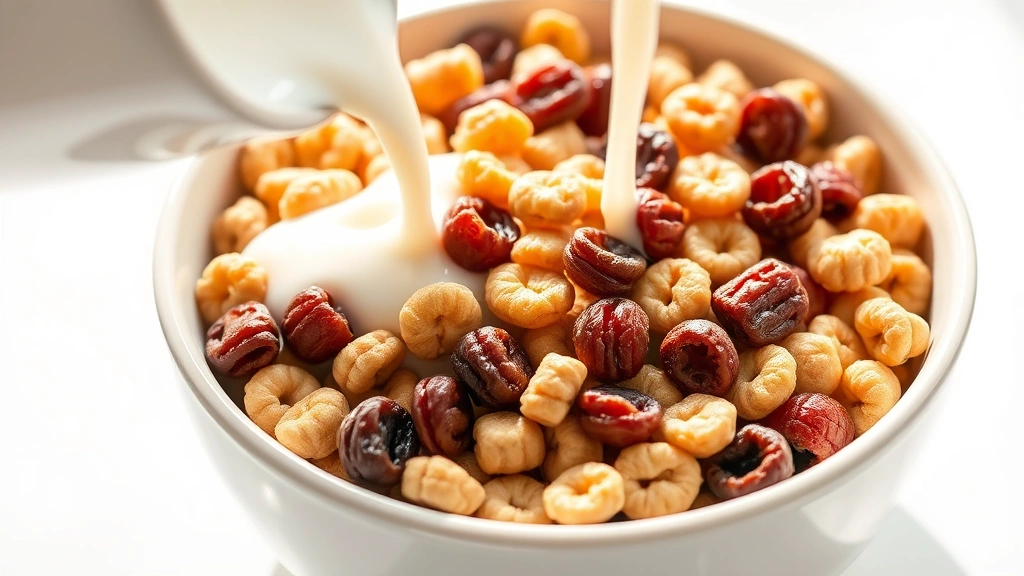
Raisin Bran Benefits? Dietitian’s Perspective on Nutrition and Health
Raisin bran has long been marketed as a wholesome breakfast option, promising convenience, fiber, and essential nutrients in every bowl. But does this popular cereal live up to its health claims? From a dietitian’s perspective, the answer is nuanced. While raisin bran does offer legitimate nutritional benefits, particularly regarding fiber content and certain micronutrients, it also comes with considerations that health-conscious consumers should understand before making it a dietary staple.
The breakfast cereal industry has evolved significantly over the decades, with manufacturers increasingly emphasizing health benefits to capture market share among nutrition-focused consumers. Raisin bran occupies an interesting position in this landscape—it’s perceived as healthier than many sugary alternatives, yet it still contains added sugars and processed ingredients that warrant closer examination. This comprehensive guide explores what the science actually tells us about raisin bran nutrition and whether it deserves a place in your regular breakfast rotation.
Nutritional Composition of Raisin Bran
A typical serving of raisin bran cereal—usually defined as one cup or about 49 grams—contains approximately 190 calories, making it a relatively modest contribution to daily energy intake. The macronutrient breakdown reveals that most calories come from carbohydrates, with protein contributing roughly 5-6 grams per serving and fat content typically between 1-2 grams. This carbohydrate-heavy composition reflects the cereal’s grain-based foundation.
The raisins in the mix provide natural sugars, antioxidants, and minerals, but they also contribute significantly to the overall sugar content. According to CDC nutrition guidelines, understanding the distinction between naturally occurring and added sugars is crucial for dietary assessment. When examining the ingredient list, you’ll typically find that raisin bran contains both—sugars naturally present in the dried fruit and additional sugars added during processing.
The base cereal itself is usually made from whole grain bran, which provides the structural foundation for the cereal’s nutritional profile. The bran is the outer layer of grain kernels, rich in fiber and various B vitamins. This component is what distinguishes raisin bran from more refined grain cereals and contributes meaningfully to its health positioning. However, the processing required to create shelf-stable cereal means some nutrient loss occurs, which manufacturers compensate for through fortification.
Fiber Content and Digestive Health
One of raisin bran’s most legitimate claims to nutritional fame is its fiber content. A single serving typically provides 8-9 grams of dietary fiber, which represents approximately 30-36% of the daily recommended intake for adults. This substantial fiber contribution is the primary reason dietitians acknowledge raisin bran as having genuine health benefits. Research published in nutrition journals consistently demonstrates that adequate fiber intake supports digestive health, helps maintain healthy cholesterol levels, and promotes satiety.
The fiber in raisin bran comes from two sources: the bran itself, which contains insoluble fiber that promotes bowel regularity, and the raisins, which contribute both soluble and insoluble fiber. Soluble fiber, found in raisins, dissolves in water and forms a gel-like substance in the digestive tract, helping to slow digestion and stabilize blood sugar levels. This dual-fiber approach makes raisin bran particularly effective for individuals seeking to increase their fiber intake without dramatic dietary overhauls.
For people struggling with constipation or irregular bowel movements, raisin bran can be genuinely therapeutic when consumed with adequate water. The fiber works by absorbing water in the colon and adding bulk to stool, promoting more regular elimination. However, it’s important to increase fiber intake gradually—jumping from low to high fiber consumption too quickly can cause bloating, gas, and abdominal discomfort. Pairing raisin bran with benefits of nuts and seeds can enhance the digestive benefits further.
The relationship between the importance of dietary fiber for your health extends beyond digestive function. Adequate fiber intake has been associated with reduced risk of cardiovascular disease, type 2 diabetes, and certain cancers. This makes raisin bran’s fiber contribution genuinely valuable for long-term health outcomes.
Sugar Content: The Hidden Concern
While raisin bran’s fiber content deserves praise, its sugar content demands scrutiny. A typical serving contains 12-15 grams of sugar, with approximately 7-8 grams coming from added sugars introduced during processing. For context, the American Heart Association recommends that added sugar intake should not exceed 6 teaspoons (25 grams) daily for women and 9 teaspoons (36 grams) for men. A single bowl of raisin bran consumes roughly one-third of a woman’s daily recommended added sugar allowance before she’s finished breakfast.
The presence of raisins in the formula creates a marketing paradox. Raisins are dried fruit, and while they contain beneficial compounds like polyphenols and resveratrol, the drying process concentrates their natural sugars significantly. A handful of fresh grapes contains far less sugar than the equivalent weight in raisins. When manufacturers add additional sugar to the cereal itself—often in the form of sucrose or high-fructose corn syrup—the total sugar burden becomes substantial.
Research from the American Psychological Association and related nutrition research indicates that high sugar consumption, particularly from processed foods like breakfast cereals, is linked to increased risk of obesity, type 2 diabetes, and dental problems. The sugar in raisin bran is rapidly absorbed, causing blood glucose spikes that can leave you feeling hungry again within a couple of hours despite having consumed a breakfast that should provide satiety.
For individuals with diabetes, prediabetes, or those trying to manage weight, the sugar content in raisin bran is a significant consideration that outweighs some of its fiber benefits. Pairing a serving with protein-rich foods like Greek yogurt or nuts can help moderate blood sugar response, but this requires deliberate meal planning rather than simply pouring a bowl.
Micronutrients and Fortification
Most commercial raisin bran cereals are fortified with essential vitamins and minerals, including iron, B vitamins (particularly B6 and B12), and sometimes vitamin D and calcium. This fortification practice reflects regulatory requirements and marketing strategies aimed at positioning breakfast cereals as nutritionally complete meal options. A single serving can provide 25-100% of daily recommended values for various micronutrients, depending on the specific brand and formulation.
The B vitamins in raisin bran support energy metabolism and nervous system function, making them particularly relevant for breakfast consumption when your body needs fuel for the morning ahead. Iron content is especially important for populations at risk of deficiency, including vegetarians, vegans, and menstruating individuals. However, the iron in fortified cereals is non-heme iron, which is absorbed less efficiently than heme iron from animal sources. Consuming raisin bran with vitamin C-rich foods—such as orange juice or berries—enhances iron absorption significantly.
It’s worth noting that while fortification adds nutritional value, it’s a form of processing that some nutrition experts view with caution. Whole foods naturally containing these nutrients are often superior because they provide the nutrients alongside fiber, phytonutrients, and other beneficial compounds that fortified cereals lack. That said, for individuals with specific micronutrient deficiencies or those following restrictive diets, the fortification in raisin bran can serve a legitimate therapeutic purpose.
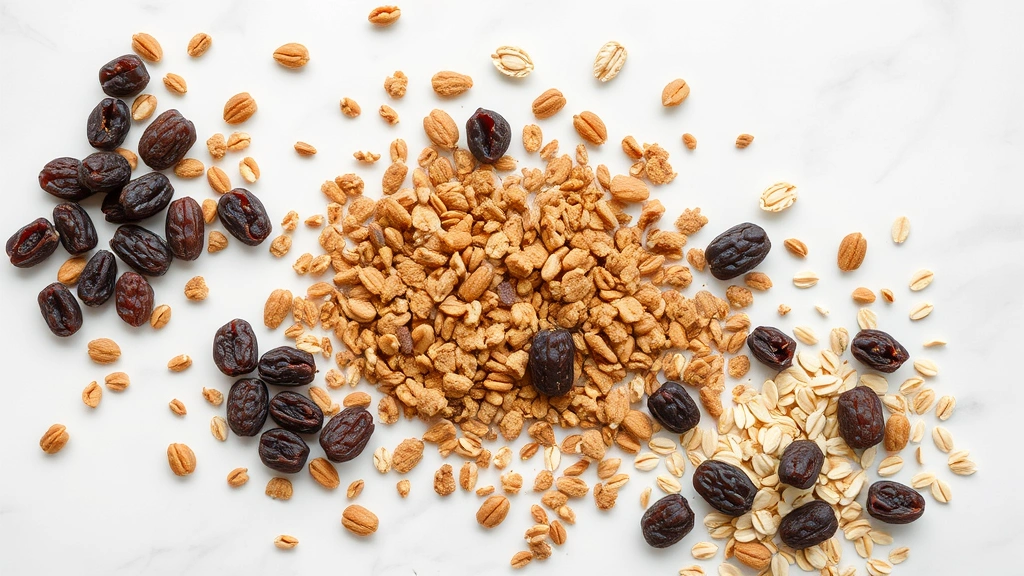
” alt=”Bowl of whole grain raisin bran cereal with scattered raisins on white background, professional food photography”/>
Comparison with Other Breakfast Options
To properly evaluate raisin bran’s place in a healthy diet, it’s helpful to compare it with other breakfast alternatives. When measured against heavily sweetened cereals like frosted varieties or chocolate-based options, raisin bran appears significantly healthier. It provides substantially more fiber, less added sugar per serving, and greater micronutrient density. However, when compared with less processed breakfast options, raisin bran’s advantages become less clear.
Consider a breakfast of steel-cut oatmeal topped with fresh berries and nuts. This option provides comparable or superior fiber content, far less added sugar (depending on how you sweeten it), more protein, and a greater variety of phytonutrients from the fresh fruit. The satiety factor is typically higher due to the protein and fat content, meaning you’ll likely stay fuller longer. Similarly, a vegetable-based omelet with whole grain toast offers superior protein, healthy fats, and fewer simple carbohydrates.
Greek yogurt parfaits layered with granola and fruit provide excellent protein content alongside fiber, though the sugar content varies dramatically depending on whether you use plain or flavored yogurt and how much added-sugar granola you include. Whole grain toast with almond butter and banana offers excellent satiety, healthy fats, and micronutrients, though you’d need to eat multiple slices to match raisin bran’s fiber content.
For individuals seeking convenience and speed, raisin bran has legitimate advantages. It requires no cooking, minimal preparation, and delivers reasonable nutrition in minutes. From this practical perspective, it’s substantially better than skipping breakfast or choosing more sugary alternatives. The key is understanding raisin bran’s proper role: as a convenient option that’s acceptable within a balanced diet, not as a nutritional powerhouse that should be consumed daily without consideration for other dietary factors.
Who Should Eat Raisin Bran
Raisin bran is most appropriate for certain populations and situations. Individuals with constipation or irregular bowel movements benefit significantly from its fiber content, particularly when combined with adequate hydration. Athletes and active individuals can use it as a quick pre-workout carbohydrate source, though ideally paired with protein to prevent blood sugar crashes. People with busy morning schedules who might otherwise skip breakfast entirely should prioritize raisin bran over no breakfast at all.
Older adults often struggle with adequate fiber intake and constipation, making raisin bran a practical intervention. The easy digestibility and micronutrient fortification also appeal to seniors who may have reduced appetite or absorption issues. Individuals following plant-based diets appreciate raisin bran’s fortified iron and B vitamins, though they should consume it with vitamin C sources to maximize iron absorption and pair it with additional protein sources for balanced nutrition.
Conversely, raisin bran is less ideal for individuals managing blood sugar levels, those with fructose intolerance or malabsorption issues, and people actively trying to reduce added sugar intake. The rapid glucose absorption and sugar content make it suboptimal for diabetics unless consumed as part of a carefully balanced meal. Children with high sugar consumption from other sources should probably explore lower-sugar breakfast options. Individuals with nutrition and mental health connections may benefit from understanding how breakfast choices affect mood and cognitive function throughout the morning.
Healthier Ways to Enjoy Raisins
If you appreciate the flavor and nutritional profile of raisins but want to minimize the downsides of commercial raisin bran, several strategies can help. First, consider creating your own cereal blend using unsweetened bran cereal or plain whole grain flakes, adding your own raisins in smaller quantities than commercial products contain. This approach gives you control over the sugar ratio and allows you to adjust the mixture to your taste and nutritional preferences.
Another approach involves incorporating raisins into benefits of nuts and seeds based breakfast combinations. A bowl of plain oatmeal with a small handful of raisins, some almonds, and cinnamon provides excellent nutrition with far more control over added sugars than commercial raisin bran. You can sweeten it naturally with a touch of honey if desired, still consuming less sugar than a standard bowl of raisin bran.
Raisins also work beautifully in homemade trail mix combinations with nuts, seeds, and dark chocolate chips, creating a nutritious snack that combines the benefits of multiple food groups. They can be added to yogurt, incorporated into baked goods using whole grain flour, or even eaten plain as a convenient snack. These approaches allow you to enjoy raisins’ nutritional benefits—their fiber, antioxidants, and minerals—without the added sugars and processing that come with commercial raisin bran cereals.
For those committed to a healthy nutrition plan, understanding how to modify processed foods or create healthier versions is a valuable skill. The Nutrients Pathway Blog offers numerous strategies for optimizing breakfast nutrition without sacrificing convenience.
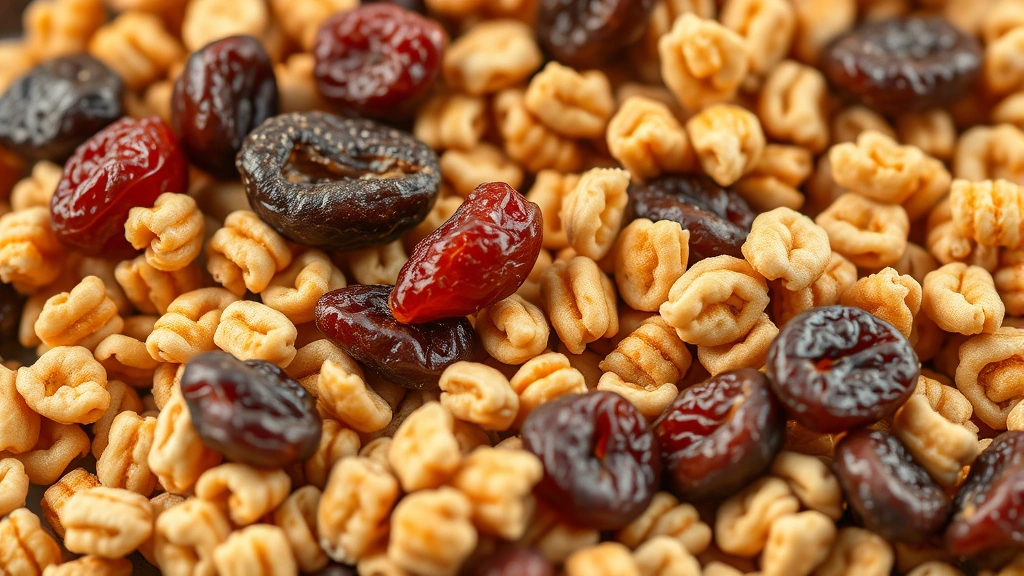
” alt=”Overhead flat lay of scattered raisins, almonds, and oat grains on marble surface with natural morning light”/>
FAQ
Is raisin bran good for weight loss?
Raisin bran can support weight loss efforts due to its high fiber content, which promotes satiety and helps you feel fuller longer. However, the sugar content means it should be consumed mindfully and paired with protein sources. A bowl of raisin bran with plain Greek yogurt or nuts provides better satiety than cereal alone. It’s not inherently a weight loss food, but it can be part of a weight loss diet when portion-controlled and balanced appropriately.
How much raisin bran should I eat daily?
A single serving (typically one cup) daily is reasonable for most adults, particularly if consumed as part of a balanced breakfast that includes protein and healthy fats. Consuming multiple servings daily would mean exceeding recommended added sugar intake. More importantly, relying on any single food for nutrition is less beneficial than eating a varied diet with multiple whole food sources.
Does raisin bran have too much sugar?
Raisin bran contains 7-8 grams of added sugar per serving, which represents a significant portion of daily recommended intake. While not extreme compared to some cereals, it’s substantial enough that people managing blood sugar should be aware and potentially choose lower-sugar alternatives. The naturally occurring sugars in raisins are less concerning than the added sugars, but together they contribute to rapid glucose absorption.
What’s the best way to eat raisin bran for maximum nutrition?
Pair raisin bran with protein sources like Greek yogurt, nuts, or seeds to slow carbohydrate absorption and increase satiety. Add fresh berries or other whole fruits to increase micronutrient diversity. Consume it with orange juice or another vitamin C source to enhance iron absorption. Use unsweetened milk or plant-based alternatives to avoid additional sugars. This approach maximizes raisin bran’s nutritional value while minimizing blood sugar impact.
Are there better breakfast cereals than raisin bran?
Several cereals offer comparable or superior nutrition, including plain bran cereals that you can customize with your own dried fruit additions, high-fiber whole grain options with less added sugar, and cereals specifically formulated for blood sugar management. However, “better” depends on individual health goals, preferences, and dietary restrictions. Raisin bran remains a reasonable choice for many people when consumed as part of a balanced diet rather than as a daily staple.
Can people with diabetes eat raisin bran?
People with diabetes can occasionally eat raisin bran, but it should be consumed carefully and ideally paired with protein and healthy fats to moderate blood sugar response. The rapid carbohydrate absorption and sugar content make it less ideal than lower-glycemic alternatives. Consulting with a registered dietitian about appropriate portion sizes and meal composition is advisable for individuals managing blood glucose.


