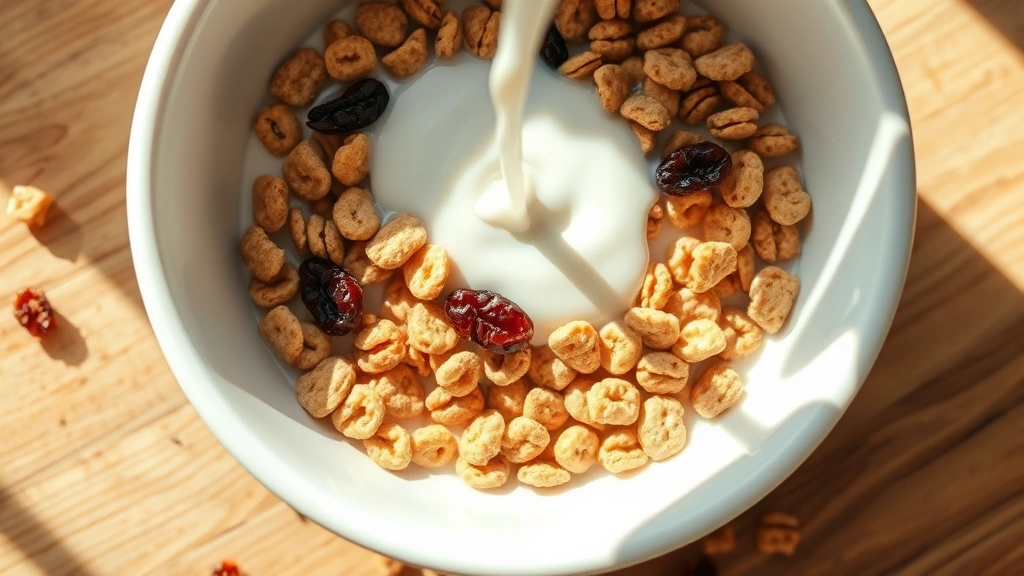
Raisin Bran Nutrition: What’s Inside Your Bowl?
Raisin bran has long been positioned as a wholesome breakfast choice, adorned with promises of fiber, vitamins, and the natural sweetness of raisins. Yet many consumers reach for this cereal without truly understanding the nutritional profile they’re consuming each morning. Behind the marketing claims and nostalgic packaging lies a complex mix of whole grains, added sugars, and fortified nutrients that deserve closer examination. Whether you’re a longtime raisin bran enthusiast or considering making it part of your healthy nutrition plan, understanding exactly what’s in your bowl is essential for making informed dietary choices.
This comprehensive analysis breaks down the raisin bran nutrition facts, explores the benefits and potential concerns, and helps you determine whether this popular cereal aligns with your health goals. From macronutrient composition to micronutrient fortification, we’ll examine every component that makes raisin bran a breakfast staple for millions of households.
Core Nutritional Breakdown
A standard serving of raisin bran typically contains one cup (approximately 59 grams), which provides the foundation for understanding its nutritional impact. The macronutrient profile reveals approximately 190-200 calories per serving, with carbohydrates comprising the majority at 45-48 grams. This carbohydrate-heavy composition reflects the cereal’s grain-based foundation and added raisins.
Protein content in raisin bran ranges from 4-5 grams per serving, which is moderate but not exceptionally high compared to some alternatives. Fat content is minimal, typically 1-2 grams per serving, making it a naturally low-fat food. When consumed with milk, the overall macronutrient balance shifts significantly, with milk contributing additional protein, fat, and calcium to the meal.
The ingredient list typically begins with whole grain wheat bran, which serves as the cereal’s primary component and primary source of dietary fiber. Following this are ingredients like corn syrup, sugar, raisins, and various fortifying agents. Understanding these components individually provides clearer insight into the cereal’s overall nutritional value and its place within a balanced diet.
Most commercial raisin bran varieties are fortified with essential vitamins and minerals, a practice that significantly enhances their nutritional profile beyond what the raw grains and raisins naturally provide. These fortification additions are carefully calculated to provide meaningful percentages of daily recommended values.
Fiber Content and Digestive Health
One of raisin bran’s most celebrated nutritional attributes is its impressive fiber content. A single serving typically delivers 8-10 grams of dietary fiber, representing approximately 30-40% of the daily recommended intake for adults. This substantial fiber contribution makes raisin bran particularly valuable for individuals seeking to improve their digestive health and meet daily fiber requirements.
The fiber in raisin bran comes from two primary sources: the bran component of whole wheat grains and the raisins themselves. Wheat bran is notably fiber-rich, containing both soluble and insoluble fiber varieties. Soluble fiber dissolves in water and can help regulate blood sugar levels and cholesterol, while insoluble fiber promotes digestive movement and supports overall gut health.
Research from Pew Research Center and nutritional studies consistently demonstrate that adequate fiber intake correlates with improved digestive function, reduced constipation risk, and better overall metabolic health. The raisins contribute additional fiber while also providing natural sweetness, potentially reducing the need for refined sugar additions.
For individuals implementing strategies to improve nutrient absorption, adequate fiber intake plays a supportive role by promoting healthy gut bacteria and maintaining optimal digestive function. However, it’s important to note that sudden increases in fiber consumption can cause temporary digestive discomfort, so gradual introduction is recommended.
The combination of grain fiber and fruit fiber in raisin bran creates a synergistic effect that many nutritionists appreciate. This dual-source approach provides a more complete fiber profile than single-source cereals, supporting various aspects of digestive and metabolic health.
Sugar Analysis
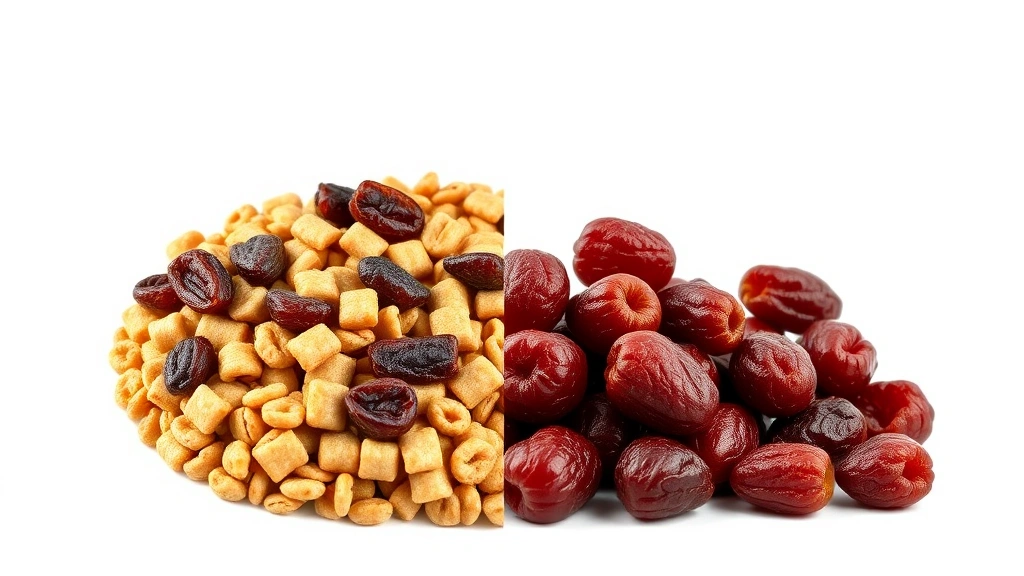
While raisin bran offers legitimate nutritional benefits, its sugar content warrants careful consideration. A typical serving contains 18-20 grams of sugar, which represents a significant portion of the daily recommended sugar intake. The American Heart Association recommends no more than 25 grams daily for women and 36 grams for men, meaning a single bowl of raisin bran can consume 50-80% of the maximum daily allowance.
The sugar composition includes both naturally occurring sugars from raisins and added sugars from sweetening agents like corn syrup and sugar. While the natural sugars from raisins contain fiber and nutrients, the distinction between natural and added sugars becomes less meaningful when considering total sugar impact on blood glucose levels. The body processes these sugars similarly regardless of origin, causing rapid blood sugar elevation followed by potential energy crashes.
This sugar profile makes raisin bran a less ideal choice for individuals managing diabetes, prediabetes, or those seeking to minimize refined carbohydrate consumption. The high sugar content can undermine some of the fiber’s blood sugar-regulating benefits, particularly when consumed without adequate protein or fat to slow digestion.
Some manufacturers have introduced lower-sugar raisin bran alternatives, using sugar alcohols or stevia as sweetening agents. These options can reduce sugar content to 6-10 grams per serving while maintaining acceptable taste profiles. However, these alternatives may contain additional processing and chemical additives that some consumers prefer to avoid.
Pairing raisin bran with protein-rich foods like Greek yogurt or nuts can help mitigate blood sugar spikes by slowing carbohydrate absorption. This strategic combination approach allows individuals to enjoy raisin bran while managing its glycemic impact more effectively.
Vitamins and Minerals
Raisin bran’s fortification strategy significantly enhances its micronutrient profile, transforming it from a simple grain-and-fruit mixture into a vitamin and mineral supplement delivery system. Most commercial varieties are fortified with B vitamins including thiamine (B1), riboflavin (B2), niacin (B3), and cyanocobalamin (B12), supporting energy metabolism and nervous system function.
Iron fortification is particularly common in raisin bran, with many varieties providing 25-45% of daily recommended values per serving. This fortification addresses widespread iron deficiency concerns, particularly among vegetarian and vegan populations who may struggle to obtain adequate iron from plant-based sources alone. The fortified iron in cereals is typically in ferrous form, which offers reasonable bioavailability.
Mineral content extends beyond iron to include zinc, magnesium, and phosphorus, though these are often present in more modest quantities. Some premium varieties include additional fortification with calcium, vitamin D, and other micronutrients, effectively creating a more comprehensive nutritional profile.
The relationship between nutrition and mental health extends to these B vitamins, which play crucial roles in neurotransmitter synthesis and cognitive function. The fortified B vitamin content in raisin bran supports mental clarity, mood regulation, and overall neurological health.
However, it’s important to recognize that fortified nutrients don’t replicate the complex nutritional synergies of whole foods. While the added vitamins and minerals serve important functions, they lack the accompanying phytonutrients, antioxidants, and other bioactive compounds found in whole fruits and vegetables. Relying exclusively on fortified cereals for micronutrient needs is less optimal than obtaining nutrients from diverse whole food sources.
Comparison with Alternatives
Understanding raisin bran’s nutritional position requires comparison with alternative breakfast cereals and options. When measured against basic grain cereals without fruit additions, raisin bran offers superior fiber content and the nutritional contributions from raisins, including potassium and antioxidants.
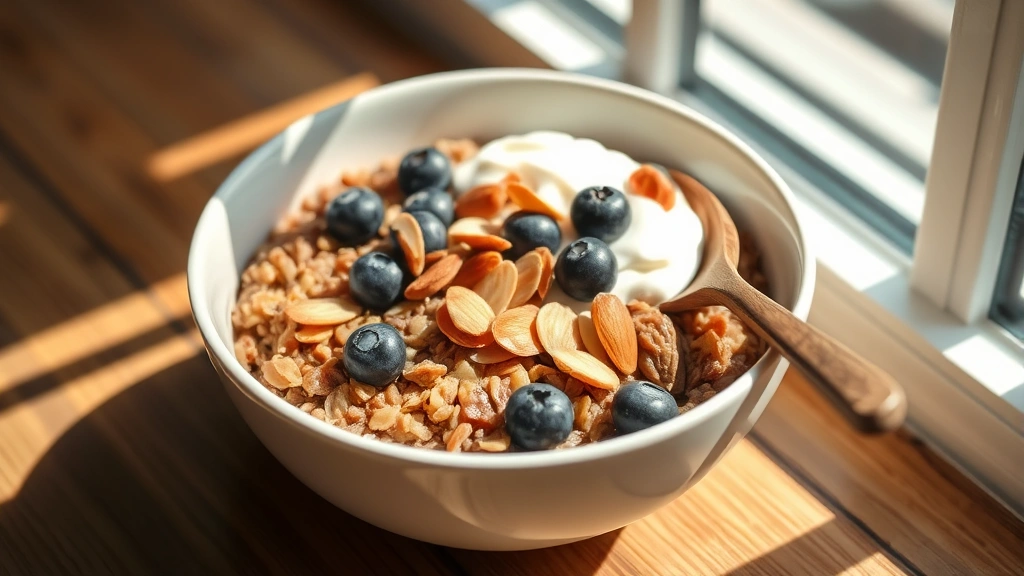
Compared to granola or muesli, raisin bran typically contains fewer calories and less fat, making it a lighter option. However, granola often provides more protein from nuts and seeds, creating a more balanced macronutrient profile. The choice between these options depends on individual dietary goals and preferences.
Whole grain oatmeal represents a compelling alternative, offering comparable fiber content (4-5 grams per half-cup dry), greater protein (5 grams), and the ability to control sugar content by choosing preparation methods and toppings. Oatmeal provides more flexibility for customization and often contains less added sugar in plain varieties.
Egg-based breakfasts provide superior protein content (6-12 grams per serving) and more stable blood sugar profiles, though they lack the convenient fiber contribution that raisin bran offers. A balanced approach might combine modest portions of raisin bran with protein-rich additions like Greek yogurt or nuts.
For individuals seeking to explore diverse breakfast options, consulting the nutrition facts about avocados and other whole foods can provide inspiration for creating more nutritionally complete breakfast meals that exceed raisin bran’s standalone nutritional profile.
Health Considerations
Raisin bran presents a mixed nutritional picture with both advantages and considerations depending on individual health circumstances. For individuals with adequate fiber intake and stable blood sugar management, raisin bran can serve as a convenient and relatively nutritious breakfast option. The substantial fiber content supports digestive health and satiety, potentially reducing overall calorie consumption throughout the day.
For those managing weight, the moderate calorie content (190-200 per serving) and high fiber provide reasonable satiety without excessive energy intake. Research from National Institutes of Health demonstrates that high-fiber breakfast options can reduce mid-morning hunger and decrease overall daily calorie consumption.
Conversely, individuals managing diabetes or prediabetes should approach raisin bran cautiously due to its sugar content and glycemic impact. The rapid blood sugar elevation following consumption can complicate blood glucose management and increase insulin demands. Portion control and protein pairing become essential if including raisin bran in a diabetes-friendly diet.
Children and adolescents represent a population where raisin bran can serve nutritional benefits, providing accessible fiber and fortified nutrients. However, parental awareness of sugar content remains important for preventing excessive refined sugar consumption during crucial developmental years.
Individuals with gluten sensitivity or celiac disease must verify that their raisin bran variety is certified gluten-free, as standard wheat bran contains gluten. Many manufacturers produce gluten-free alternatives using alternative grains like brown rice bran.
Maximizing Nutritional Value
Strategic preparation and pairing approaches can significantly enhance raisin bran’s nutritional profile and address some of its limitations. Adding protein through milk alternatives like Greek yogurt, cottage cheese, or protein-enriched milk increases the meal’s protein content and improves satiety and blood sugar stability.
Incorporating fresh fruits such as berries, bananas, or sliced apples adds micronutrients, additional fiber, and increases overall nutrient density without significantly increasing calories. This approach also provides fresh produce’s phytonutrient and antioxidant benefits that processed cereals cannot replicate.
Nuts and seeds including almonds, walnuts, chia seeds, or flax seeds contribute healthy fats, additional protein, and micronutrients including magnesium and omega-3 fatty acids. These additions create a more balanced macronutrient profile that supports sustained energy and improved satiety.
Portion control represents another important strategy, particularly for individuals monitoring sugar intake. Consuming a half-cup of raisin bran combined with additional toppings creates a more balanced meal than a full cup of cereal alone, reducing sugar impact while maintaining satiety through nutrient-dense additions.
For those interested in comprehensive dietary approaches, reviewing the Nutrients Pathway Blog provides additional insights into food combinations and nutritional strategies for optimizing breakfast meals.
Some individuals benefit from rotating raisin bran with alternative breakfast options to prevent dietary monotony and ensure exposure to diverse nutrient profiles. Alternating between raisin bran, oatmeal, eggs, and whole grain toast with avocado ensures broader micronutrient coverage across the week.
FAQ
How much fiber is in a serving of raisin bran?
A standard one-cup serving of raisin bran contains approximately 8-10 grams of dietary fiber, representing 30-40% of the daily recommended intake for most adults. This substantial fiber content comes from the wheat bran component and the raisins themselves.
Is raisin bran suitable for weight management?
Raisin bran can support weight management through its moderate calorie content (190-200 per serving) and high fiber, which promotes satiety. However, sugar content requires consideration, and pairing with protein-rich foods enhances weight management benefits.
Does raisin bran contain added sugar?
Yes, most commercial raisin bran varieties contain added sugars from sweetening agents like corn syrup and sugar, contributing to the 18-20 grams of total sugar per serving. Some lower-sugar alternatives exist but may contain sugar alcohols or artificial sweeteners.
Can people with diabetes eat raisin bran?
Individuals with diabetes should exercise caution with raisin bran due to its high sugar content and glycemic impact. Portion control, protein pairing, and blood sugar monitoring are essential if including raisin bran in a diabetes-friendly diet.
What makes raisin bran nutritious?
Raisin bran’s nutritional value derives from whole grain wheat bran (fiber source), raisins (natural sugars, potassium, antioxidants), and fortified vitamins and minerals including B vitamins and iron. The combination provides meaningful nutritional contributions, though processing and added sugars reduce overall nutritional density compared to whole foods.
How does raisin bran compare to other breakfast cereals?
Raisin bran offers superior fiber compared to basic grain cereals and typically contains less fat than granola. However, oatmeal provides comparable fiber with greater customization options, and egg-based breakfasts offer superior protein content. The best choice depends on individual dietary goals.
Should children eat raisin bran?
Raisin bran can provide children with accessible fiber and fortified nutrients supporting healthy development. However, parental awareness of sugar content remains important for preventing excessive refined sugar consumption and supporting healthy eating habits.


