Rayne Nutrition Review: Vet Nutritionist Insight
Rayne Nutrition has emerged as a significant player in the pet nutrition landscape, particularly for veterinary professionals and pet owners seeking science-backed dietary solutions. This comprehensive review examines the brand’s approach to formulation, ingredient quality, and alignment with veterinary nutritional standards. Understanding what sets Rayne apart requires exploring both the clinical evidence supporting their products and the practical applications veterinarians recommend.
Pet nutrition continues evolving as research illuminates the connection between diet and long-term health outcomes. Rayne Nutrition positions itself at this intersection, claiming to bridge the gap between traditional veterinary medicine and nutritional science. Whether you’re evaluating options for your practice or considering dietary changes for your companion animal, this analysis provides the veterinary perspective necessary for informed decision-making.
Rayne Nutrition Brand Overview
Rayne Nutrition operates within the premium pet nutrition segment, targeting both veterinary professionals and direct-to-consumer markets. The brand emphasizes whole-food ingredients and minimal processing, distinguishing itself from mainstream commercial pet food manufacturers. Their commitment to transparency extends to detailed nutrient profiles and sourcing information, which resonates with veterinarians evaluating dietary recommendations for clinical cases.
The company’s positioning reflects broader industry trends toward functional nutrition and preventative health strategies. Rather than viewing pet food as mere sustenance, Rayne frames nutrition as therapeutic intervention. This approach aligns with how progressive veterinary practitioners now conceptualize diet—as a fundamental pillar of clinical care alongside pharmaceuticals and surgery.
Veterinarians reviewing Rayne Nutrition products often note the brand’s emphasis on species-appropriate formulations. Dogs and cats have distinct nutritional requirements rooted in their evolutionary biology, and Rayne’s product development appears to honor these differences rather than applying generic formulations across species.
Formulation Philosophy and Approach
The foundation of Rayne’s formulation strategy centers on whole-food protein sources and elimination of artificial additives. Unlike conventional pet food manufacturers that rely heavily on by-products and synthetic vitamins, Rayne prioritizes ingredient integrity. This distinction carries practical implications for digestive health and nutrient utilization—factors that directly impact clinical outcomes.
Rayne’s approach incorporates principles consistent with healthy nutrition planning, translating human nutritional science into veterinary applications. The brand recognizes that optimal health emerges from balanced macro and micronutrient ratios, appropriate caloric density, and ingredient synergy rather than isolated nutrient optimization.
Protein formulations receive particular attention in Rayne’s development process. Rather than meeting minimum AAFCO standards, their recipes typically exceed baseline requirements, reflecting emerging research suggesting higher protein content supports metabolic health, muscle maintenance, and satiety in companion animals. This distinction becomes especially relevant for geriatric patients and those with metabolic compromise.
The incorporation of functional ingredients—such as probiotics, omega-3 fatty acids, and antioxidant-rich botanicals—demonstrates recognition that nutrition extends beyond basic macronutrient and micronutrient sufficiency. These additions address chronic inflammation, immune function, and cellular aging, aligning with nutrient absorption optimization principles.
Ingredient Quality Assessment
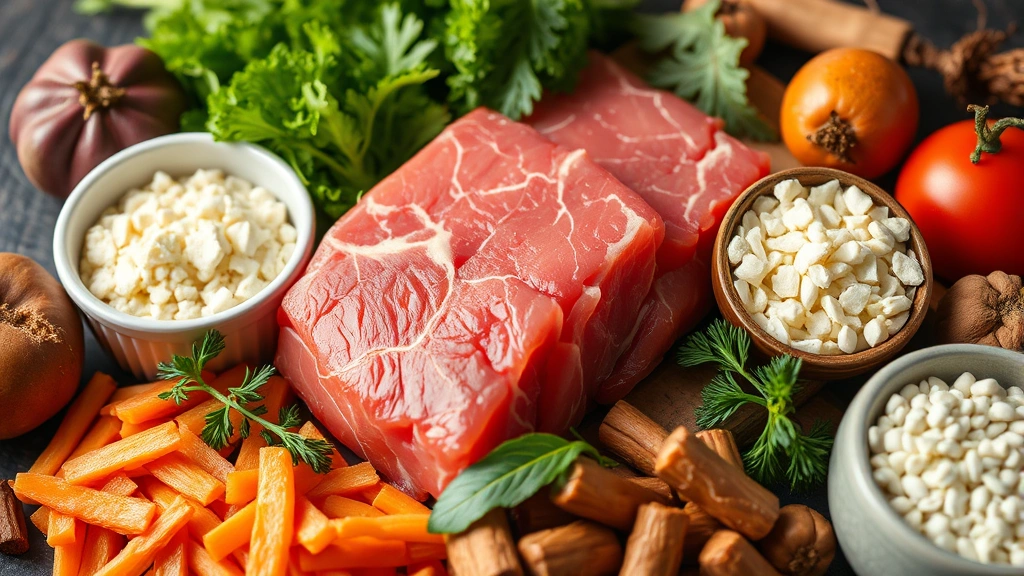
Ingredient sourcing represents a critical differentiator in premium pet nutrition. Rayne’s commitment to named meat sources—identifying specific proteins rather than generic categories like “meat meal”—provides transparency that veterinarians value when counseling clients. This practice enables practitioners to manage allergies and sensitivities more effectively, as ingredient specificity allows for meaningful dietary modifications.
The brand’s utilization of human-grade or human-edible ingredients reflects quality standards that exceed regulatory minimums. While regulatory bodies establish acceptable contamination thresholds and nutrient bioavailability standards, Rayne’s higher sourcing standards reduce microbial and chemical risks inherent in lower-grade ingredient streams.
Grain inclusion policies vary across Rayne’s product lines, reflecting different formulation philosophies for distinct populations. Some formulations incorporate whole grains, legumes, and pseudocereals, while others adopt grain-free approaches. This diversity enables veterinarians to match formulations to individual patient needs—particularly relevant for animals with grain sensitivities or specific digestive considerations.
Fat sources deserve particular scrutiny in premium formulations. Rayne’s inclusion of identified fat sources (rather than generic “animal fat”) and incorporation of omega-3 fatty acids from fish oil or algae demonstrates attention to fatty acid ratios. These ratios directly influence inflammatory status, skin and coat quality, and cognitive function—outcomes that clinical practitioners monitor and clients observe.
Veterinary Clinical Evidence
While individual case studies and practitioner testimonials provide anecdotal support, veterinary medicine increasingly demands evidence-based nutritional recommendations. AAFCO standards establish baseline nutritional adequacy, but clinical efficacy extends beyond these minimum requirements. Published research examining Rayne formulations specifically remains limited in peer-reviewed veterinary literature, though this reflects broader industry patterns where most premium brands lack extensive clinical trial data.
Veterinarians evaluating Rayne should consider the brand’s transparency regarding nutritional analysis and willingness to provide detailed nutrient composition data. This openness enables practitioners to calculate precise nutrient intake for individual patients and adjust recommendations based on life stage, activity level, and health status.
The relationship between diet and disease prevention increasingly occupies veterinary education. The American Veterinary Medical Association recognizes nutrition as foundational to preventative medicine. Rayne’s emphasis on whole foods, functional ingredients, and species-appropriate formulations aligns with this preventative paradigm.
Clinical observations from practitioners using Rayne products often highlight improvements in coat quality, energy levels, digestive consistency, and weight management—outcomes that correlate with optimal nutrient bioavailability and absence of inflammatory ingredients. These subjective improvements, while not controlled clinical trials, inform practitioner recommendations and client satisfaction.
Product Line Analysis
Rayne’s product portfolio addresses diverse life stages and health conditions, reflecting recognition that nutritional requirements vary across the lifespan and in response to health status. Puppy and kitten formulations account for elevated nutrient requirements during growth phases, while senior formulations reduce caloric density and adjust nutrient ratios for less active animals.
Therapeutic formulations targeting specific conditions—such as digestive sensitivity, joint health, or kidney function—demonstrate the brand’s engagement with clinical nutrition. These specialized products often incorporate targeted ingredient modifications supported by nutritional science principles, though practitioners should verify that formulation changes align with their clinical assessment.
Raw and freeze-dried product offerings represent a growing segment within Rayne’s portfolio. These formats preserve heat-labile nutrients and enzymes, potentially enhancing bioavailability of certain compounds. However, raw diets introduce food safety considerations that veterinarians must address with clients, particularly in households with immunocompromised individuals or multiple species.
The availability of both wet and dry formulations provides flexibility for different feeding scenarios and palatability preferences. Wet foods typically contain higher moisture content, supporting hydration and urinary health—particularly relevant for cats predisposed to lower water intake. This product diversity enables veterinarians to tailor recommendations to individual patient circumstances.
Nutrient Bioavailability Considerations
Ingredient selection directly impacts nutrient bioavailability—the percentage of ingested nutrients actually absorbed and utilized by the animal’s body. Rayne’s emphasis on whole-food ingredients generally correlates with superior bioavailability compared to formulations relying on synthetic or extracted nutrient sources. This distinction carries practical implications, as higher bioavailability means smaller quantities achieve nutritional targets, potentially reducing feeding volumes and improving digestive efficiency.
Protein bioavailability varies significantly based on source and processing methods. Rayne’s use of named meat sources and minimal processing typically yields digestibility coefficients exceeding 80%, compared to 60-70% for formulations relying on by-products or heavily processed ingredients. This difference becomes clinically significant for patients with compromised digestive capacity or elevated nutrient requirements.
Mineral bioavailability presents additional complexity, as mineral absorption depends on proper ratios between minerals (calcium-phosphorus balance, zinc-copper ratios) and interactions with other dietary components. Nutritional balance extends beyond individual nutrients, encompassing synergistic relationships that optimize physiological function.
Vitamin stability during storage and processing affects nutritional value. Rayne’s manufacturing practices and packaging approaches influence vitamin retention, particularly for heat-sensitive compounds like vitamin C and B vitamins. Practitioners should consider whether products include added vitamins to compensate for processing losses or rely on inherent nutrient density of whole-food ingredients.
Pricing and Value Proposition
Premium positioning naturally correlates with higher price points, and Rayne reflects this pattern. When evaluating cost-effectiveness, veterinarians and pet owners should consider value relative to ingredient quality, nutrient bioavailability, and clinical outcomes rather than per-pound comparisons alone. Superior bioavailability often means smaller feeding volumes achieve nutritional targets, effectively reducing per-serving costs.
Insurance and long-term health considerations provide additional context for pricing evaluation. Diets supporting optimal health status may reduce veterinary expenditures for disease management, chronic condition treatment, and preventative interventions. While difficult to quantify precisely, practitioners increasingly recognize that nutritional investment often yields downstream healthcare savings.
Subscription and bulk purchasing options often provide cost advantages for committed clients. Rayne’s direct-to-consumer model may offer pricing flexibility compared to retail channels, though availability varies by region. Veterinarians should investigate these options when recommending products to price-conscious clients without compromising nutritional quality.
The premium pricing reflects not merely ingredient costs but also research and development, quality control, transparency initiatives, and customer service. Brands investing significantly in these areas typically demonstrate greater accountability and responsiveness to practitioner and client feedback.
Real-World Implementation in Practices
Integrating Rayne Nutrition into veterinary practice requires clear communication strategies and education protocols. Practitioners should establish criteria for dietary recommendations, educating clients about transition protocols and realistic timelines for observing improvements. Abrupt dietary changes risk gastrointestinal upset, while gradual transitions over 7-10 days allow digestive microbiota adjustment.
Monitoring protocols should track relevant health metrics—body weight, coat quality, energy levels, digestive function—enabling objective assessment of dietary efficacy. Practitioners might implement follow-up consultations or client questionnaires to gather outcome data, informing future recommendations and identifying individual response variation.
Client education addressing common misconceptions about premium nutrition proves essential. Many owners equate price with quality without understanding ingredient sourcing, processing methods, or nutritional science. Veterinarians positioned as trusted educators can articulate why Rayne’s formulations justify premium pricing through superior ingredient quality and bioavailability—concepts accessible to motivated pet owners.
Inventory management considerations affect practice implementation. Stocking Rayne products requires adequate storage space, demand forecasting, and cash flow planning. Alternatively, practitioners might provide detailed product information enabling client direct ordering, reducing practice inventory burden while maintaining recommendation authority.
Integration with meal planning guidance enhances outcomes, particularly for clients managing multiple pets with different nutritional needs. Practitioners can develop feeding schedules, portion recommendations, and supplementation protocols tailored to individual circumstances. This comprehensive approach demonstrates practice expertise and strengthens client relationships.
Collaboration with Rayne representatives provides access to continuing education, product training, and clinical support. Many premium brands offer practitioner programs including sample products, detailed nutritional information, and communication templates facilitating practice integration.

Ongoing professional education keeps practitioners current with emerging nutritional science. Board-certified veterinary nutritionists provide resources, research summaries, and formulation analysis that inform evidence-based recommendations. Practitioners lacking formal nutritional training should consider consulting specialists for complex cases or novel formulations.
Documentation practices supporting dietary recommendations prove important for continuity of care and professional liability. Recording specific products recommended, rationale for selection, client education provided, and observed outcomes creates comprehensive health records supporting future decision-making and demonstrating standard-of-care adherence.
Referral networks among practitioners using Rayne products facilitate knowledge sharing and outcome comparison. Professional communities—whether local veterinary associations or online forums—enable practitioners to discuss experiences, troubleshoot challenges, and identify best practices for implementation.
FAQ
What distinguishes Rayne Nutrition from mainstream commercial pet food?
Rayne emphasizes whole-food ingredients, minimal processing, named protein sources, and functional additions rather than meeting baseline nutritional adequacy. This approach typically yields superior ingredient quality, higher bioavailability, and inclusion of therapeutic compounds addressing chronic disease prevention.
Is Rayne Nutrition appropriate for all life stages?
Rayne offers formulations addressing different life stages including puppies, adults, and seniors, with nutrient ratios adjusted accordingly. Practitioners should verify that selected formulations meet specific patient needs, particularly for animals with health conditions requiring therapeutic dietary modifications.
How quickly should improvements appear after dietary transition?
Initial improvements in energy levels and digestive function may appear within weeks, while coat quality and weight management typically require 8-12 weeks for noticeable change. Individual variation exists based on initial health status, underlying conditions, and adherence to feeding recommendations.
Does Rayne Nutrition address food sensitivities and allergies?
Rayne’s ingredient transparency and multiple formulations enable matching to individual sensitivity profiles. However, practitioners should conduct appropriate diagnostic testing to identify specific allergens before recommending elimination diets, as clinical assessment differs from trial-and-error dietary modification.
Can Rayne products be mixed with other foods or supplements?
Rayne formulations can generally be combined with appropriate supplements, though practitioners should verify nutrient ratios remain balanced and avoid excessive nutrient intake. Consultation with veterinary nutritionists proves valuable for complex supplementation protocols.
What storage and handling requirements does Rayne recommend?
Specific storage recommendations vary by product format. Dry foods benefit from cool, dry storage in airtight containers, while wet foods require refrigeration after opening and adherence to manufacturer expiration guidance. Raw and freeze-dried products typically require frozen storage to preserve nutrient integrity.
Does Rayne conduct third-party testing of finished products?
Practitioners should contact the brand directly regarding testing protocols, quality assurance procedures, and third-party verification of nutrient claims. Transparency regarding these processes indicates commitment to product safety and nutritional accuracy.