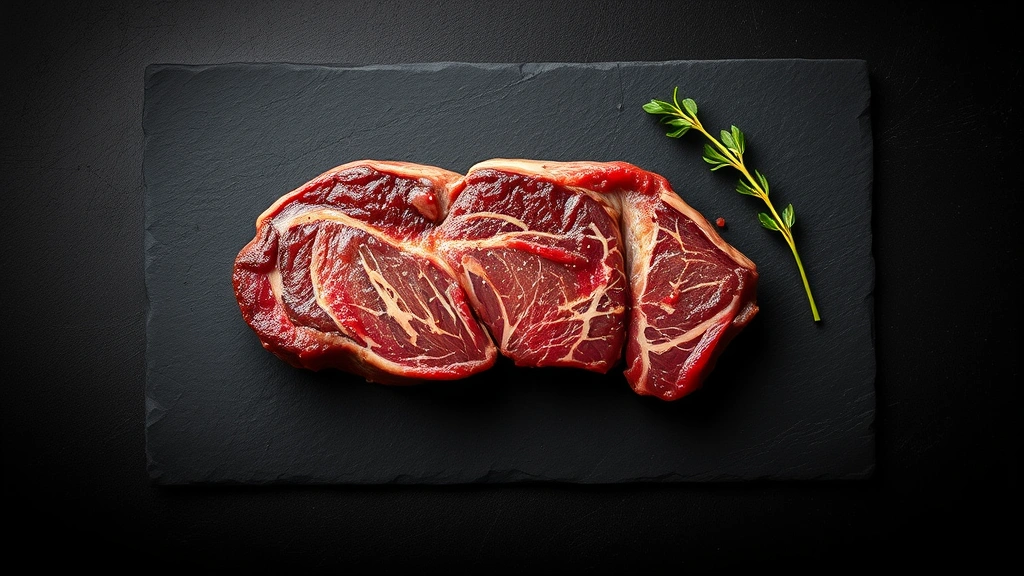
Ribeye Steak: Nutritional Breakdown by Expert
Ribeye steak stands as one of the most nutrient-dense protein sources available to consumers, offering a complex nutritional profile that extends far beyond simple protein content. As a premium cut from the rib section of beef cattle, ribeye combines high-quality amino acids, essential micronutrients, and bioavailable minerals that support various physiological functions. Understanding the comprehensive nutritional breakdown of ribeye steak becomes increasingly important for individuals seeking to optimize their dietary intake, whether for athletic performance, general wellness, or specific health objectives.
The nutritional value of ribeye steak has garnered renewed attention from nutrition researchers and dietary experts, particularly as consumers become more conscious about food quality and nutritional density. Unlike processed protein sources, ribeye delivers naturally occurring compounds including carnitine, creatine, and B vitamins in their most bioavailable forms. This comprehensive analysis examines the macronutrient composition, micronutrient profile, and health implications of ribeye steak consumption, providing evidence-based insights for informed dietary decision-making.
Macronutrient Composition of Ribeye Steak
A standard 3.5-ounce (100-gram) serving of cooked ribeye steak contains approximately 290 calories, with macronutrient distribution that reflects its role as a protein-rich, fat-containing food source. The macronutrient breakdown reveals roughly 25-27 grams of protein, 20-22 grams of fat, and negligible carbohydrates, making ribeye particularly valuable for nutrition for athletes optimizing performance through diet and low-carbohydrate dietary approaches. This macronutrient ratio positions ribeye steak as an excellent choice for individuals following ketogenic, carnivore, or other protein-focused nutritional protocols.
The caloric density of ribeye steak derives primarily from its fat content, which contributes approximately 198 calories per 100-gram serving, while protein accounts for roughly 108 calories. This energy distribution makes ribeye particularly satiating, as dietary fat and protein both trigger prolonged satiety signals through cholecystokinin (CCK) and peptide YY (PYY) release. When considering tips for meal planning, ribeye’s caloric density allows for smaller portion sizes while maintaining nutritional completeness and satisfaction.
The protein-to-fat ratio in ribeye steak varies slightly depending on marbling level and cooking method. Prime grade ribeye contains higher intramuscular fat than Select or Choice grades, resulting in increased total fat content while maintaining protein levels. Cooking methods such as grilling, broiling, or pan-searing can render some surface fat, slightly altering the final macronutrient composition compared to raw measurements.

Protein Quality and Amino Acid Profile
Ribeye steak provides a complete protein containing all nine essential amino acids in optimal ratios for human nutritional requirements. The amino acid profile includes substantial quantities of leucine, isoleucine, and valine—the branched-chain amino acids (BCAAs) critical for muscle protein synthesis and recovery. Research from the National Institutes of Health demonstrates that animal-based complete proteins like ribeye facilitate superior muscle adaptation compared to plant-based protein sources, particularly relevant for individuals engaged in resistance training.
A 3.5-ounce serving of ribeye contains approximately 1.8 grams of leucine, which exceeds the 1.8-gram threshold identified as optimal for maximal muscle protein synthesis stimulation. This leucine content positions ribeye as particularly valuable for post-workout nutrition, where leucine availability directly influences the magnitude of anabolic signaling through the mTOR pathway. Additionally, ribeye provides roughly 1.4 grams of lysine and 1.1 grams of methionine per serving, supporting collagen synthesis and methylation reactions respectively.
The digestibility of ribeye protein reaches 97-98%, meaning virtually all amino acids become bioavailable for absorption and utilization. This superior digestibility compared to plant proteins relates to the absence of antinutrients like phytates and trypsin inhibitors naturally present in legumes and grains. For individuals with compromised digestive function or those seeking maximum nutrient yield from consumed food, ribeye represents an exceptionally efficient protein source.
Fat Content and Fatty Acid Breakdown
The fat composition of ribeye steak encompasses saturated fatty acids, monounsaturated fatty acids (MUFAs), and polyunsaturated fatty acids (PUFAs) in a balanced proportion that reflects ruminant fat profiles. Per 100-gram serving, ribeye contains approximately 8-9 grams of saturated fat, 9-10 grams of monounsaturated fat, and 0.5-1 gram of polyunsaturated fat. This distribution challenges simplified dietary narratives suggesting saturated fat universally increases cardiovascular disease risk, as research increasingly demonstrates context-dependent relationships between saturated fat consumption and health outcomes.
Notably, ribeye fat contains stearic acid, a saturated fatty acid that converts to oleic acid (a MUFA) through hepatic desaturation, resulting in neutral or potentially beneficial metabolic effects. The monounsaturated fat content in ribeye, primarily oleic acid, provides similar cardiovascular benefits to olive oil, supporting endothelial function and reducing inflammatory markers. Additionally, ribeye contains small quantities of conjugated linoleic acid (CLA), a bioactive fatty acid associated with improved body composition and anti-inflammatory effects in research contexts.
The fat-soluble vitamin content of ribeye steak depends directly on the fat composition, as vitamins A, D, E, and K2 require dietary fat for absorption and transport. Grass-fed ribeye typically contains higher concentrations of these fat-soluble vitamins compared to grain-fed beef, reflecting the superior nutrient density of forage-based diets. When implementing healthy nutrition plans for eating well for life, incorporating ribeye steak provides a natural source of these critical micronutrients.
Essential Vitamins in Ribeye
Ribeye steak delivers exceptional concentrations of B-complex vitamins, including B12, B6, niacin (B3), and pantothenic acid (B5), essential for energy metabolism and nervous system function. A single 3.5-ounce serving provides approximately 1.5 micrograms of vitamin B12, exceeding 60% of the daily adequate intake for adults. This B12 bioavailability proves particularly significant for individuals at risk of deficiency, including vegetarians, vegans, and those with gastrointestinal absorption challenges.
Niacin content in ribeye reaches approximately 5-6 mg per serving, contributing meaningfully toward daily requirements and supporting NAD+ synthesis crucial for cellular energy production and DNA repair mechanisms. The B6 content (approximately 0.6 mg per serving) facilitates amino acid metabolism and neurotransmitter synthesis. These B vitamins work synergistically to optimize energy utilization, particularly relevant for individuals implementing intensive training protocols or managing demanding professional schedules.
Vitamin E, a fat-soluble antioxidant, accumulates in ribeye fat at concentrations of approximately 0.2-0.3 mg per serving. While not reaching the daily adequate intake independently, ribeye contributes meaningfully to vitamin E status when consumed as part of a nutrient-dense dietary pattern. The selenium content in ribeye (approximately 27-30 micrograms per 100-gram serving) works synergistically with vitamin E to support glutathione peroxidase synthesis, the body’s primary antioxidant defense system.
Minerals and Trace Elements
Ribeye steak provides substantial quantities of bioavailable iron, zinc, phosphorus, and selenium, minerals essential for oxygen transport, immune function, bone health, and antioxidant defense respectively. The iron content reaches approximately 2.6 mg per 100-gram serving, primarily in the form of heme iron, which achieves 15-35% absorption rates compared to 2-20% for non-heme plant iron. This superior heme iron bioavailability makes ribeye particularly valuable for individuals managing iron deficiency anemia or those with elevated iron requirements.
Zinc concentration in ribeye approximates 5-6 mg per serving, providing 45-55% of the daily adequate intake and supporting immune cell proliferation, wound healing, and testosterone synthesis. The zinc bioavailability from ribeye exceeds that from plant sources due to the absence of phytate chelation, meaning a greater percentage of consumed zinc becomes absorbed and utilized. For athletes and individuals prioritizing immune function, ribeye represents an efficient zinc source.
Phosphorus content reaches approximately 180-200 mg per serving, supporting bone mineralization and ATP synthesis. The calcium-to-phosphorus ratio in ribeye approximates 1:20, which some nutritionists argue may favor phosphorus accumulation; however, adequate calcium intake from other sources balances this ratio effectively. Selenium concentration of 27-30 micrograms per serving supports thyroid hormone metabolism and selenoprotein synthesis, critical for metabolic regulation.
Carnitine, an amino acid derivative synthesized from lysine and methionine, concentrates in ribeye at approximately 180-200 mg per 100-gram serving. While humans synthesize carnitine endogenously, dietary sources spare endogenous synthesis and support mitochondrial fatty acid oxidation, particularly relevant during caloric restriction or endurance training. This carnitine contribution positions ribeye as valuable for nutrition solutions addressing metabolic optimization.
Bioavailability and Nutrient Absorption
The bioavailability of nutrients from ribeye steak exceeds that of most plant-based sources due to the absence of antinutrients and the presence of nutrients in their most readily absorbable forms. Heme iron from ribeye absorbs through dedicated heme carrier protein-1 (HCP1) transporters, bypassing the inhibitory effects of phytates, tannins, and polyphenols that reduce non-heme iron absorption. This mechanism explains why meat consumption enhances overall dietary iron status even when total iron quantity remains constant.
Fat-soluble vitamins in ribeye, particularly vitamins A, D, E, and K2, remain dissolved in the fat matrix, facilitating efficient absorption through normal lipid digestion and micelle formation. The presence of dietary fat during ribeye consumption enhances absorption of these micronutrients compared to consuming them from fat-free sources. This biochemical reality supports the consumption of ribeye in its traditional forms rather than lean preparations that remove protective fat.
Creatine, a compound synthesized in the liver and kidneys but also obtained from animal products, concentrates in ribeye at approximately 350 mg per 100-gram serving. This dietary creatine spares endogenous synthesis and accumulates in muscle tissue, supporting ATP regeneration during high-intensity activities. Research demonstrates that dietary creatine from meat consumption produces measurable improvements in cognitive function and muscle performance, particularly in individuals with lower baseline creatine status.
The thermic effect of protein digestion from ribeye approximates 20-30% of consumed calories, meaning that 100 calories of ribeye protein requires 20-30 calories of energy for digestion, absorption, and processing. This superior thermic effect compared to carbohydrates (5-10%) or fats (0-3%) makes ribeye particularly valuable for individuals managing body composition through caloric manipulation.
Comparison with Other Beef Cuts
Ribeye steak differs nutritionally from other popular beef cuts, with variations reflecting anatomical position, muscle fiber type, and intramuscular fat distribution. Compared to sirloin steak, ribeye contains approximately 5-7 grams more fat per serving while maintaining similar protein content, resulting in higher total nutrient density but greater caloric density. The sirloin’s leaner profile appeals to individuals prioritizing lower caloric intake, while ribeye suits those seeking maximum nutrient concentration and satiety.
Filet mignon, the leanest premium cut, contains roughly 15-17 grams of fat per 100-gram serving compared to ribeye’s 20-22 grams. This difference reflects filet mignon’s origin in the tenderloin, a minimally-exercised muscle with lower myoglobin content. While filet mignon provides superior tenderness, ribeye delivers greater micronutrient concentration due to higher iron and B-vitamin content in more-exercised muscle tissue. Consulting Nutrients Pathway Blog provides additional comparative analysis of beef cut nutritional profiles.
Ground beef, a popular alternative to steak cuts, delivers similar protein content but varies significantly in fat composition depending on the fat percentage. Eighty-twenty ground beef (80% lean, 20% fat) approximates ribeye’s macronutrient profile, though the grinding process increases surface area for oxidation, potentially degrading fat-soluble vitamins. Whole ribeye steaks preserve nutrient integrity superior to ground preparations, supporting maximal micronutrient retention.
Chuck roast and brisket, economical alternatives, contain similar total fat to ribeye but distributed differently due to connective tissue composition. These cuts require longer cooking times, potentially affecting heat-sensitive vitamins like B vitamins. Ribeye’s superior fat distribution and shorter cooking requirements preserve micronutrient content more effectively than tougher cuts requiring extended heat exposure.
Health Benefits and Considerations
Regular ribeye steak consumption, when incorporated into balanced nutritional patterns, supports multiple health outcomes including muscle maintenance, metabolic optimization, and micronutrient status improvement. The complete amino acid profile and leucine concentration make ribeye particularly valuable for older adults managing age-related muscle loss (sarcopenia), as research demonstrates that leucine-rich protein sources like ribeye trigger superior muscle protein synthesis compared to low-leucine alternatives.
The bioavailable iron and B12 in ribeye support cognitive function, energy production, and nervous system health, particularly benefiting individuals at risk of deficiency including vegans transitioning to omnivorous patterns, athletes with elevated micronutrient demands, and older adults with absorption challenges. The selenium and zinc content supports immune function, particularly relevant during periods of physical stress or immune system challenge. When developing strategies to improve nutrient absorption, incorporating ribeye steak provides a naturally bioavailable micronutrient source.
Considerations regarding ribeye consumption include its relatively high caloric density, which may complicate weight management for individuals with limited energy expenditure. Additionally, the heme iron concentration, while highly bioavailable, requires regulation through adequate antioxidant intake to prevent iron-catalyzed oxidative stress. Consuming ribeye alongside colorful vegetables rich in polyphenols and vitamin C supports antioxidant status and iron absorption optimization.
Individuals with specific health conditions including hemochromatosis (iron overload disorder) should monitor heme iron intake, as ribeye’s bioavailable iron may accumulate problematically in genetically susceptible individuals. Those managing gout or hyperuricemia should moderate purine intake from ribeye, as beef provides purines that convert to uric acid. Consulting healthcare providers before significantly increasing ribeye consumption proves prudent for individuals with these conditions.
Recent research from Harvard School of Public Health demonstrates that moderate red meat consumption within balanced dietary patterns associates with neutral or slightly favorable health outcomes, contradicting earlier narratives suggesting universal cardiovascular risk. The key distinction involves consumption frequency, portion size, and overall dietary quality, with processed red meat showing different associations than unprocessed cuts like ribeye steak.
The environmental and ethical considerations surrounding ribeye production merit acknowledgment, as beef production carries higher environmental impact than plant-based alternatives. Regenerative agriculture practices, grass-fed production systems, and rotational grazing approaches can substantially reduce environmental footprint while potentially enhancing nutrient density. These production considerations allow consumers to align ribeye consumption with personal values regarding sustainability and animal welfare.
FAQ
How much protein does a ribeye steak contain?
A 3.5-ounce (100-gram) serving of cooked ribeye steak contains approximately 25-27 grams of complete protein, providing all nine essential amino acids in optimal ratios for human nutrition. This protein content represents roughly 50-55% of the daily adequate intake for a 70-kilogram adult.
Is ribeye steak high in saturated fat?
Ribeye contains approximately 8-9 grams of saturated fat per 100-gram serving, representing roughly 40-45% of its total fat content. However, much of this saturated fat consists of stearic acid, which converts to oleic acid in the body, providing metabolic effects similar to monounsaturated fats found in olive oil.
What vitamins and minerals does ribeye provide?
Ribeye delivers significant quantities of vitamin B12, niacin, vitamin B6, iron, zinc, selenium, and phosphorus. A single serving provides over 60% of daily B12 requirements, 45-55% of zinc needs, and 15-20% of iron requirements, making ribeye a micronutrient-dense food.
Can ribeye steak support muscle growth?
Yes, ribeye’s complete amino acid profile, particularly its high leucine content, stimulates muscle protein synthesis effectively. The 1.8 grams of leucine per serving exceeds the threshold for maximal anabolic signaling, making ribeye particularly valuable for individuals engaged in resistance training.
How does cooking method affect ribeye’s nutritional value?
Grilling, broiling, and pan-searing preserve ribeye’s micronutrient content effectively. High-heat cooking methods may cause some oxidation of polyunsaturated fats, but the relatively low PUFA content in ribeye minimizes this concern. Cooking to medium or medium-rare preserves maximum nutrient integrity compared to well-done preparations.
Is grass-fed ribeye more nutritious than grain-fed?
Grass-fed ribeye typically contains higher concentrations of fat-soluble vitamins (A, D, E, K2), conjugated linoleic acid (CLA), and omega-3 fatty acids compared to grain-fed beef. However, both forms provide excellent protein and micronutrient profiles, with grass-fed offering modest nutritional advantages that may justify premium pricing depending on individual priorities.
Should people with high cholesterol avoid ribeye?
Research from American Heart Association indicates that moderate unprocessed red meat consumption within balanced dietary patterns does not necessarily elevate cardiovascular disease risk. Individuals with specific lipid concerns should monitor individual response through blood work and consult healthcare providers regarding appropriate consumption frequency.
How much iron does ribeye provide?
A 100-gram serving of ribeye contains approximately 2.6 mg of heme iron, achieving 15-35% absorption rates. This bioavailable iron form proves particularly valuable for individuals managing iron deficiency anemia or those with elevated iron requirements.
Can ribeye support weight loss goals?
Ribeye’s high protein and fat content promotes satiety, potentially supporting appetite control during caloric restriction. The thermic effect of protein digestion from ribeye requires 20-30% of consumed calories for processing, providing metabolic advantage. However, ribeye’s caloric density necessitates portion awareness for weight loss success.
What is the carnitine content in ribeye?
Ribeye contains approximately 180-200 mg of carnitine per 100-gram serving, supporting mitochondrial fatty acid oxidation and energy production. This dietary carnitine source proves particularly valuable during caloric restriction or endurance training protocols.


