Ribeye Steak Nutrition: Expert Breakdown
Ribeye steak stands as one of the most popular cuts of beef, prized for its marbling, tenderness, and rich flavor profile. Beyond its culinary appeal, understanding the nutritional composition of ribeye steak is essential for making informed dietary decisions. Whether you’re a fitness enthusiast, health-conscious consumer, or simply curious about what you’re eating, this comprehensive guide breaks down the nutritional science behind this premium cut of beef.
A typical 3-ounce (85-gram) serving of cooked ribeye steak contains approximately 180-250 calories, depending on the specific fat content and preparation method. This single serving delivers substantial amounts of protein, essential minerals, and B vitamins that contribute meaningfully to daily nutritional requirements. However, ribeye steak also contains significant saturated fat, making portion control and frequency of consumption important considerations for those monitoring their cardiovascular health.
Caloric Content and Macronutrient Profile
The caloric density of ribeye steak varies considerably based on the specific cut, marbling level, and cooking method employed. A 3-ounce serving of broiled ribeye steak contains approximately 180-210 calories, while the same serving pan-fried in butter or oil can exceed 300 calories. This variance stems primarily from the fat content, which comprises a substantial portion of ribeye’s caloric profile.
Macronutrient breakdown for a typical 3-ounce cooked ribeye includes roughly 20-24 grams of protein, 10-15 grams of fat, and zero carbohydrates. This macronutrient composition makes ribeye particularly attractive for individuals following low-carbohydrate or ketogenic dietary protocols. The protein content alone provides approximately 40-50% of the daily recommended intake for an average adult, making ribeye an efficient protein source on a per-calorie basis.
When considering ribeye within the context of a broader nutritional strategy, understanding these macronutrient proportions helps determine appropriate serving sizes and frequency. Those pursuing muscle development or recovery benefit from ribeye’s dense protein concentration, while individuals managing caloric intake should account for the substantial fat contribution to their daily totals.
[IMAGE_1]
Protein Quality and Amino Acids
Ribeye steak provides a complete protein source, containing all nine essential amino acids necessary for human physiological function. The protein quality metric, known as the Biological Value (BV) or Protein Digestibility Corrected Amino Acid Score (PDCAAS), rates beef among the highest-quality protein sources available, matching or exceeding plant-based alternatives and many other animal proteins.
Per 3-ounce serving, ribeye delivers approximately 20-24 grams of protein with a particularly high concentration of leucine, an amino acid crucial for muscle protein synthesis. Research from muscle protein research institutions demonstrates that leucine-rich proteins like beef stimulate mTOR signaling pathways, activating the cellular machinery responsible for muscle growth and repair. This makes ribeye especially valuable for individuals engaged in resistance training or seeking to maintain muscle mass during aging.
The amino acid profile of ribeye also includes substantial amounts of methionine, tryptophan, and branched-chain amino acids (BCAAs). These compounds support numerous physiological processes including neurotransmitter synthesis, immune function, and energy metabolism. When incorporated into a healthy nutrition plan, ribeye’s amino acid profile contributes meaningfully to overall protein adequacy.
Fat Composition and Health Implications
The fat content in ribeye steak represents both nutritional opportunity and health consideration, depending on individual health status and dietary context. A 3-ounce serving contains approximately 10-15 grams of total fat, distributed across saturated fat, monounsaturated fat, and polyunsaturated fat categories.
Saturated fat comprises roughly 4-6 grams per serving, representing approximately 20-30% of the daily recommended limit for a 2,000-calorie diet. This saturated fat concentration has historically raised concerns about cardiovascular health, though contemporary nutritional science presents a more nuanced perspective. Recent meta-analyses suggest that the relationship between beef consumption and heart disease risk depends heavily on overall dietary patterns, body weight, physical activity levels, and individual metabolic factors.
Ribeye also contains monounsaturated fats, including oleic acid (the same beneficial fat found in olive oil), and polyunsaturated fats including omega-3 fatty acids. While the omega-3 content in beef remains modest compared to fatty fish, grass-fed ribeye contains higher concentrations of these anti-inflammatory compounds than grain-fed alternatives. Additionally, ribeye contains conjugated linoleic acid (CLA), a fatty acid with potential metabolic benefits supported by emerging research.
The fat in ribeye also facilitates absorption of fat-soluble vitamins including vitamins A, D, E, and K. This bioavailability advantage means that consuming ribeye alongside vegetables rich in these vitamins enhances their nutritional utilization. Understanding how to improve nutrient absorption becomes particularly relevant when incorporating fatty cuts like ribeye into your dietary strategy.
Essential Vitamins and Minerals
Ribeye steak delivers an impressive array of micronutrients that distinguish it as more than simply a protein and fat source. A 3-ounce serving provides approximately 25-30% of the daily recommended intake for vitamin B12, a nutrient essential for neurological function, DNA synthesis, and red blood cell formation. Vitamin B12 exists naturally only in animal products, making beef an important dietary source for individuals avoiding animal products who must rely on supplementation or fortified foods.
The B-vitamin complex representation in ribeye extends beyond B12, including substantial amounts of niacin (vitamin B3), pantothenic acid (vitamin B5), and pyridoxine (vitamin B6). These vitamins function as coenzymes in energy metabolism, supporting the conversion of macronutrients into usable cellular energy. For individuals interested in understanding broader nutritional impacts, exploring nutrition and mental health connections reveals that B vitamins significantly influence neurotransmitter synthesis and cognitive function.
Mineral content in ribeye includes zinc, iron, selenium, and phosphorus. A single 3-ounce serving provides approximately 35-40% of the daily zinc requirement, a mineral critical for immune function, wound healing, and protein synthesis. The iron in beef exists in highly bioavailable heme form, which the body absorbs at rates 15-35% higher than non-heme iron from plant sources. Selenium concentration reaches approximately 30-35% of daily requirements per serving, supporting thyroid function and antioxidant defense systems.
Comparing Ribeye to Other Cuts
Understanding how ribeye compares nutritionally to other beef cuts provides valuable context for dietary planning. Ribeye contains more total fat and slightly fewer calories per gram of protein compared to leaner cuts like sirloin or tenderloin. A 3-ounce serving of sirloin steak contains approximately 180 calories with 24 grams of protein and 8 grams of fat, compared to ribeye’s 220 calories with 22 grams of protein and 12 grams of fat.
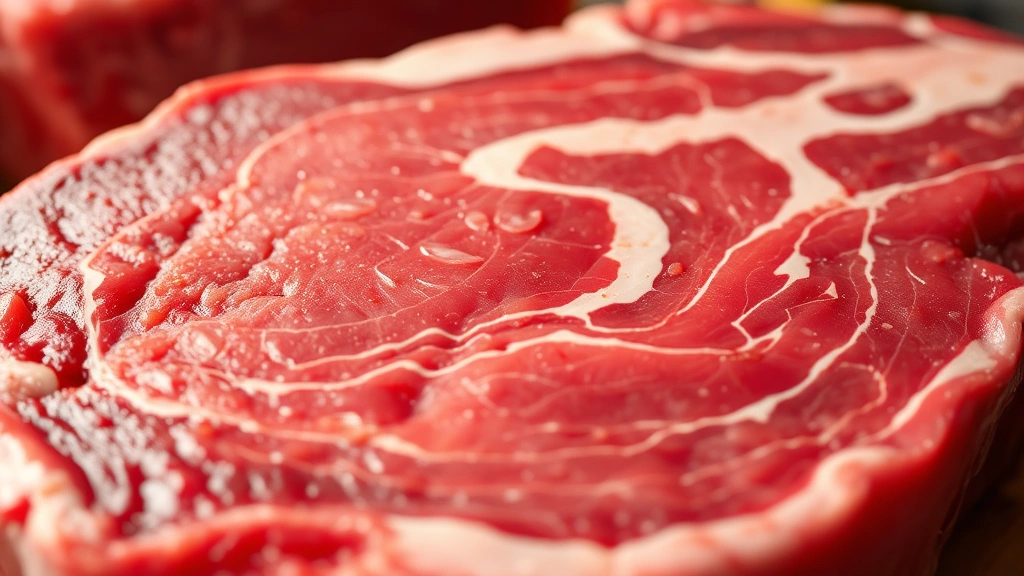
However, ribeye’s higher fat content does not necessarily make it nutritionally inferior. The marbling—intramuscular fat distribution—in ribeye contributes to superior flavor, improved cooking characteristics, and enhanced satiety compared to leaner cuts. Furthermore, the fat-soluble vitamin absorption advantages and potential metabolic benefits from compounds like CLA suggest that ribeye occupies a distinct nutritional niche rather than representing a less-optimal choice than leaner alternatives.
Ground beef, another popular form, typically contains 15-20% fat by weight in standard preparations. While ground beef offers convenience and versatility, ribeye steak provides superior nutritional density per calorie due to its protein concentration and micronutrient profile. Conversely, ultra-lean cuts like eye of round contain minimal fat but also provide less flavor and satiety, potentially leading to overconsumption of other foods to achieve satisfaction.
Preparation Methods and Nutritional Impact
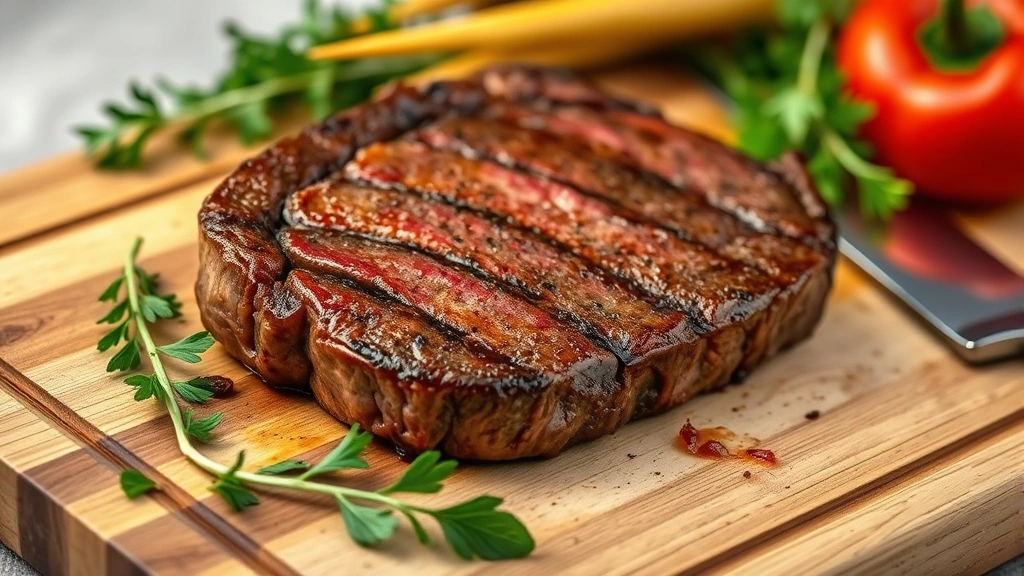
How ribeye steak is prepared significantly influences its final nutritional profile and health implications. Grilling or broiling ribeye with minimal added fat preserves the meat’s inherent nutritional content while limiting caloric addition. These dry-heat cooking methods result in a 3-ounce serving containing approximately 180-210 calories with all micronutrients intact.
Pan-frying in butter, oil, or bacon fat substantially increases caloric content, potentially adding 80-120 calories per serving depending on the quantity of added fat. While this cooking method enhances flavor and can improve the absorption of fat-soluble vitamins, individuals monitoring caloric intake should account for these additions. Using minimal amounts of high-smoke-point oils like avocado oil or ghee provides cooking advantages while limiting caloric addition compared to butter.
Marinating ribeye in acidic components like vinegar, citrus juice, or wine can enhance tenderness and may reduce the formation of potentially problematic compounds like heterocyclic amines (HCAs) that form during high-heat cooking. Research suggests that marinades containing antioxidant-rich herbs and spices further reduce HCA formation, supporting both flavor and health objectives simultaneously.
Cooking temperature influences nutritional profile, with medium-rare preparation preserving more heat-sensitive nutrients compared to well-done preparations. Extended cooking times at high temperatures increase nutrient loss and compound formation, making moderate cooking temperatures nutritionally advantageous. The relationship between cooking methods and overall nutritional outcomes means that ribeye preparation deserves thoughtful consideration within broader dietary strategy.
Incorporating Ribeye Into a Balanced Diet
Ribeye steak can absolutely be incorporated into health-conscious dietary patterns when portion sizes and frequency are appropriately managed. Serving size recommendations typically suggest 3-4 ounces of cooked meat per meal, a portion that provides substantial protein while maintaining reasonable caloric and saturated fat intake. Pairing ribeye with nutrient-dense vegetables, whole grains, or legumes creates balanced meals that complement ribeye’s nutritional strengths while addressing any perceived nutritional gaps.
For individuals following specific dietary protocols, ribeye fits naturally into low-carbohydrate, ketogenic, paleo, and carnivore approaches due to its macronutrient composition and minimal carbohydrate content. Conversely, those pursuing higher-carbohydrate or plant-focused diets can still incorporate ribeye strategically, perhaps limiting frequency to weekly consumption while maximizing vegetable intake at those meals.
Consulting the Nutrients Pathway Blog provides additional guidance on integrating various protein sources into comprehensive nutritional strategies. Additionally, understanding how different foods interact—such as pairing ribeye with fiber-rich vegetables to support digestive health—enhances the overall nutritional benefit of meals containing this premium cut.
Individual health status significantly influences optimal ribeye consumption patterns. Those with elevated cholesterol, cardiovascular disease risk factors, or specific health conditions should consult healthcare providers regarding appropriate frequency and portion sizes. Conversely, individuals with higher protein requirements due to athletic training, aging, or muscle-building objectives may benefit from more frequent ribeye consumption compared to general population recommendations.
For those exploring complementary nutritional approaches, examining resources like nutrition facts about avocados demonstrates how different foods can be strategically combined. Pairing ribeye’s protein and B vitamins with avocado’s potassium, healthy fats, and fiber creates nutritionally synergistic meals that address multiple dietary objectives simultaneously.
The importance of dietary fiber becomes particularly relevant when consuming protein-focused meals centered on ribeye steak. While beef itself contains no fiber, the importance of dietary fiber for your health suggests that meals incorporating ribeye should include substantial vegetable or legume components to meet fiber recommendations and support digestive health.
FAQ
How much protein does a ribeye steak contain?
A 3-ounce (85-gram) serving of cooked ribeye steak contains approximately 20-24 grams of complete protein, providing roughly 40-50% of the daily recommended intake for average adults. This high protein concentration, combined with the presence of all nine essential amino acids, makes ribeye an exceptionally efficient protein source.
Is ribeye steak high in saturated fat?
Ribeye contains approximately 4-6 grams of saturated fat per 3-ounce serving, representing 20-30% of the daily recommended limit. While this saturated fat concentration is notable, contemporary research suggests that the relationship between beef consumption and health outcomes depends on overall dietary patterns, individual metabolic factors, and lifestyle variables rather than saturated fat content alone.
What vitamins and minerals are in ribeye steak?
Ribeye provides substantial amounts of vitamin B12 (25-30% daily value), niacin, selenium, zinc, iron, and phosphorus per 3-ounce serving. These micronutrients support energy metabolism, immune function, neurological health, and oxygen transport, making ribeye nutritionally dense beyond its macronutrient profile.
Can ribeye be part of a healthy diet?
Yes, ribeye can be incorporated into health-conscious dietary patterns when consumed in appropriate portions (3-4 ounces) and frequency. Pairing ribeye with nutrient-dense vegetables, whole grains, and legumes creates balanced meals that leverage ribeye’s nutritional strengths while addressing overall dietary objectives.
How does ribeye compare to other beef cuts nutritionally?
Ribeye contains more total fat and slightly fewer calories per gram of protein compared to leaner cuts like sirloin. However, ribeye’s marbling enhances flavor and satiety while providing fat-soluble vitamin absorption advantages. The choice between ribeye and leaner cuts depends on individual nutritional goals, caloric requirements, and taste preferences.
Does cooking method affect ribeye’s nutrition?
Cooking method significantly influences ribeye’s final nutritional profile. Grilling or broiling with minimal added fat preserves nutritional content while limiting caloric addition. Pan-frying in butter or oil increases caloric content by 80-120 calories per serving. Medium-rare preparation preserves more heat-sensitive nutrients compared to well-done cooking.
Is ribeye steak suitable for ketogenic diets?
Ribeye steak is excellent for ketogenic diets due to its zero-carbohydrate composition, high fat content, and substantial protein. A single 3-ounce serving provides macronutrients ideally suited to ketogenic objectives while delivering micronutrients that support metabolic health during carbohydrate restriction.