Are Rice Cakes Healthy? Dietitian Insights on Nutrition and Benefits
Rice cakes have become a staple in many health-conscious pantries, often marketed as a light, low-calorie snack alternative to bread and crackers. Yet despite their popularity, questions persist about whether rice cakes truly deserve their reputation as a nutritious choice. As a new media nutrition resource, we’re diving deep into the science behind rice cake nutrition to help you make informed dietary decisions.
Understanding rice cake nutrition requires looking beyond marketing claims and examining the actual nutritional profile, glycemic impact, and how they fit into a healthy nutrition plan. Whether you’re considering rice cakes as a weight management tool or simply wondering if they belong in your diet, this comprehensive guide provides dietitian-backed insights to answer your questions.

Rice Cake Nutrition Facts Explained
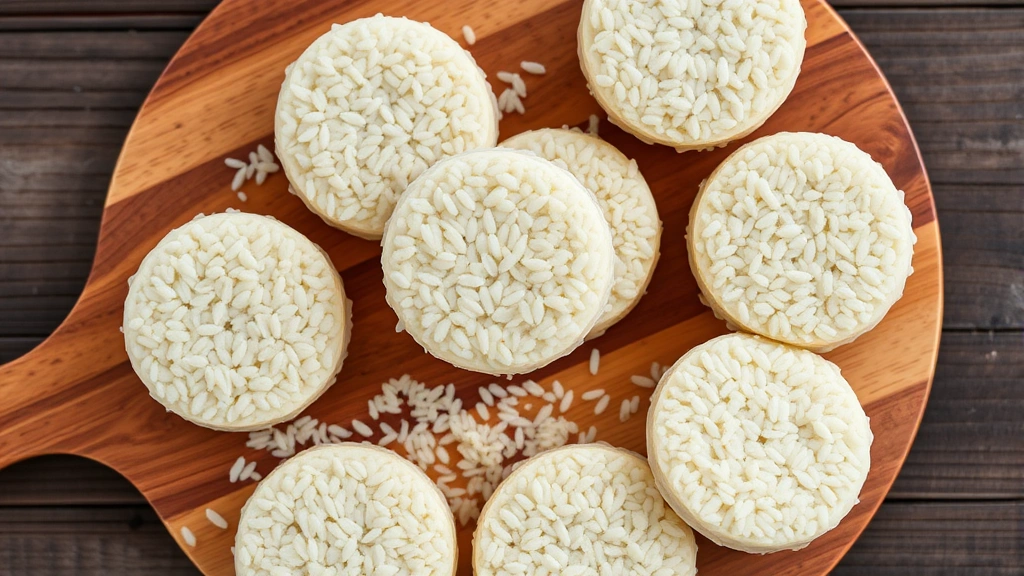
A standard rice cake (about 9 grams) contains approximately 35 calories, making it an exceptionally low-calorie snack. The macronutrient breakdown reveals minimal protein (roughly 0.7 grams), virtually no fat (0.3 grams), and about 7 grams of carbohydrates. This composition immediately explains why rice cakes appeal to calorie-conscious consumers, but it also highlights a fundamental limitation: they provide minimal satiety and nutritional density.
The carbohydrate content in rice cakes is almost entirely simple carbohydrates, primarily from refined white rice. This means they lack the fiber that whole grains provide—a typical rice cake contains less than 1 gram of fiber. Fiber is crucial for digestive health, sustained energy, and feeling full longer. Additionally, rice cakes contain negligible amounts of essential vitamins and minerals, including B vitamins, iron, and magnesium, unless they’re fortified during manufacturing.
When examining rice cake nutrition more closely, it’s worth noting that many commercial varieties contain added sodium, sometimes accounting for 10-15% of the daily recommended intake per cake. Some brands also add sugar or sweeteners to enhance flavor, which can push the carbohydrate content higher and undermine any potential health benefits. Understanding these details helps contextualize why nutrient-dense alternatives might be preferable in many situations.
The manufacturing process itself affects rice cake quality. Most commercial rice cakes are made from white rice that’s been milled, removing the bran and germ—the most nutrient-rich components. Some manufacturers produce brown rice cakes, which retain slightly more fiber and nutrients, though the difference remains modest. Sprouted rice cakes represent another option, offering marginally improved nutrient bioavailability, though they’re less commonly available.
Glycemic Index and Blood Sugar Impact
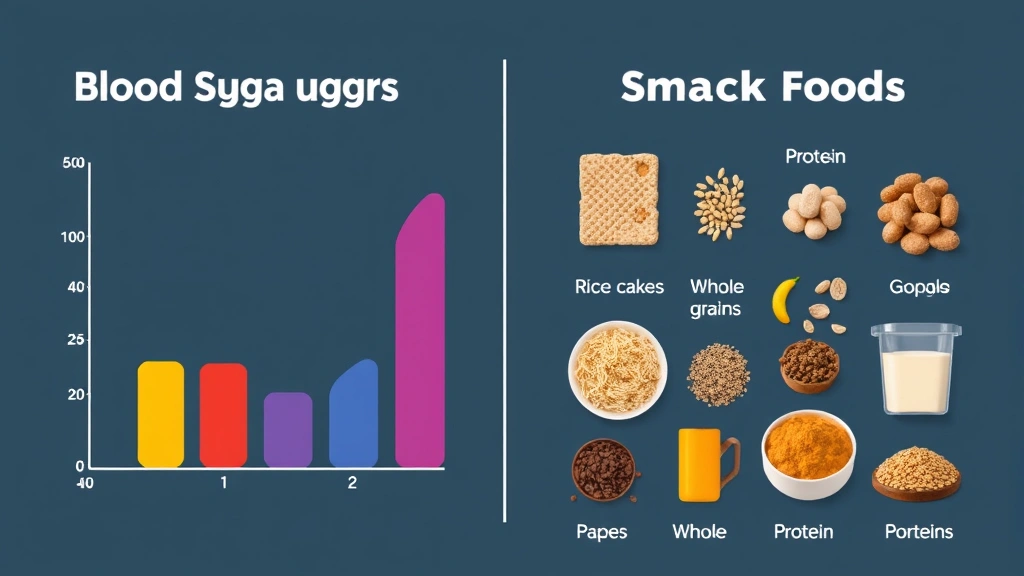
One of the most significant criticisms of rice cakes concerns their glycemic index (GI)—a measure of how quickly foods raise blood sugar levels. Rice cakes have a high glycemic index, typically ranging from 82 to 91, depending on the variety and brand. For context, this places them in the same category as white bread and sugary cereals. Pure glucose has a GI of 100, so rice cakes approach this benchmark relatively closely.
The high GI of rice cakes means they cause rapid spikes in blood glucose and insulin levels. This creates several problems: the energy boost is short-lived, followed by an energy crash that often triggers hunger and cravings. For individuals managing diabetes or prediabetes, this blood sugar volatility is particularly problematic. Research from nutrition science databases consistently demonstrates that high-GI foods contribute to weight gain and metabolic dysfunction over time.
The glycemic load (GL)—which accounts for portion size—of a single rice cake is relatively low because of the small serving size, but consuming multiple cakes significantly increases the overall glycemic impact. A stack of three rice cakes with toppings can spike blood sugar as dramatically as consuming a slice of white bread. This is where many people underestimate rice cakes’ metabolic impact; their small size makes it easy to consume excessive quantities without realizing the cumulative effect.
For athletes and highly active individuals, the quick carbohydrate delivery that rice cakes provide might offer benefits for optimizing athletic performance, particularly as a pre-workout or post-workout snack. However, for sedentary individuals or those focused on stable energy and weight management, the high glycemic impact becomes a significant liability.
Comparing Rice Cakes to Other Snack Options
To properly evaluate whether rice cakes are healthy, we must compare them to realistic alternatives. When stacked against whole grain bread, rice cakes fall short in nearly every nutritional category. A slice of whole wheat bread contains approximately 80 calories but provides 3-4 grams of fiber and more substantial protein content. The fiber in whole grain bread significantly reduces the glycemic impact, creating a more stable blood sugar response.
Compared to nuts and seeds—another popular snack—rice cakes are nutritionally inferior. A small handful of almonds (about 23 nuts, 160 calories) provides 6 grams of protein, 3.5 grams of fiber, and beneficial monounsaturated fats that support heart health and satiety. While nuts are calorie-dense, their nutritional density and satiating properties mean smaller portions satisfy hunger more effectively than rice cakes.
Against crackers made from whole grains, legumes, or seeds, rice cakes again lack competitive advantages. Legume-based crackers offer superior protein content and fiber, supporting better blood sugar control. Seed-based crackers provide healthy fats, minerals, and phytochemicals that rice cakes simply cannot match. The primary advantage rice cakes maintain over these alternatives is their extremely low calorie content, which matters only if weight reduction is the sole dietary priority.
When compared to fresh fruit, rice cakes seem particularly inadequate. An apple contains fiber, vitamins, minerals, antioxidants, and phytochemicals in a naturally packaged form that promotes satiety. The fructose in fruit is metabolized differently than the refined carbohydrates in rice cakes, and the fiber content moderates any blood sugar impact. Even dried fruit, despite its concentrated sugar content, provides more nutritional value than plain rice cakes.
Benefits of Rice Cakes for Specific Diets
Despite their limitations, rice cakes do offer legitimate benefits within specific dietary contexts. For individuals with celiac disease or non-celiac gluten sensitivity, rice cakes made from pure rice provide a safe, gluten-free snacking option. Rice naturally contains no gluten, making it an accessible choice for those requiring gluten avoidance. This represents a genuine health benefit, though other gluten-free alternatives (quinoa crackers, corn cakes) may offer superior nutrition.
In low-FODMAP diets, often recommended for individuals with irritable bowel syndrome (IBS), rice cakes are well-tolerated. Their simple composition and low fiber content make them less likely to trigger digestive distress compared to whole grain alternatives. For people managing IBS symptoms, rice cakes can serve as a gentle snacking option, though they should be paired with protein and healthy fats for better tolerance and nutritional completeness.
Rice cakes also suit specific athletic contexts. Endurance athletes sometimes use rice cakes as a convenient source of quick carbohydrates during training or competition. When combined with protein and electrolytes, rice cakes can help maintain energy during prolonged physical activity. This application aligns with sports nutrition principles that emphasize rapid carbohydrate availability during intense exertion.
For individuals following certain restrictive eating patterns where calorie counting dominates, rice cakes offer psychological benefits. Their low calorie density allows people to consume a satisfying volume of food without exceeding calorie targets. However, this benefit is undermined by poor satiety; the large volume consumed often fails to prevent subsequent hunger and overeating.
Potential Drawbacks and Concerns
Beyond the glycemic concerns, rice cakes present several other nutritional drawbacks worth considering. The refining process that creates white rice cakes removes beneficial compounds, including phytic acid’s mineral-binding properties and the protective antioxidants found in rice bran. This is why improving nutrient absorption through whole food sources proves more effective than consuming refined products.
Arsenic contamination represents a legitimate concern specific to rice products. Rice accumulates arsenic from soil and water more readily than other grains, and white rice contains higher inorganic arsenic concentrations than brown rice. While the arsenic content in individual rice cakes is unlikely to cause acute harm, regular consumption contributes to cumulative exposure. The FDA and international health organizations continue monitoring arsenic in rice products, suggesting ongoing concern about this contaminant.
The lack of satiety-promoting compounds in rice cakes often leads to overconsumption. People frequently eat multiple cakes in a sitting, sometimes with calorie-dense toppings like nut butters, cheese, or chocolate spreads. This transforms a low-calorie snack into a surprisingly calorie-dense meal while still failing to provide adequate protein and fiber for sustained satisfaction. This pattern often undermines weight management goals that motivated the original rice cake choice.
From a dental health perspective, rice cakes pose problems. Their refined carbohydrate content and sticky texture promote bacterial growth in the mouth, potentially increasing cavity risk. Unlike whole foods that require significant chewing, rice cakes break down quickly, providing minimal mechanical cleansing action on teeth. Individuals concerned about dental health should be cautious about frequent rice cake consumption.
How to Choose the Healthiest Rice Cakes
If you decide to incorporate rice cakes into your diet, selecting the highest-quality option matters. Brown rice cakes marginally outperform white rice varieties, retaining more of the bran and germ. Look for brands that specify “brown rice” rather than simply “rice” on the packaging. The additional fiber content, while still modest (1-2 grams per cake), makes a measurable difference in glycemic impact.
Sprouted rice cakes represent another upgrade. Sprouting activates enzymes that increase nutrient bioavailability and reduce anti-nutrients like phytic acid. Some sprouted rice cakes also contain added seeds or grains that boost fiber and protein content. Checking the ingredient list for sprouted rice as the first ingredient confirms you’re getting this enhanced product.
Examine sodium content carefully, as some brands contain excessive salt. Aim for products with less than 100 mg of sodium per cake. Avoid varieties with added sugars or sweeteners, which defeat the purpose of choosing a low-calorie option. The ingredient list should be minimal: rice, water, and perhaps salt. Complex ingredient lists suggest unnecessary additives.
Some manufacturers produce rice cakes with added protein, often from pea or whey protein isolates. These enhanced versions provide 3-5 grams of protein per cake, significantly improving satiety and blood sugar stability. While more expensive than plain varieties, they address some fundamental limitations of traditional rice cakes. These represent a more nutritionally sound choice if you’re committed to rice cake consumption.
Smart Ways to Eat Rice Cakes
If rice cakes fit your dietary preferences, strategic pairing with complementary foods dramatically improves their nutritional profile and satiating power. Topping rice cakes with nutrient-dense foods creates balanced snacks that support stable energy and satisfaction. A rice cake topped with almond butter and sliced banana combines carbohydrates, protein, and healthy fats—creating a more complete nutritional profile than the rice cake alone.
Pairing rice cakes with protein-rich toppings—such as Greek yogurt, cottage cheese, or turkey breast—slows carbohydrate absorption and prevents blood sugar spikes. Adding vegetables like cucumber, tomato, or avocado increases fiber, micronutrient content, and satiety. The key principle is never eating rice cakes plain; always combine them with foods that provide protein, fiber, and healthy fats.
Portion control remains crucial. Rather than mindlessly consuming multiple cakes, intentionally limit yourself to one or two, treating them as a component of a balanced snack rather than a standalone meal. This prevents the overconsumption that often accompanies rice cake eating due to their low satiety value. Practicing mindful eating—eating slowly and paying attention to hunger cues—helps prevent exceeding intended portions.
Timing matters as well. Consuming rice cakes as a pre-workout snack aligns with their high glycemic properties, providing readily available carbohydrates for physical activity. Eating them alongside protein before bed is unwise, as the rapid blood sugar spike followed by a crash can disrupt sleep quality. Afternoon snacking on rice cakes might trigger energy crashes that lead to evening overeating.
For individuals implementing the principles outlined in comprehensive nutrition resources, rice cakes can occasionally fit within balanced eating patterns, but they shouldn’t form the foundation of your snacking strategy. They work best as occasional convenience foods rather than dietary staples, particularly for those prioritizing stable energy, weight management, and metabolic health.
FAQ
Are rice cakes good for weight loss?
Rice cakes’ extreme low-calorie content might initially seem beneficial for weight loss, but their poor satiety means they often lead to overeating. The rapid blood sugar spike and subsequent crash trigger hunger and cravings, potentially undermining weight loss efforts. Whole grain alternatives with protein and fiber prove more effective for sustainable weight management.
Do rice cakes have any nutritional value?
Plain rice cakes offer minimal nutritional value, providing primarily empty carbohydrates. Some varieties are fortified with vitamins and minerals, but this doesn’t compare to obtaining nutrients from whole foods. Brown rice or sprouted varieties provide slightly better nutrition, though the improvements remain modest.
Can people with diabetes eat rice cakes?
The high glycemic index of rice cakes makes them problematic for diabetes management. They cause rapid blood sugar spikes that complicate blood glucose control. Individuals with diabetes should choose low-glycemic alternatives like whole grain bread or legume-based crackers instead.
Are rice cakes better than bread?
Whole grain bread typically outperforms rice cakes nutritionally, providing more fiber, protein, and micronutrients. While white bread resembles rice cakes in nutritional profile, whole grain bread offers superior benefits for blood sugar control and satiety. The comparison depends on bread type, but quality bread generally exceeds rice cake nutrition.
What’s the best way to eat rice cakes?
Always pair rice cakes with protein, healthy fats, and vegetables to improve nutritional value and satiety. Limit portions to one or two cakes per snack, treat them as occasional convenience foods rather than dietary staples, and consume them strategically around physical activity when rapid carbohydrate absorption becomes beneficial.
Are brown rice cakes healthier than white rice cakes?
Brown rice cakes are marginally healthier, retaining slightly more fiber and nutrients from the bran. However, the nutritional improvement remains modest. Both varieties share fundamental limitations regarding satiety and nutritional density, though brown rice represents the better choice if selecting between the two.