
Are Rice Cakes Healthy? Nutritionist Insight on Rice Cakes Nutrition Facts
Rice cakes have maintained their position as a staple snack in health-conscious pantries for decades, yet nutritional science continues to reveal nuanced truths about their actual benefits and drawbacks. Once marketed as the ultimate diet-friendly alternative to bread and crackers, rice cakes occupy an interesting middle ground in modern nutrition discourse. Understanding rice cakes nutrition facts requires moving beyond marketing claims to examine their actual nutritional composition, glycemic impact, and role within a balanced diet.
The question “are rice cakes healthy?” doesn’t have a simple yes or no answer. Like many processed grain products, rice cakes present both advantages and limitations depending on your dietary goals, health status, and how you incorporate them into your overall eating pattern. This comprehensive analysis draws on current nutritional research to help you make informed decisions about whether rice cakes deserve a permanent place in your kitchen.
Rice Cakes Nutrition Facts Breakdown
A standard rice cake (approximately 9 grams) contains roughly 35 calories, making it an extremely low-calorie snack option. The macronutrient profile shows approximately 7 grams of carbohydrates, less than 1 gram of protein, and minimal fat content. This composition explains their popularity among calorie-restricted diets, though it simultaneously reveals a significant nutritional limitation: rice cakes provide very little sustained satiety or nutritional density.
The primary ingredient in most rice cakes is puffed white rice, which undergoes significant processing that removes the bran and germ layers containing most of the grain’s nutrients. This processing explains why plain rice cakes lack substantial amounts of B vitamins, minerals, and other micronutrients naturally present in whole grains. Many manufacturers fortify rice cakes with added vitamins and minerals to compensate, but these synthetic additions don’t replicate the nutritional complexity of whole foods.
When examining specific rice cakes nutrition facts, you’ll notice that most varieties contain minimal amounts of iron, magnesium, and zinc—minerals crucial for energy production, muscle function, and immune health. The sodium content varies significantly between brands, ranging from negligible amounts in plain varieties to 100+ mg in seasoned options. For individuals following a healthy nutrition plan, understanding these specifics becomes essential for making strategic dietary choices.
Protein content in rice cakes presents another limitation. With less than 1 gram per cake, they cannot serve as a protein source and should be paired with protein-rich toppings to create a balanced snack. This characteristic makes plain rice cakes problematic as standalone meals, particularly for individuals with higher protein requirements or those pursuing muscle development goals.
Glycemic Index and Blood Sugar Impact
Perhaps the most significant health consideration surrounding rice cakes involves their glycemic index (GI) rating. White rice cakes typically score between 82-91 on the glycemic index scale, placing them in the “high GI” category. This means they cause rapid spikes in blood glucose levels shortly after consumption, triggering corresponding insulin responses from your pancreas.
For individuals with diabetes, prediabetes, or those simply seeking to maintain stable energy levels throughout the day, high-GI foods present legitimate concerns. The rapid blood sugar elevation followed by inevitable crashes can contribute to energy fluctuations, increased hunger signals, and over-consumption of calories. Research from Harvard Health Publishing consistently emphasizes the importance of managing glycemic load for long-term health outcomes.
Brown rice cakes offer a marginally better option, with slightly lower glycemic indices due to retained fiber in the outer bran layer. However, even brown rice cakes remain relatively high-GI foods compared to legumes, nuts, or steel-cut oats. The difference, while measurable, may not be substantial enough to significantly alter blood sugar response patterns for most individuals.
Understanding glycemic impact becomes particularly important when considering rice cakes within the context of nutrition for athletes. While the rapid carbohydrate availability might benefit endurance athletes during competition, recreational exercisers and sedentary individuals derive minimal advantage from this characteristic.

” alt=”Nutritionist analyzing food labels and rice cake packages on a modern kitchen counter with fresh vegetables and measurement tools”>
Fiber Content and Digestive Health
The fiber content in rice cakes represents perhaps their most glaring nutritional deficit. A single plain rice cake contains approximately 0.4 grams of dietary fiber, contributing less than 2% of the recommended daily intake. This minimal fiber content fails to support the digestive health benefits that whole grains theoretically provide.
Adequate fiber intake plays crucial roles in digestive regularity, cholesterol management, weight regulation, and blood sugar stability. The lack of fiber in rice cakes means they cannot contribute meaningfully to these health outcomes. In contrast, dietary fiber serves essential functions that rice cakes simply cannot replicate due to their highly processed nature.
Brown rice cakes provide slightly more fiber than white varieties, typically containing around 0.6-0.8 grams per cake, but this modest increase still falls far short of meaningful dietary contribution. To put this in perspective, a single apple contains approximately 4 grams of fiber, roughly ten times the amount found in a brown rice cake.
For individuals seeking to increase fiber intake and support digestive health, other snacking options deliver substantially superior results. This reality should inform decision-making when considering whether rice cakes warrant inclusion in a health-focused diet.
Sodium and Additives Concerns
While plain rice cakes contain minimal sodium, flavored varieties often contain concerning amounts of this mineral. Some seasoned rice cakes deliver 100-150 mg of sodium per serving, representing 4-6% of the recommended daily limit from a single small snack. For individuals managing hypertension or following sodium-restricted diets, these additions become problematic.
Beyond sodium, many commercial rice cakes contain artificial flavors, preservatives, and additives designed to enhance taste and extend shelf life. Ingredients like monosodium glutamate (MSG), artificial sweeteners, and various emulsifiers appear in many popular brands. While regulatory agencies consider these additives safe in specified quantities, individuals pursuing minimally processed diets may prefer avoiding such ingredients.
The processing methods used to manufacture rice cakes also warrant consideration. The puffing process involves high temperatures and pressure, which some nutritionists argue diminishes nutritional value further compared to whole grains prepared through gentler cooking methods. Additionally, the fine, powdery texture of rice cakes results in rapid digestion with minimal mechanical digestive work required.
Reading ingredient labels becomes essential when selecting rice cakes. Choosing varieties with minimal additives and lower sodium content represents a harm-reduction approach, though this modification doesn’t fundamentally address the underlying nutritional limitations of the product category.
Comparing Rice Cakes to Alternatives
To properly evaluate whether rice cakes merit inclusion in your diet, comparison with alternative snacking options provides essential context. Whole grain crackers, while still processed, retain more fiber and typically contain more protein than rice cakes. A serving of whole grain crackers might provide 3-4 grams of fiber and 3-4 grams of protein compared to rice cakes’ negligible amounts.
Nuts and seeds represent nutritionally superior alternatives, providing healthy fats, protein, fiber, and micronutrients in concentrated forms. A small handful of almonds (approximately 23 nuts, 28 grams) delivers 6 grams of protein, 3.5 grams of fiber, and beneficial monounsaturated fats, along with significant amounts of vitamin E and magnesium. While higher in calories than rice cakes, nuts provide substantially greater nutritional value and superior satiety.
Legume-based snacks like roasted chickpeas or lentil chips offer excellent alternatives, combining high protein and fiber with lower glycemic impact. These options better support stable energy levels and sustained fullness throughout the day. Fresh fruits paired with nutrition facts about avocados or nut butters create balanced snacks providing carbohydrates, healthy fats, protein, and micronutrients.
Whole grain bread, despite containing more calories than rice cakes, provides superior nutritional profiles with higher fiber, protein, and micronutrient content. When considering calorie content in isolation, rice cakes appear advantageous, but evaluating nutritional density per calorie reveals whole grain alternatives often provide better overall value.
For individuals specifically seeking low-calorie options, Greek yogurt offers approximately 15-20 calories per tablespoon with substantial protein content, making it a far more nutrient-dense alternative to plain rice cakes. Cottage cheese similarly provides protein and satiety benefits lacking in rice cakes.
Best Practices for Rice Cake Consumption
If you choose to include rice cakes in your diet, strategic consumption approaches can minimize their nutritional limitations. Never consume rice cakes plain; instead, pair them with nutrient-dense toppings that enhance their nutritional profile. Excellent topping options include:
- Nut butters (almond, peanut, or tahini) providing protein, healthy fats, and fiber
- Mashed avocado offering healthy fats, fiber, and potassium
- Cottage cheese or Greek yogurt adding protein and probiotics
- Sliced vegetables with hummus combining fiber, protein, and micronutrients
- Eggs providing complete protein and choline
- Smoked salmon delivering omega-3 fatty acids and protein
These topping combinations transform rice cakes from nutritionally hollow snacks into balanced options supporting satiety and providing diverse micronutrients. The toppings ultimately become the nutritional foundation of the snack, with rice cakes serving merely as a vehicle.
Portion control remains important even with nutritious toppings. Rice cakes’ low satiety factor means people often consume multiple cakes without achieving fullness, leading to unintended calorie overconsumption. Being mindful of portion sizes prevents this common pitfall.
Brown rice cakes represent a modest improvement over white varieties, offering slightly increased fiber and mineral content. If choosing between options, brown rice cakes deserve preference, though this distinction shouldn’t overshadow their fundamental nutritional limitations compared to whole grains.
Consider rice cakes occasional convenience foods rather than dietary staples. They serve legitimate purposes for individuals requiring portable, shelf-stable snacks or those with specific digestive sensitivities to whole grains. However, for most people pursuing optimal nutrition, whole food alternatives deserve priority status in snacking strategies.
Consulting resources like the Academy of Nutrition and Dietetics provides evidence-based guidance for developing personalized snacking approaches aligned with individual health goals. Additionally, exploring how to improve nutrient absorption helps maximize the nutritional value of your overall diet regardless of individual food choices.
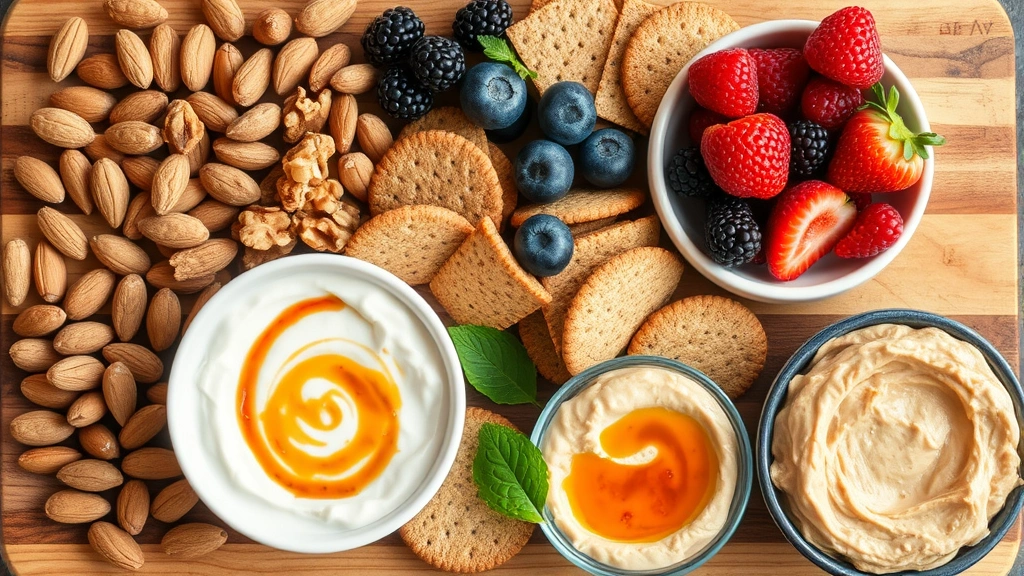
” alt=”Overhead view of various nutritious snack alternatives including nuts, fresh berries, whole grain crackers, and Greek yogurt arranged on a wooden serving board”>
FAQ
Are rice cakes good for weight loss?
Rice cakes’ extremely low calorie content (35 calories per cake) initially appears advantageous for weight loss, but their minimal protein and fiber mean they don’t provide sustained satiety. This often leads to consuming multiple cakes or experiencing hunger shortly after consumption, potentially undermining weight loss efforts. Alternatives providing protein and fiber deliver superior weight management support.
Do rice cakes have nutritional value?
Plain rice cakes provide minimal nutritional value, offering primarily simple carbohydrates with negligible amounts of protein, fiber, vitamins, and minerals. Fortified varieties include added micronutrients, but these synthetic additions don’t replicate the nutritional complexity of whole foods. Topping rice cakes with nutrient-dense options substantially improves their overall nutritional profile.
Are rice cakes suitable for diabetics?
Rice cakes’ high glycemic index (82-91) causes rapid blood sugar spikes, making them problematic for individuals with diabetes or prediabetes. These individuals benefit more from low-GI alternatives like legumes, nuts, or whole grains that provide sustained energy without dramatic glucose fluctuations.
How do rice cakes compare to bread?
While rice cakes contain fewer calories than bread (35 vs. 80-100 per serving), whole grain bread provides superior nutritional value with higher fiber, protein, and micronutrient content. Rice cakes offer convenience and shelf stability, but nutritional comparison favors whole grain bread for most dietary purposes.
Can rice cakes be part of a healthy diet?
Rice cakes can fit within healthy diets when consumed strategically with nutrient-dense toppings and in moderation. However, they shouldn’t form dietary staples or replace whole grain alternatives. For individuals with specific dietary needs (portability, certain digestive sensitivities), rice cakes serve functional purposes, but most people derive greater nutritional benefit from whole food alternatives.
What’s the difference between white and brown rice cakes?
Brown rice cakes retain the bran layer, providing marginally more fiber (0.6-0.8g vs. 0.4g) and slightly more minerals than white varieties. This modest improvement makes brown rice cakes the preferable choice, though neither option provides substantial nutritional density compared to whole grain alternatives.
Should I avoid rice cakes entirely?
Complete avoidance isn’t necessary unless specifically contraindicated by individual health conditions. Rice cakes serve legitimate purposes as occasional convenience foods, particularly for individuals with specific digestive needs or preferences. However, they shouldn’t comprise significant portions of your snacking routine when superior alternatives exist.


