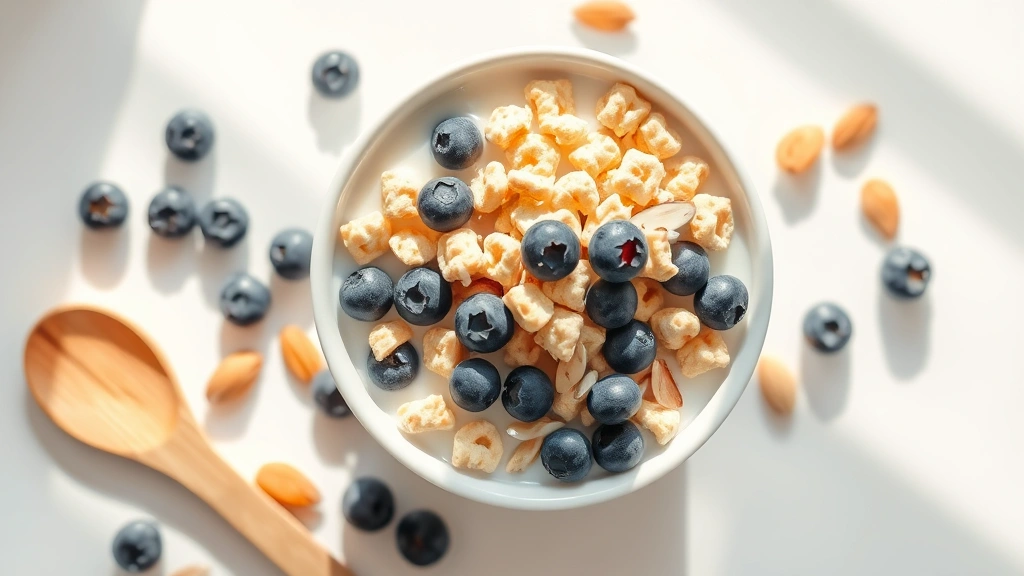
Rice Krispies Nutritional Value: Dietitian Insight
Rice Krispies has been a breakfast staple in American households for nearly a century, beloved for its signature crispy texture and the iconic “snap, crackle, pop” sound. However, as nutritional awareness continues to grow, many consumers are questioning what this beloved cereal actually contributes to their daily diet. Understanding the Rice Krispies nutritional profile requires examining not just the basic macronutrients, but also the added sugars, fortified vitamins, and how this breakfast choice fits into a balanced eating pattern. This comprehensive dietitian-backed analysis explores the complete nutritional picture of Rice Krispies, helping you make informed decisions about whether this cereal aligns with your health goals.
The cereal market has evolved dramatically over the past two decades, with consumers increasingly scrutinizing ingredient lists and nutritional labels. Rice Krispies occupies an interesting position in this landscape—it’s neither the most nutrient-dense option nor the most concerning choice. Whether you’re a parent selecting breakfast foods for your children, an athlete optimizing nutrition for athletic performance, or someone focused on building a healthy nutrition plan, understanding Rice Krispies’ nutritional value matters.
Complete Nutritional Breakdown Per Serving
A standard serving of Rice Krispies consists of one cup (approximately 33 grams) of dry cereal. According to the official nutrition facts label, this serving provides roughly 130 calories, making it one of the lower-calorie cereal options available. The macronutrient distribution shows 0 grams of fat, 29 grams of carbohydrates, and 2 grams of protein. These numbers reveal why Rice Krispies appeals to calorie-conscious consumers, though the protein content is notably modest.
When consumed with milk—the typical preparation method—the nutritional profile changes significantly. Adding one cup of low-fat milk adds approximately 100 calories, 8 grams of protein, and 12 grams of carbohydrates to your bowl. This transformation is important because many nutritional analyses fail to account for milk, presenting an incomplete picture. The nutrition facts label generator tools available online can help you customize calculations based on your specific milk choice and serving size.
The ingredient list reveals that Rice Krispies consists primarily of rice, sugar, and salt, along with added vitamins and minerals. The simplicity of the ingredient list is sometimes cited as an advantage compared to cereals with numerous additives and artificial ingredients. However, this simplicity also means fewer whole grains, nuts, seeds, and other nutrient-dense components that modern nutritionists recommend for optimal breakfast choices.
Sugar Content and Sweetness Profile
One of the most critical nutritional aspects of Rice Krispies is its sugar content. Each serving contains 4 grams of added sugar, which represents approximately 8% of the daily value based on a 2,000-calorie diet. While this is moderate compared to some heavily sweetened cereals that contain 12-15 grams per serving, it’s still significant enough to warrant consideration, particularly for individuals managing blood sugar levels or reducing overall sugar intake.
The American Heart Association recommends that added sugars comprise no more than 6% of daily caloric intake, translating to about 25 grams daily for women and 36 grams for men. A single bowl of Rice Krispies with milk consumes roughly 16% of the recommended daily added sugar for women, making it important to monitor other sugar sources throughout the day. This is especially relevant for children, whose recommended daily sugar intake is even lower—the WHO suggests no more than 5-10% of total calories from free sugars.
The sweetness of Rice Krispies comes primarily from the added sugar during manufacturing, though the rice itself contains some natural carbohydrates that break down into simple sugars during digestion. Understanding this distinction helps explain why Rice Krispies tastes noticeably sweet despite having relatively moderate sugar content compared to frosted or chocolate-flavored cereal varieties.
Fortified Vitamins and Minerals
Rice Krispies are heavily fortified with micronutrients, which significantly enhances their nutritional value beyond what the whole grain components alone would provide. A single serving delivers substantial percentages of daily values for several essential vitamins and minerals, including iron (45% DV), B vitamins, and other micronutrients. This fortification strategy is common in breakfast cereals and represents an important way that processed grain products contribute to meeting micronutrient needs.
The fortification process involves adding synthetic vitamins and minerals to the cereal during manufacturing. While these nutrients are chemically identical to those found in whole foods, some nutrition experts argue that obtaining micronutrients from whole foods provides additional beneficial compounds like phytochemicals and fiber. However, for populations at risk of micronutrient deficiencies, fortified cereals can serve as an accessible and affordable source of essential nutrients.
Specifically, Rice Krispies contains added thiamine (B1), riboflavin (B2), niacin (B3), and folic acid (B9), along with iron and other minerals. These B vitamins play crucial roles in energy metabolism, making them particularly relevant for breakfast consumption. The iron fortification is notable because plant-based iron (non-heme iron) has lower bioavailability than animal-based sources, though consuming it with vitamin C-rich foods can enhance absorption.
Fiber, Protein, and Macronutrient Analysis
One of the most significant nutritional shortcomings of Rice Krispies is its minimal fiber content. With less than 1 gram of fiber per serving, Rice Krispies fails to contribute meaningfully to the recommended daily fiber intake of 25-35 grams for adults. This is particularly problematic because breakfast is an ideal opportunity to consume fiber, which promotes satiety, supports digestive health, and helps regulate blood sugar levels throughout the morning.
The protein content of 2 grams per serving is similarly modest. While adding milk increases the protein significantly, relying solely on cereal plus milk provides an incomplete amino acid profile compared to protein-rich breakfast options like eggs, Greek yogurt, or nuts. For individuals focused on optimizing nutrition for athletic performance, Rice Krispies alone would be insufficient as a primary protein source.
The carbohydrate-dominant macronutrient profile means Rice Krispies provides quick energy but lacks the sustained satiety that protein and fat provide. This can result in increased hunger mid-morning, potentially leading to additional snacking. The glycemic index of Rice Krispies is relatively high, meaning it causes a more rapid blood sugar spike compared to whole grain cereals, which is relevant for individuals managing diabetes or prediabetes.
Comparison with Competing Cereals
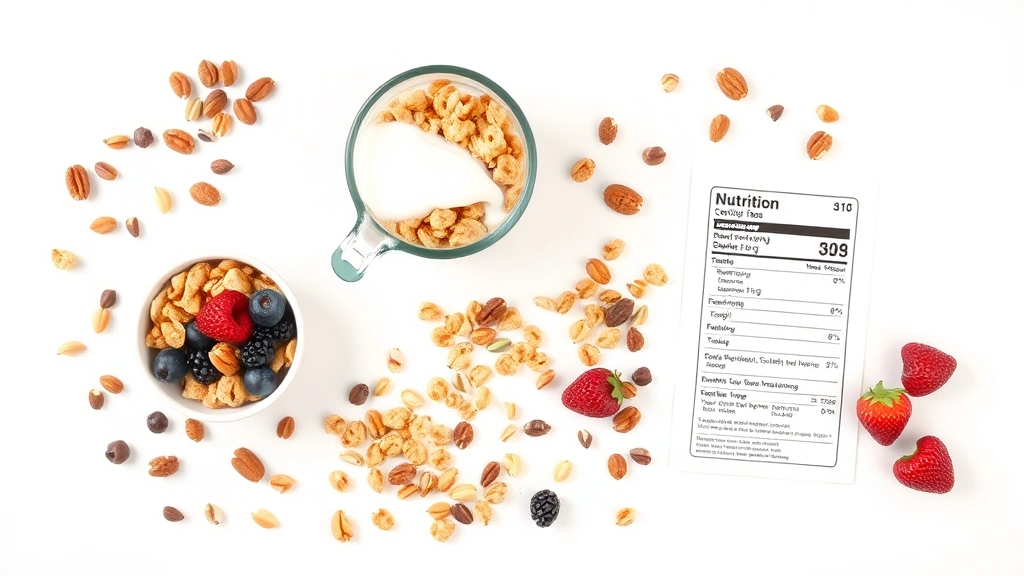
To contextualize Rice Krispies’ nutritional value, it’s helpful to compare it with other popular breakfast cereals. When examined alongside options like Frosted Flakes (which contain 12 grams of sugar per serving), Rice Krispies appears more moderate. However, compared to whole grain options like Cheerios (1 gram sugar, 3 grams fiber) or Grape-Nuts (7 grams fiber), Rice Krispies ranks lower in nutritional density.
The positioning of Rice Krispies in the market reflects a middle ground—more nutritious than heavily frosted varieties but less nutrient-dense than whole grain alternatives. This middle positioning explains its continued popularity despite the rise of healthier cereal options. Many consumers prioritize taste and texture over optimal nutrition, and Rice Krispies delivers on both fronts while avoiding the worst nutritional pitfalls of ultra-sweetened cereals.
According to research on food consumption patterns, breakfast cereal remains a significant source of calories and nutrients for American children and adults, making the nutritional comparison between options particularly relevant. The choice between Rice Krispies and alternatives has real implications for daily nutrient intake.
Health Implications and Dietary Considerations
For most healthy adults, consuming Rice Krispies occasionally as part of a balanced breakfast is unlikely to cause nutritional harm. However, making it a daily breakfast staple may not optimally support health goals. The combination of added sugar, minimal fiber, and low protein means that Rice Krispies doesn’t provide the sustained energy and satiety that nutritionists recommend for breakfast.
Individuals managing specific health conditions should exercise particular caution. Those with type 2 diabetes or prediabetes should be aware of Rice Krispies’ high glycemic index and the blood sugar response it may trigger. People trying to lose weight may find that the low protein and fiber content contributes to mid-morning hunger despite the modest calorie count. Parents concerned about children’s nutrition and mental health should consider that unstable blood sugar from high-glycemic breakfasts may impact concentration and mood throughout the school day.
The fortification of Rice Krispies does provide micronutrient value, particularly for populations with limited access to diverse, whole foods. In food-insecure communities, fortified cereals can serve an important role in preventing micronutrient deficiencies. This highlights the complexity of nutritional assessment—a food’s value exists on a spectrum depending on individual circumstances and available alternatives.
Recent research from nutrition science journals suggests that the quality of breakfast significantly impacts overall diet quality, with higher-quality breakfast choices correlating with better nutrition throughout the day. This means that choosing a more nutrient-dense cereal for breakfast may have cascading positive effects on daily food choices.
Ways to Enhance Nutritional Value
If you enjoy Rice Krispies and want to incorporate them into a nutritionally superior breakfast, several strategies can significantly enhance their nutritional profile without sacrificing taste. The most effective approach involves adding complementary foods that provide fiber, protein, and healthy fats that Rice Krispies lack on their own.
Adding fresh or frozen berries provides fiber, antioxidants, and natural sweetness that can reduce the perceived need for additional sugar. A handful of blueberries or strawberries adds minimal calories while substantially improving the nutritional density of your bowl. Similarly, adding nuts or seeds—whether almonds, walnuts, flaxseeds, or chia seeds—provides protein, healthy fats, and fiber that transform the meal into a more balanced option.
Choosing whole milk or Greek yogurt instead of lower-fat milk increases protein content significantly, improving satiety and nutrient density. You could also mix Rice Krispies with a higher-fiber cereal, creating a hybrid that combines the taste you enjoy with improved nutritional characteristics. Some people find success mixing Rice Krispies 50/50 with a whole grain cereal, creating a compromise that maintains palatability while improving fiber and nutrient content.
Pairing your Rice Krispies bowl with a protein-rich side—such as a hard-boiled egg, Greek yogurt, or a piece of whole grain toast with peanut butter—addresses the protein deficiency and helps stabilize blood sugar throughout the morning. This approach recognizes that breakfast doesn’t need to consist of a single food; combining Rice Krispies with complementary foods creates a nutritionally complete meal.
For those interested in exploring detailed nutritional information about various foods and creating customized meal plans, the Nutrients Pathway Blog provides comprehensive nutrition information and resources for understanding food composition. Additionally, consulting resources like the Nutrition Facts Label Generator can help you calculate exact nutritional values for your specific breakfast combinations.
FAQ
Is Rice Krispies a healthy breakfast choice?
Rice Krispies offers moderate nutritional value with fortified vitamins and minerals but falls short in fiber and protein content. It’s acceptable occasionally but not ideal as a daily breakfast staple. Pairing it with protein-rich milk, nuts, seeds, and fresh fruit significantly improves its nutritional profile.
How much sugar is in Rice Krispies?
A standard serving contains 4 grams of added sugar. With milk, a typical bowl contains approximately 16 grams of sugar total, representing a significant portion of recommended daily added sugar intake, particularly for children.
Does Rice Krispies contain whole grains?
Rice Krispies are made from rice that has been processed and refined, removing much of the fiber and some nutrients found in whole grain rice. They’re not considered a whole grain product despite being grain-based.
Can people with diabetes eat Rice Krispies?
Individuals with diabetes should be cautious with Rice Krispies due to their high glycemic index. Consulting with a healthcare provider or registered dietitian about portion sizes and pairing strategies is recommended before including them regularly in a diabetes management plan.
How do Rice Krispies compare nutritionally to other cereals?
Rice Krispies contain less sugar than frosted varieties but more than some whole grain options. They’re lower in fiber and protein than many healthier alternatives, positioning them as a middle-ground choice nutritionally.
What’s the best way to make Rice Krispies more nutritious?
Add berries, nuts, seeds, and protein-rich milk or yogurt to enhance fiber, protein, and nutrient content. Pairing with a separate protein source like eggs or Greek yogurt creates a more balanced meal that supports sustained energy and satiety.


