Rice Noodles Nutrition: Dietitian’s Insight
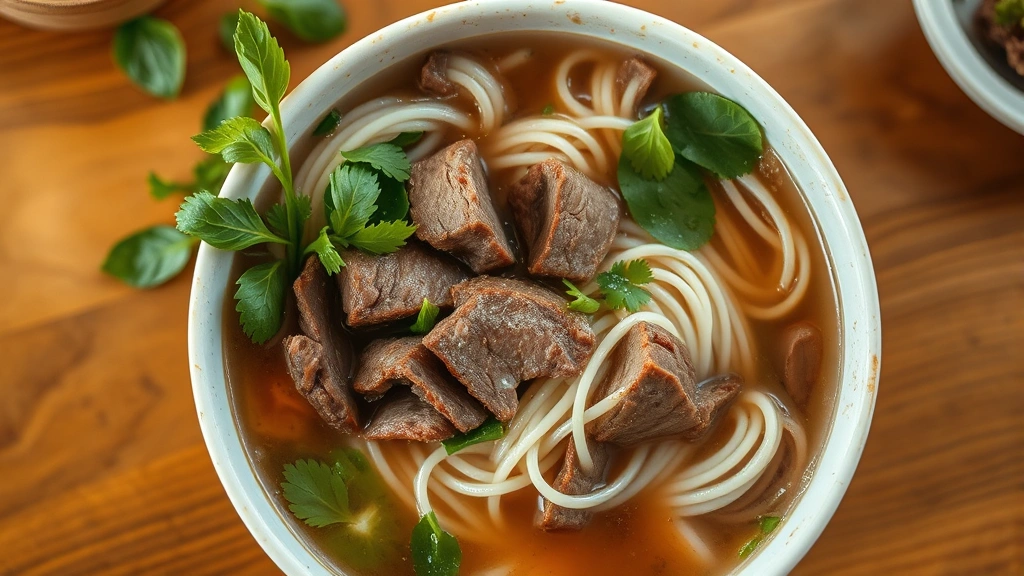
Rice noodles have become a staple in cuisines across Asia and increasingly popular in Western dietary patterns. Whether you’re enjoying a steaming bowl of pho, pad thai, or a simple stir-fry, understanding the nutritional profile of rice noodles is essential for making informed dietary choices. As a nutrition professional, I’ve observed growing interest in this versatile carbohydrate source, particularly among individuals following gluten-free diets or seeking lighter pasta alternatives. This comprehensive guide examines the nutritional composition, health benefits, and practical considerations for incorporating rice noodles into a balanced eating plan.
Rice noodles offer distinct advantages over traditional wheat pasta, including natural gluten-free properties and easier digestibility for many individuals. However, their nutritional value varies significantly depending on processing methods, portion sizes, and preparation techniques. Understanding these nuances helps consumers make choices aligned with their health goals and dietary requirements. Whether you’re managing blood sugar levels, monitoring calorie intake, or optimizing nutrient density, rice noodles deserve a thoughtful place in your dietary strategy.
Complete Nutritional Profile
A standard serving of cooked rice noodles (approximately 190 grams or one cup) contains roughly 190-210 calories, making them a moderate-calorie food suitable for various dietary frameworks. The macronutrient composition primarily consists of carbohydrates, with minimal fat and modest protein content. Rice noodles are predominantly composed of refined carbohydrates unless you select whole grain varieties, which retain more nutritional integrity.
The nutritional foundation of rice noodles stems from their primary ingredient: rice flour or ground rice. During processing, the bran and germ are typically removed, reducing fiber content and certain micronutrients compared to brown rice. This refining process increases the glycemic index, meaning rice noodles digest relatively quickly and cause more rapid blood sugar elevation than whole grain alternatives. Understanding this characteristic is particularly important for individuals managing diabetes or insulin sensitivity.
Most commercial rice noodles contain minimal added ingredients beyond rice flour and water, though some brands incorporate salt, cornstarch, or tapioca starch for texture optimization. Egg-enriched rice noodles provide additional protein and nutrients, while regular varieties remain vegan-friendly. The production method—whether dried, fresh, or frozen—influences both nutritional retention and cooking properties.
Macronutrient Breakdown
Carbohydrates dominate the macronutrient profile, comprising approximately 85-90% of calories in cooked rice noodles. Most of these carbohydrates are simple sugars and refined starches, providing quick energy but limited sustained satiety. A single serving delivers roughly 43-45 grams of carbohydrates, with only 1-2 grams of dietary fiber in standard refined varieties. This low fiber content means rice noodles alone don’t significantly contribute to daily fiber recommendations, though pairing them with dietary fiber sources enhances overall nutritional value.
Protein content ranges from 3-4 grams per cooked serving, which is relatively modest compared to egg noodles or legume-based pasta alternatives. Rice is an incomplete protein, lacking sufficient quantities of certain essential amino acids, particularly lysine. To create complete protein profiles, combine rice noodles with complementary proteins such as legumes, nuts, seeds, or animal proteins in your meals. This pairing strategy optimizes amino acid availability and supports muscle maintenance and recovery.
Fat comprises less than 1 gram per serving, with negligible saturated fat content. This minimal fat profile makes rice noodles suitable for low-fat dietary approaches, though the absence of fat means reduced absorption of fat-soluble vitamins unless accompanied by fat-containing foods. Incorporating healthy fats through cooking oils, nuts, seeds, or protein sources enhances nutrient bioavailability.
Micronutrients and Minerals
Rice noodles contain modest quantities of several essential minerals and B vitamins. Many commercial varieties are enriched with iron and B vitamins (thiamine, niacin, folic acid) to compensate for nutrients lost during processing. A single serving typically provides 10-15% of daily iron requirements and meaningful B vitamin contributions, supporting energy metabolism and cognitive function.
Manganese is naturally present in rice noodles at concentrations supporting bone health and antioxidant defense. Magnesium content is moderate, contributing to muscle function and electrolyte balance. However, rice noodles shouldn’t be relied upon as primary sources for these minerals—varied whole foods provide superior micronutrient density. The refining process removes substantial quantities of magnesium, phosphorus, and zinc compared to brown rice alternatives.
Vitamin E and selenium, both important antioxidants, are present in small quantities. The removal of the rice bran during processing eliminates most phytonutrients and antioxidant compounds found in whole grain rice. Selecting whole grain rice noodles, when available, preserves these beneficial compounds and increases fiber content significantly.

Health Benefits Analysis
Despite their refined carbohydrate composition, rice noodles offer legitimate health advantages within appropriate dietary contexts. Their gluten-free nature makes them invaluable for individuals with celiac disease or gluten sensitivity. For this population, rice noodles provide a safe, nutritious pasta alternative supporting digestive comfort and nutrient absorption. The ease of digestion benefits those with sensitive gastrointestinal systems, including individuals recovering from illness or managing inflammatory bowel conditions.
Rice noodles demonstrate hypoallergenic properties compared to wheat-based alternatives, containing fewer common allergens and potentially causing fewer inflammatory responses in sensitive individuals. Their simple ingredient list—often just rice and water—appeals to those managing multiple food sensitivities. This makes them an excellent foundation for building healthy meal plans accommodating various dietary restrictions.
The rapid carbohydrate availability in rice noodles, while problematic for blood sugar management, benefits athletes and active individuals requiring quick glycogen replenishment post-exercise. Consuming rice noodles within 30-60 minutes after intense training supports muscle recovery and glycogen restoration. This makes them strategically valuable for sports nutrition applications.
Affordability and accessibility shouldn’t be overlooked in nutritional analysis. Rice noodles are economical, widely available globally, and shelf-stable, making them realistic dietary staples for populations with limited food budgets or access. Nutrition is only effective when people can afford and obtain foods consistently.
Rice noodles support digestive health in specific contexts. Their soft texture and easy digestibility benefit individuals with dental issues, swallowing difficulties, or recovering from gastrointestinal procedures. For elderly populations or those with compromised digestive function, rice noodles provide accessible carbohydrate sources delivering energy without excessive digestive burden.
Impact of Preparation Methods
How you prepare rice noodles dramatically influences their final nutritional value and impact on health. Boiling is the standard method, typically requiring 4-8 minutes depending on noodle thickness. This simple cooking approach adds no calories or fat, maintaining the base nutritional profile while softening the noodles for consumption.
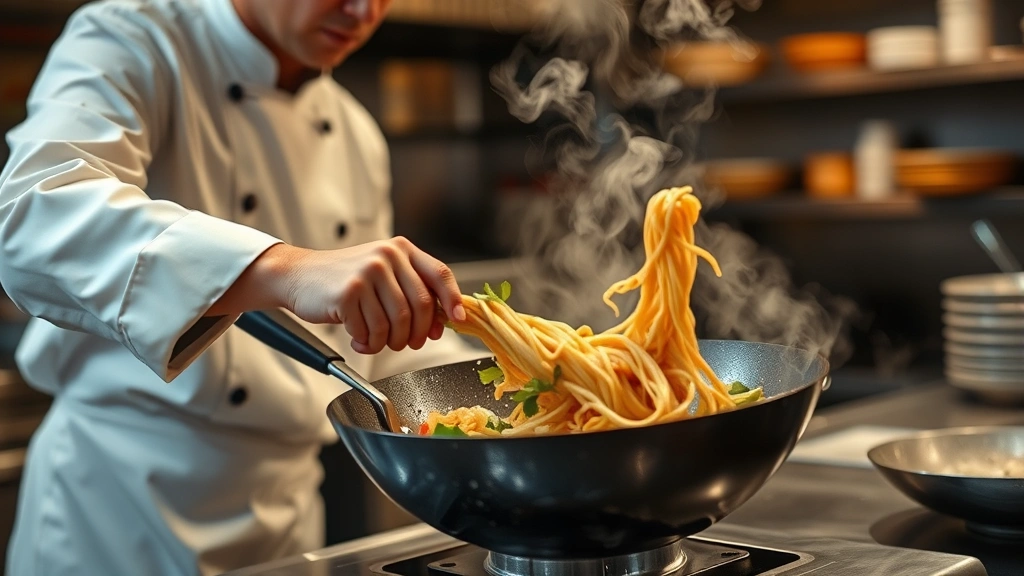
Stir-frying introduces cooking oils, significantly increasing calorie and fat content. A tablespoon of oil adds approximately 120 calories and 14 grams of fat per serving. While this increases caloric density, using healthy oils (olive, sesame, avocado) adds beneficial monounsaturated and polyunsaturated fats supporting cardiovascular health. Moderation in oil quantity optimizes nutrition without excessive calorie accumulation.
Sauce composition profoundly affects overall nutritional outcomes. Creamy sauces add substantial calories, saturated fat, and sodium. Soy sauce-based preparations increase sodium significantly—a tablespoon of soy sauce contains approximately 1000 mg sodium, approaching daily recommended limits. Coconut milk curries add calories and saturated fat, though they provide beneficial compounds from spices and vegetables. Broth-based preparations remain relatively light, particularly when supplemented with protein and vegetable components.
Temperature and cooling influence digestibility and glycemic response. Cooled rice noodles develop resistant starch through retrogradation, a process reducing glycemic impact compared to hot noodles. Chilled noodle salads therefore produce slower blood sugar elevation, making them advantageous for glucose management. This preparation method increases satiety and provides sustained energy compared to hot preparations.
Companion ingredients fundamentally shape the nutritional profile. Adding vegetables increases fiber, micronutrients, and phytonutrient content while maintaining caloric density relatively low. Protein additions—whether legumes, tofu, fish, poultry, or eggs—complete amino acid profiles and enhance satiety. Nuts and seeds contribute healthy fats, minerals, and additional protein. Strategic ingredient pairing transforms rice noodles from a simple refined carbohydrate into a nutritionally balanced meal component.
Comparison with Other Noodles
Understanding how rice noodles compare to alternatives helps contextualize their place in dietary patterns. Wheat pasta contains more protein (approximately 7-8 grams per cooked serving) and fiber (2-3 grams), providing superior satiety. However, wheat pasta contains gluten, making it unsuitable for celiac disease and problematic for gluten-sensitive individuals. Whole wheat pasta offers substantially more fiber and micronutrients but has a denser texture some find less appealing.
Egg noodles provide 6-7 grams of protein per serving plus additional choline supporting cognitive health. However, they contain more fat and cholesterol than rice noodles. Egg noodles also contain gluten, limiting their suitability for certain populations.
Legume-based noodles (lentil, chickpea, pea) deliver superior protein (12-14 grams) and fiber (8-10 grams), making them nutritionally superior for most health goals. Their higher micronutrient density and lower glycemic index benefit blood sugar management. However, they cost more, have limited availability in some regions, and some individuals experience digestive discomfort from their higher fiber content.
Buckwheat noodles (soba) provide more fiber and minerals than rice noodles, though they typically contain wheat flour blended with buckwheat flour. Pure buckwheat varieties exist but are less common. Soba offers superior nutritional profiles with similar ease of preparation.
Zucchini or vegetable noodles (spiralized) are significantly lower in calories and carbohydrates while providing more fiber and micronutrients. However, they lack the satiety and satisfaction of traditional noodles, requiring blending with more substantial components. They serve better as supplements to rather than replacements for traditional noodles in most contexts.
Incorporating Into Healthy Diet
Rice noodles can absolutely fit into nutritionally balanced eating patterns when prepared strategically. Portion awareness is fundamental—limit cooked portions to approximately one cup (190 grams) as a carbohydrate component within balanced meals rather than consuming larger quantities. This maintains appropriate calorie and carbohydrate intake while allowing enjoyment of this food.
Blood sugar management improves through strategic pairing and preparation. Combine rice noodles with adequate protein (25-35 grams), healthy fats, and fiber-rich vegetables. This combination slows gastric emptying and glucose absorption, moderating blood sugar spikes. Consuming cooled rice noodle preparations further reduces glycemic impact through resistant starch formation.
For individuals following nutrient absorption optimization strategies, pair rice noodles with vitamin C-rich vegetables and fat-containing foods to enhance mineral bioavailability. Tomatoes, bell peppers, and citrus fruits improve iron absorption from fortified noodles.
Meal frequency considerations matter for overall nutritional adequacy. Rice noodles alone shouldn’t comprise multiple daily meals due to their limited micronutrient density and incomplete protein profile. Vary your carbohydrate sources throughout the week, incorporating whole grains, legumes, starchy vegetables, and other noodle varieties.
Rice noodles work excellently in vegetable-forward preparations where noodles occupy perhaps 25-30% of the plate, with vegetables comprising 40-50% and protein sources 20-30%. This proportioning optimizes nutritional completeness while maintaining satisfaction and enjoyment. Stir-fry preparations, noodle soups, and chilled noodle salads all accommodate this balanced approach effectively.
For individuals managing mental health through nutrition, rice noodles provide accessible carbohydrates supporting serotonin synthesis. However, they shouldn’t replace whole grain carbohydrates providing sustained energy and mood stability throughout the day.
Consider your individual health status when determining appropriate rice noodle consumption. Individuals with diabetes or prediabetes should limit portions and pair thoughtfully with protein and fiber. Those managing weight benefit from emphasizing whole grain rice noodles or legume alternatives when available. Athletes can leverage rice noodles’ quick carbohydrate availability for post-workout recovery. Individuals with celiac disease gain valuable dietary variety through rice noodle options.
FAQ
Are rice noodles healthy?
Rice noodles are neither inherently healthy nor unhealthy—they’re neutral carbohydrate sources. Their health impact depends entirely on portion sizes, preparation methods, and accompanying ingredients. Eaten in appropriate portions with protein, vegetables, and healthy fats, rice noodles fit well into balanced diets. Consumed in excessive quantities with calorie-dense sauces and minimal complementary nutrition, they contribute to nutritional imbalance.
Do rice noodles have complete protein?
No, rice noodles lack sufficient quantities of lysine, making them incomplete proteins. Combining them with legumes, nuts, seeds, dairy, or animal proteins creates complete amino acid profiles. This pairing strategy is standard in traditional Asian cuisines, where rice noodles typically accompany protein-rich components.
Are rice noodles better than wheat pasta?
This depends on individual needs. Rice noodles suit those avoiding gluten or seeking easier digestibility. Wheat pasta provides more protein and fiber, benefiting most health goals. Whole grain wheat pasta offers the most nutritional value, while legume-based pasta alternatives provide superior macronutrient profiles. Choose based on your specific dietary requirements and health objectives.
Can rice noodles help with weight management?
Rice noodles alone don’t support weight management due to their high glycemic index and modest satiety. However, strategic preparation with protein, vegetables, and healthy fats can support weight goals by increasing fullness and moderating calorie intake. Portion control remains essential—rice noodles are calorie-dense relative to their nutritional density.
Do rice noodles contain arsenic?
Rice products can contain trace arsenic from soil and water, though levels in properly sourced rice noodles are generally within safe ranges. Varying rice consumption with other grains and thoroughly cooking rice (using excess water that’s discarded) reduces arsenic exposure. This shouldn’t discourage rice consumption but supports dietary diversity.
How do I make rice noodles lower glycemic?
Prepare rice noodles ahead and cool them to room temperature or refrigerate—this increases resistant starch formation, reducing glycemic impact by 20-30%. Combine with adequate protein (25+ grams) and high-fiber vegetables. Cook using vinegar-containing sauces, as acetic acid moderates blood sugar elevation. Pair with healthy fats to slow gastric emptying and glucose absorption.
Are rice noodles suitable for athletes?
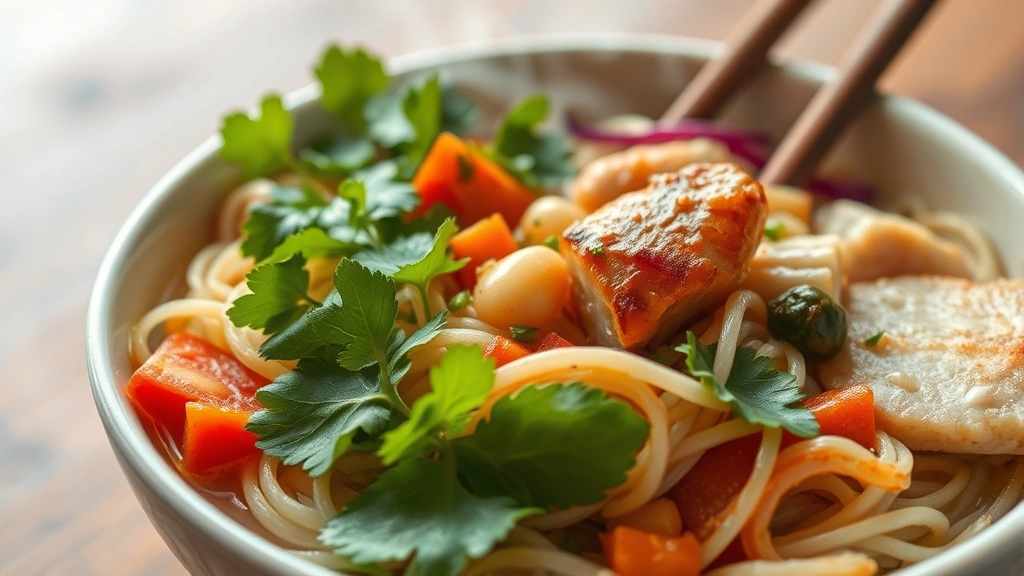
Yes, rice noodles’ quick carbohydrate availability makes them valuable for post-workout recovery when paired with protein. A bowl of rice noodles with chicken and vegetables within 60 minutes post-exercise optimally replenishes glycogen and supports muscle recovery. However, athletes benefit more from varied carbohydrate sources throughout training cycles.