Rice Noodles: Nutrition Insights by a Dietitian
Rice noodles have become a staple in kitchens worldwide, celebrated for their versatility and delicate texture. Whether you’re enjoying a steaming bowl of Vietnamese pho, a crispy pad thai, or a refreshing rice noodle salad, understanding the nutritional profile of these beloved carbohydrates is essential for making informed dietary choices. As a registered dietitian, I’ve guided countless clients through the nuances of rice noodle consumption, helping them balance enjoyment with nutritional awareness. This comprehensive guide breaks down the science behind rice noodles, their health implications, and practical strategies for incorporating them mindfully into a balanced nutrition plan.
Rice noodles differ significantly from wheat-based pasta in their nutrient composition, preparation methods, and digestive impact. Understanding these differences empowers you to make choices aligned with your health goals, whether you’re managing blood sugar, seeking weight maintenance, or simply optimizing your daily nutrition. Let’s explore what makes rice noodles unique and how they fit into evidence-based dietary recommendations.
Rice Noodles Nutrition Facts Overview
A standard serving of cooked rice noodles (approximately 190 grams) contains roughly 190-210 calories, making them a relatively moderate-calorie carbohydrate option. The nutritional breakdown reveals approximately 43-44 grams of carbohydrates, 3-4 grams of protein, and minimal fat content—typically 0.3-0.5 grams per serving. Sodium content varies considerably depending on whether the noodles are plain or pre-seasoned, ranging from negligible amounts in plain varieties to 900+ milligrams in instant or flavored versions.
The macronutrient profile of rice noodles is dominated by refined carbohydrates, as most commercial rice noodles are made from white rice flour rather than whole grain varieties. This distinction matters significantly for blood sugar management and sustained energy. Unlike their whole grain counterparts, refined rice noodles lack the outer bran and germ layers that contain most of the fiber and many micronutrients. Understanding this fundamental composition helps explain why pairing rice noodles with dietary fiber sources becomes crucial for balanced meals.
Rice noodles are naturally gluten-free, making them an excellent option for individuals with celiac disease or gluten sensitivity. This inherent characteristic has contributed to their rising popularity in health-conscious and accommodating food communities. However, it’s important to verify that processing facilities haven’t introduced cross-contamination, particularly for those with severe gluten sensitivities.
Carbohydrate Content and Glycemic Impact
The glycemic index (GI) of rice noodles typically ranges from 54-72, depending on the cooking method, variety, and whether they’re fresh or dried. This places them in the moderate to high GI category, meaning they can cause relatively rapid increases in blood glucose levels. For individuals managing type 2 diabetes or prediabetes, this consideration becomes particularly relevant when planning meals.
The glycemic load (GL)—which accounts for portion size—provides a more nuanced picture. A standard 190-gram serving of cooked rice noodles has a GL of approximately 22-24, which is considered moderate. This suggests that while rice noodles do impact blood sugar, the effect depends significantly on portion control and meal composition. The cooking method influences glycemic response; overcooked, softer noodles typically have a higher GI than firmer, al dente preparations.
Resistant starch formation offers an interesting nutritional consideration. When rice noodles are cooked and then cooled, some of the starch converts to resistant starch, which behaves more like fiber than regular starch. This means that cold rice noodle salads may have a lower glycemic impact than hot preparations of the same noodles. Research from the American Journal of Clinical Nutrition supports this phenomenon, demonstrating that cooling increases resistant starch content in rice-based products.
Managing carbohydrate quality becomes essential when incorporating rice noodles into your diet. Rather than eliminating them entirely, strategic pairing with protein, healthy fats, and vegetables slows digestion and moderates blood sugar response. This approach aligns with contemporary nutritional science and allows for sustainable, enjoyable eating patterns.

” alt=”dietitian analyzing rice noodle nutrition charts and food composition data in modern laboratory setting” style=”width: 100%; height: auto; border-radius: 8px;”>
Rice noodles provide approximately 3-4 grams of protein per cooked serving, which is modest compared to legume-based pastas or egg noodles. For context, whole wheat pasta contains about 7-8 grams of protein per serving, highlighting a notable nutritional gap. This protein limitation means rice noodles alone cannot serve as a primary protein source in a meal; complementary additions become necessary for adequate protein intake. The fiber content of plain rice noodles is minimal—typically 1-2 grams per serving—since the refining process removes most of the bran. This low fiber content can be problematic for digestive health and satiety. Adding vegetables, legumes, or whole grain components to rice noodle dishes significantly improves the meal’s nutritional profile. Incorporating sufficient dietary fiber becomes especially important when rice noodles form a meal’s carbohydrate base. Micronutrient density varies among rice noodle products. Plain, unfortified rice noodles contain minimal micronutrients, though they may provide small amounts of manganese, thiamine, and niacin. Many commercial varieties are enriched with B vitamins and iron to address nutritional gaps inherent in refined grain products. Reading labels carefully helps identify fortified options that provide greater nutritional value. Some specialty varieties incorporate whole grain rice flour, vegetables, or legumes, offering enhanced nutrient profiles compared to standard white rice noodles. The mineral content remains limited in most rice noodles, with modest amounts of manganese and magnesium. For individuals concerned about micronutrient sufficiency, rice noodles should be viewed as a carbohydrate vehicle rather than a nutrient-dense food. This perspective encourages meal construction that prioritizes nutrient-rich accompaniments—leafy greens, colorful vegetables, legumes, and quality protein sources. Understanding how rice noodles compare to alternative noodle options helps contextualize their place in a health-conscious diet. Wheat noodles contain approximately 7-8 grams of protein and 3-4 grams of fiber per cooked serving, substantially exceeding rice noodles’ nutritional contribution. Whole wheat varieties offer even greater benefits, with higher fiber content supporting digestive health and more stable blood sugar response. Buckwheat noodles (soba), despite their name, contain no wheat and are naturally gluten-free. They provide approximately 5-6 grams of protein and contain beneficial compounds like rutin, a flavonoid with antioxidant properties. Their GI is lower than rice noodles, making them preferable for blood sugar management. However, some commercial soba products contain wheat flour blending, requiring careful label scrutiny. Legume-based noodles represent a nutritional breakthrough in the pasta category. Made from lentils, chickpeas, or other legumes, these alternatives provide 12-15 grams of protein and 5-8 grams of fiber per serving—dramatically superior to rice noodles. Their lower GI and superior satiety-promoting properties make them excellent choices for weight management and metabolic health. Egg noodles offer moderate protein (7-8 grams per serving) and contain choline, supporting cognitive function. However, they’re less suitable for vegan or egg-free diets and may contain wheat gluten. The choice between noodle types ultimately depends on individual health goals, dietary restrictions, and cultural preferences. Rice noodles excel in specific contexts—particularly for those with gluten sensitivities or seeking lighter, more delicate textures—but they’re not nutritionally optimal across all health scenarios. Rice noodles offer legitimate health advantages for specific populations and contexts. Their gluten-free nature makes them invaluable for individuals with celiac disease or non-celiac gluten sensitivity. The Celiac Disease Foundation recognizes rice noodles as a safe staple for gluten-free diets. Additionally, their digestibility suits individuals with sensitive digestive systems, particularly those recovering from gastrointestinal illness or managing inflammatory bowel conditions. The light, easily digestible nature of rice noodles makes them appropriate for elderly populations and those with compromised digestive capacity. Their cultural significance in Asian cuisines contributes to psychological satisfaction and sustainable dietary adherence—factors often overlooked in purely nutritional analysis. When consumed as part of balanced meals, rice noodles can absolutely fit within healthy eating patterns. However, several concerns warrant attention. The refined carbohydrate nature of standard rice noodles means they lack sustained energy-providing fiber and complex nutrients. Excessive consumption without complementary protein and vegetables can contribute to blood sugar dysregulation, particularly problematic for individuals with diabetes or metabolic syndrome. The sodium content in instant rice noodles—often exceeding 900 milligrams per package—presents a concern for those managing hypertension or cardiovascular disease. Arsenic accumulation in rice represents an environmental concern for regular consumers. The FDA monitors arsenic levels in rice products, but individuals consuming rice noodles multiple times weekly might consider diversifying their grain sources. Additionally, some instant rice noodles contain additives like tertiary butylated hydroxyanisole (BHA), a preservative with potential health concerns. Selecting additive-free products when possible supports optimal health outcomes.Protein, Fiber, and Micronutrients
Comparison with Other Noodle Types
Health Benefits and Potential Concerns
” alt=”colorful Asian bowl with rice noodles, fresh vegetables, herbs, and protein components arranged on wooden table” style=”width: 100%; height: auto; border-radius: 8px;”>
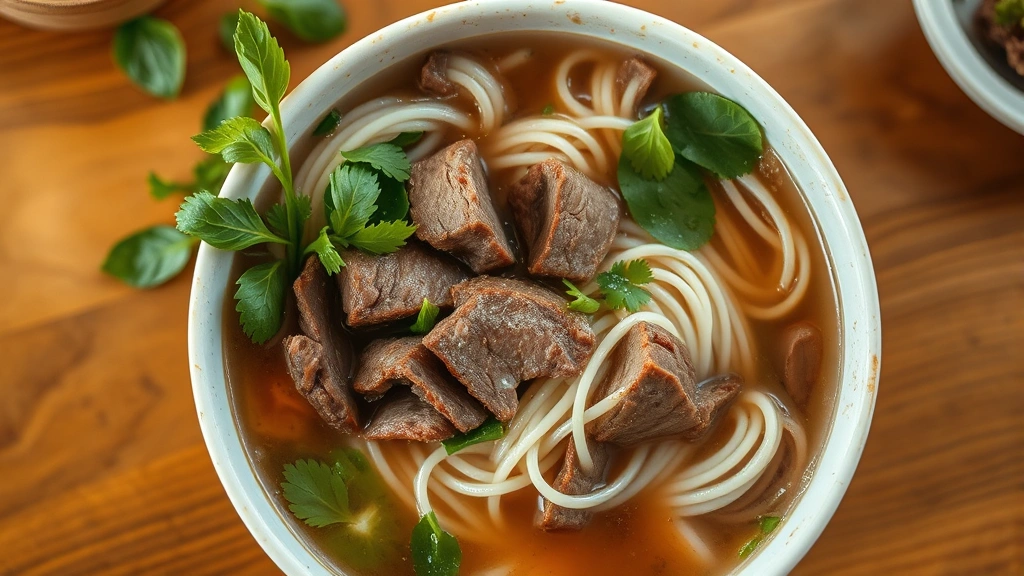
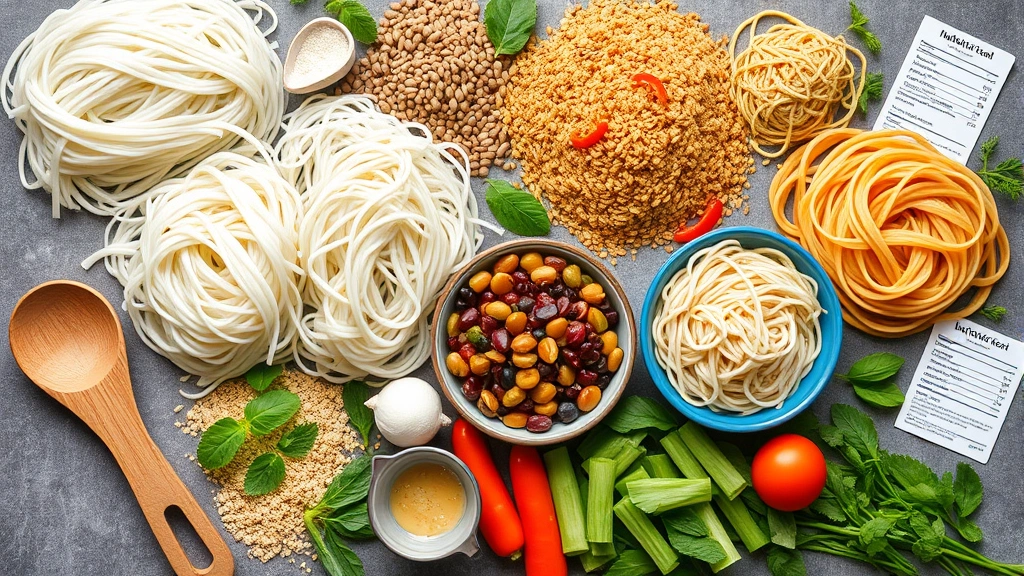
Transforming rice noodles into nutritionally balanced meals requires strategic component selection and portion awareness. The plate method provides an evidence-based framework: fill half your plate with non-starchy vegetables, one-quarter with quality protein, and one-quarter with rice noodles. This approach automatically improves fiber intake, stabilizes blood sugar response, and enhances satiety compared to noodle-dominant preparations. Vegetable selection dramatically impacts nutritional value. Incorporate leafy greens like spinach or bok choy, cruciferous vegetables such as broccoli or cabbage, and colorful options including bell peppers, carrots, and mushrooms. These additions provide vitamins, minerals, antioxidants, and fiber while adding minimal calories. Traditional pho preparations already exemplify this principle, though often with insufficient vegetable quantity—actively increasing vegetable content elevates the dish’s nutritional profile. Protein integration is non-negotiable for balanced rice noodle meals. Animal proteins like grilled chicken, fish, shrimp, or tofu provide complete amino acid profiles and enhance satiety. Plant-based options including legumes, tempeh, and nuts offer protein with additional fiber benefits. Aim for 20-30 grams of protein per meal to support muscle maintenance and stable energy levels. This protein addition directly addresses rice noodles’ inherent nutritional limitation. Healthy fat incorporation improves nutrient absorption and provides satiety. Avocado, nuts, seeds, and quality oils enhance both nutritional value and meal satisfaction. Consider that avocados provide healthy fats and potassium, making them excellent rice noodle bowl components. A drizzle of sesame oil or peanut oil adds flavor and fat-soluble nutrient absorption without excessive calorie addition. Cooking technique modifications improve nutritional outcomes. Cooking rice noodles al dente rather than soft reduces glycemic response. Cooling cooked noodles before consumption increases resistant starch formation, further moderating blood sugar impact. Broth-based preparations (like traditional pho) provide hydration and flavor with minimal added calories compared to cream or oil-heavy sauces. Sauce selection significantly influences meal nutritional quality. Broth-based sauces like clear pho broth or light coconut milk preparations offer superior options compared to heavy peanut sauces or cream-based dressings. If using heavier sauces, apply them judiciously rather than drenching noodles. Homemade sauces allow control over sodium, sugar, and fat content, supporting dietary objectives more effectively than pre-packaged versions. Portion awareness prevents excessive calorie and carbohydrate consumption. A standard serving (190 grams cooked) provides approximately 190-210 calories and 43-44 grams of carbohydrates. Understanding your individual carbohydrate needs—informed by your personalized nutrition plan—helps determine appropriate portions. Many restaurant servings exceed recommended amounts; requesting half portions or sharing dishes provides portion control strategies. Meal timing considerations may influence how your body responds to rice noodles. Consuming rice noodle meals after physical activity, when muscles are primed for glycogen storage, optimizes carbohydrate utilization. Pairing rice noodles with protein and fat slows gastric emptying, moderating blood sugar response compared to noodle-only consumption. For individuals with specific health concerns, alternative approaches merit consideration. Those managing diabetes might substitute a portion of rice noodles with zucchini noodles or shirataki noodles (konjac-based, virtually calorie-free), reducing overall carbohydrate load while maintaining familiar textures. Spiralized vegetables or legume-based pastas provide enhanced nutritional profiles when substituted for portions of rice noodles. This depends on your individual health priorities. Regular wheat pasta contains more protein (7-8g vs. 3-4g) and fiber (3-4g vs. 1-2g) per serving, making it nutritionally superior for most people. However, rice noodles are gluten-free and more easily digestible, benefiting those with gluten sensitivity or digestive concerns. Whole grain pasta represents the optimal choice nutritionally if you can tolerate wheat. The key is constructing balanced meals regardless of noodle choice. Yes, but with strategic meal construction. Rice noodles’ moderate-to-high glycemic index means portion control and pairing with protein, healthy fats, and vegetables becomes essential. Consuming cooled rice noodles increases resistant starch content, moderating blood sugar impact. Monitor your individual blood glucose response and work with a healthcare provider to determine appropriate portions and meal composition for your specific metabolic needs. Plain, unflavored rice noodles contain minimal sodium. However, instant rice noodles with flavor packets often contain 800-1000+ milligrams of sodium per package—substantially exceeding recommended daily limits. Selecting plain rice noodles and creating your own broths or sauces provides sodium control. If using instant varieties, consider using half the flavor packet or supplementing with fresh herbs and spices for flavor without excessive sodium. Rice noodles can fit within weight loss plans when portion-controlled and paired with nutrient-dense components. Their modest calorie density (approximately 190-210 calories per cooked serving) isn’t inherently problematic, but their low fiber and protein content means they don’t promote strong satiety. Enhancing rice noodle dishes with vegetables (adding volume without calories), protein (increasing satiety), and healthy fats (improving satisfaction) creates meals that support weight management goals. The emphasis should be on meal composition rather than noodle elimination. Cooked rice noodles should be refrigerated within two hours of cooking, stored in airtight containers, and consumed within 3-4 days. They can be frozen for longer storage (up to one month) though texture may soften slightly upon thawing. Cooling cooked noodles before storage actually benefits health outcomes by increasing resistant starch formation. Reheat gently with a splash of water or broth to restore optimal texture. Rice naturally accumulates arsenic from soil and water, and rice noodles may contain trace amounts. While levels are generally considered safe for occasional consumers, those eating rice-based products multiple times weekly might consider diversifying grain sources. The FDA monitors arsenic levels in rice products. Cooking rice in excess water and draining reduces arsenic content. Varying your grain consumption (including wheat, oats, and quinoa) minimizes cumulative exposure while maintaining dietary flexibility. Rice noodles occupy a legitimate place within diverse, health-conscious diets when approached with nutritional awareness and strategic meal construction. Rather than viewing them as inherently unhealthy or avoiding them entirely, understanding their nutritional composition empowers informed choices aligned with your individual health goals and cultural preferences. The refined carbohydrate nature of standard rice noodles necessitates complementary protein, healthy fats, and abundant vegetables—but this requirement simply reflects principles of balanced eating applicable across all cuisines. Your dietary success ultimately depends on sustainable patterns you can maintain long-term. If rice noodle dishes bring you joy and cultural satisfaction, incorporating them mindfully within a balanced eating framework supports both physical health and psychological well-being. Work with a registered dietitian to personalize recommendations based on your metabolic health, activity level, and individual nutrition goals. Remember that nutrition influences both physical and mental health, and sustainable approaches that you genuinely enjoy yield superior long-term outcomes compared to restrictive patterns.Practical Tips for Healthier Rice Noodle Meals
FAQ
Are rice noodles healthier than regular pasta?
Can I eat rice noodles if I have diabetes?
How much sodium is in rice noodles?
Are rice noodles good for weight loss?
What’s the best way to store cooked rice noodles?
Do rice noodles contain arsenic?
Final Thoughts