Roma Tomato Nutrition: Dietitian Insights
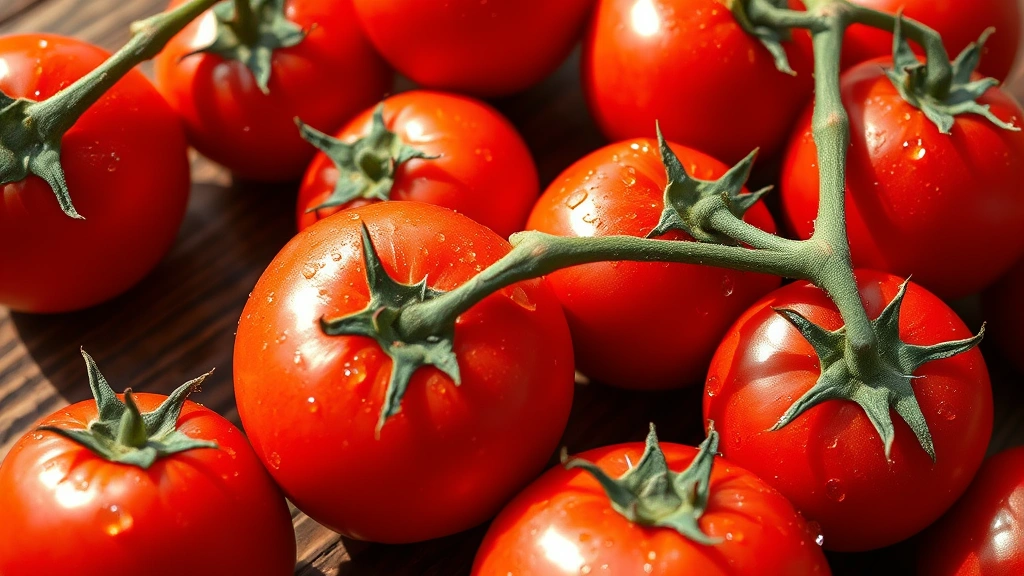
Roma tomatoes, also known as plum tomatoes, have become a staple in kitchens worldwide, prized for their meaty texture, low seed content, and concentrated flavor. Beyond their culinary appeal, these distinctive red fruits pack an impressive nutritional profile that makes them a cornerstone of heart-healthy and disease-preventive diets. Registered dietitians consistently recommend roma tomatoes as part of a balanced eating pattern, citing their exceptional micronutrient density and bioactive compound content.
Whether you’re designing a healthy nutrition plan or simply curious about optimizing your produce choices, understanding roma tomato nutrition provides actionable insights for better health outcomes. This comprehensive guide explores what makes these tomatoes nutritionally significant, examining their vitamin and mineral composition, phytonutrient benefits, and practical applications in daily eating patterns.
Complete Nutritional Breakdown of Roma Tomatoes
One medium roma tomato (approximately 123 grams) contains roughly 27 calories, making it an exceptionally nutrient-dense, low-calorie food choice. The macronutrient profile reflects the water-rich nature of tomatoes, with about 95% water content providing hydration alongside essential nutrients. This composition delivers approximately 0.9 grams of protein, 6 grams of carbohydrates, and negligible fat content, creating an ideal food for individuals monitoring caloric intake without sacrificing nutritional value.
The carbohydrate content includes approximately 1.5 grams of naturally occurring sugars and 1.5 grams of dietary fiber, contributing to stable blood sugar levels and sustained satiety. Dietitians appreciate roma tomatoes specifically because their concentrated solids mean slightly higher nutrient density compared to beefsteak varieties, making them particularly valuable for those seeking maximum nutritional return from each serving. The glycemic load remains exceptionally low, approximately 1-2 per serving, making roma tomatoes suitable for all dietary approaches, including low-carbohydrate and diabetic-friendly eating patterns.
Sodium content measures approximately 12 milligrams per medium fruit, representing less than 1% of the daily recommended intake. This minimal sodium profile makes roma tomatoes an excellent choice for individuals managing hypertension or following performance-focused nutrition strategies requiring precise electrolyte balance. The potassium content, approximately 292 milligrams per medium tomato, provides meaningful contribution toward the 2,600-3,400 milligrams daily recommendation, supporting cardiovascular function and blood pressure regulation.
Lycopene and Powerful Antioxidant Benefits
Lycopene represents the primary bioactive compound responsible for roma tomatoes’ distinctive red coloration and significant portion of their health-promoting effects. This carotenoid antioxidant exists in concentrations of 3-5 milligrams per 100 grams of fresh roma tomato tissue, with processed tomato products containing substantially higher concentrations due to water loss and cell wall breakdown during processing. Research published through the National Institutes of Health demonstrates lycopene’s remarkable capacity to neutralize singlet oxygen and peroxyl radicals, protecting cellular structures from oxidative damage.
The antioxidant potency of lycopene exceeds that of beta-carotene and vitamin E, positioning it among nature’s most powerful free radical scavengers. This exceptional antioxidant activity translates to cellular protection across multiple organ systems, with particular significance for cardiovascular tissues, prostate health, and eye protection. Dietitians emphasize that lycopene absorption increases substantially when roma tomatoes are consumed with dietary fat sources, as this carotenoid demonstrates fat-soluble characteristics requiring lipid presence for optimal intestinal absorption and tissue accumulation.
Beyond lycopene, roma tomatoes contain additional antioxidant compounds including beta-carotene, vitamin C, and quercetin, creating a synergistic phytonutrient profile. This compound diversity ensures multiple protective mechanisms operating simultaneously, addressing oxidative stress through various biochemical pathways. The cumulative antioxidant capacity of roma tomatoes ranks among the highest of commonly consumed vegetables, rivaling berries and leafy greens in total antioxidant activity when measured through laboratory analysis.
Biomarker studies demonstrate that regular roma tomato consumption measurably increases serum lycopene concentrations, with research participants achieving plasma lycopene levels above 0.5 micromoles per liter—a threshold associated with reduced chronic disease risk. This dietary approach requires consistency, with most studies showing meaningful biomarker improvements after 2-4 weeks of regular consumption at approximately one medium fruit daily or equivalent processed tomato intake.
Cardiovascular Health and Heart Protection
The cardiovascular benefits associated with roma tomato consumption represent perhaps the most extensively documented health outcome in peer-reviewed literature. The American Heart Association recognizes tomatoes as a foundational component of heart-protective dietary patterns, citing their potassium content, fiber contribution, and antioxidant compounds as mechanisms supporting cardiovascular health. Regular roma tomato consumption demonstrates association with reduced blood pressure, improved cholesterol profiles, and decreased arterial inflammation markers.
The potassium-sodium ratio within roma tomatoes creates particularly favorable conditions for cardiovascular function, with potassium supporting vasodilation and blood pressure regulation while minimal sodium prevents fluid retention and hypertensive effects. Epidemiological data suggests individuals consuming tomato products regularly experience 10-15% lower cardiovascular event rates compared to those with minimal tomato intake, with benefits appearing dose-dependent and cumulative over time.
Lycopene specifically demonstrates anti-inflammatory effects within arterial walls, reducing endothelial dysfunction and atherosclerotic plaque formation. Studies measuring inflammatory biomarkers including C-reactive protein, interleukin-6, and tumor necrosis factor-alpha show significant reductions following roma tomato supplementation protocols. These anti-inflammatory mechanisms operate through multiple pathways, including nuclear factor-kappa B pathway modulation and reduced oxidized low-density lipoprotein production.
The fiber content, while modest in absolute terms, contributes meaningfully to cholesterol management through soluble fiber’s capacity to bind bile acids and reduce hepatic cholesterol synthesis. When roma tomatoes form part of a comprehensive dietary approach incorporating whole grains, legumes, and additional fiber sources, cumulative cholesterol-lowering effects prove substantial and clinically significant. Dietitians frequently recommend roma tomatoes as a central component of Mediterranean and DASH (Dietary Approaches to Stop Hypertension) dietary patterns, both of which demonstrate robust cardiovascular protective effects in randomized controlled trials.
Weight Management and Dietary Fiber Content
The exceptional caloric efficiency of roma tomatoes—delivering substantial volume and satiety with minimal caloric density—positions them as ideal foods for weight management and body composition optimization. At approximately 27 calories per medium fruit with nearly 95% water content, roma tomatoes provide volume and satisfaction without caloric excess, addressing a fundamental challenge in sustainable weight loss: achieving satiety while maintaining caloric deficit.
The dietary fiber content, approximately 1.5 grams per medium fruit, contributes to gastric distension and mechanical satiety signals transmitted through vagal pathways to appetite-regulating brain centers. While this fiber quantity appears modest, the water content amplifies volumetric effects, creating substantial gastric filling with minimal energy provision. Dietitians recommend incorporating roma tomatoes into meals as lead-off foods, consuming them before higher-calorie components, as this sequencing maximizes satiety signaling while reducing subsequent caloric intake from energy-dense foods.
The natural sweetness of roma tomatoes—approximately 6 grams carbohydrate per fruit—addresses cravings for sweet flavors without requiring refined sugars, supporting dietary adherence and reducing processed food consumption. This characteristic proves particularly valuable for individuals with sugar sensitivity or those managing insulin resistance, as roma tomatoes provide satisfying flavor profiles while maintaining stable blood glucose levels. The minimal fructose content, unlike many fruits, avoids hepatic lipogenesis concerns associated with excessive fruit consumption.
Research examining appetite hormone response to tomato consumption demonstrates measurable increases in satiety hormone secretion, particularly peptide YY and cholecystokinin, following roma tomato ingestion. These hormonal responses persist despite minimal caloric intake, suggesting mechanisms beyond mechanical satiety contribute to appetite suppression. The practical application involves consuming roma tomatoes as component of mixed meals, where their high water and fiber content delays gastric emptying, extending postprandial satiety and reducing overall daily caloric intake.
Vitamins, Minerals, and Micronutrient Profile
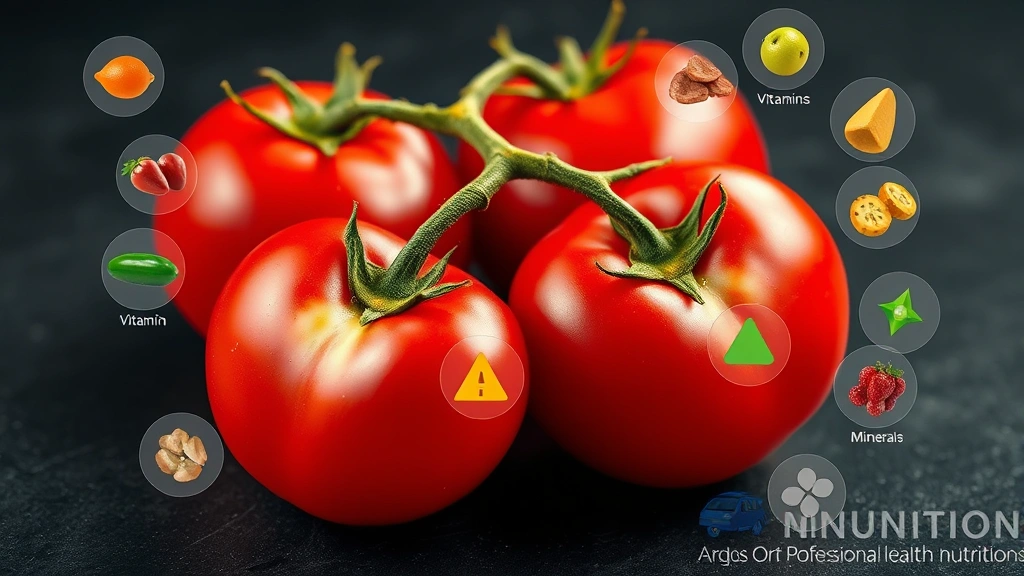
Roma tomatoes deliver an impressive micronutrient profile despite their low caloric density, demonstrating exceptional nutrient-to-calorie ratios across multiple essential vitamins and minerals. Vitamin C content measures approximately 17 milligrams per medium fruit, contributing roughly 28% of the daily recommended intake and supporting collagen synthesis, immune function, and additional antioxidant activity. This water-soluble vitamin demonstrates particular importance for individuals managing stress or engaging in intensive physical training, where vitamin C demands increase substantially.
Vitamin K content, approximately 10 micrograms per medium roma tomato, contributes to bone mineralization, clotting cascade regulation, and emerging research suggests cardiovascular protective effects through arterial calcification prevention. The bioavailability of vitamin K from tomatoes benefits from dietary fat co-consumption, with studies demonstrating 3-5 fold increases in vitamin K absorption when tomatoes are consumed with olive oil or other lipid sources. This principle applies broadly across roma tomato preparation methods, with olive oil-based dressings or cooking methods substantially enhancing micronutrient absorption.
Folate content, approximately 24 micrograms per medium fruit, provides meaningful contribution toward the 400 microgram daily recommendation, particularly valuable for women of childbearing age and individuals with elevated homocysteine levels. The folate in tomatoes demonstrates adequate bioavailability, with studies showing meaningful plasma folate elevation following regular consumption. This B-vitamin’s role in one-carbon metabolism, DNA synthesis, and methylation reactions makes consistent intake important for cellular division, immune function, and neurological health.
Manganese, iron, and copper present in roma tomatoes support enzymatic function, oxygen transport, and connective tissue synthesis. While quantities appear modest for any single source, the cumulative micronutrient contribution from regular roma tomato consumption across multiple minerals proves meaningful when integrated into comprehensive dietary patterns. Dietitians emphasize roma tomatoes as one component of improved nutrient absorption strategies, where diverse plant foods create complementary nutrient profiles supporting optimal micronutrient status.
Cancer Prevention and Disease Risk Reduction
Epidemiological evidence consistently associates regular tomato consumption with reduced cancer incidence across multiple malignancy types, with prostate cancer demonstrating the strongest evidence base. The American Cancer Society recognizes tomato products as beneficial components of cancer-preventive dietary approaches, citing lycopene’s protective mechanisms and supporting epidemiological data. Meta-analyses examining prospective cohort studies demonstrate approximately 15-20% risk reduction for prostate cancer among men consuming tomato products regularly, with dose-response relationships suggesting greater intake correlates with enhanced protective effects.
The mechanistic basis for cancer prevention involves multiple pathways beyond antioxidant activity. Lycopene modulates growth factor signaling, enhances gap junction communication between cells, and promotes apoptosis in transformed cell lines. These cellular effects occur at physiologically achievable plasma concentrations, suggesting dietary intake levels provide meaningful biological activity. Additionally, lycopene influences hormone metabolism, potentially reducing estrogen-dependent cancer risk through altered hepatic metabolism and enterohepatic circulation patterns.
Digestive tract malignancies, including gastric and colorectal cancers, demonstrate inverse associations with tomato consumption in multiple epidemiological studies. The fiber content contributes through mechanisms supporting healthy microbiota composition and short-chain fatty acid production, while antioxidant compounds protect colonic epithelium from carcinogenic insult. The combination of mechanical effects (fiber) and chemical effects (antioxidants, polyphenols) creates comprehensive protective mechanisms addressing multiple carcinogenic pathways simultaneously.
Breast cancer risk reduction appears modestly associated with tomato consumption in observational studies, with mechanisms potentially involving carotenoid-mediated immune enhancement and anti-inflammatory effects. The evidence base remains less robust than for prostate cancer, reflecting greater complexity in breast cancer etiology and potential hormone-dependent protective mechanisms requiring specific hormonal contexts for manifestation. Nevertheless, dietitians recommend roma tomatoes as components of comprehensive breast cancer prevention strategies alongside other plant foods and lifestyle modifications.

Practical Dietary Integration and Serving Suggestions
Incorporating roma tomatoes into daily dietary patterns requires minimal complexity while offering substantial nutritional returns. The versatility of roma tomatoes accommodates diverse culinary applications, from simple preparations to elaborate recipes, ensuring sustained consumption without palatability fatigue. Dietitians recommend consuming roma tomatoes across multiple meals and preparation methods, maximizing exposure to varied antioxidant compounds while supporting dietary adherence through flavor variety.
Fresh roma tomatoes serve as excellent salad components, sandwich additions, and snack foods, requiring minimal preparation while maintaining maximum nutrient density. Consuming fresh roma tomatoes with olive oil-based dressings, nuts, seeds, or cheese substantially enhances carotenoid absorption while creating nutritionally complete meal components. The combination of tomato’s vitamin C with iron-containing foods enhances non-heme iron bioavailability, making tomato-based dishes with legumes or leafy greens particularly valuable for individuals managing iron status.
Cooked roma tomato preparations, including sauces, soups, and stewed preparations, concentrate lycopene through water loss while creating more bioavailable forms through heat-induced cell wall disruption and cis-trans isomerization. Tomato sauce preparations using olive oil and garlic create synergistic nutrient profiles, with garlic’s sulfur compounds enhancing lycopene absorption and providing additional antimicrobial and anti-inflammatory compounds. These preparations support batch cooking approaches, enabling convenient incorporation of roma tomatoes across multiple meals throughout the week.
Processed tomato products including paste, sauce, and juice provide concentrated nutrition with lycopene content 3-5 times higher than fresh fruit on a weight basis. While whole food preparations offer advantages including fiber retention and phytonutrient diversity, processed products provide practical alternatives for individuals with limited access to fresh produce or those seeking concentrated nutrient delivery. Dietitians recommend selecting products without added sodium or sugars, examining ingredient lists for tomato as primary component rather than supplementary ingredient.
Seasonal purchasing and preservation strategies including freezing, canning, and drying extend roma tomato availability year-round while maintaining nutritional quality. Frozen roma tomatoes retain lycopene and other heat-stable compounds while losing minimal micronutrient content, offering economical and convenient alternatives to fresh fruit during off-season periods. Home preservation methods enable control over added ingredients, ensuring sodium and sugar remain minimal while maximizing nutritional value.
Raw Versus Cooked: Bioavailability Considerations
The bioavailability of roma tomato nutrients varies substantially between raw and cooked preparations, with distinct advantages characterizing each approach. Raw roma tomatoes preserve heat-sensitive compounds including vitamin C and certain polyphenols, while providing maximal enzymatic activity and fiber retention. The fresh preparation maintains structural integrity of cell walls, potentially reducing bioavailability of lipophilic compounds like lycopene that benefit from disruption-enhanced absorption.
Cooked roma tomato preparations enhance lycopene bioavailability through multiple mechanisms including thermal-induced cell wall breakdown, increased cis-lycopene formation, and creation of smaller particle sizes facilitating intestinal absorption. Studies comparing bioavailability demonstrate 2-3 fold increases in plasma lycopene following cooked tomato consumption compared to equivalent raw preparations. This enhanced bioavailability persists across various cooking methods including boiling, steaming, and roasting, with minor variations based on temperature and duration.
The optimal dietary approach incorporates both raw and cooked roma tomatoes, capturing complementary nutrient profiles while maximizing total micronutrient intake. Raw preparations deliver vitamin C, heat-sensitive polyphenols, and enzymatic activity, while cooked preparations concentrate lycopene and enhance its absorption. Dietitians recommend consuming raw roma tomatoes in salads and fresh preparations while incorporating cooked tomato products including sauces and soups, creating dietary variety supporting comprehensive nutrient delivery.
Fat-soluble compound absorption critically depends on concurrent dietary lipid consumption, making preparation methods incorporating olive oil, nuts, seeds, or animal products substantially more effective than fat-free preparations. The traditional Mediterranean approach of combining roma tomatoes with olive oil represents optimal bioavailability strategy, supported by extensive research demonstrating superior carotenoid absorption when tomatoes are consumed within fat-containing meals. This principle should guide dietary recommendations, emphasizing preparation methods and meal composition rather than tomato consumption alone.
FAQ
How many roma tomatoes should I consume daily for health benefits?
Research demonstrates meaningful health benefits at consumption levels of one medium roma tomato daily or equivalent processed tomato intake (approximately 150 grams fresh or 30 grams paste). Greater intake provides additional benefits without apparent adverse effects, making 1-2 medium roma tomatoes or 200-300 grams processed tomato products reasonable daily targets. Individual requirements vary based on overall dietary patterns, health status, and specific health goals, making personalized recommendations valuable when addressing particular health conditions.
Can roma tomato supplements provide equivalent benefits to whole fruit consumption?
Whole roma tomatoes provide synergistic benefits from multiple compounds including fiber, vitamins, and diverse polyphenols that isolated supplements cannot replicate. While lycopene supplements demonstrate bioavailability advantages compared to food sources, they lack the complementary compounds supporting comprehensive health benefits. Dietitians universally recommend whole roma tomatoes or minimally processed products as superior to isolated supplements, reserving supplementation for specific circumstances where food sources prove inadequate.
Are roma tomatoes safe for individuals with acid reflux or GERD?
Roma tomatoes contain organic acids including citric and malic acid that may trigger reflux symptoms in susceptible individuals. Those experiencing acid reflux should monitor personal tolerance, potentially consuming cooked preparations rather than raw versions, as cooking reduces acid content. Individual responses vary substantially, making systematic trial-and-error assessment necessary for determining personal tolerability. Consuming roma tomatoes with meals rather than alone may reduce symptom severity through buffering effects.
How do roma tomatoes compare nutritionally to other tomato varieties?
Roma tomatoes contain slightly higher nutrient density than larger beefsteak varieties due to higher solids content and lower water percentage. Cherry tomatoes demonstrate comparable nutrient density with similarly concentrated flavors. Nutritional differences between varieties remain relatively modest, making variety selection based on culinary preference and availability reasonable, with emphasis on regular consumption regardless of specific type.
What storage methods best preserve roma tomato nutrition?
Room temperature storage preserves nutrient quality optimally, with refrigeration causing minimal nutrient loss while extending shelf life. Frozen roma tomatoes retain lycopene and heat-stable compounds effectively, making freezing excellent for preservation. Avoid storing unripe roma tomatoes in refrigeration, as cold temperatures inhibit ripening and may reduce flavor development. Consume roma tomatoes within 3-5 days of purchase at room temperature or within 3-4 months if frozen for optimal quality and nutrient retention.
Can roma tomato consumption interact with medications?
Roma tomatoes contain minimal compounds likely to interact with common medications. Individuals taking warfarin should maintain consistent vitamin K intake rather than avoiding tomatoes, as consistency matters more than avoidance. Those taking certain blood pressure medications should monitor cumulative potassium intake from all sources, though roma tomato quantities typically pose minimal concern. Consultation with healthcare providers regarding individual medication interactions remains appropriate when managing complex medication regimens.