
Roman Tomato Benefits? Nutritionist Breakdown
Roman tomatoes have emerged as a nutritional powerhouse in the produce aisle, offering distinct advantages over their round counterparts. These elongated, plum-shaped tomatoes deliver concentrated flavor and impressive nutrient density that makes them worthy of dedicated dietary attention. Whether you’re building a healthy nutrition plan or simply seeking to optimize your vegetable intake, understanding roman tomato nutrition reveals why nutritionists consistently recommend this variety for daily consumption.
The scientific community has increasingly focused on the bioactive compounds present in roman tomatoes, particularly their lycopene content and polyphenol profiles. Unlike many processed tomato products that lose nutritional integrity, fresh roman tomatoes retain their full spectrum of vitamins, minerals, and phytonutrients. This comprehensive breakdown explores the evidence-based benefits, nutritional composition, and practical applications for incorporating roman tomatoes into a balanced diet.
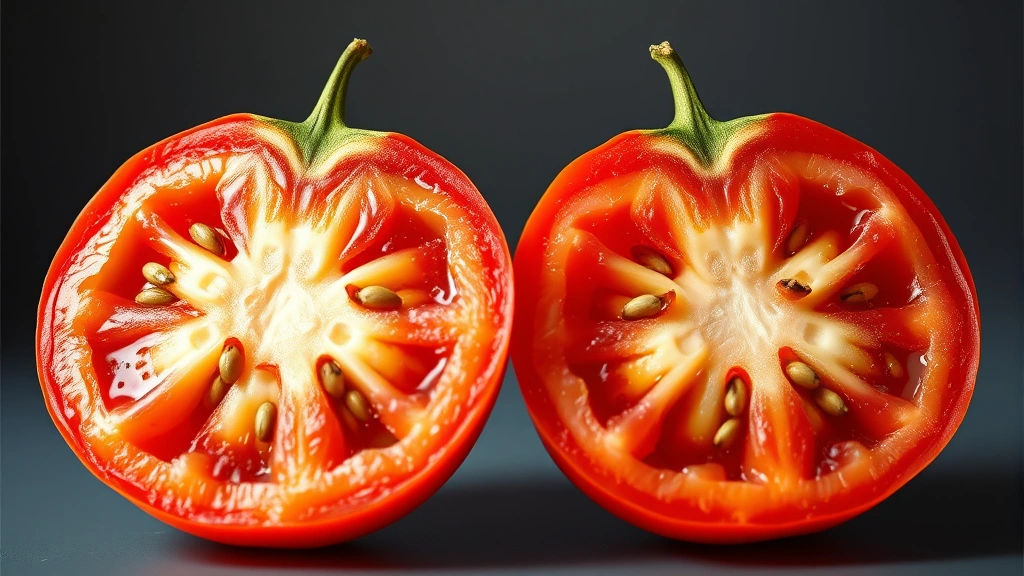
Nutritional Profile of Roman Tomatoes
Roman tomatoes deliver an impressive nutritional density in a low-calorie package. A single medium roman tomato (approximately 123 grams) contains roughly 22 calories, making it an ideal choice for calorie-conscious individuals. The macronutrient composition includes minimal fat (0.2 grams), modest protein (1.1 grams), and carbohydrates primarily from natural sugars and fiber (4.8 grams total carbohydrates).
What distinguishes roman tomatoes from other varieties is their exceptional concentration of phytonutrients and bioactive compounds. According to research published by the Pew Research Center’s health and science division, plant-based foods like roman tomatoes contain hundreds of compounds that work synergistically to promote human health. The dense flesh of roman tomatoes means higher nutrient concentration per serving compared to watery varieties.
The nutrient profile includes substantial amounts of vitamin C, potassium, vitamin K, and manganese. Additionally, roman tomatoes contain quercetin and kaempferol—flavonoids with documented anti-inflammatory properties. Understanding these foundational nutrients sets the stage for appreciating the specific health benefits that follow.

Lycopene: The Powerful Antioxidant
Lycopene represents the primary bioactive compound that makes roman tomatoes nutritionally exceptional. This carotenoid pigment gives tomatoes their characteristic red color and provides powerful antioxidant activity. Roman tomatoes contain between 3-5 mg of lycopene per 100 grams—among the highest concentrations found in fresh produce.
Unlike beta-carotene and other carotenoids, lycopene doesn’t convert to vitamin A in the body, but its direct antioxidant capacity exceeds that of many other plant compounds. Research demonstrates that lycopene effectively neutralizes singlet oxygen and other free radicals that contribute to cellular damage and aging. The bioavailability of lycopene increases significantly when tomatoes are cooked or processed with minimal fat, though fresh roman tomatoes still provide substantial quantities.
Studies have shown that individuals consuming tomato products regularly exhibit higher serum lycopene levels, which correlates with reduced markers of oxidative stress. This accumulation effect means that consistent roman tomato consumption provides cumulative antioxidant protection over time. The synergy between lycopene and other antioxidants present in roman tomatoes amplifies their protective effects.
Cardiovascular and Heart Health Benefits
The cardiovascular benefits of roman tomato consumption have been extensively documented in nutritional epidemiology. The combination of lycopene, potassium, and polyphenols work collectively to support heart health through multiple mechanisms. Roman tomatoes contain approximately 292 mg of potassium per medium fruit, representing nearly 8% of the daily recommended value.
Potassium plays a critical role in regulating blood pressure by counteracting sodium’s hypertensive effects and supporting healthy vascular function. The American Heart Association emphasizes potassium-rich foods as essential dietary components for cardiovascular disease prevention. Beyond potassium, the polyphenolic compounds in roman tomatoes exhibit vasodilatory properties, promoting improved blood flow and reducing arterial stiffness.
Research published in major nutrition journals indicates that lycopene specifically reduces LDL cholesterol oxidation—a key step in atherosclerosis development. When LDL particles oxidize, they become more likely to accumulate in arterial walls. By preventing this oxidation, roman tomatoes help maintain healthier cholesterol profiles. Additionally, the anti-inflammatory properties of roman tomatoes’ bioactive compounds reduce systemic inflammation, a fundamental risk factor for heart disease.
Cancer Prevention and Cellular Health
The relationship between lycopene consumption and cancer risk reduction has generated substantial scientific interest. Multiple epidemiological studies suggest that individuals with higher lycopene intake exhibit lower incidence rates of several cancer types, particularly prostate cancer. The proposed mechanisms involve lycopene’s ability to induce apoptosis (programmed cell death) in abnormal cells and inhibit angiogenesis (blood vessel formation that feeds tumors).
Roman tomatoes contain additional compounds beyond lycopene that contribute to cellular protection. Quercetin, a flavonoid abundant in tomatoes, demonstrates anti-proliferative effects against cancer cell lines in laboratory settings. Vitamin C in roman tomatoes supports immune function and acts as a cofactor for collagen synthesis, maintaining tissue integrity that prevents cellular transformation.
While no single food prevents cancer, the consistent consumption of lycopene-rich foods like roman tomatoes represents a evidence-based dietary strategy for cancer risk reduction. The American Institute for Cancer Research recommends abundant consumption of vegetables, with particular emphasis on tomato products, as part of a comprehensive cancer prevention approach.
Vitamins and Minerals Breakdown
Roman tomatoes deliver an extensive micronutrient profile that supports dozens of physiological processes. Vitamin C content reaches approximately 17 mg per medium tomato, contributing roughly 28% of the daily recommended intake. This vitamin acts as a potent antioxidant and plays essential roles in collagen synthesis, immune function, and iron absorption.
The vitamin K content in roman tomatoes provides approximately 7.9 mcg per fruit, supporting bone metabolism and blood coagulation. Vitamin K activates osteocalcin, a protein essential for binding calcium to the bone matrix. This makes roman tomatoes particularly valuable for individuals concerned with bone health and osteoporosis prevention.
Manganese comprises another important micronutrient present in roman tomatoes at approximately 0.13 mg per medium fruit. This trace mineral functions as a cofactor for multiple enzymes involved in metabolism, bone development, and antioxidant defense. Additionally, roman tomatoes contain small but meaningful amounts of copper, which supports iron metabolism and neurological function.
The synergistic interaction between these micronutrients amplifies their individual benefits. For instance, vitamin C enhances the absorption of non-heme iron, while manganese works with other cofactors to optimize antioxidant enzyme function. This nutritional complexity explains why whole roman tomatoes outperform isolated nutrient supplements in delivering health benefits.
Dietary Fiber and Digestive Benefits
Roman tomatoes contain approximately 1.5 grams of dietary fiber per medium fruit, with a favorable soluble-to-insoluble fiber ratio. While this represents a modest amount, the fiber contributes meaningfully to overall daily intake when combined with other plant foods. The importance of dietary fiber for your health extends far beyond basic digestive function.
The soluble fiber in roman tomatoes, particularly pectin, serves as a prebiotic substrate that nourishes beneficial gut bacteria. A healthy microbiome produces short-chain fatty acids through fiber fermentation, which strengthen the intestinal barrier and reduce systemic inflammation. The insoluble fiber provides bulk that promotes regular bowel movements and prevents constipation.
Beyond digestive mechanics, the polyphenols in roman tomatoes undergo extensive metabolism by gut bacteria, generating bioactive metabolites that circulate systemically. This means that consuming roman tomatoes influences health outcomes far beyond the gastrointestinal tract. The diverse polyphenol profile ensures that multiple bacterial species benefit, promoting microbiome diversity—a marker of overall health.
Individuals seeking to optimize their digestive health and how to improve nutrient absorption benefit significantly from consistent roman tomato consumption. The bioactive compounds support intestinal permeability, enhance nutrient transporter expression, and promote the growth of bacterial species that facilitate nutrient extraction.
Brain Health and Cognitive Function
Emerging research increasingly demonstrates connections between dietary antioxidants and cognitive health. The lycopene and other polyphenols in roman tomatoes cross the blood-brain barrier and accumulate in neural tissue, where they provide neuroprotective effects. Studies suggest that individuals with higher lycopene intake exhibit better cognitive performance and reduced dementia risk.
The nutrition and mental health connection shows how diet impacts the brain through multiple pathways. Roman tomatoes’ anti-inflammatory compounds reduce neuroinflammation, a hallmark of neurodegenerative diseases. Additionally, the polyphenols support mitochondrial function in neurons, enhancing energy production and cellular resilience.
Quercetin in roman tomatoes demonstrates particular promise for cognitive health, showing neuroprotective effects in animal models of Alzheimer’s disease. The vitamin C and other antioxidants prevent oxidative damage to lipids and proteins essential for neuronal function. While human trials remain limited, observational studies consistently link tomato consumption to better cognitive outcomes in aging populations.
Weight Management and Satiety
Roman tomatoes represent an ideal food for individuals pursuing healthy weight management. The combination of high water content (approximately 95%), low caloric density, and fiber creates exceptional satiety per calorie consumed. A medium roman tomato provides only 22 calories while delivering substantial volume and nutrient density.
The fiber content, though modest in absolute terms, contributes to satiety by slowing gastric emptying and promoting feelings of fullness. When combined with other whole foods as part of balanced meals, roman tomatoes help individuals maintain appropriate caloric intake without conscious restriction. The natural sugars in roman tomatoes provide satisfying sweetness while remaining relatively low on the glycemic index.
Research on dietary patterns emphasizes the importance of low-energy-density foods in sustainable weight management. Roman tomatoes exemplify this principle perfectly—they provide nutrient density without caloric excess. The polyphenols may also support metabolic health through effects on glucose metabolism and mitochondrial function, though more research is needed to establish these effects conclusively.
How to Maximize Nutrient Absorption
Maximizing the nutritional benefits of roman tomatoes requires understanding how various preparation methods and food combinations affect nutrient bioavailability. Lycopene absorption increases significantly when tomatoes are heated with fat, suggesting that cooking roman tomatoes with olive oil enhances lycopene uptake. However, this shouldn’t discourage fresh consumption—raw roman tomatoes still provide substantial lycopene and preserve heat-sensitive vitamin C.
The concept of food synergy becomes particularly relevant with roman tomatoes. Consuming them with healthy fats—whether from olive oil, avocados, nuts, or other sources—dramatically improves carotenoid absorption. This is why traditional Mediterranean preparations combining tomatoes with olive oil represent nutritionally optimized approaches. Additionally, consuming roman tomatoes with vitamin C-rich foods or those containing vitamin E enhances the antioxidant effects through complementary mechanisms.
Pairing roman tomatoes with foods containing sulfur compounds, such as garlic and onions, creates synergistic anti-inflammatory effects. The bioavailability of polyphenols improves when consumed with foods containing fermentable carbohydrates, as these promote beneficial gut bacteria that metabolize polyphenols into absorbable forms. Understanding these interactions allows individuals to construct meals that optimize nutrient delivery and bioactivity.
For those interested in comprehensive dietary strategies, reviewing the nutrition facts about avocados reveals excellent complementary foods that enhance roman tomato absorption while providing additional nutritional benefits.
Practical Serving Recommendations
Nutritionists generally recommend consuming at least one medium roman tomato daily to establish meaningful health benefits. This consistent intake allows lycopene and polyphenol accumulation in tissues, creating sustained antioxidant protection. However, individuals can benefit from higher consumption—studies examining health benefits often involve multiple servings of tomato products daily.
Diverse preparation methods ensure that various bioactive compounds are preserved. Raw roman tomatoes in salads provide maximum vitamin C and volatile compounds. Lightly cooked tomatoes in soups or sauces enhance lycopene bioavailability while preserving most heat-sensitive nutrients. Slow-simmered tomato sauces, while potentially losing some vitamin C, concentrate polyphenols and create forms of lycopene that are highly absorbable.
Seasonal consumption of fresh roman tomatoes ensures optimal nutrient content—vine-ripened tomatoes contain significantly more lycopene and polyphenols than hothouse varieties. During off-season periods, frozen or high-quality canned roman tomatoes (without added sodium or sugar) provide comparable nutritional benefits. Incorporating roman tomatoes into varied dishes—from breakfast scrambles to dinner sauces—ensures consistent consumption without monotony.
Individuals with specific health conditions should consider roman tomatoes within their broader dietary context. Those with kidney disease or taking certain medications may need to monitor potassium intake, while individuals with acid reflux might need to limit consumption. Consulting with healthcare providers ensures that roman tomato consumption aligns with individual health circumstances.
FAQ
Are roman tomatoes better than cherry or beefsteak tomatoes nutritionally?
Roman tomatoes offer distinct nutritional advantages due to their dense flesh and concentrated nutrient profile. While cherry tomatoes provide comparable lycopene per gram, roman tomatoes deliver more total lycopene and fiber per fruit. Beefsteak tomatoes contain higher water content, reducing nutrient concentration. For maximum nutritional benefit, rotating among varieties ensures diverse polyphenol profiles.
How much lycopene is absorbed from fresh versus cooked roman tomatoes?
Fresh roman tomatoes provide excellent lycopene bioavailability, particularly when consumed with dietary fat. Cooked roman tomatoes show approximately 2-3 times higher lycopene absorption compared to raw, as heat breaks down cell walls and converts lycopene isomers into more absorbable forms. The optimal approach combines both preparation methods throughout the week.
Can roman tomatoes interact with medications?
Individuals taking blood thinners should maintain consistent tomato consumption rather than dramatically increasing intake, as vitamin K affects clotting. Those on ACE inhibitors or potassium-sparing diuretics should monitor potassium intake. Anyone taking medications should discuss tomato consumption with their healthcare provider to ensure safe interactions.
Do green roman tomatoes have nutritional benefits?
Unripe green roman tomatoes contain lower lycopene but provide different polyphenols and alkaloid compounds. While less studied, they offer unique nutritional value. However, they contain tomatine, an alkaloid that decreases as tomatoes ripen. Fully ripe red roman tomatoes provide superior nutritional profiles and should be prioritized when possible.
How should roman tomatoes be stored to maintain nutrients?
Room temperature storage preserves nutrient content better than refrigeration for recently harvested tomatoes, as cold temperatures slow ripening and polyphenol development. Once fully ripe, refrigeration extends shelf life while minimally affecting nutrient density. Avoid storing near ethylene-producing fruits like bananas, which can cause overripening and nutrient degradation.
Are organic roman tomatoes significantly more nutritious?
Organic roman tomatoes may contain higher polyphenol concentrations due to increased stress from pest pressure, which triggers plant defense mechanisms. However, conventionally grown roman tomatoes still provide excellent nutritional value. Regardless of farming method, consuming abundant roman tomatoes matters more than the specific production approach.


