Rotisserie Chicken: Dietitian Explains Nutrition Facts
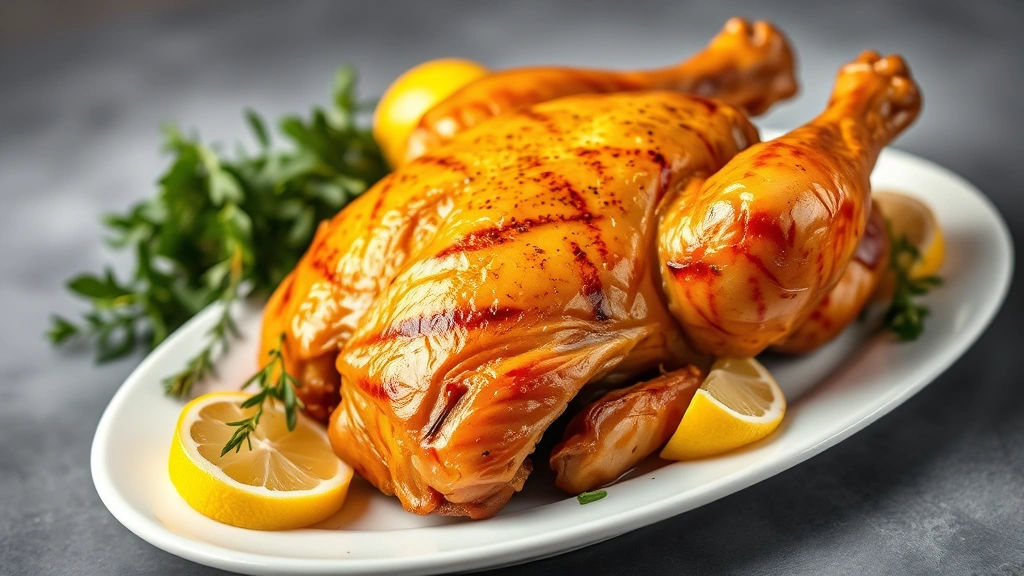
Rotisserie chicken has become a staple in modern kitchens, valued for its convenience, flavor, and impressive nutritional profile. Whether you’re grabbing one from the grocery store for a quick weeknight dinner or incorporating it into meal prep, understanding the nutritional breakdown of this popular protein source is essential for making informed dietary choices. As a dietitian-reviewed resource, we break down exactly what you’re getting nutritionally when you choose rotisserie chicken.
This beloved poultry option offers remarkable versatility and density of nutrients that make it worthy of regular inclusion in a balanced diet. From muscle-building protein to essential micronutrients, rotisserie chicken delivers substantial health benefits when prepared and consumed mindfully. Let’s explore the complete nutritional picture that makes this convenient protein such a smart choice for health-conscious eaters.
Rotisserie Chicken Nutrition Overview
A typical rotisserie chicken weighing approximately 1.5 pounds (680 grams) contains roughly 1,200-1,400 calories, making it a substantial meal when divided among servings. The macronutrient distribution is particularly impressive, with the majority of calories coming from protein and fat. Understanding the baseline nutrition facts helps you incorporate this protein source effectively into your healthy nutrition plan.
Per 3.5-ounce (100-gram) serving of rotisserie chicken with skin, you’ll typically find approximately 165 calories, 21 grams of protein, and 8 grams of fat. These numbers shift when you remove the skin, dropping to around 165 calories with 26 grams of protein and just 3.6 grams of fat per 100-gram serving. The nutrition facts vary slightly depending on the brand, preparation method, and whether you’re consuming white meat, dark meat, or a combination.
According to research from the National Center for Biotechnology Information, rotisserie chicken preparation methods—particularly the slow-roasting process—help retain nutrients while developing beneficial compounds through the Maillard reaction. This makes it nutritionally superior to many fast-food chicken options available today.
Protein Content and Muscle Building
The standout feature of rotisserie chicken is its exceptional protein content, making it an ideal choice for individuals focused on muscle development and recovery. A single medium-sized rotisserie chicken provides approximately 70-90 grams of complete protein, containing all nine essential amino acids required for optimal bodily function. This makes it particularly valuable for those following nutrition for athletes optimizing performance through diet.
Protein serves multiple critical functions beyond muscle building: it supports immune function, enzyme production, hormone regulation, and tissue repair. The bioavailability of protein from rotisserie chicken is exceptionally high, meaning your body can efficiently absorb and utilize these amino acids. For individuals engaged in resistance training or endurance activities, the amino acid profile—particularly rich in leucine—provides optimal stimulus for muscle protein synthesis.
When consumed as part of a balanced meal with carbohydrates and healthy fats, the protein in rotisserie chicken promotes satiety, helping regulate appetite and support weight management goals. Studies indicate that consuming adequate protein from sources like poultry supports metabolic health and can contribute to sustainable body composition changes.
Fat Profile and Heart Health
While rotisserie chicken contains fat, the composition warrants careful examination. The fat profile differs significantly between white meat and dark meat, and between skin-on and skinless preparations. Approximately 50% of the fat in rotisserie chicken comes from monounsaturated fatty acids, which support cardiovascular health and reduce inflammation.
Dark meat, often considered less healthy due to higher fat content, actually contains beneficial compounds. The saturated fat content is moderate—roughly 2-3 grams per 100-gram serving of skinless dark meat—and includes stearic acid, which has neutral effects on cholesterol levels. Additionally, dark meat provides superior amounts of iron, zinc, and selenium compared to white meat.
The skin contains most of the less-favorable saturated fat (approximately 5 grams per 100 grams), but also provides beneficial compounds including collagen and gelatin. For individuals managing cardiovascular risk, removing the skin reduces saturated fat intake while maintaining the nutritional benefits of the meat itself. Modern nutrition science supports the inclusion of moderate amounts of fat from poultry as part of a heart-healthy diet, particularly when combined with the importance of dietary fiber for your health.

Vitamins and Minerals
Beyond macronutrients, rotisserie chicken delivers an impressive micronutrient profile that supports overall health and wellness. The B-vitamin complex is particularly abundant, with notable amounts of niacin (vitamin B3), which supports energy metabolism and DNA repair; pantothenic acid (vitamin B5), essential for hormone production; and pyridoxine (vitamin B6), crucial for neurotransmitter synthesis.
Selenium, a powerful antioxidant mineral, appears in substantial quantities in rotisserie chicken, supporting thyroid function and protecting cells from oxidative damage. Phosphorus, essential for bone health and energy production, is also well-represented. The mineral zinc, particularly abundant in dark meat, supports immune function, wound healing, and protein synthesis.
The bioavailability of these minerals from animal sources is notably higher than from plant-based sources. This means your body absorbs and utilizes these nutrients more efficiently than from vegetarian alternatives. Choline, an essential nutrient often overlooked, is abundant in chicken and supports cognitive function and liver health—an important consideration when evaluating nutrition and mental health: how your diet impacts your brain.
Skin vs. Skinless Comparison
The decision to consume rotisserie chicken with or without skin significantly impacts the nutritional profile. A 3.5-ounce serving with skin contains approximately 8 grams of fat and 165 calories, while the same serving without skin drops to 3.6 grams of fat and 165 calories (with increased protein density). For individuals prioritizing fat reduction, removing the skin eliminates roughly 45% of the total fat content.
However, the skin provides valuable compounds beyond simple fat. Collagen and gelatin from the skin support joint health, skin elasticity, and gut integrity. The fat-soluble vitamins A, D, E, and K require dietary fat for absorption, so the fat in chicken skin actually facilitates nutrient uptake. Additionally, the skin contributes significantly to the sensory experience of eating—satisfaction and enjoyment are important components of sustainable nutrition practices.
For most individuals, a balanced approach—consuming rotisserie chicken with skin several times weekly while occasionally choosing skinless preparations—provides nutritional benefits while managing fat and calorie intake. The choice ultimately depends on individual health goals, caloric needs, and personal preferences.
Sodium Considerations
One nutritional aspect requiring attention is sodium content. Commercially prepared rotisserie chickens typically contain 75-100 mg of sodium per 100-gram serving, though some brands may exceed this range depending on their seasoning blends and brining practices. A whole rotisserie chicken may contain 500-1,000 mg of sodium total, representing 22-43% of the daily recommended intake for some individuals.
For individuals managing hypertension or following sodium-restricted diets, this warrants consideration. However, the sodium content remains moderate compared to many processed foods and prepared meals. The seasoning that contributes to sodium content also provides flavor compounds and herbs with potential antioxidant properties. If sodium intake is a concern, you can rinse the chicken surface or remove excess skin before consumption.
Selecting brands that disclose complete nutritional information allows informed decision-making. Some specialty markets and prepared foods sections offer lower-sodium rotisserie chicken options prepared without added salt. When incorporated into a diet rich in potassium-containing foods and paired with adequate hydration, moderate sodium from rotisserie chicken poses minimal concern for most healthy individuals.
Comparison with Other Protein Sources
To contextualize rotisserie chicken’s nutritional value, comparison with alternative protein sources proves illuminating. When compared to ground beef (80/20 blend), rotisserie chicken provides similar protein content but with substantially less fat and fewer calories per serving. Compared to salmon, rotisserie chicken offers comparable protein with less total fat, though salmon provides superior omega-3 fatty acid content.
Plant-based proteins, including legumes and tofu, contain less complete amino acid profiles and typically provide lower protein density per serving compared to rotisserie chicken. However, they offer superior fiber content and different micronutrient profiles, making dietary variety essential. The convenience factor distinguishes rotisserie chicken from most alternatives—requiring minimal preparation while delivering substantial nutritional value makes it a practical choice for busy individuals.
When evaluating cost-per-gram of protein, rotisserie chicken competes favorably with most alternatives, particularly when you consider the additional use of bones for broths and stocks. This versatility extends the nutritional value beyond the meat itself, supporting sustainable and economical eating practices. Visit our Nutrients Pathway Blog for additional protein source comparisons and nutritional analyses.
Best Practices for Consumption
To maximize the nutritional benefits of rotisserie chicken, several evidence-based practices enhance both nutrition and food safety. Store rotisserie chicken in the refrigerator immediately after purchase, and consume within 3-4 days for optimal food safety. Remove meat from bones promptly—the longer it sits at room temperature, the higher the bacterial growth risk.
Incorporating rotisserie chicken into balanced meals—pairing it with whole grains, vegetables, and healthy fats—optimizes nutrient absorption and satiety. The combination of protein, fiber, and micronutrients creates meals that sustain energy levels and support metabolic health. Using leftover bones to create nutrient-dense broths extracts collagen, gelatin, and minerals, providing additional health benefits.
Portion control remains important despite the nutritional density of rotisserie chicken. A serving size of 3-4 ounces (85-113 grams) provides adequate protein for most individuals while keeping calories in check. Varying preparation methods—shredding for salads, dicing for grain bowls, or serving with roasted vegetables—maintains interest and prevents dietary monotony.

For individuals with specific health conditions, consulting healthcare providers ensures rotisserie chicken consumption aligns with personalized dietary recommendations. Those managing kidney disease, certain autoimmune conditions, or following specific therapeutic diets may require modified consumption patterns. Generally, however, rotisserie chicken fits seamlessly into most evidence-based nutritional approaches.
FAQ
How many grams of protein does a rotisserie chicken contain?
A typical 1.5-pound rotisserie chicken contains approximately 70-90 grams of complete protein, depending on the size and meat composition. Per 3.5-ounce serving, you’ll find roughly 21-26 grams of protein depending on whether skin is included.
Is rotisserie chicken healthy for weight loss?
Yes, rotisserie chicken supports weight loss efforts through its high protein content, which promotes satiety and preserves lean muscle mass during caloric restriction. Consuming skinless rotisserie chicken with vegetables and whole grains creates balanced, nutrient-dense meals conducive to sustainable weight management.
How much sodium is in rotisserie chicken?
Commercially prepared rotisserie chicken typically contains 75-100 mg of sodium per 100-gram serving, with a whole chicken containing 500-1,000 mg total. This represents moderate sodium content compared to many processed foods, though individuals on sodium-restricted diets should verify specific brand information.
Should I eat rotisserie chicken with or without skin?
Both options offer benefits. With skin, you gain additional fat-soluble vitamins and collagen but increase calorie and fat intake. Without skin, you reduce fat and calories while maintaining most micronutrients. Choose based on individual health goals and preferences; varying your approach provides dietary diversity.
Can rotisserie chicken be eaten daily?
While rotisserie chicken is nutritionally sound, daily consumption may limit dietary variety and micronutrient diversity. Consuming rotisserie chicken 3-4 times weekly as part of a varied diet that includes other proteins, vegetables, and whole grains supports optimal nutrition and prevents monotony.
What’s the difference between rotisserie and grilled chicken nutritionally?
Rotisserie and grilled chicken offer similar nutritional profiles, though cooking method slightly affects nutrient retention and the development of beneficial compounds. Rotisserie preparation may preserve more moisture and certain B vitamins compared to high-heat grilling, while grilling produces different phytonutrient compounds through the Maillard reaction.