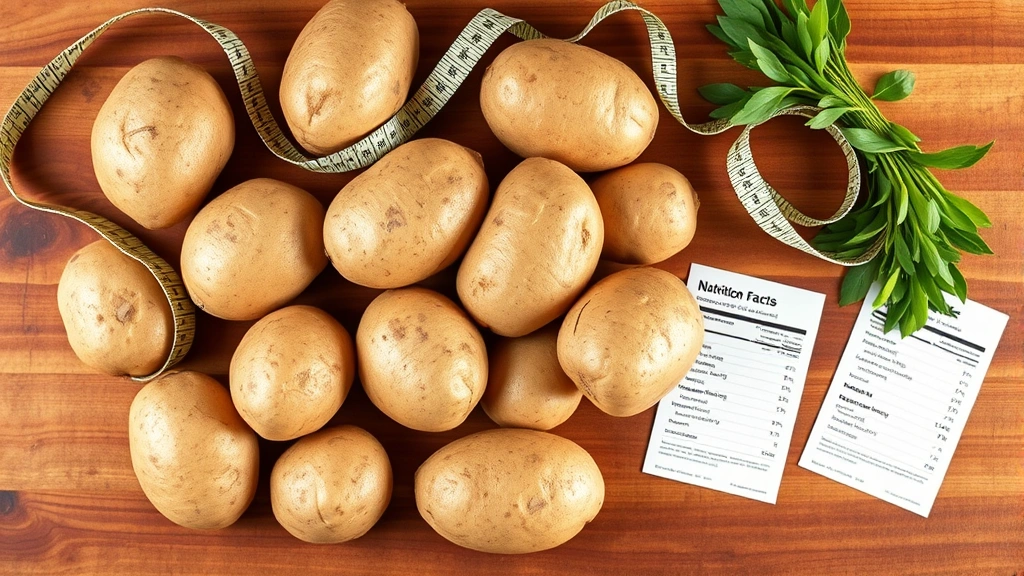
Russet Potato Nutrition Facts: Dietitian Insights
Russet potatoes are among the most consumed potato varieties in North America, yet many people misunderstand their nutritional value. Often dismissed as empty carbohydrates, russet potatoes actually contain impressive micronutrients, resistant starch, and compounds that support overall health. As registered dietitians increasingly recognize, the preparation method matters far more than the potato itself when determining its place in a balanced diet.
Understanding russet potato nutrition requires moving beyond outdated dietary myths. These versatile tubers provide essential minerals, B vitamins, and fiber when prepared mindfully. Whether you’re building a healthy nutrition plan or optimizing your dietary intake, knowing the facts about russet potatoes helps you make informed choices that align with your wellness goals.
Complete Nutritional Breakdown
A medium-sized russet potato with skin (approximately 173 grams) contains roughly 165 calories, making it a relatively modest energy source. The macronutrient profile includes 37 grams of carbohydrates, 4.3 grams of protein, and virtually no fat. This composition has led some to dismiss potatoes as nutritionally empty, but this perspective overlooks the critical micronutrients and phytonutrients potatoes provide.
The carbohydrates in russet potatoes consist primarily of starch, with about 2.1 grams of dietary fiber per medium potato. This fiber content becomes particularly significant when the potato is consumed with its skin intact. The protein content, while modest, contains all nine essential amino acids, making russet potatoes a complete protein source—an often-overlooked benefit for vegetarians and those seeking diverse protein sources.
Potassium represents one of the most abundant minerals in russet potatoes, with a medium potato providing approximately 620 milligrams or roughly 18% of the daily recommended value. This mineral plays crucial roles in blood pressure regulation, heart function, and muscle contractions. Many people unknowingly consume insufficient potassium, making potatoes a practical dietary source for this essential electrolyte.
Beyond basic macronutrients, russet potatoes contain approximately 2 grams of resistant starch when cooled after cooking. This unique carbohydrate type functions similarly to fiber, resisting digestion in the small intestine and reaching the colon largely intact. This property has generated significant interest from nutrition researchers studying metabolic health and gut microbiome support.
Vitamins and Minerals in Russet Potatoes
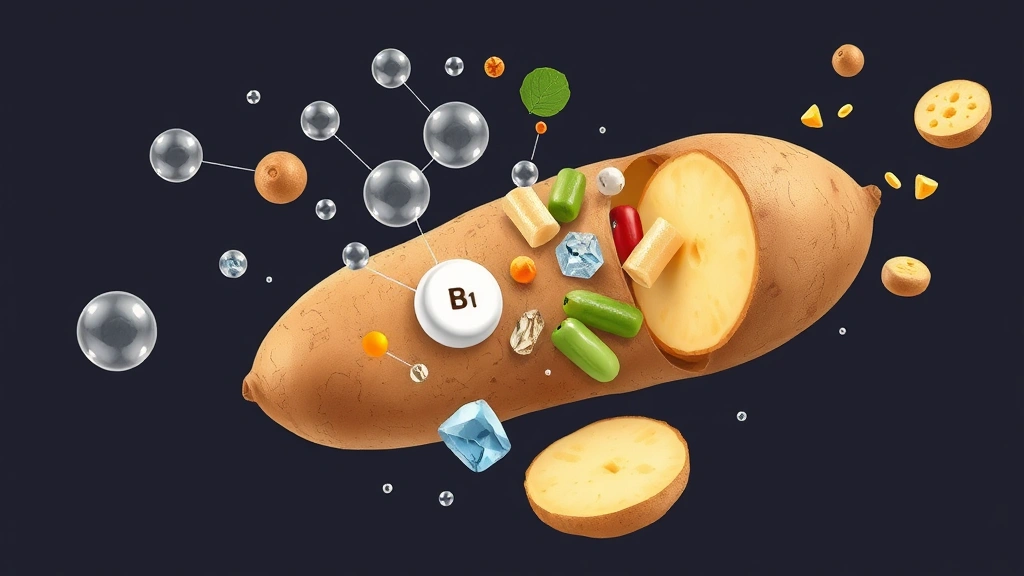
Russet potatoes deliver an impressive array of B vitamins essential for energy metabolism and nervous system function. Vitamin B6 content reaches approximately 0.3 milligrams per medium potato, supporting neurotransmitter synthesis and immune function. Folate, another B vitamin present in potatoes, plays vital roles in DNA synthesis and cell division, making it particularly important for pregnant individuals and those in high-stress periods.
The mineral profile extends beyond potassium to include manganese, phosphorus, and magnesium. Manganese, present at about 0.2 milligrams per medium potato, supports bone development, metabolism, and antioxidant defense. These minerals work synergistically to support bone health, energy production, and metabolic function—benefits that align well with comprehensive nutrition for athletes optimizing performance through diet.
Choline, an essential nutrient often overlooked in nutritional discussions, appears in russet potatoes at significant levels. This compound supports cognitive function, muscle movement, and metabolic regulation. Research from the Harvard School of Public Health demonstrates that adequate choline intake correlates with improved cognitive outcomes and reduced inflammation markers.
Antioxidants in russet potatoes deserve particular attention. While russet varieties contain lower levels than colored potatoes, they still provide flavonoids, carotenoids, and phenolic acids. These compounds combat oxidative stress and inflammation, contributing to long-term disease prevention and cellular health. The concentration of these compounds increases when potatoes are stored in cool, dark conditions and consumed with minimal processing.
Resistant Starch and Digestive Health
Resistant starch represents one of the most fascinating nutritional developments in potato science. When russet potatoes cool after cooking, their starch structure undergoes retrogradation—a process creating crystalline formations that resist enzymatic digestion. This transformation essentially converts a portion of digestible starch into prebiotic fiber.
The benefits of resistant starch extend throughout the digestive system. Colonic bacteria ferment resistant starch, producing short-chain fatty acids (SCFAs) including butyrate, which nourishes colonocytes and supports gut barrier integrity. This process has been linked to improved insulin sensitivity, enhanced satiety, and potentially reduced colorectal cancer risk. Research published in Nutrition Reviews highlights resistant starch’s role in metabolic health and disease prevention.
To maximize resistant starch content, allow cooked russet potatoes to cool to room temperature or refrigerate them for several hours before consumption. Reheating cooled potatoes doesn’t significantly reduce resistant starch levels, making potato salads and leftover preparations particularly valuable for this benefit. This simple preparation strategy transforms potatoes from a basic carbohydrate source into a functional food supporting digestive and metabolic health.
The prebiotic effect of resistant starch promotes beneficial bacterial growth, particularly Faecalibacterium prausnitzii and Roseburia species, which produce butyrate and support immune function. Individuals seeking to improve nutrient absorption can leverage resistant starch’s gut-supporting properties to enhance their overall nutritional status.
How Preparation Methods Impact Nutrition
The nutritional value of russet potatoes fluctuates dramatically based on preparation method. Baked potatoes with skin retain maximum nutrients, including fiber, potassium, and water-soluble vitamins. Microwaving potatoes in their skin also preserves nutritional integrity while reducing cooking time. These dry-heat methods avoid nutrient leaching into cooking water, making them superior to boiling for nutrient retention.
Conversely, deep-frying significantly alters the nutritional profile. French fries and chips absorb substantial amounts of oil, dramatically increasing calorie content and fat intake while often introducing trans fats through commercial frying processes. A serving of restaurant french fries can contain 300-400 calories and 15-20 grams of fat, compared to 160 calories and minimal fat in a baked russet potato. This distinction explains why preparation method represents the primary variable determining whether potatoes support or hinder health goals.
Boiling potatoes causes water-soluble nutrient loss, particularly potassium and B vitamins. However, when boiling water becomes incorporated into dishes like soups or stews, nutrient retention improves. Steaming represents a middle-ground approach, preserving more nutrients than boiling while remaining healthier than frying. Roasting potatoes with minimal oil creates appealing flavor and texture while maintaining nutritional benefits.
Adding complementary ingredients influences the overall nutritional impact. Pairing russet potatoes with protein sources, healthy fats, and vegetables creates balanced meals supporting stable blood sugar and sustained satiety. This approach aligns with principles outlined in our guide to tips for meal planning, where strategic combinations maximize nutritional density and satisfaction.
Resistant Starch and Digestive Health
Resistant starch represents one of the most fascinating nutritional developments in potato science. When russet potatoes cool after cooking, their starch structure undergoes retrogradation—a process creating crystalline formations that resist enzymatic digestion. This transformation essentially converts a portion of digestible starch into prebiotic fiber.
The benefits of resistant starch extend throughout the digestive system. Colonic bacteria ferment resistant starch, producing short-chain fatty acids (SCFAs) including butyrate, which nourishes colonocytes and supports gut barrier integrity. This process has been linked to improved insulin sensitivity, enhanced satiety, and potentially reduced colorectal cancer risk. Research published in Nutrition Reviews highlights resistant starch’s role in metabolic health and disease prevention.
To maximize resistant starch content, allow cooked russet potatoes to cool to room temperature or refrigerate them for several hours before consumption. Reheating cooled potatoes doesn’t significantly reduce resistant starch levels, making potato salads and leftover preparations particularly valuable for this benefit. This simple preparation strategy transforms potatoes from a basic carbohydrate source into a functional food supporting digestive and metabolic health.
Russet Potatoes for Athletic Performance
Athletes increasingly recognize russet potatoes as valuable performance-supporting foods. The carbohydrate content efficiently replenishes muscle glycogen depleted during intense training, while potassium supports hydration and electrolyte balance. Combined with protein sources, russet potatoes create optimal post-workout meals facilitating recovery and adaptation.
The glycemic index of russet potatoes ranks moderately high, making them particularly useful immediately following exercise when rapid glucose availability supports glycogen repletion. For individuals focused on nutrition for athletes optimizing performance through diet, incorporating russet potatoes strategically around training sessions maximizes their ergogenic benefits while supporting overall nutritional needs.
The vitamin B6 and manganese content supports energy metabolism and muscle protein synthesis, complementing the carbohydrate contribution. Many elite athletes and sports nutritionists recommend russet potatoes as a foundation for training day nutrition, particularly for endurance athletes requiring substantial carbohydrate intake.
Blood Sugar Management and Glycemic Index
Russet potatoes possess a glycemic index of approximately 90 when boiled and 85 when baked—values considered high. This characteristic led to widespread recommendations against potato consumption for individuals managing blood sugar, particularly those with type 2 diabetes. However, this perspective oversimplifies the relationship between potatoes and glycemic control.
The glycemic load—which accounts for portion size alongside glycemic index—presents a more nuanced picture. A medium russet potato delivers a glycemic load of approximately 15, considered moderate. Portion control and strategic pairing with protein, fiber, and healthy fats substantially reduces blood sugar impact. Adding vinegar to potato dishes further moderates glycemic response through acetic acid’s effects on starch digestion.
Research from the National Institutes of Health indicates that potatoes prepared appropriately and consumed in reasonable portions don’t negatively impact blood sugar management. The resistant starch formed through cooling actually improves insulin sensitivity, particularly benefiting individuals concerned about metabolic health. This evidence supports including russet potatoes in diabetes-friendly meal plans when prepared and portioned thoughtfully.
Weight Management Considerations
Contrary to popular belief, russet potatoes support weight management goals when prepared appropriately. The satiety index—a measure of how full foods make people feel—ranks potatoes among the highest-scoring foods. A medium russet potato provides substantial volume and satiety from only 160 calories, making it valuable for those seeking to manage calorie intake while remaining satisfied.
The fiber content, particularly when skin is included, promotes digestive health and supports healthy microbiota composition. The resistant starch in cooled potatoes further enhances satiety through mechanisms involving peptide YY and other satiety hormones. These properties position russet potatoes as beneficial components of weight management strategies rather than obstacles to overcome.
Preparation method critically influences weight management outcomes. A baked russet potato with Greek yogurt and vegetables creates a satisfying, nutrient-dense meal under 300 calories. The same potato transformed into french fries or loaded with butter and sour cream exceeds 500 calories and lacks the nutritional density. This distinction explains why potatoes appear in successful weight loss protocols when approached strategically.
Incorporating russet potatoes into a healthy nutrition plan supports sustainable weight management through enhanced satiety and nutritional completeness. The psychological satisfaction of eating whole, recognizable foods like potatoes often proves superior to restrictive approaches eliminating entire food categories.

FAQ
Are russet potatoes healthy?
Russet potatoes are nutritious when prepared appropriately. They provide essential minerals, B vitamins, resistant starch, and satiety-promoting compounds. Baking, steaming, or boiling without excessive added fats maximizes health benefits. The key distinction involves preparation method rather than the potato itself.
How much potassium do russet potatoes contain?
A medium russet potato with skin provides approximately 620 milligrams of potassium, representing about 18% of the daily recommended value. This mineral content makes potatoes a practical dietary source for supporting heart function, blood pressure regulation, and muscle health.
Do russet potatoes cause weight gain?
Russet potatoes themselves don’t inherently cause weight gain. Their high satiety index and moderate calorie density make them valuable for weight management. Weight gain results from preparation methods adding substantial fats or excessive portion sizes, not from the potato itself.
Can people with diabetes eat russet potatoes?
People with diabetes can include russet potatoes in their diet through careful preparation and portioning. Pairing potatoes with protein and healthy fats, allowing them to cool to develop resistant starch, and maintaining appropriate portion sizes all support blood sugar management. Consulting individual healthcare providers ensures personalized guidance.
What’s the difference between russet and other potato varieties nutritionally?
Russet potatoes contain fewer anthocyanins and carotenoids than colored varieties, making them lower in certain antioxidants. However, they provide similar macronutrient profiles and mineral content. Colored potatoes offer additional phytonutrient benefits, but russets remain nutritionally valuable choices.
How does cooling russet potatoes affect nutrition?
Cooling cooked russet potatoes dramatically increases resistant starch content through retrogradation. This transformation converts digestible starch into prebiotic fiber, enhancing digestive health benefits and improving insulin sensitivity. Reheating cooled potatoes preserves these benefits, making leftovers particularly valuable.
What’s the best way to prepare russet potatoes for maximum nutrition?
Baking or steaming russet potatoes with skin intact maximizes nutrient retention. Cooling them afterward increases resistant starch content. Avoiding deep-frying and minimizing added fats preserves the nutritional benefits while keeping calorie content reasonable.


