
Saltine Crackers: Healthy Snack? Dietitian Insight
Saltine crackers have been a pantry staple for generations, offering convenience and a satisfying crunch that appeals to millions of snackers worldwide. But beneath their simple, unassuming exterior lies a more complex nutritional story that deserves examination. As a nutrition solutions expert, I’ve fielded countless questions about whether these ubiquitous crackers deserve a place in a balanced diet.
The reality is nuanced. Saltine crackers aren’t inherently “bad,” but they’re not nutritional powerhouses either. Understanding their composition, how they fit into your overall dietary pattern, and what healthier alternatives exist can help you make informed snacking decisions. This comprehensive guide breaks down the saltine cracker nutrition profile and explores whether they truly qualify as a healthy snack option.
Saltine Crackers Nutrition Facts Explained
A standard serving of saltine crackers—typically five crackers or about 15 grams—contains approximately 60 calories and minimal nutritional density. This baseline understanding is essential for anyone trying to evaluate whether saltines fit their dietary goals. The ingredient list typically includes enriched wheat flour, vegetable oil, salt, and leavening agents, with minimal whole grains in most commercial varieties.
The enrichment process means that certain B vitamins and iron have been added back after processing removed them, making saltines somewhat more nutritious than they would be otherwise. However, this enrichment process is a reactive measure rather than evidence of inherent nutritional value. When examining nutrition facts about comparable foods, the difference becomes stark.
Most saltine crackers are made from refined flour, which has had the nutrient-rich bran and germ removed. This processing strips away fiber, healthy fats, and numerous phytonutrients that whole grains contain. The result is a product that provides quick energy but limited sustained nutrition, making it problematic for those seeking optimal health outcomes.
Caloric Content and Macronutrient Breakdown
Understanding the macronutrient composition helps contextualize where saltine crackers fit in your overall caloric intake. A 15-gram serving (five crackers) typically provides:
- Calories: 60
- Carbohydrates: 10-11 grams
- Protein: 1-1.5 grams
- Fat: 1.5-2 grams
- Sugar: Less than 1 gram
The macronutrient distribution reveals that saltines are predominantly carbohydrate-based, with minimal protein content. This ratio means they don’t provide satiety comparable to snacks combining protein and healthy fats. For someone following a healthy nutrition plan, this limited protein content represents a significant limitation.
The fat content, while minimal, comes primarily from vegetable oils used in the manufacturing process. These are typically not the healthy unsaturated fats that support cardiovascular health. The carbohydrates are almost entirely from refined flour, meaning they lack the fiber that whole grain carbohydrates provide.
Most concerning is the satiety factor. A serving of saltines provides approximately 60 calories with minimal fiber or protein—nutrients that promote fullness and stable blood sugar. Many people find themselves consuming multiple servings without achieving satisfaction, leading to overconsumption and excess calorie intake.
Sodium Content: A Major Concern
Perhaps the most significant nutritional drawback of saltine crackers is their sodium content. A single serving of five crackers contains approximately 190-210 milligrams of sodium, representing roughly 8-9% of the daily recommended limit for most adults. This high sodium concentration in such a small portion is problematic for several reasons.
The American Heart Association recommends limiting sodium to 2,300 milligrams daily, with an ideal limit of 1,500 milligrams for optimal cardiovascular health. For individuals with hypertension, salt sensitivity, or cardiovascular disease, the sodium concentration in saltines becomes particularly concerning. Many people exceed their daily sodium recommendations before lunch simply through processed foods, with saltines frequently contributing to this excess.
Beyond blood pressure effects, excessive sodium intake has been linked to increased risk of heart disease, stroke, and kidney disease in numerous peer-reviewed studies. Research from the American Heart Association demonstrates that reducing sodium intake can significantly lower cardiovascular disease risk.
The irony is that this sodium provides no nutritional benefit—it’s purely for flavor and preservation. This makes the sodium content particularly troubling; you’re consuming a substantial portion of your daily allowance for a nutrient that offers no essential health function when consumed in excess.
Refined Carbohydrates and Blood Sugar Impact
Saltine crackers are made from refined wheat flour, which has a high glycemic index (GI). This means they’re rapidly digested and absorbed, causing sharp spikes in blood glucose levels. For individuals managing diabetes, prediabetes, or simply trying to maintain stable energy levels, this characteristic is problematic.
When blood sugar spikes rapidly, your pancreas responds by releasing insulin to bring glucose levels back down. This can lead to subsequent drops in blood sugar, causing energy crashes, mood swings, and increased hunger. Over time, this pattern of rapid spikes and drops can contribute to insulin resistance, a precursor to type 2 diabetes.
Research from Harvard School of Public Health demonstrates that regular consumption of high-glycemic foods is associated with increased type 2 diabetes risk and weight gain. The refined carbohydrates in saltines fit squarely into this problematic category.
Comparatively, whole grain crackers with added fiber and protein produce much more gradual blood sugar responses, providing sustained energy without the crash. This is why dietitians typically recommend whole grain alternatives when snacking on crackers is desired.
Fiber Content and Digestive Health
One of the most notable deficiencies in saltine crackers is their fiber content. A standard serving contains virtually no dietary fiber—typically less than 1 gram in a 15-gram serving. This is a significant issue because fiber is essential for digestive health, blood sugar regulation, and cardiovascular function.
Adequate fiber intake—25-35 grams daily for most adults—supports healthy digestion, promotes beneficial gut bacteria growth, helps maintain healthy cholesterol levels, and contributes to satiety. The lack of fiber in saltines means they contribute none of these benefits. Instead, they’re essentially empty calories from a fiber perspective.
The absence of fiber also contributes to the blood sugar concerns mentioned previously. Fiber slows digestion and glucose absorption, moderating blood sugar responses. Without it, refined carbohydrates are absorbed rapidly, causing the problematic spikes discussed earlier.
For anyone seeking to improve digestive health or maintain stable blood sugar, saltines represent a poor choice. A better approach involves incorporating fiber-rich snacks as part of your tips for meal planning strategy.
Micronutrients: What Saltines Actually Provide
While saltines contain minimal vitamins and minerals in their natural state, commercial varieties are often enriched with certain micronutrients. This enrichment includes:
- Niacin (Vitamin B3): Approximately 1-1.5 mg per serving
- Thiamine (Vitamin B1): Approximately 0.05-0.1 mg per serving
- Riboflavin (Vitamin B2): Approximately 0.05 mg per serving
- Iron: Approximately 0.5-1 mg per serving
While these micronutrients are beneficial, they represent a fraction of daily requirements. More importantly, they’re added back as compensation for nutrients removed during the refining process. Consuming whole grain products would provide these nutrients naturally, along with additional beneficial compounds like phytonutrients and antioxidants that refined products lack.
The enrichment process, while well-intentioned, doesn’t fully restore the nutritional profile of whole grains. You’re receiving a fraction of the micronutrient density you’d get from whole grain alternatives. For anyone focused on optimizing how to improve nutrient absorption, whole grains paired with nutrient-dense toppings represent a superior choice.
Comparing Saltines to Alternative Crackers
When evaluating whether saltines are a healthy snack, comparison with alternatives provides valuable perspective. Here’s how they stack up against other cracker options:
- Whole Wheat Crackers: Contain 2-3 grams of fiber per serving versus saltines’ near-zero, plus more protein and micronutrients
- Multigrain Crackers: Often provide similar or better nutritional profiles with added seeds and grains
- Sprouted Grain Crackers: Offer enhanced nutrient bioavailability and typically lower sodium
- Seed-Based Crackers: Provide healthy fats, protein, and fiber alongside carbohydrates
- Rice Cakes: Similar caloric content but often lower sodium; however, still lacking in fiber and protein
The comparison clearly shows that numerous alternatives provide superior nutritional profiles. Most whole grain and seed-based crackers offer significantly more fiber, protein, and micronutrient density while often containing less sodium. From a nutritional standpoint, choosing these alternatives over saltines represents a straightforward upgrade.
Healthy Ways to Enjoy Saltines
While saltines aren’t optimal standalone snacks, they can be incorporated into healthier eating patterns when paired thoughtfully with nutrient-dense toppings. Here are evidence-based strategies:
- Protein-Rich Toppings: Pair with natural peanut butter, almond butter, or cheese to add protein and healthy fats, improving satiety and blood sugar response
- Vegetable Combinations: Top with hummus and fresh vegetables for added fiber, vitamins, and minerals
- Fish and Toppings: Use as a base for smoked salmon or sardines, adding omega-3 fatty acids and high-quality protein
- Portion Control: Limit to one serving (five crackers) rather than mindlessly consuming multiple servings
- Strategic Timing: Consume with meals rather than as standalone snacks to moderate blood sugar response
The key principle is that saltines serve best as a vehicle for nutrient-dense foods rather than as a nutritious snack in their own right. This approach transforms them from a nutritionally empty option into a reasonable component of a balanced eating pattern.
” alt=”Assorted whole grain crackers and seeds displayed on wooden surface with nutritional variety”>
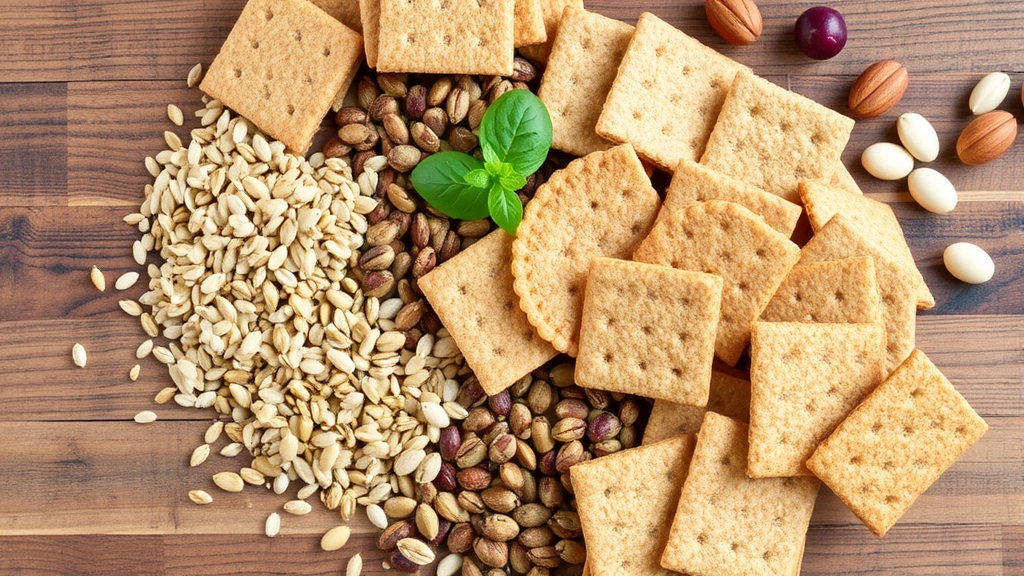
If you’re seeking healthier cracker options, numerous alternatives deserve consideration: These alternatives consistently outperform saltines across nutritional metrics: higher fiber content, better protein ratios, more micronutrients, and typically lower sodium. While they may cost more than budget saltines, their superior nutritional density justifies the investment for health-conscious consumers. When selecting alternatives, read labels carefully. Some “whole grain” crackers contain significant added sugars or excessive sodium. Look for products with whole grains as the first ingredient, minimal added sugars, and sodium content below 200 mg per serving. Based on comprehensive nutritional analysis, saltine crackers cannot be classified as a healthy snack when consumed alone. They’re calorie-dense, fiber-poor, high in sodium, and made from refined carbohydrates that spike blood sugar. These characteristics make them suboptimal for anyone prioritizing health outcomes. However, the picture becomes more nuanced when considering context. Occasionally enjoying saltines as part of a balanced diet won’t derail health goals. The concern arises when they become a regular snacking default, contributing excess sodium, refined carbohydrates, and calories without proportional nutritional benefit. For individuals managing specific health conditions—diabetes, hypertension, cardiovascular disease—saltines should generally be avoided or severely limited. For others seeking to optimize nutrition and maintain healthy weight, superior alternatives clearly exist. The most practical recommendation: treat saltines as an occasional convenience food rather than a health food, and when consuming them, pair with nutrient-dense toppings that enhance their nutritional profile. Better yet, transition to whole grain or seed-based alternatives that provide genuine nutritional benefit without compromise.Better Cracker Alternatives
The Verdict: Are Saltines a Healthy Snack?

” alt=”Nutritionist reviewing food labels and cracker packages with healthy meal components arranged nearby”>
Saltine crackers are generally not beneficial for digestive health due to their lack of fiber. While they’re bland enough to be tolerated during digestive upset, they don’t actively support healthy digestion. Whole grain crackers with fiber provide superior digestive benefits. Saltines can technically fit into a calorie-controlled diet given their modest calorie content (60 per serving). However, their lack of protein and fiber means they don’t promote satiety, potentially leading to overconsumption. Pairing with protein and fat sources improves their utility in weight management. Saltines and refined white bread are nutritionally similar—both are made from refined flour and lack significant fiber. However, whole grain bread provides substantially more fiber and micronutrients than saltines, making it the better choice when available. A standard serving of five saltine crackers contains approximately 190-210 milligrams of sodium, representing 8-9% of the recommended daily limit. This high concentration in a small portion makes saltines problematic for sodium-restricted diets. Pair saltines with protein-rich or fiber-rich toppings like cheese, nut butter, hummus, or vegetables. This strategy transforms them from a nutritionally empty snack into a more balanced option. Alternatively, simply choose whole grain or seed-based crackers instead. Saltines offer minimal inherent health benefits. The enriched B vitamins and iron they contain are added back after processing and are available in greater quantities from whole grain alternatives. Their primary advantage is convenience and long shelf life, not nutritional value. Yes, whole wheat saltines represent a significant nutritional upgrade. They contain more fiber, protein, and micronutrients while maintaining similar calorie content. If you prefer saltine-style crackers, whole wheat versions are a reasonable compromise between tradition and nutrition.FAQ
Are saltine crackers good for digestion?
Can I eat saltines on a diet?
Are saltines better than bread?
How much sodium do saltines contain?
What’s the best way to eat saltines?
Do saltines have any health benefits?
Are whole wheat saltines better?


