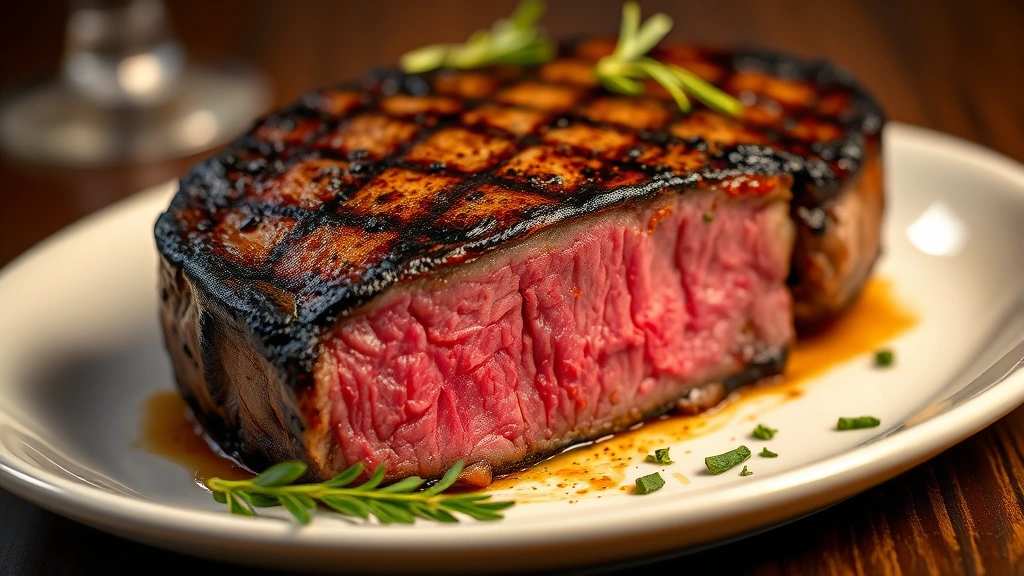
Sirloin Steak Benefits? Dietitian’s Analysis
Sirloin steak has long been a centerpiece of the American dinner table, celebrated for its rich flavor and satisfying texture. But beyond taste, what does this popular cut of beef actually offer nutritionally? As a dietitian analyzing sirloin nutrition, I’ve discovered that this protein-rich meat delivers substantial health benefits when consumed thoughtfully as part of a healthy nutrition plan. Understanding the complete nutritional profile of sirloin helps consumers make informed dietary choices that align with their health goals.
The misconception that all red meat is inherently unhealthy has persisted for decades, yet emerging research reveals a more nuanced picture. Sirloin steak, particularly when properly prepared and portioned, can be an excellent source of essential nutrients that support muscle development, energy production, and overall wellness. This analysis explores the science-backed benefits of sirloin steak while addressing common concerns and providing practical guidance for optimal consumption.
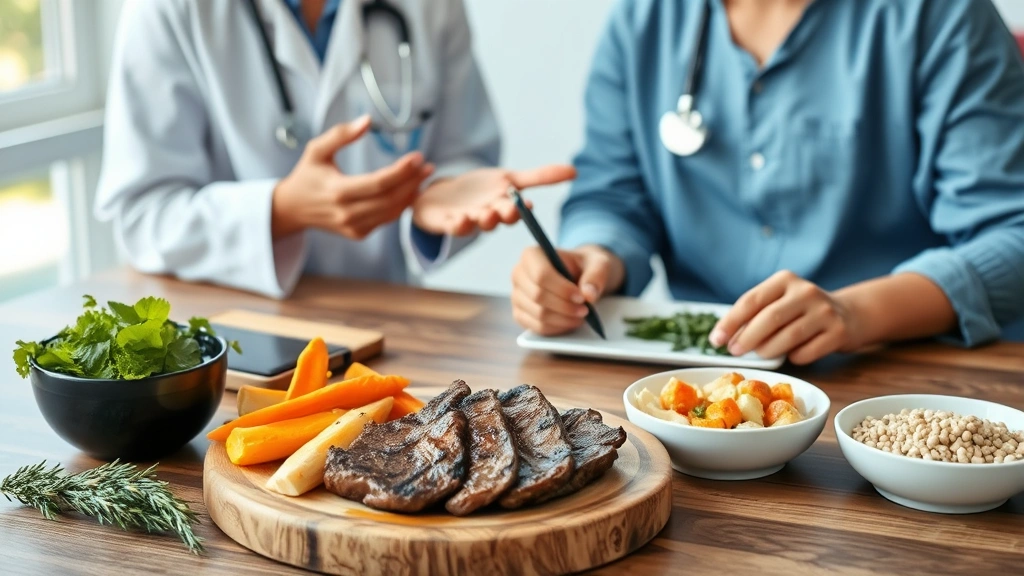
Complete Nutritional Profile of Sirloin Steak
A 3-ounce serving of cooked sirloin steak (approximately 85 grams) contains roughly 180-200 calories, making it a calorie-efficient protein source compared to many processed foods. The macronutrient breakdown reveals why nutritionists increasingly recognize sirloin’s value in balanced diets. Each serving delivers approximately 25-27 grams of high-quality protein, along with minimal carbohydrates (0 grams) and varying fat content depending on the cut’s grade and trimming.
The fat composition of sirloin deserves particular attention. While sirloin contains saturated fat, it also provides monounsaturated fats, which research from Pew Research Center’s health studies indicates can support cardiovascular health when consumed in appropriate quantities. The ratio of saturated to unsaturated fats in sirloin is more favorable than many assume, particularly in leaner cuts like sirloin tip or bottom sirloin.
Sirloin steak provides approximately 2.6-3.1 micrograms of vitamin B12 per 3-ounce serving, exceeding 40% of the daily recommended value. This nutrient proves absolutely essential for neurological function, red blood cell formation, and DNA synthesis. For individuals following plant-based diets or struggling with B12 absorption issues, sirloin represents a bioavailable source of this critical nutrient.
Protein Content and Muscle Development
The primary nutritional advantage of sirloin steak centers on its exceptional protein content. Each serving provides complete protein, containing all nine essential amino acids necessary for human health. This completeness distinguishes sirloin from many plant-based protein sources, which often require careful combining to ensure adequate amino acid profiles.
For individuals engaged in resistance training, recovery from injury, or managing age-related muscle loss (sarcopenia), sirloin’s protein density offers significant advantages. Research in sports nutrition demonstrates that consuming 25-30 grams of high-quality protein per meal optimizes muscle protein synthesis. A single sirloin steak serving easily achieves this threshold, supporting lean muscle maintenance and development across the lifespan.
The amino acid composition includes particularly high levels of leucine, a branched-chain amino acid that plays a crucial role in activating the mTOR pathway—the cellular mechanism responsible for muscle growth and repair. This makes sirloin especially valuable for aging populations seeking to maintain strength and functional capacity. Additionally, sirloin contains creatine naturally, an amino acid derivative that supports energy production within muscle cells.
Iron and Bioavailability Advantages
Sirloin steak contains approximately 1.5-2.7 mg of iron per 3-ounce serving, but the type of iron present matters significantly more than the quantity. Red meat provides heme iron, an organic compound that the human body absorbs at rates of 15-35%, compared to non-heme iron from plant sources, which achieves only 2-20% absorption rates. This substantial difference explains why nutritionists often recommend red meat for individuals with iron-deficiency anemia.
The body’s iron absorption from sirloin is further enhanced by the simultaneous presence of vitamin C and other organic acids within the meal context. When sirloin is consumed alongside vegetables or acidic foods, the bioavailability of iron increases dramatically compared to isolated supplementation. This synergistic effect demonstrates the importance of viewing nutrients within whole-food contexts rather than in isolation.
Iron serves multiple critical functions: oxygen transport via hemoglobin, energy production through cytochrome oxidase enzymes, and immune system support through various enzymatic processes. Women of reproductive age, endurance athletes, and individuals with certain medical conditions benefit particularly from sirloin’s highly bioavailable iron content. This advantage over plant-based iron sources makes sirloin a practical choice for those prioritizing dietary adequacy.
B-Complex Vitamins for Energy Metabolism
Beyond B12, sirloin steak provides exceptional quantities of other B-complex vitamins essential for energy metabolism. Niacin (vitamin B3) appears in sirloin at approximately 4-5 mg per serving, supporting roughly 25-30% of daily requirements. Niacin participates in over 400 enzymatic reactions, with particular importance in converting carbohydrates, fats, and proteins into usable cellular energy.
Vitamin B6 (pyridoxine) content in sirloin reaches approximately 0.5-0.8 mg per serving, supporting amino acid metabolism and neurotransmitter synthesis. This vitamin proves essential for cognitive function, mood regulation, and immune response. Pantothenic acid (B5) and riboflavin (B2) also appear in meaningful quantities, each contributing to the complete energy metabolism picture that makes sirloin particularly valuable for active individuals.
The combination of B vitamins in sirloin creates a synergistic effect that supports energy production more effectively than isolated supplementation. These nutrients work together as coenzymes in metabolic pathways, explaining why consuming whole foods containing multiple B vitamins often produces superior results compared to individual vitamin supplementation. This advantage supports the case for including sirloin as part of a comprehensive nutritious whole-food approach rather than relying on supplements.
Essential Minerals and Micronutrients
Sirloin steak delivers an impressive array of minerals critical for physiological function. Selenium content reaches approximately 22-35 micrograms per 3-ounce serving, representing 30-50% of daily requirements. This trace mineral functions as a cofactor for selenoproteins, which provide antioxidant protection and support thyroid hormone metabolism. Adequate selenium intake has been associated with improved immune function and reduced inflammation markers in research studies.
Zinc appears in sirloin at approximately 5-7 mg per serving, exceeding 45-65% of daily requirements for most adults. This mineral proves absolutely essential for immune function, wound healing, protein synthesis, and DNA replication. The bioavailability of zinc from animal sources significantly exceeds that from plant sources, making sirloin an efficient dietary source for this often-deficient nutrient.
Phosphorus, potassium, and magnesium also appear in substantial quantities within sirloin steak. Phosphorus works alongside calcium for bone health, potassium supports cardiovascular function and electrolyte balance, and magnesium participates in over 300 enzymatic reactions throughout the body. This mineral density makes sirloin particularly valuable for athletes and individuals with high nutrient demands.
Heart Health Considerations
Concerns about red meat and cardiovascular health have shaped dietary recommendations for decades, yet recent analysis reveals a more complex relationship. The saturated fat in sirloin, while present, comprises only a portion of total fat content. Critically, sirloin contains stearic acid, a saturated fat that research suggests has minimal impact on LDL cholesterol levels compared to other saturated fats like palmitic acid.
Additionally, sirloin provides carnitine and carnosine, compounds with emerging evidence suggesting cardiovascular benefits. Carnitine supports energy production within cardiac muscle cells, while carnosine functions as an antioxidant and anti-inflammatory agent. These bioactive compounds distinguish red meat from processed meats, which lack similar nutritional profiles.
The key to incorporating sirloin while supporting heart health involves portion control, preparation method selection, and overall dietary pattern. Research from cardiovascular health organizations indicates that consuming 3-4 ounces of lean red meat several times weekly, as part of a diet rich in vegetables, whole grains, and healthy fats, does not adversely affect cardiovascular outcomes for most individuals. This moderate approach differs substantially from consuming large portions daily.
Optimal Preparation Methods
How sirloin is prepared dramatically influences its nutritional value and health impact. Grilling, broiling, and baking represent optimal cooking methods that minimize added fats while preserving heat-sensitive nutrients. These dry-heat cooking methods allow excess fat to drain away while developing beneficial compounds through the Maillard reaction, which creates antioxidant-rich browning.
Conversely, pan-frying in excessive oil or butter significantly increases calorie and fat content while potentially introducing oxidized fat compounds. When pan-cooking becomes necessary, using minimal oil or cooking spray, combined with brief cooking times, helps preserve nutritional integrity. Marinating sirloin in acidic ingredients like vinegar or citrus juice before cooking may enhance iron bioavailability while adding flavor without additional calories.
Trimming visible fat before cooking reduces saturated fat content by 15-30% depending on the cut. However, some intramuscular fat (marbling) should be retained, as it contributes to satiety, nutrient absorption, and the sensory experience that promotes satisfaction and prevents overeating. The balance between removing excess fat and retaining beneficial marbling optimizes both nutritional and practical outcomes.
Recommended Serving Sizes
Nutritional guidelines recommend consuming 3-4 ounces of cooked lean meat per serving, equivalent to a deck of cards in size. This portion provides substantial protein and micronutrients while maintaining reasonable calorie intake. For individuals with high protein requirements—such as athletes, older adults, or those recovering from illness—consuming 4-6 ounces represents a reasonable adjustment supported by current nutrition science.
The frequency of sirloin consumption matters as much as individual portion size. Consuming sirloin 2-3 times weekly, as part of a varied diet including poultry, fish, legumes, and plant-based proteins, provides nutritional benefits while diversifying nutrient sources. This frequency aligns with recommendations from nutrition policy organizations and supports both health and sustainability goals.
Individual factors—including age, activity level, metabolic health, and specific health conditions—should guide personal portion decisions. Those managing certain conditions like gout or kidney disease may benefit from consulting healthcare providers about appropriate sirloin consumption. For most healthy adults, however, the recommended portions provide substantial benefits without nutritional concerns when prepared appropriately and consumed as part of a balanced diet incorporating adequate vegetables, as discussed in our meal planning guide.
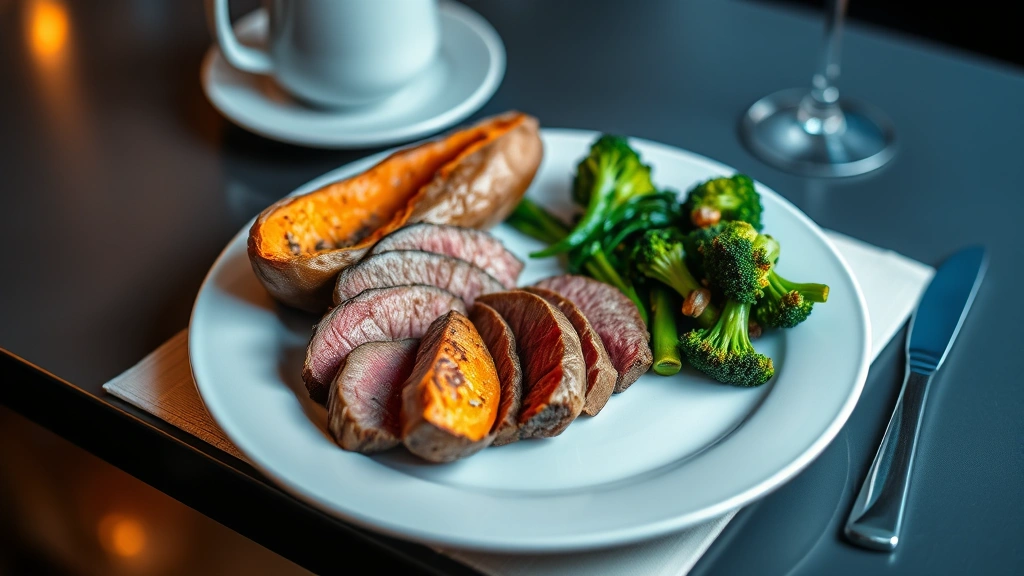
Creating balanced meals around sirloin involves combining it with nutrient-dense carbohydrates and abundant vegetables. A plate containing 4 ounces of sirloin, a medium sweet potato, and 2 cups of roasted vegetables provides exceptional nutritional value while maintaining appropriate calorie balance for most adults. This approach addresses the importance of dietary fiber often lacking in meat-only meals.
Research from clinical nutrition studies demonstrates that individuals consuming adequate protein from varied sources, including moderate amounts of red meat, maintain better long-term health outcomes than those following restrictive elimination diets. The psychological sustainability of including preferred foods like sirloin supports adherence to healthy eating patterns across the lifespan.
FAQ
Is sirloin steak healthier than other beef cuts?
Sirloin occupies a middle ground nutritionally. Leaner cuts like sirloin tip provide less total fat while maintaining excellent protein content, making them ideal for those prioritizing fat reduction. Fattier cuts like ribeye offer superior nutrient density and satiety but contain more calories. The “healthiest” cut depends on individual health goals, activity level, and dietary preferences.
How often should I eat sirloin steak?
Consuming sirloin 2-3 times weekly provides substantial health benefits while maintaining dietary diversity. This frequency allows adequate nutrient intake from red meat while ensuring consumption of varied protein sources, including fish, poultry, legumes, and plant-based options. Individual circumstances may warrant different frequencies based on personal health status.
Does cooking method affect sirloin’s nutritional value?
Yes, significantly. Grilling and broiling preserve nutrients while allowing excess fat drainage. High-temperature cooking methods may create some potentially harmful compounds, though evidence suggests moderate consumption poses minimal risk. Marinating before cooking and avoiding charring help minimize any negative compounds while enhancing bioavailability of certain nutrients.
Can sirloin fit into a heart-healthy diet?
Absolutely. Lean sirloin, consumed in appropriate portions (3-4 ounces) 2-3 times weekly, fits comfortably within heart-healthy dietary patterns. The key involves choosing lean cuts, preparing them healthfully, and balancing meals with abundant vegetables and whole grains. Those with specific cardiac conditions should consult healthcare providers about personal recommendations.
What makes sirloin’s protein superior to plant-based options?
Sirloin provides complete protein containing all nine essential amino acids in optimal proportions for human health. Additionally, the bioavailability of amino acids from animal protein exceeds that from plant sources, meaning the body absorbs and utilizes a higher percentage. For those prioritizing efficient nutrient absorption, sirloin offers advantages, though varied plant-based proteins can also support health when properly combined.
Does the fat in sirloin raise cholesterol?
Research suggests that moderate sirloin consumption does not significantly raise cholesterol for most individuals. The specific fatty acid composition, particularly the presence of stearic acid, produces less dramatic cholesterol-raising effects than once believed. However, individual responses vary based on genetics, overall diet, and lifestyle factors. Those with familial hypercholesterolemia should work with healthcare providers on personalized recommendations.


