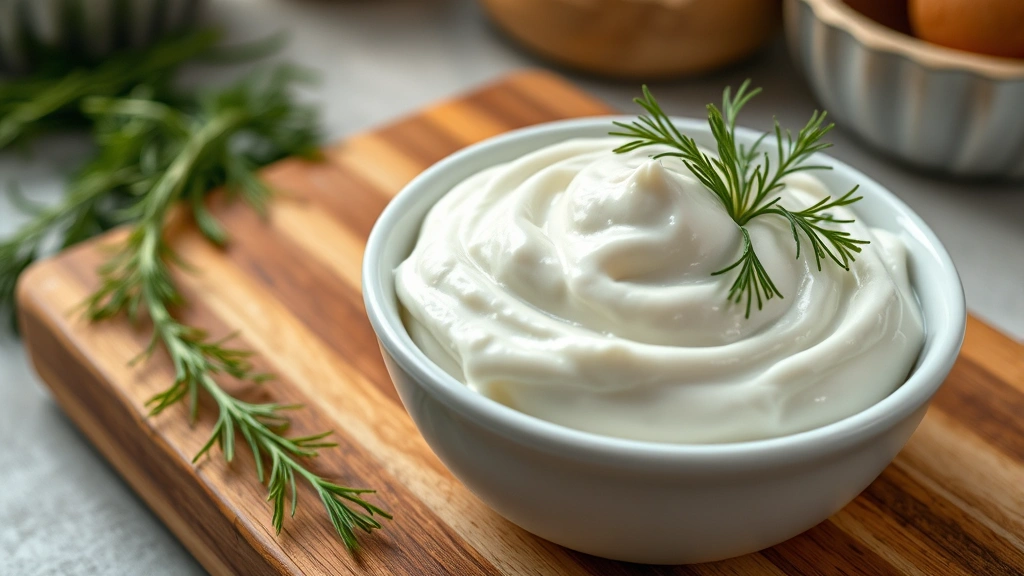
Sour Cream: Healthy or Not? Dietitian Insight on Nutrition Facts
Sour cream sits at an interesting crossroads in nutritional discussions. Once considered a dietary villain by mainstream health advocates, this tangy dairy product is experiencing a reassessment thanks to emerging research and a more nuanced understanding of fat and fermented foods. As a registered dietitian nutritionist, I’ve observed countless clients grapple with whether sour cream deserves a place in their diet or should remain on the “avoid” list. The answer, like most nutrition questions, is more complex than simple yes or no responses.
Understanding sour cream nutrition facts requires looking beyond calorie counts and saturated fat percentages. We must examine the complete nutritional profile, consider portion sizes, and understand how this ingredient fits within the context of an overall dietary pattern. This comprehensive guide explores the science behind sour cream, separates marketing myths from evidence-based insights, and provides practical guidance for incorporating it into a health-conscious diet.
What Is Sour Cream and How Is It Made?
Sour cream is a cultured dairy product created by fermenting regular cream with lactic acid bacteria. The fermentation process—typically lasting 12 to 24 hours—converts lactose into lactic acid, giving sour cream its distinctive tangy flavor and thicker consistency. This transformation is significant from a nutritional standpoint because it fundamentally alters the product’s chemical composition and digestibility.
The bacterial cultures used in sour cream production include Lactococcus lactis and other lactic acid bacteria strains. These microorganisms not only create flavor and texture but also begin breaking down milk proteins and lactose, making sour cream potentially easier to digest than regular cream. The fermentation process also extends shelf life and creates a more stable product, which is why sour cream has become a staple in kitchens worldwide.
Quality varies significantly among commercial sour cream products. Some manufacturers use only cream and cultures, while others add stabilizers, thickeners, and preservatives. Reading ingredient labels becomes crucial when evaluating nutritional quality and determining whether a product aligns with your dietary preferences and health goals.
Complete Nutritional Breakdown
A standard serving of sour cream—typically 2 tablespoons or 30 grams—contains approximately 60 calories, making it relatively calorie-dense. However, calories tell only part of the story. Here’s what that serving provides:
- Fat content: 6 grams total fat, including about 3.5 grams of saturated fat
- Protein: Less than 1 gram, making it not a significant protein source
- Carbohydrates: 1 gram, primarily from residual lactose
- Calcium: Approximately 30-40 mg, providing modest bone health support
- Vitamin A: About 180 IU, contributing to vision and immune function
- Cholesterol: Roughly 13 mg per serving
The macronutrient profile reveals that sour cream is fundamentally a fat-based product. This isn’t inherently problematic—dietary fat plays critical roles in hormone production, nutrient absorption, and cellular function. The key consideration involves understanding how sour cream’s fat composition affects your overall health and dietary goals.
Many people fail to recognize that sour cream contains choline, an essential nutrient involved in brain health and memory function. While the amounts are modest, every nutrient contribution matters when building a comprehensive diet. Additionally, the bioavailability of fat-soluble vitamins like vitamin A improves when consumed with fat, meaning sour cream can actually enhance nutrient absorption when paired with other foods.
The Saturated Fat Debate
The elephant in the room for many considering sour cream consumption is its saturated fat content. Conventional dietary wisdom suggested minimizing saturated fat to reduce cardiovascular disease risk. However, recent research from institutions like Harvard School of Public Health has nuanced this perspective significantly.
Current evidence suggests that not all saturated fats affect cardiovascular health identically. The type of saturated fat, the overall dietary pattern, and individual metabolic factors all influence health outcomes. Dairy-based saturated fats differ from those found in processed meats, and emerging research indicates they may have different metabolic effects. A comprehensive review of dairy consumption studies shows associations with neutral or even beneficial cardiovascular outcomes in many populations.
One important distinction: the saturated fat in sour cream comes packaged with other beneficial compounds, including fat-soluble vitamins and bioactive molecules. This “food matrix” context matters more than isolated nutrient analysis. When you consume sour cream as part of a vegetable-rich meal, the overall dietary pattern carries far more weight than the saturated fat content of a single ingredient.
The American Heart Association recommends limiting saturated fat to 5-6% of daily calories for most adults. For a 2,000-calorie diet, this translates to about 11-13 grams daily. A 2-tablespoon serving of sour cream provides roughly 3.5 grams, or about 25-30% of this limit. This means sour cream can fit within cardiovascular health guidelines when used appropriately and when the rest of your diet emphasizes whole grains, lean proteins, and abundant plant foods.
Probiotic Benefits and Digestive Health
Perhaps the most underappreciated aspect of sour cream is its probiotic potential. The live bacterial cultures that ferment the cream can survive to the digestive tract, where they may provide benefits similar to those associated with how to improve digestion naturally.
However, a critical caveat applies here: not all commercially available sour cream contains viable probiotics. Heat processing and extended storage can kill the beneficial bacteria. Products labeled as containing “live and active cultures” are more likely to provide probiotic benefits, but even these vary in bacterial count and strain diversity. When selecting sour cream for digestive benefits, look for products specifically marketed for probiotic content and check expiration dates carefully.
The fermentation process itself creates another advantage: it reduces lactose content significantly. Many people who experience lactose intolerance can tolerate sour cream better than milk because the lactose has been partially consumed by the bacterial cultures. This makes sour cream a potentially valuable dairy option for those managing digestive issues related to lactose sensitivity.
Beyond lactose reduction, fermented foods like sour cream contain various bioactive compounds created during fermentation. These include organic acids, peptides, and other molecules that may support gut health and reduce inflammation. Research from Harvard’s Nutrition Source increasingly documents benefits of fermented food consumption for overall health outcomes.
Calcium and Bone Health Considerations
While sour cream provides some calcium—roughly 30-40 mg per 2-tablespoon serving—it’s not a primary calcium source. For context, a cup of milk contains about 300 mg of calcium, making sour cream contribute only about 10% of what milk provides. However, when incorporated into a broader dietary pattern that emphasizes healthy nutrition plan principles, every calcium contribution counts.
The more significant consideration involves how sour cream fits within bone health strategies. Emerging research suggests that the fat-soluble vitamin K2, found in full-fat dairy products, plays an important role in bone mineralization. Some full-fat sour cream products may contain measurable K2 amounts, particularly if sourced from grass-fed dairy.
Additionally, the fat in sour cream enhances calcium absorption in the digestive tract. When you consume calcium-rich foods with dietary fat, bioavailability improves. This means using sour cream as a topping for vegetables or incorporating it into dishes with other nutrient-dense foods actually optimizes mineral absorption, even if sour cream itself doesn’t provide massive calcium quantities.
Sour Cream vs. Greek Yogurt and Alternatives
The comparison between sour cream and other dairy products frequently arises in nutritional discussions. Greek yogurt has gained popularity as a “healthier” alternative, but this narrative oversimplifies the comparison. Greek yogurt typically contains 15-20 grams of protein per 6-ounce serving, making it superior for protein intake. However, sour cream serves different culinary and nutritional purposes.
Greek yogurt contains more probiotics in many cases because it’s actively marketed for this benefit and manufacturing processes optimize for bacterial survival. The protein content also creates greater satiety effects. However, many commercial Greek yogurt products contain added sugars and stabilizers that reduce their nutritional advantage. Plain, full-fat Greek yogurt is genuinely nutritious, but flavored varieties often contain as much sugar as desserts.
For those considering dairy alternatives, options include:
- Coconut cream: Similar fat profile but lacks dairy’s micronutrients and probiotics
- Cashew cream: Smoother texture, less saturated fat, but requires added cultures for probiotic benefits
- Plant-based yogurt alternatives: Variable nutritional profiles; many require fortification for calcium and vitamin D
Rather than viewing these as superior or inferior, consider them as different tools for different culinary and nutritional goals. Sour cream excels in applications requiring tang and richness, while Greek yogurt better serves protein-focused meals. The “best” choice depends on your individual health status, dietary pattern, and specific nutritional needs.
Understanding nutrition facts about avocados and other nutrient-dense foods helps contextualize where sour cream fits in a comprehensive dietary approach. No single food carries disproportionate health importance; overall patterns matter most.

Portion Control and Practical Integration
The most practical dietary principle applies directly to sour cream: portion control. This ingredient shines when used as a condiment or flavoring component rather than a primary food. Two tablespoons—roughly the size of a golf ball—provides meaningful flavor and richness without excessive calorie or fat contribution.
Smart integration strategies include:
- Baked potato topping: A 2-tablespoon dollop adds richness and tang while keeping overall fat content reasonable, particularly when paired with vegetable toppings
- Soup finishing: A small swirl just before serving adds creaminess and visual appeal without requiring cooking, which could damage probiotics
- Salad dressing base: Mixing sour cream with herbs, lemon juice, and spices creates a protein-rich dressing that’s more nutritious than many commercial versions
- Marinade component: Combining sour cream with spices creates flavorful marinades that tenderize meats while adding minimal calories to the finished dish
- Baking ingredient: In baked goods, sour cream adds moisture and tenderness while reducing the need for added oils
The key involves treating sour cream as an accent ingredient rather than a main component. A 2-tablespoon serving provides satisfaction and flavor enhancement without dominating nutritional intake. This approach aligns with how many cultures traditionally use sour cream—as a finishing touch rather than a bulk food.
For those following nutrition and mental health principles, the psychological satisfaction of flavorful foods shouldn’t be underestimated. Sour cream provides genuine enjoyment in small quantities, which supports dietary adherence and reduces the likelihood of restrictive eating patterns that often backfire.
Who Should Be Cautious?
While sour cream fits into most healthy dietary patterns, certain populations should exercise greater caution:
- Individuals with severe lactose intolerance: Despite reduced lactose content, some people may still react negatively. Starting with small quantities helps identify individual tolerance
- Those with dairy allergies: True milk allergies require complete avoidance of all dairy products, including sour cream
- People with cholesterol-related health conditions: While research nuances saturated fat concerns, those with familial hypercholesterolemia or severe cardiovascular disease should discuss sour cream consumption with healthcare providers
- Individuals with Crohn’s disease or IBS: High-fat foods sometimes trigger symptoms; individual responses vary considerably
- Those taking certain medications: Some medications interact with dairy consumption; checking with pharmacists prevents potential issues
For most people without these specific conditions, sour cream presents no health risks and can contribute positively to nutritional intake when used appropriately. The fear surrounding full-fat dairy has diminished considerably as research accumulates, and current evidence supports moderate consumption of quality dairy products.
Quality matters significantly. Sour cream from grass-fed dairy sources may contain higher levels of beneficial compounds like conjugated linoleic acid (CLA) and omega-3 fatty acids. While these differences aren’t transformative, they represent another small nutritional advantage for those prioritizing optimal food quality.
FAQ
Is sour cream healthier than regular cream?
Yes, sour cream offers advantages over regular cream due to fermentation. The bacterial cultures reduce lactose content, potentially create probiotics, and generate bioactive compounds during fermentation. However, both are primarily fat-based products. The fermentation process makes sour cream easier to digest for many people and potentially more beneficial for gut health.
Can sour cream fit into a weight loss diet?
Sour cream can fit into weight loss plans when portion control is prioritized. At 60 calories per 2-tablespoon serving, it’s calorie-dense but can be incorporated into meal plans. Using it as a flavor accent rather than a bulk food allows you to enjoy its richness while managing overall calorie intake. Pairing it with high-volume, low-calorie foods like vegetables maximizes satiety.
Does sour cream contain probiotics?
Quality sour cream can contain live probiotics, but not all commercial products do. Heat processing and extended storage kill beneficial bacteria. Products explicitly labeled with “live and active cultures” are more likely to contain viable probiotics. Check labels and expiration dates for maximum probiotic benefit. Not all bacterial strains in sour cream are proven probiotics, so benefits vary.
How much sour cream is safe to eat daily?
For most healthy adults, 2-4 tablespoons of sour cream daily fits comfortably within balanced dietary patterns. This provides approximately 120-240 calories and 7-14 grams of fat. Those with cardiovascular concerns or specific dietary restrictions should discuss appropriate amounts with healthcare providers. As always, individual health status and overall dietary patterns matter more than isolated foods.
Is full-fat sour cream better than low-fat versions?
Full-fat sour cream generally offers superior nutritional benefits. The fat-soluble vitamins and bioactive compounds are present in higher concentrations in full-fat versions. Low-fat sour cream often contains added starches, gums, and stabilizers to replicate the texture of full-fat versions, making it less “clean” nutritionally. Additionally, the fat in full-fat sour cream enhances nutrient absorption and provides greater satiety. For most people, full-fat sour cream in appropriate portions is preferable to low-fat alternatives.
Can people with lactose intolerance eat sour cream?
Many people with lactose intolerance tolerate sour cream well because fermentation significantly reduces lactose content. However, individual responses vary. Starting with small quantities allows you to assess personal tolerance. Those with severe lactose intolerance or true milk allergies should avoid sour cream entirely. Consulting with healthcare providers helps determine individual tolerance levels.
How does sour cream compare to Greek yogurt nutritionally?
Greek yogurt contains significantly more protein (15-20g per serving versus less than 1g in sour cream), making it superior for protein intake and satiety. Sour cream typically contains more probiotics and has a higher fat content. Greek yogurt works better for protein-focused meals, while sour cream excels as a condiment and flavoring component. These are complementary foods serving different purposes rather than direct substitutes.


