
Understanding Spam Nutrition: Dietitian Insights
Spam has been a pantry staple for generations, but what exactly are you consuming when you open that iconic blue and yellow can? Despite its reputation as a processed meat product, understanding the spam nutrition label reveals important details about macronutrients, sodium content, and how this canned meat fits into modern dietary guidelines. This comprehensive guide examines what dietitians need to know about Spam’s nutritional profile, ingredient composition, and practical considerations for consumers making informed food choices.
Whether you’re curious about Spam for occasional consumption, meal planning, or understanding processed meat impacts on health, this analysis breaks down the science behind the label. We’ll explore sodium concerns, protein content, fat composition, and how Spam compares to other protein sources, giving you the evidence-based information needed to make decisions aligned with your nutritional goals.
Spam Nutrition Label Breakdown
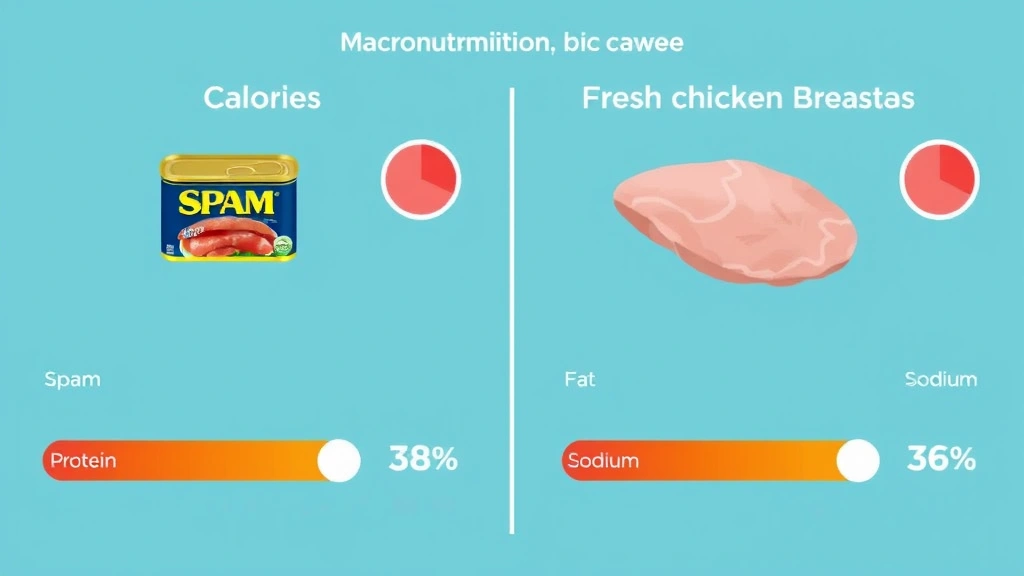
The standard Spam nutrition label (per 2-ounce or 56-gram serving) provides essential baseline data for nutritional assessment. A single serving contains approximately 180 calories, making it a calorie-dense food product. Understanding this foundational information helps contextualize how Spam fits within daily caloric allowances, particularly for individuals following structured nutrition plans.
The label reveals that Spam derives the majority of its calories from fat content, with minimal carbohydrate contribution. This macronutrient distribution reflects its classification as a processed pork product with added fat for preservation and texture. The nutrition facts panel also displays micronutrient information, including sodium, which becomes the most clinically significant component for health-conscious consumers. Unlike fresh meat sources, Spam’s processing methodology results in substantially elevated mineral content, particularly sodium chloride used as a preservative.
Reading the label requires understanding serving size context. Most consumers exceed the recommended 2-ounce serving when preparing meals, meaning actual intake often doubles or triples the listed values. This distinction becomes critical when calculating daily sodium and fat consumption, especially for individuals managing hypertension or cardiovascular conditions. Dietitians consistently recommend reviewing actual portion sizes consumed rather than relying solely on labeled serving suggestions.
Macronutrient Analysis
Spam’s macronutrient profile reflects its composition as a cured, processed meat product. Each 56-gram serving provides approximately 7 grams of protein, contributing roughly 28 calories to the total 180-calorie count. While this protein content appears modest, it’s important to recognize that Spam delivers complete protein containing all nine essential amino acids necessary for muscle maintenance and tissue repair.
The fat content represents the dominant macronutrient, with approximately 16 grams per serving. This fat composition includes both saturated and unsaturated fatty acids, with saturated fat accounting for roughly 6 grams. The high fat concentration contributes significantly to Spam’s caloric density and raises concerns among dietitians regarding cardiovascular health implications. For comparison, understanding how other foods compare nutritionally provides valuable perspective on fat quality and health impacts.
Carbohydrate content remains negligible at less than 1 gram per serving, making Spam compatible with low-carbohydrate dietary approaches. This characteristic distinguishes Spam from many processed meat alternatives that incorporate fillers or binders. The absence of dietary fiber reflects the product’s animal-based origins, which becomes relevant when considering overall nutritional balance in meal composition.
Micronutrient density varies across the Spam nutrition label. The product provides notable amounts of vitamin B12, essential for neurological function and red blood cell formation, along with selenium and phosphorus. However, these micronutrient benefits must be weighed against sodium and saturated fat concerns that dominate the nutritional conversation surrounding processed meats.
Sodium and Health Concerns
The most significant nutritional concern associated with Spam centers on sodium content, with a single 2-ounce serving containing approximately 790 milligrams of sodium. This represents roughly 34% of the daily recommended intake (2,300 mg) established by the American Heart Association. For individuals consuming typical portion sizes of 4 ounces or more, sodium intake from a single Spam meal can approach or exceed daily recommendations.
Excessive sodium consumption correlates with elevated blood pressure, increased cardiovascular disease risk, and kidney stress, particularly in susceptible populations. Research published by the American Heart Association demonstrates that processed meat products represent major dietary sodium contributors in Western diets. Dietitians consistently recommend limiting processed meat consumption partly due to sodium density, which far exceeds levels found in fresh, unprocessed protein sources.
The sodium preservation mechanism in Spam serves functional purposes beyond taste enhancement. Salt acts as a bacterial inhibitor, extending shelf life and ensuring food safety in canned products. However, this preservation necessity creates a nutritional trade-off that modern consumers must navigate. For individuals managing hypertension or following evidence-based nutrition plans, Spam consumption requires careful portion control and frequency limitation.
Emerging research from the Pew Research Center on dietary habits indicates that Americans derive approximately 70% of dietary sodium from processed and prepared foods, with canned meat products contributing substantially. This finding underscores the importance of reading nutrition labels and understanding how individual food choices accumulate throughout the day.
Ingredient Examination
Beyond the nutrition label’s numerical values, examining Spam’s ingredient list provides crucial context for informed consumption. The primary ingredients include pork, ham, salt, water, modified potato starch, and sodium nitrite. This relatively simple ingredient profile distinguishes Spam from some ultra-processed alternatives containing numerous additives and chemical preservatives.
Sodium nitrite deserves particular attention as a curing agent that develops Spam’s characteristic color and flavor while preventing botulism. Scientific evidence regarding nitrite consumption remains somewhat contentious, with some research suggesting potential health concerns while other studies indicate safety at current consumption levels. The World Health Organization’s classification of processed meats in the highest carcinogenic risk category partly reflects nitrite and nitrate content, making this ingredient relevant to long-term health considerations.
The inclusion of modified potato starch serves as a binder and moisture retainer, contributing to Spam’s texture while adding minimal nutritional value. This ingredient represents a departure from whole-food meat products and exemplifies the processing methodology that distinguishes Spam from fresh protein sources. Understanding these ingredient choices helps consumers recognize why fresh meat products typically contain superior nutritional profiles despite similar protein content.
The absence of certain additives common in ultra-processed foods—such as artificial flavors, colors, or complex chemical preservatives beyond sodium nitrite—positions Spam as relatively straightforward in ingredient composition. However, this simplicity doesn’t negate concerns regarding sodium content, saturated fat, and processed meat classification in nutritional science literature.
Comparison to Other Proteins
Contextualizing Spam’s nutritional profile requires comparison to alternative protein sources available to consumers. A 2-ounce serving of grilled chicken breast contains approximately 55 calories, 12 grams of protein, and only 75 milligrams of sodium. This comparison immediately reveals why dietitians recommend poultry as a superior protein choice for cardiovascular health and sodium management.
Ground beef represents another common comparison point. Lean ground beef (93% lean) provides similar protein content to Spam (approximately 7 grams per 2 ounces) but with substantially lower sodium (approximately 75 mg) and fewer calories (roughly 110). The dramatic sodium difference—Spam’s 790 mg versus beef’s 75 mg—illustrates how processing dramatically elevates mineral content beyond what naturally occurs in unprocessed meat.
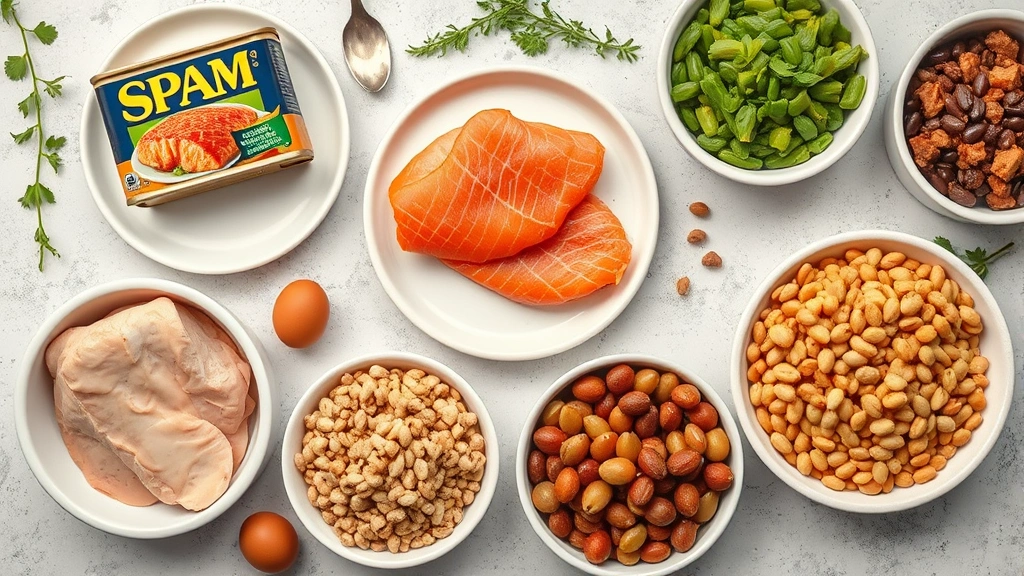
Fish sources like canned tuna (without added salt) provide 26 grams of protein per 2-ounce serving with minimal sodium, along with beneficial omega-3 fatty acids absent in Spam. Plant-based proteins such as legumes offer protein along with dietary fiber, addressing nutritional gaps that fiber plays in digestive and metabolic health.
When examining processed meat alternatives specifically, products like turkey bacon or reduced-sodium ham options provide comparable convenience with improved nutritional profiles. Modern food manufacturers increasingly offer lower-sodium processed meat alternatives, making Spam’s high sodium content less necessary for consumers seeking shelf-stable protein options.
Practical Serving Recommendations
Dietitians approach Spam consumption through a harm-reduction framework rather than absolute prohibition. For individuals who enjoy Spam, strategic serving practices can minimize nutritional concerns. The first recommendation involves respecting labeled serving sizes—consuming only 2 ounces rather than the 4-ounce portions common in traditional preparations.
Frequency limitation represents the second strategy, with recommendations suggesting Spam consumption no more than once monthly or less frequently for individuals with hypertension or cardiovascular disease. This approach acknowledges that occasional consumption poses minimal health risk while habitual intake creates cumulative sodium and saturated fat burdens that compromise health outcomes.
Portion combination strategies involve pairing small Spam quantities with high-nutrient-density foods. For example, a small amount of Spam diced into a vegetable-rich stir-fry or salad distributes sodium across a larger meal volume while providing flavor and protein without exceeding reasonable sodium limits. This method maximizes satisfaction and culinary enjoyment while minimizing nutritional compromise.
Preparation modification offers another practical approach. Rinsing canned Spam before cooking removes some surface sodium, though this method captures only a portion of total sodium content. Cooking Spam alongside unsalted vegetables and grains helps balance overall meal sodium levels, supporting adherence to daily recommendations across the entire eating pattern rather than individual foods.
Incorporation into Balanced Diets
Understanding how to incorporate Spam into thoughtful meal planning requires viewing individual foods within comprehensive dietary patterns. The Mediterranean diet framework, consistently supported by peer-reviewed research, recommends minimizing processed meats while emphasizing whole grains, legumes, and fresh vegetables. Spam consumption doesn’t align naturally with this evidence-based pattern.
For individuals following lower-carbohydrate approaches, Spam’s minimal carbohydrate content makes it technically compatible, though health-conscious practitioners recommend prioritizing unprocessed meat sources. The ketogenic community frequently incorporates Spam due to macronutrient alignment, though cardiovascular considerations remain relevant regardless of carbohydrate intake patterns.
Budget-conscious consumers appreciate Spam’s affordability and long shelf life, particularly in food-insecure contexts. Acknowledging this practical reality, dietitians can recommend maximizing nutritional value by combining small Spam quantities with affordable nutrient-dense foods like beans, rice, and frozen vegetables. This approach honors economic constraints while promoting better overall nutritional outcomes than consuming Spam exclusively.
The relationship between nutrition and mental health adds another dimension to dietary decision-making. Food choices carry cultural and emotional significance, and for many individuals, Spam represents family traditions or nostalgic memories. Dietitians recognize that sustainable dietary patterns accommodate occasional enjoyable foods within reasonable limits rather than imposing rigid restrictions that undermine long-term adherence.
FAQ
How much sodium is in one can of Spam?
A standard 12-ounce can of Spam contains approximately 4,740 milligrams of sodium, representing more than double the recommended daily intake. This demonstrates why consuming entire cans without portioning creates significant health risks for sodium-sensitive individuals.
Is Spam protein healthy?
While Spam provides complete protein with all essential amino acids, the protein comes packaged with high sodium and saturated fat levels that compromise overall healthfulness. Unprocessed protein sources offer superior nutritional profiles without these concerning components.
Can I eat Spam on a low-sodium diet?
Individuals following low-sodium diets (typically under 2,000 mg daily) should avoid Spam due to its extreme sodium density. A single 2-ounce serving represents nearly 40% of daily allowances, making regular consumption incompatible with therapeutic sodium restriction.
Does cooking Spam reduce sodium content?
Cooking methods don’t substantially reduce Spam’s sodium content, as salt is distributed throughout the product during processing. While rinsing removes minimal surface sodium, the majority remains bound within the meat structure.
What are healthier alternatives to Spam?
Fresh chicken breast, lean ground turkey, canned fish without added salt, eggs, and legumes all provide superior nutritional profiles. For shelf-stable options, reduced-sodium processed meats or meat alternatives offer convenience with improved health outcomes.
How often is it safe to eat Spam?
For generally healthy individuals, occasional Spam consumption (several times yearly) poses minimal health risk. Those with hypertension, cardiovascular disease, or kidney conditions should minimize consumption further or eliminate it entirely based on individual health parameters and healthcare provider recommendations.