Sprite Nutrition Facts: Dietitian Breakdown
Sprite has been a staple carbonated beverage for decades, enjoyed by millions worldwide for its crisp lemon-lime flavor and refreshing taste. However, when it comes to nutrition, understanding what’s actually in your glass is crucial for making informed dietary choices. This comprehensive dietitian breakdown examines the complete nutritional profile of Sprite, helping you understand the impact this popular soft drink has on your daily intake of calories, sugar, and other key nutrients.
As a registered dietitian nutritionist, I’ve observed increasing consumer interest in beverage nutrition facts, particularly regarding sugary drinks and their role in overall health. Sprite’s straightforward ingredient list might seem innocent at first glance, but the numbers tell a more complex story about modern beverage formulation and its relationship to dietary guidelines. Whether you’re tracking your intake for weight management, diabetes prevention, or general wellness, understanding Sprite’s nutritional composition is essential.
Calories and Sugar Content
A standard 12-ounce can of Sprite contains approximately 140 calories, making it a moderately calorie-dense beverage for its serving size. More significantly, this same serving delivers 38 grams of sugar—equivalent to approximately 9.5 teaspoons of added sugar. This single can represents about 76% of the American Heart Association’s recommended daily sugar intake for adult women (25 grams) and 61% for adult men (36 grams).
The sugar in Sprite comes exclusively from added sugars rather than naturally occurring sugars, as the beverage contains no fruit juice or whole fruit ingredients. This distinction matters because your body processes added sugars differently than naturally occurring sugars found in fruits, which come packaged with fiber and other beneficial nutrients. Research from Pew Research Center on consumer health behaviors shows that Americans significantly underestimate their daily sugar consumption from beverages alone.
When consumed regularly, the caloric and sugar contribution from Sprite can substantially impact weight management efforts. A person consuming just one can daily would add approximately 1,960 calories and 266 grams of sugar weekly to their diet. Over a year, this translates to over 100 pounds of added sugar consumed through this single beverage source.
Complete Nutrition Breakdown
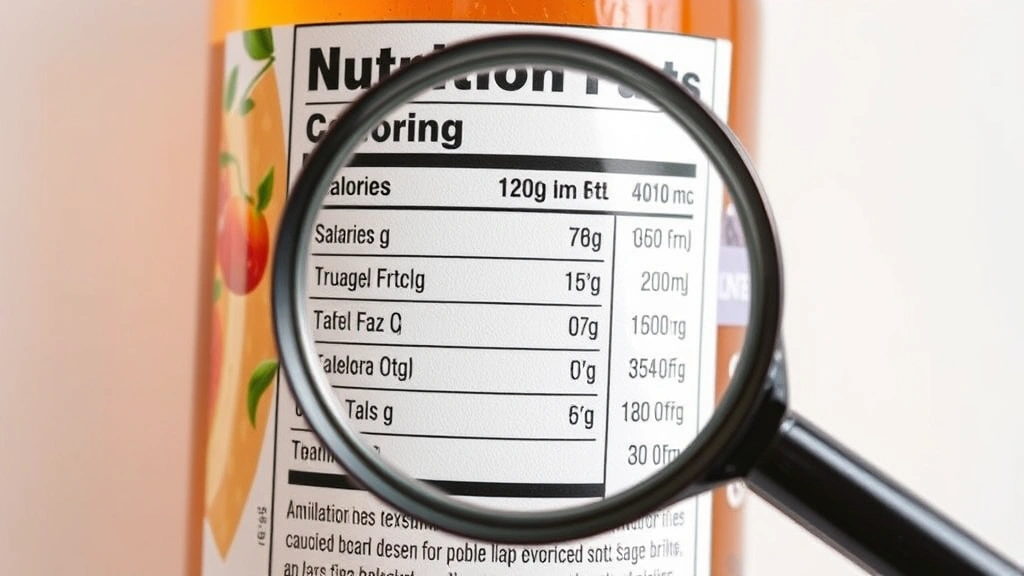
Understanding the full nutritional profile of Sprite requires examining each component listed on the nutrition label. Per 12-ounce serving, here’s what you’re consuming:
- Total Fat: 0 grams – Sprite contains no dietary fat, neither saturated nor unsaturated
- Sodium: 65 milligrams – Approximately 3% of the daily recommended value, relatively modest for a carbonated beverage
- Total Carbohydrates: 38 grams – Entirely from added sugars with zero grams of dietary fiber
- Protein: 0 grams – No protein content whatsoever
- Potassium: 0 milligrams – Contains no meaningful electrolytes despite being a beverage
- Calcium: 0 milligrams – Provides no bone-supporting minerals
- Iron: 0 milligrams – Contributes nothing to iron intake
This nutritional profile reveals a fundamental characteristic of Sprite: it provides calories and sugar without any compensating nutritional benefit. Unlike orange juice, which contains vitamin C and potassium despite its sugar content, or milk, which offers protein and calcium, Sprite delivers only empty calories. The beverage consists almost entirely of carbonated water, high fructose corn syrup or sugar, citric acid, natural flavors, and sodium benzoate preservative.
The absence of micronutrients is particularly noteworthy. While Sprite doesn’t actively harm your micronutrient status, it displaces opportunities to consume beverages that do provide nutritional value. This becomes problematic when beverages become a significant portion of daily caloric intake, as happens with regular soda consumers.

” alt=”Nutritionist analyzing beverage labels and sugar content documentation on desk with health tracking charts”/>
Artificial Sweeteners in Diet Sprite
Sprite Zero Sugar and Diet Sprite represent the company’s response to health-conscious consumers seeking to reduce sugar intake. These formulations eliminate the 38 grams of sugar found in regular Sprite, reducing calories from 140 to just 0-5 calories per 12-ounce serving. However, this reduction comes through the addition of artificial sweetening agents.
Sprite Zero Sugar uses aspartame and acesulfame potassium (Ace-K) as sweetening agents, while Diet Sprite traditionally used aspartame. These non-nutritive sweeteners provide sweetness without the caloric impact of sugar. The FDA has deemed these sweeteners generally recognized as safe (GRAS) at current consumption levels, yet ongoing scientific debate continues regarding their long-term health effects.
Recent research suggests a more nuanced picture than simple approval or disapproval. A study published in Nature Communications found that artificial sweeteners may alter gut bacteria composition in ways that could affect glucose metabolism, though the clinical significance remains unclear. Other research indicates that artificial sweeteners don’t necessarily support weight loss as previously hoped, potentially because sweet taste without caloric consequence may disrupt satiety signaling.
For individuals managing diabetes or prediabetes, the zero-sugar formulations represent a better choice than regular Sprite due to their minimal impact on blood glucose levels. However, they shouldn’t be considered health beverages—they’re simply the less problematic option within the Sprite product line. Explore our nutrition solutions for evidence-based guidance on beverage selection strategies.
Health Implications and Recommendations
The regular consumption of Sprite and similar sugar-sweetened beverages carries well-documented health implications supported by extensive epidemiological research. According to CDC nutrition research, sugar-sweetened beverages are among the leading sources of added sugar in the American diet and are consistently associated with increased risk of weight gain, type 2 diabetes, cardiovascular disease, and dental problems.
The dental impact deserves specific attention. Sprite’s combination of sugar and citric acid creates an ideal environment for cavity formation. The citric acid dissolves tooth enamel while the sugar feeds cavity-causing bacteria. The phosphoric acid (present in some Sprite formulations) adds additional erosive potential. Regular Sprite consumption, particularly sipping throughout the day, significantly increases cavity risk and may lead to enamel erosion visible to dentists.
From a metabolic perspective, the liquid calories in Sprite pose a particular challenge because they don’t trigger the same satiety signals as solid foods. You can consume a 12-ounce can containing 140 calories and 38 grams of sugar without experiencing fullness, making it easy to overconsume calories without conscious awareness. This passive caloric intake can gradually lead to weight gain when part of regular consumption patterns.
My professional recommendation for most people is to eliminate regular Sprite from regular consumption patterns. This doesn’t mean absolute prohibition—occasional consumption as part of a balanced diet is unlikely to cause significant harm—but daily consumption creates a meaningful health burden. Instead, prioritize water, unsweetened tea, or coffee as primary beverages. Read our comprehensive guide on healthy nutrition planning for evidence-based beverage recommendations.
Comparison to Other Beverages
Understanding how Sprite compares to other common beverages provides helpful context for dietary decision-making. A 12-ounce serving of orange juice contains approximately 168 calories and 33 grams of sugar, but also delivers 360 IU of vitamin D, 240 milligrams of potassium, and 72 milligrams of vitamin C. While still sugar-dense, orange juice provides nutritional compensation for its caloric content.
Whole milk contains 150 calories per 12 ounces with 12 grams of naturally occurring sugar, but supplies 8 grams of protein, 300 milligrams of calcium, and 370 milligrams of potassium. The protein and minerals make milk a fundamentally different beverage category despite similar caloric content.
Unsweetened iced tea offers virtually identical hydration to Sprite with zero calories and zero grams of sugar while providing beneficial polyphenols and antioxidants. Coffee similarly provides calories-free hydration plus chlorogenic acid and other bioactive compounds. Plain water, of course, provides perfect hydration with no nutritional downside.
Even compared to other soft drinks, Sprite’s sugar content aligns with industry standards—most regular sodas contain 35-40 grams of sugar per 12 ounces. The issue isn’t that Sprite is uniquely problematic but rather that the entire category of sugar-sweetened soft drinks represents a nutritional liability in modern diets.
Understanding Serving Sizes
The nutrition facts label for Sprite lists nutrition information based on a 12-ounce serving size, which represents a single standard can. However, many consumers purchase larger formats. A 20-ounce bottle contains approximately 233 calories and 65 grams of sugar—substantially more than a single labeled serving. A 2-liter bottle contains roughly 800 calories and 216 grams of sugar, representing nearly six times the daily recommended sugar limit in a single package.
Serving size awareness matters because people often underestimate consumption when package sizes exceed the labeled serving. Someone drinking a 20-ounce bottle might mentally register consuming “one serving” while actually consuming 1.67 servings worth of calories and sugar. This cognitive disconnect contributes to unintentional overconsumption.
Additionally, fountain drink servings at restaurants frequently exceed standard sizes. A “small” fountain drink might be 16-20 ounces, while “large” sizes often reach 32-44 ounces. A 44-ounce Sprite contains approximately 513 calories and 152 grams of sugar—nearly four times the daily recommended sugar intake in a single beverage.
For anyone tracking nutritional intake, carefully noting the actual serving size consumed rather than relying on package labeling proves essential. Our resource on nutrient absorption optimization includes guidance on mindful consumption practices that support better dietary choices.

” alt=”Diverse people choosing healthy beverages at grocery store with water bottles, tea, and fresh drinks visible”/>
FAQ
Is Sprite bad for you?
Regular Sprite consumption contributes to weight gain, increased diabetes risk, dental problems, and cardiovascular disease risk due to its high added sugar content and lack of nutritional value. Occasional consumption within an overall balanced diet poses minimal risk, but daily consumption creates meaningful health burden. For specific personalized guidance, consult our nutrition blog or work with a registered dietitian.
How much sugar is in Sprite?
A 12-ounce can of regular Sprite contains 38 grams of added sugar, representing 76% of the American Heart Association’s daily recommendation for women and 61% for men. This comes entirely from added sugars with no nutritional compensation.
Is Diet Sprite better than regular Sprite?
Diet Sprite eliminates sugar and calories through artificial sweeteners, making it preferable for blood glucose control and calorie management. However, it’s not a “healthy” beverage—it’s simply a less problematic option. Water, tea, or coffee remain superior choices.
Does Sprite contain caffeine?
No, Sprite contains zero caffeine. Unlike cola-based soft drinks, Sprite’s lemon-lime flavor profile doesn’t typically include caffeine as an ingredient.
What are Sprite’s main ingredients?
Sprite contains carbonated water, high fructose corn syrup or sugar, citric acid, sodium benzoate (preservative), natural flavors, and caffeine-free caramel color. Different regions may have slight variations in formulation.
Can I drink Sprite while pregnant?
The excessive sugar in regular Sprite poses gestational diabetes risks and excessive weight gain during pregnancy. The artificial sweeteners in Diet Sprite are considered safe in pregnancy by most health organizations, but water remains the ideal pregnancy beverage. Consult your healthcare provider for personalized guidance.
Does Sprite have any health benefits?
No, Sprite provides no meaningful health benefits. It delivers only calories and sugar without vitamins, minerals, fiber, or other beneficial compounds. It serves purely as a beverage for taste pleasure, not nutritional support.
How does Sprite compare nutritionally to water?
Water provides perfect hydration with zero calories, zero sugar, and zero artificial ingredients. Sprite provides hydration alongside 140 calories and 38 grams of added sugar per serving. Water is nutritionally superior in every measurable way.


