
Steel Cut Oats Benefits? Dietitian Explains
Steel cut oats have gained significant attention in nutrition circles as a powerhouse breakfast option, but what exactly makes them different from rolled or instant oats? As a registered dietitian nutritionist, I’ve observed growing interest in understanding the real nutritional advantages of steel cut oats beyond marketing claims. This guide breaks down the science behind their benefits, nutritional profile, and practical ways to incorporate them into your diet.
The distinction between oat varieties matters more than most people realize. Steel cut oats undergo minimal processing, retaining their nutrient density and creating a unique texture that sets them apart nutritionally and culinarily. Whether you’re optimizing your healthy nutrition plan or simply curious about breakfast options, understanding steel cut oats nutrition can transform your dietary choices.
What Are Steel Cut Oats?
Steel cut oats, also called Irish oats or pinhead oats, are whole oat groats that have been cut into two to three pieces using steel blades. This mechanical processing method preserves the entire grain structure, including the bran, germ, and endosperm. Unlike rolled oats, which are steamed and flattened, steel cut oats maintain their integrity throughout the minimal processing journey from harvest to your bowl.
The name “steel cut” directly references the manufacturing process. Industrial steel blades slice through the oat groat rather than crushing or rolling it. This distinction is crucial because it determines how your digestive system interacts with the grain, affecting nutrient bioavailability and glycemic response. The resulting texture is chewier and nuttier than other oat varieties, contributing to their growing popularity among food enthusiasts and health-conscious consumers.
Understanding this processing difference helps explain why nutritional science increasingly recognizes steel cut oats as a superior breakfast choice. The minimal intervention in their preparation means more nutrients remain intact and available for your body to absorb and utilize effectively.
Nutritional Profile and Composition
One serving of steel cut oats (approximately 1/4 cup dry, yielding about one cup cooked) provides roughly 150 calories, 5 grams of protein, 27 grams of carbohydrates, 4 grams of fiber, and 3 grams of fat. These macronutrient ratios make steel cut oats an exceptionally balanced food source that supports multiple physiological functions simultaneously.
The micronutrient content deserves particular attention. Steel cut oats deliver manganese, phosphorus, magnesium, and zinc in meaningful quantities. Manganese supports bone health and metabolic function, while magnesium contributes to muscle relaxation and nervous system regulation. Additionally, steel cut oats contain polyphenols, a class of antioxidants that research has linked to reduced inflammation and improved cellular health.
The beta-glucan content in steel cut oats ranks among their most clinically significant components. This soluble fiber comprises approximately 10-11% of the grain’s composition, making steel cut oats one of the richest dietary sources available. Beta-glucans interact with your digestive system in ways that produce measurable health outcomes, which we’ll explore in detail throughout this analysis.
Key Health Benefits Explained
The health benefits of steel cut oats extend far beyond simple nutrition facts. Clinical research consistently demonstrates that regular consumption produces meaningful improvements in multiple biomarkers associated with chronic disease prevention. As a dietitian, I emphasize that whole grains like steel cut oats function as preventive medicine when incorporated consistently into your dietary pattern.
The mechanism behind these benefits involves several interconnected pathways. The high fiber content promotes satiety, stabilizes blood glucose, nourishes beneficial gut bacteria, and reduces cholesterol absorption in your intestines. The polyphenol antioxidants combat oxidative stress at the cellular level, potentially reducing inflammation markers throughout your body. The mineral content supports enzymatic functions that regulate metabolism and energy production.
What distinguishes steel cut oats from less processed grain options is their superior bioavailability. Because the grain structure remains largely intact, your digestive enzymes can access nutrients gradually and systematically, maximizing absorption efficiency. This slow-release mechanism creates sustained energy without the blood sugar spikes associated with more refined carbohydrate sources.
Digestion and Blood Sugar Control
Steel cut oats demonstrate a low glycemic index (approximately 52), meaning they produce a gradual, moderate rise in blood glucose rather than sharp spikes. This characteristic proves particularly valuable for individuals managing diabetes, prediabetes, or metabolic syndrome. The soluble fiber beta-glucan slows gastric emptying, the rate at which food moves from your stomach into your small intestine, creating extended satiety and stable energy levels.
Research published in peer-reviewed nutrition journals confirms that beta-glucan consumption reduces postprandial glucose response (blood sugar elevation after eating) by 20-30% compared to refined carbohydrates. This physiological advantage matters significantly for long-term health outcomes. Stable blood sugar supports consistent energy, improves mood regulation, and reduces cravings for refined foods that perpetuate unhealthy eating cycles.
The digestive benefits extend to your microbiome. The resistant starch and fiber in steel cut oats selectively nourish beneficial bacteria species, promoting microbial diversity and producing short-chain fatty acids that support colonic health. This improvement in nutrient absorption and gut health creates cascading benefits throughout your entire system.
Cardiovascular and Heart Health
Cardiovascular disease remains the leading cause of mortality globally, making dietary interventions that reduce risk factors critically important. Steel cut oats have demonstrated consistent benefits for heart health markers in multiple clinical investigations. The soluble fiber beta-glucan reduces LDL cholesterol (the harmful form) by 5-10% in individuals with elevated baseline levels, a reduction comparable to some pharmaceutical interventions.
Beyond cholesterol management, steel cut oats support cardiovascular health through several mechanisms. The polyphenol antioxidants reduce arterial inflammation, a key initiating factor in atherosclerosis development. The magnesium content supports healthy blood pressure regulation and endothelial function. Regular consumption of steel cut oats associates with improved arterial flexibility and reduced arterial stiffness, factors that predict cardiovascular events independently of cholesterol levels.
The connection between nutritional choices and systemic health becomes particularly evident in cardiovascular outcomes. A dietary pattern centered on whole grains like steel cut oats, combined with other plant foods, produces superior cardiovascular risk reduction compared to any single nutrient or supplement.
Weight Management and Satiety
Steel cut oats function as an exceptional tool for weight management, not through caloric restriction but through enhanced satiety and improved appetite regulation. The combination of protein, fiber, and the grain’s physical structure creates a meal that keeps you satisfied for extended periods. Studies comparing breakfast options demonstrate that steel cut oat consumption reduces subsequent caloric intake throughout the day, supporting weight loss without conscious restriction.
The satiety advantage stems from multiple factors working synergistically. Soluble fiber expands in your stomach, creating physical fullness signals. Protein stimulates the release of cholecystokinin, a hormone that signals satiety to your brain. The slow digestion rate means glucose and nutrients enter your bloodstream gradually, maintaining stable energy and preventing the energy crashes that trigger hunger and cravings.
Weight management success requires sustainable dietary approaches. Unlike restrictive diets that fail long-term, incorporating steel cut oats creates positive dietary patterns that people maintain naturally. The delicious taste, versatile preparation options, and genuine satiety effects mean you’re more likely to continue eating this way indefinitely, producing lasting weight management results.
Brain Function and Cognitive Benefits
Emerging research highlights the connection between whole grain consumption and cognitive function. Steel cut oats support brain health through multiple pathways. The glucose they provide fuels brain activity, while the steady release prevents the energy fluctuations that impair concentration and mental clarity. The B vitamins present support neurotransmitter synthesis and myelin formation, essential for optimal neural communication.
The polyphenol antioxidants in steel cut oats cross the blood-brain barrier and accumulate in brain tissue, where they reduce neuroinflammation and oxidative stress. Chronic neuroinflammation associates with cognitive decline and neurodegenerative diseases, making anti-inflammatory dietary components particularly valuable for long-term brain health. Some research suggests regular whole grain consumption associates with slower age-related cognitive decline and reduced dementia risk.
The strategic meal planning that includes steel cut oats supports consistent cognitive performance throughout your day. Rather than experiencing energy crashes and mental fog, you maintain steady focus, improved memory function, and enhanced decision-making capacity.
Preparation, Cooking, and Serving
Proper preparation maximizes the benefits of steel cut oats. The standard cooking method involves combining one part oats with three parts liquid (water or milk), bringing to a boil, then reducing heat and simmering for 25-30 minutes while stirring occasionally. This extended cooking time allows the oat structure to soften while retaining nutritional integrity. Some people prefer overnight soaking, which reduces cooking time and enhances digestibility.
The liquid choice significantly impacts nutritional value and taste. Water produces a neutral base, while milk (dairy or plant-based) adds protein and creates creamier texture. Bone broth adds collagen and minerals. Coconut milk creates richness, though with added fat and calories. The cooking method remains flexible—stovetop, slow cooker, or Instant Pot all work effectively, with timing adjustments based on your preferred texture.
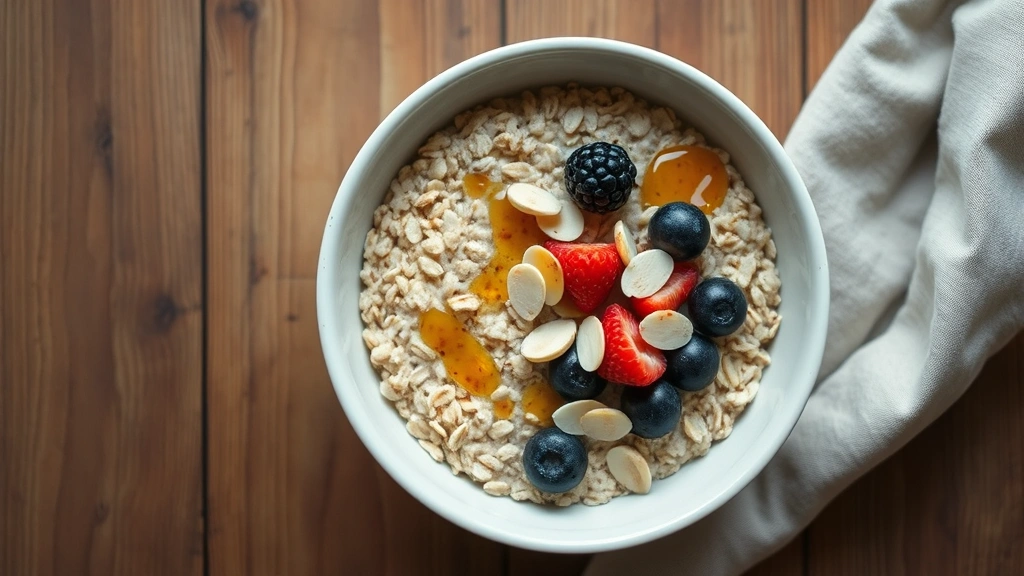
Topping combinations determine whether your steel cut oat bowl becomes a nutritionally complete meal or a sugar-laden dessert. Optimal toppings include fresh berries (antioxidants and fiber), nuts or seeds (healthy fats and minerals), Greek yogurt (protein), cinnamon (blood sugar regulation), and minimal added sweetener if desired. Nuts like walnuts provide omega-3 fatty acids, while pumpkin seeds offer magnesium and zinc.
Comparison with Other Oat Varieties
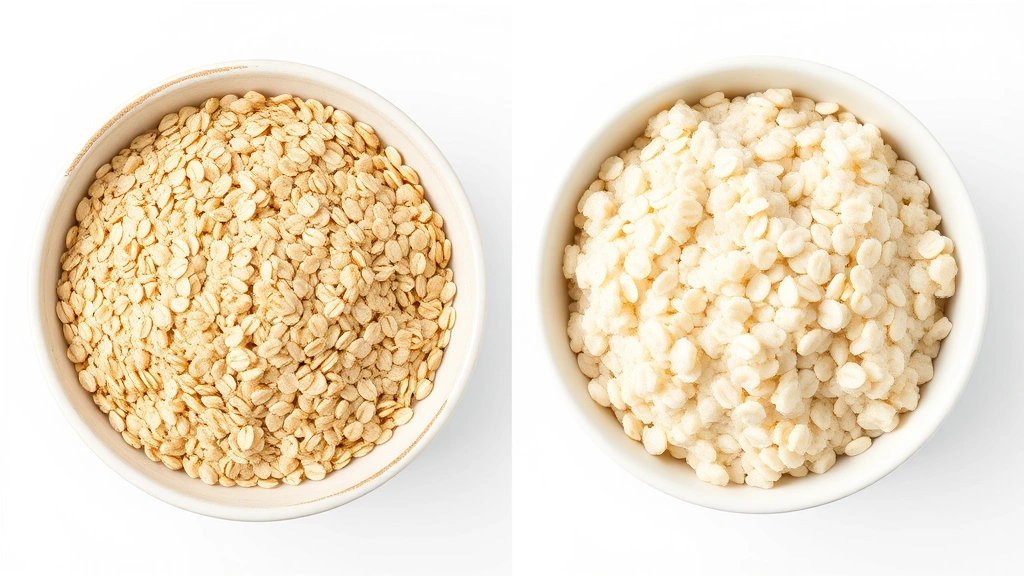
Understanding how steel cut oats compare to rolled oats and instant oats helps contextualize their nutritional superiority. Rolled oats (old-fashioned oats) are steamed and flattened, reducing cooking time to 5-10 minutes but also accelerating digestion and creating a higher glycemic response. Instant oats undergo additional processing, creating a much higher glycemic index and less satisfying texture.
The nutritional differences reflect processing intensity. Steel cut oats retain 100% of the original grain structure, rolled oats retain approximately 90%, while instant oats have been fractured into small particles that digest rapidly. This processing progression directly correlates with glycemic index values: steel cut (52), rolled (55-58), and instant (66+). For blood sugar management, steel cut oats demonstrate clear advantages.
Cost considerations matter in dietary sustainability. Steel cut oats typically cost 2-3 times more per pound than rolled oats, but their superior satiety means smaller portions satisfy you fully. The extended cooking time requires more energy and attention, though batch cooking overnight or in large quantities mitigates this inconvenience. For most people prioritizing health outcomes, the marginal cost increase proves negligible relative to the benefits.
Potential Concerns and Considerations
Despite their benefits, steel cut oats warrant consideration of potential concerns. Individuals with celiac disease or gluten sensitivity must verify that their oats are certified gluten-free, as cross-contamination during processing can occur. While oats contain no gluten intrinsically, processing facilities may handle wheat, barley, or rye simultaneously.
The phytic acid content in steel cut oats binds minerals like iron, zinc, and calcium, reducing bioavailability. Soaking oats overnight activates phytase enzymes that break down phytic acid, improving mineral absorption. This simple preparation technique transforms the nutritional profile significantly, making overnight oats a superior preparation method for mineral bioavailability.
Portion control remains important despite health benefits. Steel cut oats contain concentrated calories and carbohydrates. Appropriate serving sizes (1/4 to 1/3 cup dry) provide substantial nutrition without excess calories. Pairing them with protein and healthy fats (nuts, seeds, yogurt) creates balanced meals that prevent blood sugar dysregulation.
Some individuals experience digestive discomfort when dramatically increasing fiber intake. Gradual introduction of steel cut oats, combined with adequate hydration, allows your microbiome to adapt. Within 1-2 weeks, digestive adaptation occurs and discomfort resolves while benefits accumulate.
FAQ
How do steel cut oats compare nutritionally to rolled oats?
Steel cut oats retain more of the original grain structure, resulting in slower digestion, lower glycemic index (52 vs 55-58), and superior satiety. The beta-glucan content remains essentially identical, but the particle size difference affects how quickly your digestive system processes them. Steel cut oats provide more sustained energy and greater blood sugar stability.
Can steel cut oats help with weight loss?
Yes, steel cut oats support weight management through enhanced satiety and appetite regulation. The combination of fiber, protein, and slow digestion rate keeps you satisfied longer, naturally reducing overall caloric intake. However, weight loss ultimately depends on total dietary patterns and lifestyle factors, not individual foods.
How much fiber do steel cut oats contain?
One serving of steel cut oats provides approximately 4 grams of fiber, with about 2 grams being soluble fiber (beta-glucan). This fiber content significantly exceeds most breakfast options and contributes substantially to daily recommended fiber intake (25-35 grams for adults).
Are steel cut oats suitable for diabetics?
Steel cut oats’ low glycemic index and high soluble fiber content make them an excellent choice for individuals managing diabetes or prediabetes. They produce minimal blood sugar elevation and improve insulin sensitivity markers. However, portion control and pairing with protein and healthy fats remain important for optimal blood sugar management.
How long do steel cut oats take to cook?
Traditional stovetop cooking requires 25-30 minutes, significantly longer than rolled oats (5-10 minutes) or instant oats (1-2 minutes). Overnight soaking reduces cooking time to 15-20 minutes. Using an Instant Pot reduces time to 10 minutes. Batch cooking multiple servings simultaneously makes the time investment manageable.
Can I prepare steel cut oats overnight?
Yes, overnight oats work wonderfully with steel cut oats. Combine with liquid (milk, yogurt, or milk alternatives), cover, and refrigerate overnight or for several hours. The extended soaking softens the oats, reduces cooking time, activates beneficial enzymes, and improves mineral bioavailability through phytic acid reduction.
What’s the best way to store steel cut oats?
Store dry steel cut oats in airtight containers in a cool, dark place for up to two years. Cooked oats keep refrigerated for 5-7 days in airtight containers or frozen for up to three months. Portion into individual containers for convenient grab-and-go breakfast options throughout the week.


