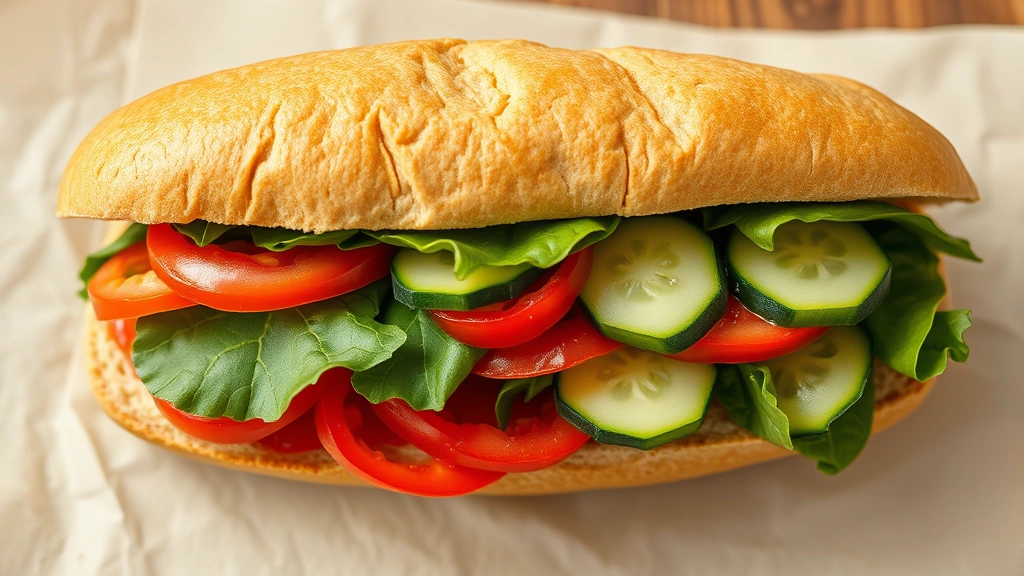
Subway Nutrition Facts: Dietitian Insight
Navigating fast-casual dining requires understanding the nutritional landscape of your choices. Subway, as one of the world’s largest submarine sandwich chains, has positioned itself as a customizable, relatively health-conscious alternative to traditional fast food. However, the reality of Subway nutritional information is more nuanced than marketing suggests. With thousands of combination possibilities—from bread selection to protein choices to toppings and sauces—the nutritional profile of a single Subway meal can vary dramatically. A six-inch turkey breast sandwich on Italian herbs and cheese bread with minimal toppings presents vastly different macronutrient and micronutrient profiles compared to a footlong Italian BMT loaded with mayo and oil-based dressings.
As a dietitian perspective on Subway nutrition reveals, the key to making informed choices lies in understanding the underlying nutritional data, recognizing hidden sodium and sugar content, and leveraging the chain’s transparency initiatives. Subway publishes comprehensive nutritional information for all menu items, including detailed breakdowns of calories, fat, protein, carbohydrates, sodium, and various micronutrients. This transparency empowers consumers to make deliberate choices aligned with their health goals, whether those involve weight management, cardiovascular health, diabetes prevention, or general wellness optimization. The challenge isn’t accessing information—it’s interpreting it correctly and making strategic selections within a system designed to maximize customization but also profit margins.

Understanding Subway’s Nutritional Foundation
Subway’s business model centers on customization, which presents both opportunities and challenges from a nutritional standpoint. Unlike restaurants with fixed menu items, Subway’s nutritional complexity emerges from infinite combination possibilities. A standard six-inch sandwich baseline typically ranges from 200-350 calories depending on bread choice, while footlong versions approximately double this range. The Nutrients Pathway Blog provides foundational nutrition education that contextualizes fast-casual dining within broader dietary frameworks.
The nutritional foundation of any Subway sandwich begins with bread selection—arguably the most impactful decision. Subway offers approximately eight bread varieties, each with distinct nutritional profiles. Italian herbs and cheese bread contains roughly 200 calories per six inches with added fat from cheese ingredients, while flatbread options provide approximately 180 calories with slightly different macronutrient distributions. Whole wheat options typically match calorie counts of white bread but offer superior dietary fiber benefits for digestive health, contributing 3-4 grams of fiber compared to refined white bread’s 1-2 grams.
Understanding sodium content proves critical when evaluating Subway nutrition. A single six-inch sandwich can contain 600-1000 milligrams of sodium before adding any condiments, representing 26-43% of the recommended daily intake. The American Heart Association recommends limiting sodium to 2300 milligrams daily, yet a typical Subway meal (sandwich plus chips) approaches 1500-1800 milligrams. This sodium concentration reflects industry-wide preservation techniques and flavor enhancement strategies that prioritize shelf stability and taste intensity over cardiovascular health optimization.
Bread and Base Selections
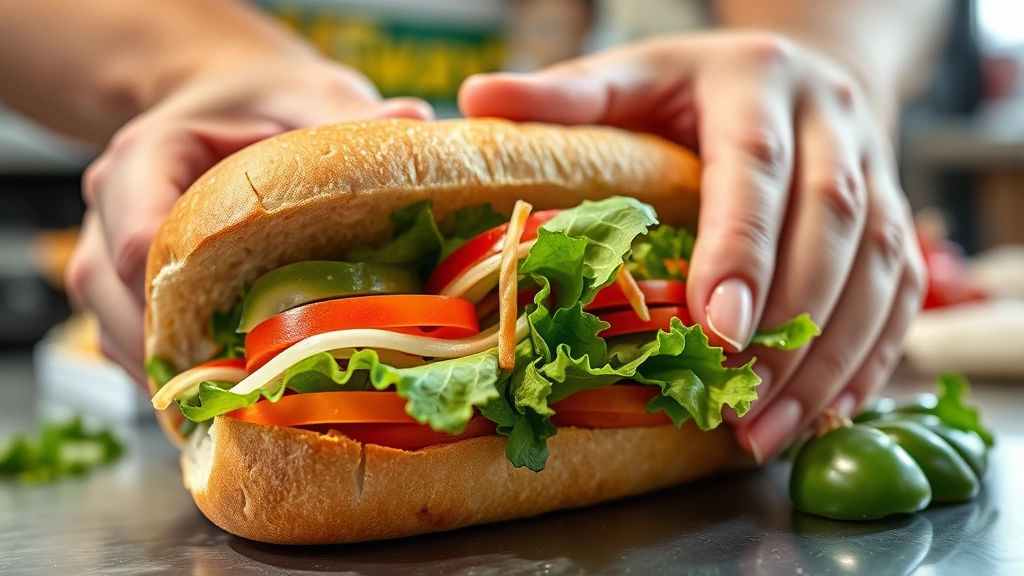
Bread selection fundamentally shapes the nutritional trajectory of your Subway experience. The six-inch versus footlong decision represents the most basic caloric multiplier—choosing a six-inch automatically caps bread-derived calories at approximately 200-250, while footlong bread contributes 400-500 calories. However, the bread selection extends beyond size considerations.
Italian herbs and cheese bread, Subway’s signature option, incorporates cheese directly into the dough, adding 60-70 calories and 3-4 grams of fat per six-inch portion. This seemingly modest addition accumulates across a meal and represents discretionary fat that doesn’t substantially contribute to satiety compared to whole grain alternatives. Flatbread options reduce caloric density while maintaining structural integrity, offering approximately 20-30 fewer calories than traditional bread without sacrificing eating experience.
Whole wheat bread emerges as the superior choice from a nutritional standpoint, providing approximately 3-4 grams of fiber per six inches compared to 1-2 grams in white or Italian herbs and cheese varieties. Fiber’s role in nutrient absorption and digestive function extends beyond simple digestive health—adequate fiber intake correlates with improved blood glucose regulation, enhanced satiety, and reduced cardiovascular disease risk. A study from the American Heart Association demonstrates that dietary fiber intake exceeding 25 grams daily significantly reduces cardiovascular mortality risk.
The bread selection also determines the glycemic impact of your meal. Whole grain options release glucose more gradually into the bloodstream, preventing blood sugar spikes that trigger hunger hormones and energy crashes. For individuals managing diabetes or prediabetes, bread selection becomes a critical metabolic consideration. Subway’s nutritional transparency allows customers to identify whole grain options explicitly, though marketing sometimes obscures the distinction between whole wheat and enriched white bread with added coloring.
Protein Options and Comparative Analysis
Protein selection at Subway ranges from turkey breast (approximately 5-6 grams per six-inch) to premium options like roast beef and chicken breast (6-8 grams). However, the protein landscape extends far beyond simple quantity metrics—the saturated fat content, processing level, and micronutrient profiles vary substantially across options.
Turkey breast represents the leanest protein choice, containing approximately 0.5-1 gram of saturated fat per six-inch sandwich while delivering 5-6 grams of protein. This creates a protein-to-saturated-fat ratio favorable for cardiovascular health. Conversely, Italian BMT (Subway’s trademark meatball marinara equivalent) combines multiple processed meats, delivering 15-18 grams of protein but also 8-10 grams of saturated fat—representing approximately 40-50% of daily saturated fat recommendations from a single sandwich component.
The processing distinction matters significantly. Roasted turkey breast, while technically processed through cooking and slicing, represents minimal processing compared to cured meats like pepperoni and ham that undergo chemical preservation and sodium addition. Research published in the Nutrition Journal demonstrates that processed meat consumption correlates with elevated cardiovascular disease and type 2 diabetes risk, independent of total fat intake.
Subway’s rotisserie chicken breast provides approximately 7-8 grams of protein with minimal saturated fat (0.5 grams), making it the optimal protein selection for most health-conscious consumers. The cooking method—rotisserie versus deli-counter slicing—minimizes additional sodium and preservatives compared to pre-packaged processed meats. For plant-based consumers, Subway’s veggie options require strategic combination with higher-protein toppings like cheese and legumes to achieve adequate protein intake, though this approach typically increases saturated fat and sodium.
Vegetable Toppings and Micronutrient Density
Vegetables represent the nutritional wildcard in Subway customization, offering micronutrient density with minimal caloric impact. However, the strategic selection of vegetables substantially influences overall meal micronutrient profiles and antioxidant content.
Dark leafy greens like spinach provide superior micronutrient density compared to iceberg lettuce. Spinach delivers approximately 2.7 milligrams of iron, 141 micrograms of folate, and significant quantities of lutein and zeaxanthin—compounds supporting eye health—per one-cup serving. The nutritional contrast between spinach and iceberg lettuce exemplifies how vegetable selection, despite similar caloric impact (approximately 5 calories per cup), dramatically influences micronutrient acquisition.
Tomatoes contribute lycopene, a carotenoid with documented antioxidant properties. Research from the National Institutes of Health demonstrates that lycopene consumption correlates with reduced prostate cancer risk and improved cardiovascular outcomes. Bell peppers provide vitamin C, supporting immune function and collagen synthesis. Cucumbers contribute hydration and minimal caloric density while adding volume and satiety perception.
The vegetable strategy extends to understanding which vegetables contribute meaningful micronutrient quantities. Onions and peppers, while common additions, provide modest micronutrient contributions compared to spinach, tomatoes, and avocado. This distinction matters for consumers with specific nutritional goals—someone prioritizing iron intake benefits substantially from spinach addition, while someone managing blood pressure benefits from potassium-rich options like avocado and tomatoes.
Avocado’s nutritional profile deserves particular attention. While avocado adds approximately 45-60 calories per serving, it delivers 3 grams of fiber and 485 milligrams of potassium—a mineral many Americans consume inadequately. The monounsaturated fats in avocado support cardiovascular health and enhance absorption of fat-soluble vitamins like vitamins A, D, E, and K from accompanying vegetables.
Sauces, Dressings, and Hidden Calories
Sauces and dressings represent the greatest nutritional landmine in Subway customization. While a basic turkey sandwich with vegetables contains approximately 280-320 calories, adding mayo-based dressings increases this to 450-500 calories—a 60-75% increase from a single condiment. This caloric density emerges because mayonnaise contains approximately 100 calories per tablespoon, and typical sandwich applications use 1.5-2 tablespoons.
Subway’s sauce portfolio ranges from relatively benign options like mustard (approximately 3-5 calories per serving) to calorie-dense choices like chipotle southwest (approximately 100 calories per serving). The sodium content of dressings compounds the baseline sandwich sodium—adding ranch dressing increases sodium by 200-300 milligrams, pushing a meal toward 1200-1300 milligrams of sodium from a single sandwich.
Oil-based dressings like Italian dressing contribute additional fat without substantial nutritional benefit. A standard oil and vinegar dressing adds approximately 150-170 calories and 18-20 grams of fat per serving, primarily from the oil component. While olive oil provides health benefits, the quantity used in commercial dressing preparations exceeds what most nutritionists recommend for optimal health outcomes.
Strategic sauce selection involves understanding flavor intensity versus nutritional impact. Mustard, hot sauce, and vinegar-based options provide robust flavor with negligible caloric impact, allowing consumers to enhance eating experience without substantial nutritional compromise. Hummus offers approximately 50-60 calories per serving while providing 2-3 grams of protein and beneficial plant compounds, making it a superior alternative to mayo for consumers seeking creaminess without excessive saturated fat.
The hidden sugar component of many dressings deserves attention. Some Subway dressings contain added sugars, contributing 2-4 grams of sugar per serving. For consumers managing blood glucose or limiting refined sugar, this represents an unexpected carbohydrate source that contradicts perceived healthfulness of vegetable-forward selections.
Strategic Menu Navigation
Navigating Subway’s menu strategically requires understanding that perceived “healthy” options sometimes contain surprising nutritional liabilities. The footlong veggie delite, while technically lower in calories than many meat-based options, often becomes a vehicle for excessive sauce application, potentially delivering higher caloric and sodium content than a carefully constructed turkey-based sandwich.
The optimal Subway strategy involves starting with whole wheat bread selection, choosing six-inch rather than footlong portions, selecting lean protein like turkey breast or rotisserie chicken, maximizing vegetable additions with emphasis on micronutrient-dense options like spinach and tomatoes, and deliberately selecting condiments based on flavor contribution rather than habit. This approach typically yields a sandwich containing 300-380 calories, 8-12 grams of protein, 3-5 grams of fiber, and 700-900 milligrams of sodium—a nutritional profile supporting most dietary goals.
Meal construction extends beyond the sandwich. Subway’s sides significantly impact overall meal nutritional profile. Chips, a common accompaniment, add 150-170 calories and 200-300 milligrams of sodium to a meal. Substituting chips with apple slices or side salad reduces caloric impact while increasing micronutrient density. This strategic swap reduces meal calories by 150 while increasing fiber intake by 3-4 grams—a meaningful nutritional improvement.
Beverage selection completes meal strategy. Sweetened beverages contribute 140-180 calories and 39-52 grams of added sugar per serving, representing 78-104% of daily added sugar recommendations. Selecting unsweetened tea, water, or diet beverages eliminates this caloric contribution while supporting hydration without metabolic disruption.
A comprehensive healthy nutrition plan accommodates occasional fast-casual dining through strategic selection rather than elimination. Subway’s transparency and customization capabilities facilitate informed choices when consumers understand underlying nutritional principles.
Special Dietary Considerations
Subway’s customizable platform accommodates various dietary approaches, though each requires specific knowledge to optimize outcomes. For individuals following gluten-free protocols, Subway offers gluten-free bread options at most locations, though cross-contamination risk exists in shared food preparation spaces. Gluten-free bread typically contains similar calorie counts to standard options but sometimes includes additional binders and additives to achieve structural integrity.
Vegetarian and vegan consumers face protein optimization challenges. While Subway offers plant-based proteins through bean-based options at select locations, traditional menu options limit protein density. Strategic combinations incorporating cheese, nuts through toppings when available, and legume-containing salads help vegetarian consumers achieve adequate protein intake. However, many vegetarian options increase sodium and saturated fat through cheese-based solutions.
For individuals managing sodium-sensitive conditions like hypertension, Subway presents challenges—even optimal selections exceed 800 milligrams of sodium. Requesting reduced sodium options or requesting sandwiches without added salt represents strategies to minimize sodium intake, though bread and processed proteins inherently contain sodium.
Diabetes management at Subway involves prioritizing whole grain bread, emphasizing protein and vegetable components over refined carbohydrates, and avoiding sugar-containing dressings and beverages. This approach minimizes blood glucose elevation while supporting satiety. Understanding nutrition’s broader impact on metabolic and cognitive health contextualizes diabetes management within comprehensive wellness frameworks.
Food allergies and intolerances require careful navigation of Subway’s ingredient lists. Shellfish, tree nuts, and sesame allergies may be accommodated through careful menu selection, though peanut cross-contamination risk exists in shared preparation spaces. Subway’s published allergen information supports informed decision-making for consumers with documented allergies.
FAQ
What is the lowest-calorie Subway sandwich option?
The six-inch turkey breast sandwich on whole wheat bread with vegetables and mustard typically delivers approximately 280-320 calories, representing Subway’s lowest-calorie sandwich option. Avoiding cheese, mayo, and oil-based dressings maintains caloric minimalism while maximizing nutritional value through vegetable additions.
How much sodium does a typical Subway sandwich contain?
A standard six-inch Subway sandwich contains 600-1000 milligrams of sodium before adding condiments, representing 26-43% of daily recommendations. Adding dressings increases sodium by 200-400 milligrams. Footlong options approximately double these values, making sodium management critical for individuals with cardiovascular concerns.
Is Subway actually healthy compared to other fast food options?
Subway’s customizable platform facilitates healthier choices compared to traditional fast food when selections emphasize lean proteins, whole grains, vegetables, and minimal sauces. However, poorly constructed Subway meals can exceed nutritional quality of better-constructed options at other chains. The platform’s transparency and customization capability represent significant advantages over restaurants with fixed menu items.
What vegetables provide the most nutritional benefit at Subway?
Spinach, tomatoes, bell peppers, and avocado provide superior micronutrient density compared to iceberg lettuce and onions. Spinach contributes iron and folate, tomatoes provide lycopene, peppers deliver vitamin C, and avocado supplies potassium and healthy fats. Strategic vegetable selection substantially impacts overall meal micronutrient profiles.
Should I choose six-inch or footlong sandwiches?
Six-inch selections typically contain 280-380 calories depending on customization, while footlong versions approximate 560-760 calories. For most dietary goals, six-inch portions support better portion control and caloric management. However, footlong selections may be appropriate for individuals with elevated energy expenditure or specific nutritional goals requiring greater caloric intake.
What is the best protein choice at Subway?
Rotisserie chicken breast and turkey breast represent the optimal protein choices, delivering 6-8 grams of protein with minimal saturated fat (0.5-1 gram per six inches). These options minimize sodium and processed ingredient content compared to cured meats and Italian meats, supporting cardiovascular health and overall wellness outcomes.


