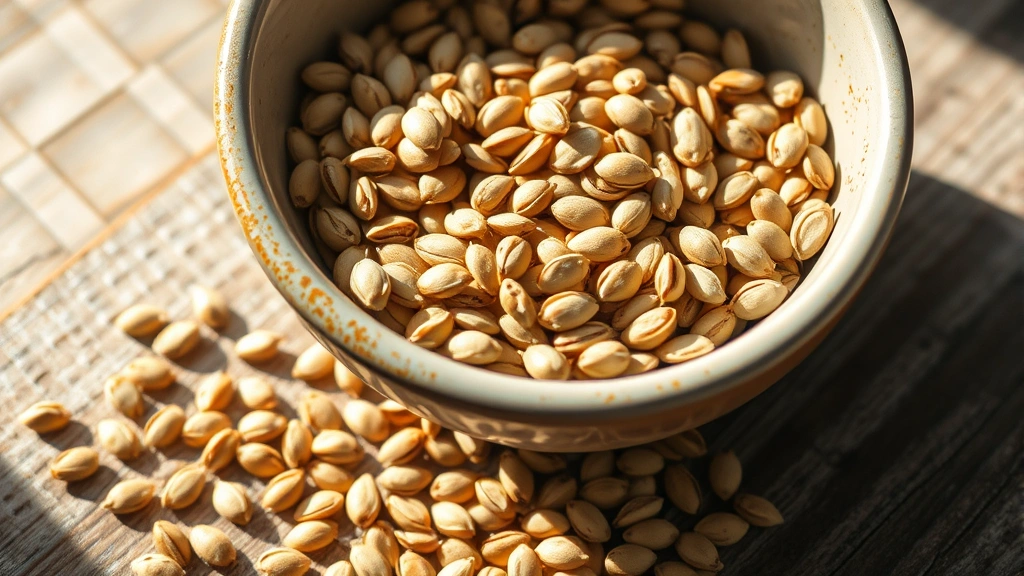
Sunflower Seeds: A Nutritionist’s Breakdown
Sunflower seeds have emerged as one of the most nutrient-dense snacks available in modern nutrition, offering a remarkable combination of vitamins, minerals, and healthy fats that support comprehensive wellness. These small yet mighty seeds come from the iconic sunflower plant and have been cultivated for thousands of years, serving as both a culinary staple and a medicinal resource across various cultures. Today, nutritionists increasingly recommend sunflower seeds as a convenient way to bridge nutritional gaps in contemporary diets, particularly for individuals seeking plant-based protein sources and essential micronutrients.
What makes sunflower seeds particularly fascinating from a nutritional standpoint is their exceptional micronutrient density relative to their caloric content. Unlike many processed snacks, sunflower seeds deliver substantial amounts of selenium, vitamin E, copper, and manganese—nutrients that most people unknowingly lack in their daily intake. Whether you’re exploring ways to enhance your healthy nutrition plan or simply curious about evidence-based dietary choices, understanding the nutritional profile of sunflower seeds provides actionable insights for better health outcomes.
Macronutrient Composition and Caloric Value
A single ounce of sunflower seeds (approximately 23 grams or roughly one-quarter cup) contains approximately 165 calories, making them a calorie-dense food that requires mindful portion control. However, this caloric density comes paired with impressive macronutrient distribution: roughly 5.5 grams of plant-based protein, 14 grams of healthy fat, and 6.5 grams of carbohydrates, including 2.4 grams of dietary fiber. The protein content in sunflower seeds makes them particularly valuable for vegetarians and vegans seeking to meet daily protein requirements without relying exclusively on legumes or soy products.
The fat composition deserves special attention, as sunflower seeds contain predominantly polyunsaturated and monounsaturated fats—the varieties associated with improved cardiovascular outcomes in numerous epidemiological studies. Approximately 65% of the fat content consists of polyunsaturated fats, including linoleic acid, an essential omega-6 fatty acid that your body cannot synthesize independently. The remaining fat comprises heart-healthy monounsaturated fats, with minimal saturated fat content. This favorable fatty acid profile distinguishes sunflower seeds from many other calorie-dense foods and explains their growing popularity among health-conscious consumers and registered dietitians.
When incorporated into a dietary fiber-rich eating pattern, sunflower seeds contribute meaningfully to satiety and metabolic stability. The combination of protein, fiber, and healthy fats creates a synergistic effect that slows gastric emptying, maintaining stable blood glucose levels and reducing subsequent energy crashes. This makes sunflower seeds an excellent choice for mid-morning or afternoon snacking, particularly for individuals managing weight or navigating blood sugar regulation challenges.
Essential Vitamins and Minerals
The vitamin and mineral profile of sunflower seeds represents one of their most compelling nutritional advantages. Vitamin E, a fat-soluble antioxidant, appears in particularly impressive concentrations—a single ounce provides approximately 37% of the daily recommended intake. This vitamin functions as a cellular protectant, neutralizing free radicals and reducing oxidative stress that contributes to chronic disease development. For individuals interested in understanding how dietary choices influence nutrition and mental health outcomes, vitamin E’s neuroprotective properties merit consideration.
Selenium content in sunflower seeds also stands out clinically. One ounce delivers approximately 32% of the recommended daily value, positioning sunflower seeds among the richest dietary selenium sources available. Selenium functions as a critical cofactor for selenoprotein synthesis, including glutathione peroxidase and thioredoxin reductase—enzymes essential for antioxidant defense and thyroid hormone metabolism. Research published through the National Institutes of Health demonstrates that adequate selenium intake correlates with improved immune function and reduced inflammatory markers.
Beyond vitamin E and selenium, sunflower seeds provide substantial amounts of copper (20% daily value per ounce), manganese (26% daily value), magnesium (9% daily value), and phosphorus (14% daily value). Copper participates in iron metabolism, collagen synthesis, and myelin formation—processes essential for neurological function and structural integrity. Manganese contributes to bone development, metabolism regulation, and antioxidant enzyme function. The mineral density of sunflower seeds explains their historical use in traditional medicine systems and their modern endorsement by integrative health practitioners.
Folate content, though moderate at approximately 17 micrograms per ounce, contributes to one-carbon metabolism and DNA synthesis. For pregnant women and those planning conception, incorporating sunflower seeds into a nutrient-dense diet supports adequate folate intake alongside other prenatal nutrition priorities. The B-vitamin complex represented in sunflower seeds—including thiamine, niacin, and pantothenic acid—supports energy metabolism and nervous system function.

Antioxidants and Anti-inflammatory Compounds
Beyond their vitamin and mineral content, sunflower seeds contain an array of phytochemical compounds demonstrating significant antioxidant and anti-inflammatory properties. Chlorogenic acid, a polyphenol abundant in sunflower seeds, exhibits potent free-radical scavenging capacity and modulates inflammatory signaling pathways. Research from academic institutions studying plant-based nutrition indicates that chlorogenic acid may reduce systemic inflammation markers and support metabolic health.
Sunflower seeds also contain quinic acid, another polyphenol with documented anti-inflammatory effects. These compounds work synergistically with vitamin E to create a comprehensive antioxidant environment within the body. The combination helps explain epidemiological associations between seed consumption and reduced cardiovascular disease risk, though individual results vary based on overall dietary patterns and lifestyle factors.
Lignans represent another important phytochemical class present in sunflower seeds. These compounds exhibit weak estrogenic activity and demonstrate potential protective effects against hormone-responsive cancers in laboratory and animal studies. While human clinical trials remain limited, the presence of lignans adds another dimension to sunflower seeds’ nutritional complexity. Exploration of how various plant compounds contribute to disease prevention remains an active area of nutrition research, with sunflower seeds serving as a compelling case study.
Cardiovascular Health Benefits
The cardiovascular benefits associated with regular sunflower seed consumption stem from multiple mechanisms operating simultaneously. The polyunsaturated fat content, particularly linoleic acid, demonstrates consistent associations with improved lipid profiles in clinical research. Studies published in journals focused on cardiovascular disease prevention show that individuals consuming seeds regularly maintain healthier LDL cholesterol levels and improved HDL-to-LDL ratios compared to control populations.
Magnesium content in sunflower seeds contributes independently to cardiovascular health through several pathways. This mineral regulates vascular tone, supports healthy blood pressure, and participates in cardiac muscle function. The recommended daily intake of magnesium—420 milligrams for adult males and 320 milligrams for adult females—remains difficult to achieve through typical processed-food diets. Sunflower seeds provide approximately 37 milligrams per ounce, making regular consumption a practical strategy for addressing widespread magnesium insufficiency.
The potassium content, though modest at approximately 165 milligrams per ounce, contributes to electrolyte balance and blood pressure regulation. When incorporated into a dietary pattern emphasizing whole foods and minimizing processed sodium, sunflower seeds support the potassium-to-sodium ratio necessary for optimal cardiovascular function. This aligns with principles outlined in comprehensive nutrition pathway resources emphasizing whole-food-based approaches to disease prevention.
Inflammation represents a fundamental mechanism in atherosclerosis development. The antioxidant and anti-inflammatory compounds in sunflower seeds—vitamin E, selenium, chlorogenic acid, and quinic acid—collectively address this pathophysiology. Regular consumption patterns support endothelial function, reduce oxidative modification of lipoproteins, and maintain healthy inflammatory markers. These mechanisms explain why nutritionists increasingly recommend seeds as components of heart-healthy dietary patterns.
Digestive Health and Fiber Content
The dietary fiber in sunflower seeds serves multiple functions supporting gastrointestinal health and broader metabolic outcomes. At 2.4 grams of fiber per ounce, sunflower seeds contribute meaningfully to daily fiber intake goals, particularly for individuals struggling to consume adequate vegetables and whole grains. Understanding the importance of dietary fiber for your health provides context for why seed consumption represents a practical nutritional intervention.
The fiber in sunflower seeds comprises both insoluble and soluble components. Insoluble fiber promotes intestinal motility and supports healthy bowel regularity, while soluble fiber acts as a prebiotic substrate for beneficial gut bacteria. This dual action enhances microbial diversity and supports the production of short-chain fatty acids—metabolic byproducts with wide-ranging health benefits including improved insulin sensitivity, reduced systemic inflammation, and enhanced intestinal barrier function.
For individuals seeking to improve digestion naturally, sunflower seeds offer a whole-food approach superior to isolated fiber supplements. The presence of accompanying nutrients—magnesium, manganese, and various phytochemicals—creates a synergistic effect that isolated supplements cannot replicate. The slow digestion of sunflower seeds, due to their fat and protein content, provides sustained prebiotic benefits throughout the digestive tract.
Certain individuals may experience digestive sensitivity when consuming sunflower seeds in large quantities, particularly if fiber intake has been historically low. Gradual introduction with adequate hydration typically resolves any temporary digestive adjustment. The enzyme inhibitors present in raw sunflower seeds can be reduced through soaking, sprouting, or gentle roasting—preparation methods that enhance bioavailability of minerals including zinc and iron.
Practical Consumption Guidelines
Optimal sunflower seed consumption depends on individual health status, dietary patterns, and specific health objectives. For generally healthy adults, one to two ounces daily (approximately one-quarter to one-half cup) represents a reasonable target that provides meaningful nutritional benefits without excessive caloric intake. This quantity delivers approximately 330-165 calories alongside substantial micronutrient contributions, fitting comfortably within most dietary frameworks.
Raw sunflower seeds retain maximum nutrient density, though lightly roasted varieties offer improved digestibility and slightly enhanced mineral bioavailability through enzyme inhibitor reduction. Heavily salted varieties should be limited, as excessive sodium intake contradicts the cardiovascular benefits derived from sunflower seed consumption. For individuals managing sodium-sensitive hypertension, unsalted varieties represent the optimal choice.
Sunflower seed butter provides an alternative consumption method, offering similar nutritional benefits with improved convenience for certain applications. However, commercial sunflower seed butters often contain added oils and sugars—factors that necessitate careful label review. Making sunflower seed butter at home by blending raw seeds provides superior nutritional control and eliminates unwanted additives.
Sprouted sunflower seeds offer enhanced nutrient bioavailability, as sprouting reduces phytic acid content—an anti-nutrient that binds minerals and reduces their absorption. The sprouting process also increases enzyme content and vitamin production, making sprouted seeds particularly valuable for individuals with compromised digestive function or mineral absorption concerns. Sprouting requires only soaking seeds for 8-12 hours and allowing them to germinate for 3-5 days in a jar covered with cheesecloth.
Individuals taking blood-thinning medications should maintain consistent sunflower seed consumption, as their vitamin K content—though modest—could theoretically interact with anticoagulant efficacy. Consultation with healthcare providers remains advisable when introducing any significant dietary changes, particularly for those managing complex medical conditions.
Comparison with Other Seeds and Nuts
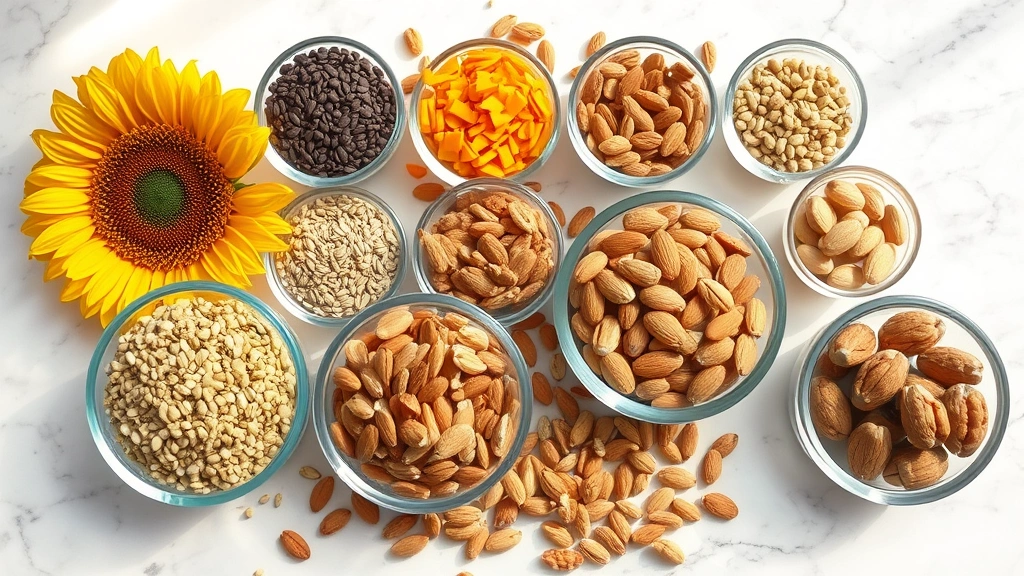
Comparing sunflower seeds with other nutrient-dense options provides context for their unique position within plant-based nutrition. Pumpkin seeds (pepitas) contain similar macronutrient profiles but provide substantially more zinc—a mineral essential for immune function and wound healing. Flax seeds offer superior omega-3 (ALA) content, making them valuable for individuals seeking to balance omega-3 to omega-6 ratios. Chia seeds provide comparable fiber with modest differences in micronutrient composition.
When compared with tree nuts like almonds and walnuts, sunflower seeds offer competitive protein content with lower overall caloric density. Almonds provide superior calcium content, while walnuts deliver higher omega-3 fatty acids. The optimal approach involves consuming a diverse array of seeds and nuts, as each offers unique phytochemical profiles and micronutrient combinations. Variety ensures comprehensive micronutrient coverage and prevents potential monotony in plant-based eating patterns.
Nutritionists often recommend alternating between different seeds rather than depending exclusively on any single variety. This approach maximizes phytochemical diversity, ensures balanced micronutrient intake, and supports the principle of food synergy—the concept that whole foods provide health benefits exceeding the sum of their individual components. Incorporating sunflower seeds alongside nutrition facts about avocados and other whole foods creates comprehensive dietary patterns supporting optimal health outcomes.
FAQ
How much sunflower seed consumption is safe daily?
Most nutrition experts recommend one to two ounces (23-46 grams) daily for generally healthy adults. This quantity provides substantial micronutrient benefits while maintaining appropriate caloric balance. Individuals with specific health conditions should consult healthcare providers regarding personalized recommendations.
Do sunflower seeds cause weight gain?
Sunflower seeds’ caloric density requires portion awareness, but their protein, fiber, and fat content promotes satiety and stable blood glucose. When incorporated mindfully into balanced diets, sunflower seeds support healthy weight management rather than contributing to weight gain.
Are sunflower seeds safe for individuals with nut allergies?
Sunflower seeds are botanically distinct from tree nuts and peanuts, making them generally safe for nut-allergic individuals. However, cross-contamination during processing remains possible, necessitating careful label review and communication with manufacturers regarding facility practices.
Can sunflower seeds interact with medications?
Sunflower seeds’ vitamin K content is modest but potentially relevant for individuals taking warfarin or other anticoagulants. Consistent consumption is generally safe, but healthcare provider consultation ensures appropriate management of medication interactions.
What preparation methods maximize sunflower seed nutrition?
Raw seeds retain maximum nutrient density, though light roasting improves digestibility. Sprouting reduces anti-nutrients and enhances bioavailability. Soaking for 8-12 hours before consumption further reduces enzyme inhibitors and improves mineral absorption.
How do sunflower seeds compare nutritionally to sunflower oil?
While sunflower oil provides beneficial polyunsaturated fats, whole seeds deliver fiber, protein, and the complete micronutrient package including vitamin E, selenium, and various phytochemicals. Whole seeds offer superior nutritional completeness and should be prioritized over oil for maximum health benefits.


