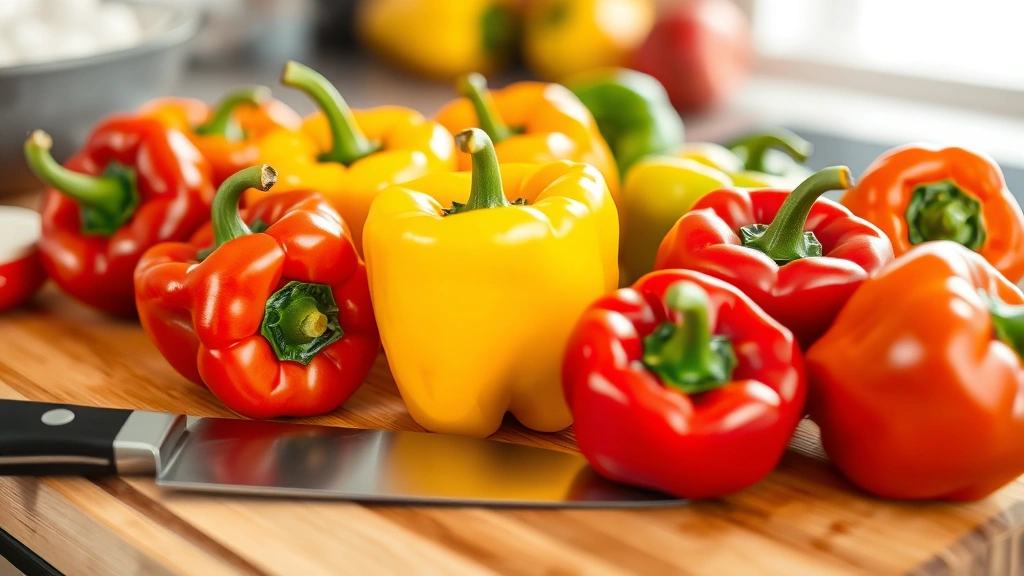
Sweet Peppers: Are They Nutrient-Rich? Dietitian Insight
Sweet peppers have become a staple in kitchens worldwide, celebrated for their vibrant colors, versatile culinary applications, and impressive nutritional profile. Whether you’re roasting them for a summer side dish, adding them to stir-fries, or enjoying them raw as a crunchy snack, sweet peppers deliver far more than just flavor. As a dietitian, I can confidently say that sweet peppers represent one of nature’s most nutrient-dense vegetables, packed with vitamins, minerals, and phytonutrients that support overall health and wellness.
The question isn’t whether sweet peppers are nutrient-rich—they unquestionably are—but rather how to maximize their nutritional benefits and understand the science behind their health-promoting properties. This comprehensive guide explores the nutritional composition of sweet peppers, their specific health benefits, and practical ways to incorporate them into your daily diet for optimal wellness.
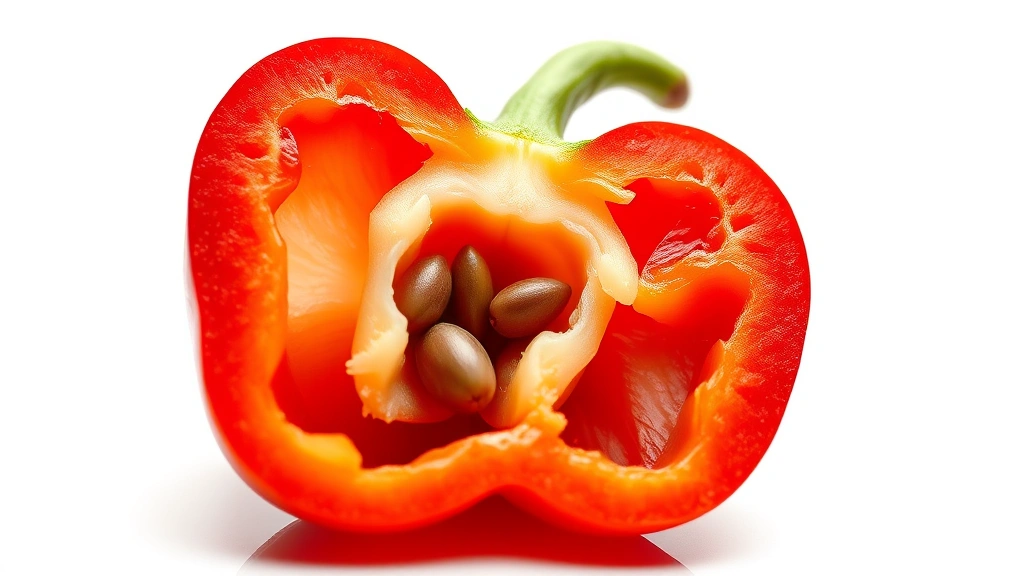
Complete Nutritional Profile of Sweet Peppers
When examining whether sweet peppers are nutrient-rich, we must start with their fundamental nutritional composition. A single medium sweet pepper (approximately 150 grams) contains remarkably few calories—roughly 30 to 37 calories—making them an excellent choice for calorie-conscious individuals without sacrificing nutritional density.
The macronutrient breakdown reveals that sweet peppers are predominantly water (about 92%), with minimal fat content and modest carbohydrates. A medium pepper provides approximately 7 grams of carbohydrates, including about 1.5 grams of dietary fiber and 4.2 grams of natural sugars. This composition makes sweet peppers ideal for maintaining stable blood sugar levels while providing sustained energy.
Sweet peppers contain virtually no fat—less than 0.3 grams per medium pepper—and approximately 1 gram of protein. While not a protein powerhouse, sweet peppers complement other nutrient-rich foods like avocados and legumes that provide complete protein profiles. The fiber content, though modest, contributes to digestive health and supports a comprehensive healthy nutrition plan.
According to USDA FoodData Central, sweet peppers rank exceptionally high in nutrient density when measured by the ratio of essential vitamins and minerals to calories consumed. This makes them a cornerstone vegetable in evidence-based nutrition strategies.
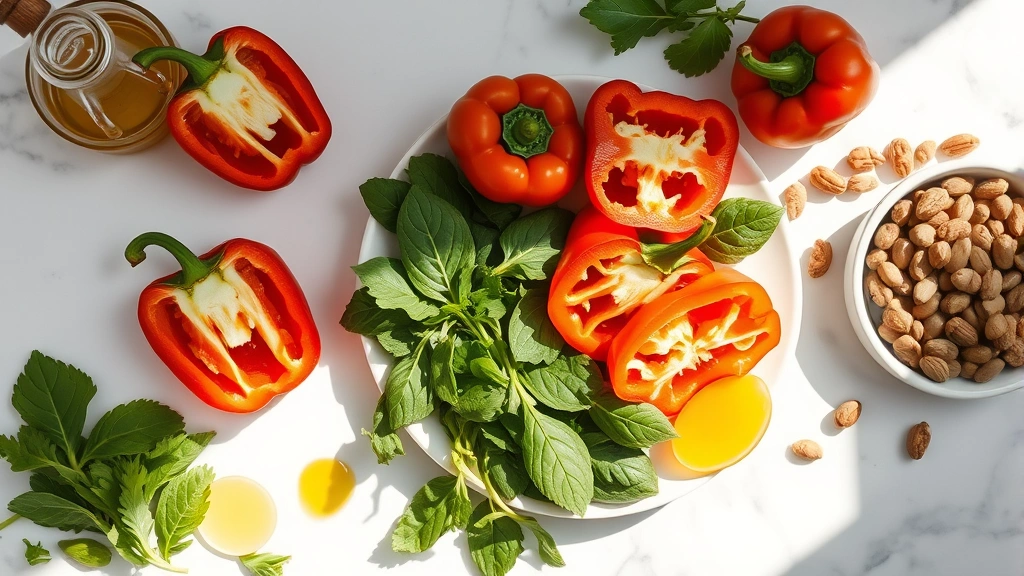
Vitamin Content and Benefits
The vitamin profile of sweet peppers is where their nutrient-rich status truly shines. Red, yellow, and orange peppers contain dramatically higher vitamin C concentrations than green peppers—a fact that surprises many nutrition enthusiasts. A single red bell pepper provides approximately 190 milligrams of vitamin C, exceeding the daily recommended intake for adults in one serving.
Vitamin C serves multiple critical functions in the human body. This powerful antioxidant supports immune function, collagen synthesis for skin health, and iron absorption from plant-based sources. The high vitamin C content in sweet peppers makes them particularly valuable for individuals following strategies to improve nutrient absorption, particularly when consuming iron-rich vegetables simultaneously.
Sweet peppers also contain significant amounts of vitamin A, primarily in the form of beta-carotene. This compound converts to retinol in the body, supporting vision, immune function, and skin health. The deeper the pepper’s color—particularly red and orange varieties—the higher the beta-carotene concentration. One red pepper provides approximately 3,131 IU of vitamin A, contributing substantially to daily requirements.
Vitamin B6 (pyridoxine) appears in meaningful quantities within sweet peppers, with one medium pepper providing about 0.3 milligrams. This vitamin plays crucial roles in brain development, immune function, and the creation of neurotransmitters. For individuals interested in nutrition and mental health connections, the B6 content in sweet peppers represents an important dietary component.
Additionally, sweet peppers contain folate (vitamin B9), pantothenic acid (vitamin B5), and small amounts of other B vitamins. This comprehensive B-vitamin profile supports energy metabolism and nervous system function.
Antioxidants and Phytonutrients
Beyond vitamins and minerals, sweet peppers deliver an impressive array of antioxidants and phytonutrients that combat oxidative stress and inflammation throughout the body. These compounds represent the cutting edge of nutritional science, explaining why sweet peppers appear so frequently in longevity and disease-prevention research.
Capsaicinoids, the compounds responsible for the heat in chili peppers, appear in sweet peppers at negligible levels, yet sweet peppers contain quercetin—a flavonoid with potent anti-inflammatory and antioxidant properties. Research published in the Journal of Medicinal Food demonstrates quercetin’s role in reducing inflammation and supporting cardiovascular health.
Lutein and zeaxanthin, carotenoids concentrated in the eye’s macula, appear abundantly in sweet peppers, particularly yellow and orange varieties. These compounds filter blue light and protect against age-related macular degeneration, one of the leading causes of vision loss in older adults. The synergistic effect of multiple antioxidants in sweet peppers creates a comprehensive protective mechanism against cellular damage.
Sinapic acid and ferulic acid, phenolic compounds found in sweet peppers, demonstrate antimicrobial and antioxidant properties in scientific studies. These compounds contribute to the pepper’s ability to reduce inflammation markers and support healthy aging processes. The combination of these phytonutrients makes sweet peppers particularly valuable for athletes optimizing performance through diet, as antioxidants support recovery and reduce exercise-induced inflammation.
Specific Health Benefits
The nutrient-rich composition of sweet peppers translates directly into measurable health benefits. Research consistently demonstrates that regular sweet pepper consumption supports multiple physiological systems and disease-prevention mechanisms.
Cardiovascular Health: The combination of vitamin C, fiber, and antioxidants in sweet peppers supports heart health through multiple mechanisms. Vitamin C reduces oxidative stress on arterial walls, while potassium (approximately 314 milligrams per medium pepper) helps regulate blood pressure. The capsanthin and capsorubin pigments in red peppers demonstrate cholesterol-lowering properties in clinical research.
Blood Sugar Regulation: Despite their natural sweetness, sweet peppers have a low glycemic index and contain compounds that slow glucose absorption. The fiber content and polyphenols support stable blood sugar levels, making them suitable for individuals managing diabetes or metabolic syndrome.
Weight Management: With minimal calories and high water content, sweet peppers provide volume and satiety without caloric excess. The vitamin B6 content supports metabolism, while the fiber promotes digestive regularity and sustained fullness.
Cognitive Function: The antioxidants in sweet peppers, particularly quercetin and vitamin C, cross the blood-brain barrier and protect neurons from oxidative damage. This supports cognitive preservation and may reduce neurodegenerative disease risk. The connection between dietary quality and brain health makes sweet peppers valuable components of cognitive wellness strategies.
Immune Support: The exceptional vitamin C content, combined with beta-carotene and various phytonutrients, creates a comprehensive immune-supporting profile. These nutrients enhance white blood cell function and antibody production, supporting the body’s defense against pathogens.
Anti-Inflammatory Effects: Chronic inflammation underlies most modern diseases, from cardiovascular disease to cancer. The polyphenol content in sweet peppers, particularly in colored varieties, reduces inflammatory markers throughout the body. This anti-inflammatory effect protects against multiple age-related diseases and supports overall wellness.
Selection, Storage, and Preparation
Maximizing the nutrient content of sweet peppers begins with proper selection. Choose peppers with firm, unblemished skin and vibrant color. Red, yellow, and orange peppers contain significantly higher nutrient concentrations than green peppers, which are harvested earlier in the ripening process. Red peppers, for instance, contain three times the vitamin C and ten times the beta-carotene of green peppers.
Storage significantly impacts nutrient retention. Keep sweet peppers in the refrigerator’s crisper drawer, where they maintain optimal freshness for 1-2 weeks. Avoid storing near ethylene-producing fruits like bananas, which accelerate deterioration. The cool temperature slows enzymatic processes that degrade vitamins and antioxidants.
Preparation methods influence nutrient bioavailability. Raw sweet peppers preserve maximum vitamin C content, making them ideal for salads and fresh applications. Lightly cooking peppers—steaming or quick sautéing—actually increases the bioavailability of carotenoids like beta-carotene and lycopene by breaking down cell walls and making these fat-soluble nutrients more accessible for absorption. Roasting peppers at moderate temperatures preserves most nutrients while developing complex flavors.
Avoid prolonged boiling, which leaches water-soluble vitamins into cooking water. If using cooking water for soups or stocks, retain it to preserve nutrients. Pair sweet peppers with healthy fats—olive oil, avocado, or nuts—to maximize absorption of fat-soluble vitamins and carotenoids.
Incorporating Sweet Peppers Into Your Diet
The versatility of sweet peppers makes them exceptionally easy to incorporate into daily eating patterns. Aim for at least one serving (approximately one medium pepper) daily to access the full spectrum of nutritional benefits.
Raw Applications: Slice sweet peppers into strips for crunchy snacks with hummus or nut butter. Add them to salads, grain bowls, or sushi rolls. Raw peppers provide maximum enzyme activity and vitamin C preservation.
Cooked Preparations: Roast whole peppers until charred, then peel away the skin for a tender, concentrated pepper flavor. Incorporate roasted peppers into soups, pasta dishes, or grain-based meals. Stir-fry peppers with other vegetables and lean proteins for nutrient-dense main dishes. Stuff whole peppers with quinoa, legumes, and other vegetables for complete meal solutions.
Preservation Techniques: Freeze diced peppers for year-round availability. Ferment peppers to enhance probiotic content and further develop antioxidant profiles. Create pepper-based sauces and condiments to add nutritional depth to multiple dishes.
Complementary Pairings: Combine sweet peppers with foods containing vitamin C-enhancing compounds. Pair them with iron-rich foods like spinach or lentils to maximize iron absorption. Include healthy fats to optimize carotenoid uptake and support satiety.
The Nutrients Pathway Blog provides additional strategies for incorporating nutrient-dense vegetables into comprehensive dietary patterns supporting long-term health outcomes.
Sweet peppers represent one of nature’s most nutrient-dense foods, delivering exceptional value in terms of vitamins, minerals, and phytonutrients relative to caloric content. Their versatility, accessibility, and impressive health benefits make them essential components of any evidence-based nutrition strategy. From supporting cardiovascular health to protecting cognitive function, sweet peppers demonstrate that truly nutrient-rich foods can be both delicious and profoundly health-promoting.
FAQ
Are red peppers more nutritious than green peppers?
Yes, red peppers contain significantly higher levels of vitamins and antioxidants. Red peppers have three times the vitamin C and ten times the beta-carotene of green peppers. The color indicates ripeness—red peppers have matured longer, accumulating more nutrients. Yellow and orange peppers also exceed green peppers nutritionally.
Should sweet peppers be eaten raw or cooked?
Both preparations offer distinct advantages. Raw peppers maximize vitamin C content and enzyme activity. Cooked peppers increase carotenoid bioavailability by breaking down cell walls. Ideally, consume peppers both ways to access the full spectrum of nutrients. Avoid prolonged boiling; steaming or quick sautéing preserves most nutrients while enhancing absorption of certain compounds.
How much sweet pepper should I consume daily?
One medium sweet pepper daily provides substantial nutritional benefits without excess calories or carbohydrates. Those with specific health goals—cardiovascular disease prevention, blood sugar management—may benefit from consuming additional peppers. Consult with a registered dietitian for personalized recommendations.
Do sweet peppers contain allergens?
Sweet peppers are generally well-tolerated, though nightshade sensitivity affects some individuals. Those with arthritis or autoimmune conditions sometimes experience inflammation from nightshade vegetables. Oral allergy syndrome occasionally occurs in individuals with birch pollen allergies. Most people consume sweet peppers without adverse reactions.
Can sweet pepper consumption aid weight loss?
Sweet peppers support weight management through multiple mechanisms: minimal calories, high water content, fiber for satiety, and metabolism-supporting B vitamins. However, weight loss requires comprehensive dietary and lifestyle approaches. Sweet peppers should be components of balanced nutrition plans rather than standalone solutions.
Which sweet pepper color has the most nutrients?
Red peppers contain the highest overall nutrient concentration, having ripened longest and accumulated maximum vitamins and antioxidants. Orange and yellow peppers follow closely, offering distinct phytonutrient profiles. Green peppers, while nutritious, contain lower concentrations due to earlier harvest timing. Consume variety of colors to access diverse phytonutrient spectrums.
How should I store sweet peppers to preserve nutrients?
Store whole sweet peppers in the refrigerator’s crisper drawer for 1-2 weeks. Keep them away from ethylene-producing fruits. Cut peppers should be stored in airtight containers for 3-4 days. Freezing diced peppers preserves nutrients for months. Avoid prolonged exposure to light, heat, and oxygen, which degrade vitamins and antioxidants.


