Swiss Cheese Nutrition Facts: Dietitian Insights
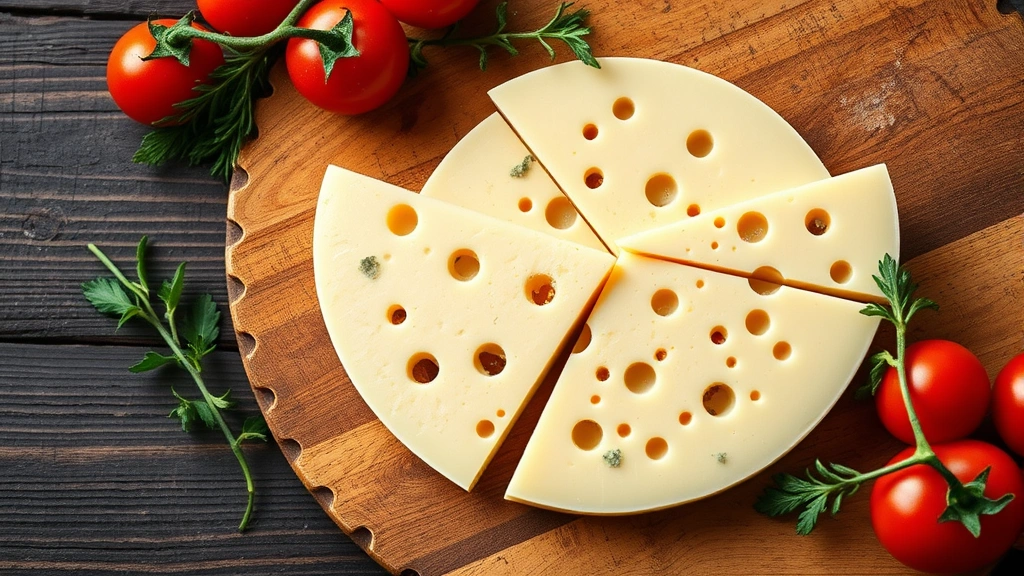
Swiss cheese stands out among dairy products for its distinctive flavor profile and impressive nutritional composition. This beloved cheese, characterized by its iconic holes and nutty taste, offers more than just culinary appeal—it delivers substantial nutritional benefits that make it a worthy addition to a balanced diet. Understanding the specific nutrition facts of Swiss cheese helps consumers make informed dietary choices while enjoying this versatile ingredient.
Whether you’re incorporating Swiss cheese into sandwiches, melting it over vegetables, or enjoying it as part of a cheese board, knowing its nutritional value allows you to maximize health benefits while managing your overall dietary intake. Dietitians increasingly recognize Swiss cheese as a nutrient-dense food that provides essential minerals, high-quality protein, and beneficial fats.
Complete Nutritional Breakdown Per Serving
A standard serving of Swiss cheese, typically defined as one ounce (28 grams), contains approximately 106 calories, making it a calorie-dense food that delivers significant nutritional value in small portions. This serving size provides about 7 grams of protein, which represents roughly 14% of the daily recommended value for an average adult. The macronutrient distribution makes Swiss cheese particularly valuable for individuals following a healthy nutrition plan with balanced macronutrient ratios.
Fat content in Swiss cheese comprises approximately 8 grams per ounce, with roughly 5 grams coming from saturated fat. Carbohydrates are minimal at less than 1 gram per serving, making Swiss cheese an excellent option for low-carbohydrate dietary approaches. Sodium content averages around 192 milligrams per ounce, which represents about 8% of the daily recommended limit established by health organizations.
The caloric density and macronutrient profile of Swiss cheese make portion control important for individuals managing weight or monitoring specific nutrient intake levels. However, the nutrient concentration means that even small servings contribute meaningfully to daily nutritional requirements. Understanding these baseline numbers provides context for evaluating how Swiss cheese fits into individual dietary patterns and health goals.

Protein Content and Amino Acid Profile
Swiss cheese delivers complete protein containing all nine essential amino acids, making it a valuable source for muscle maintenance, tissue repair, and enzyme production. The 7 grams of protein per ounce represents a concentrated source compared to many other foods, allowing individuals to meet protein requirements efficiently. This characteristic particularly benefits athletes, older adults focused on maintaining muscle mass, and anyone prioritizing adequate protein intake.
The amino acid composition of Swiss cheese supports various physiological functions beyond basic muscle building. Leucine, one of the branched-chain amino acids present in significant quantities, plays a crucial role in activating protein synthesis pathways. Methionine and cysteine, sulfur-containing amino acids abundant in cheese, support connective tissue formation and antioxidant defense systems. Research from nutritional biochemistry studies demonstrates that dairy proteins exhibit superior amino acid profiles compared to many plant-based alternatives.
For individuals incorporating Swiss cheese into nutrient-rich foods alongside other protein sources like avocados, the complementary amino acid profiles create comprehensive nutritional support. The bioavailability of cheese proteins—meaning the proportion actually absorbed and utilized by the body—exceeds 90%, indicating high efficiency in meeting amino acid requirements.
Calcium and Bone Health Benefits
Perhaps the most celebrated nutritional attribute of Swiss cheese involves its exceptional calcium content. A single ounce of Swiss cheese provides approximately 219 milligrams of calcium, representing about 22% of the daily recommended intake for most adults. This substantial contribution makes Swiss cheese one of the most efficient dietary sources of bioavailable calcium, particularly important for populations at risk of inadequate intake.
The calcium in Swiss cheese exists in highly absorbable forms, enhanced by the cheese-making process that concentrates minerals while removing excess whey. This bioavailability surpasses many plant-based calcium sources, which often contain compounds that inhibit mineral absorption. For individuals unable to consume adequate dairy products through milk alone, Swiss cheese provides concentrated calcium in a more shelf-stable, versatile format.
Regular consumption of calcium-rich foods like Swiss cheese supports bone density maintenance, particularly crucial during adolescence when peak bone mass develops, and during aging when bone loss accelerates. The mineral also plays essential roles in muscle contraction, nerve transmission, and cardiovascular function. Combined with vitamin K2 (present in cheese) and adequate vitamin D, calcium from Swiss cheese contributes to comprehensive bone health strategies that extend beyond simple calcium supplementation.
Research from the National Institutes of Health emphasizes the importance of bioavailable dietary calcium sources, positioning foods like Swiss cheese as central components of bone health nutrition plans.
Fat Composition and Heart Health
The fat content of Swiss cheese deserves nuanced discussion, as not all dietary fats carry equivalent health implications. While 5 grams of saturated fat per ounce might initially concern health-conscious consumers, emerging research suggests that saturated fat from dairy products demonstrates different metabolic effects compared to saturated fat from processed sources. Several studies indicate that dairy fat consumption shows weaker associations with cardiovascular disease than previously believed.
Swiss cheese contains significant quantities of conjugated linoleic acid (CLA), a fatty acid with potential anti-inflammatory and metabolic benefits. This compound emerges particularly in cheeses from grass-fed cattle, where dietary composition influences milk fat profiles. Additionally, butyric acid present in cheese supports gut health and may contribute to reduced systemic inflammation markers.
The monounsaturated and polyunsaturated fat content, though modest at approximately 2-3 grams per ounce, includes oleic acid and other compounds with cardioprotective properties. The fat-soluble vitamins A, D, E, and K2 contained within the cheese’s fat matrix support absorption and utilization of these essential nutrients. For individuals following moderate fat intake approaches, the concentrated nutrient delivery per serving of Swiss cheese makes it nutritionally efficient despite its fat density.
Dietitians increasingly recognize that whole food fat sources like cheese deserve different dietary consideration than isolated fats or processed foods high in trans fats. The holistic nutrient package—including protein, minerals, and bioactive compounds—distinguishes Swiss cheese from simple fat sources in terms of overall health impact.
Vitamins and Minerals in Swiss Cheese
Beyond calcium and protein, Swiss cheese delivers an impressive micronutrient profile supporting diverse physiological functions. Vitamin B12, essential for neurological function and red blood cell formation, appears in substantial quantities—approximately 0.95 micrograms per ounce, representing nearly 40% of daily requirements. This concentration makes Swiss cheese particularly valuable for vegetarians and individuals at risk of B12 deficiency.
Selenium content in Swiss cheese supports thyroid function and antioxidant defense systems. A single serving provides about 4 micrograms, or roughly 7% of daily recommended intake. Phosphorus, comprising approximately 171 milligrams per ounce, works synergistically with calcium in bone mineralization and energy metabolism. The calcium-to-phosphorus ratio in cheese falls within optimal ranges for mineral absorption and utilization.
Zinc availability from Swiss cheese supports immune function, wound healing, and protein synthesis. The bioavailability of zinc from animal sources exceeds that from plant-based alternatives, making cheese a particularly efficient zinc source. Vitamin A content, though moderate, contributes to vision, immune function, and skin health. The presence of vitamin K2, though in smaller quantities than some fermented foods, supports bone health and cardiovascular function through protein carboxylation pathways.
These micronutrients work synergistically with the macronutrients and other bioactive compounds present in Swiss cheese, creating a nutritionally complex food that supports multiple physiological systems simultaneously. This comprehensive nutrient density distinguishes Swiss cheese from simple calorie sources and positions it as a functional food within balanced dietary patterns.
Comparing Swiss to Other Cheese Varieties
When evaluating Swiss cheese within the broader cheese category, several comparative advantages emerge. Compared to cheddar cheese, Swiss typically contains lower sodium content while delivering similar protein and calcium quantities. The flavor intensity of Swiss cheese allows meaningful taste contribution with smaller portion sizes, potentially reducing overall sodium intake compared to milder cheeses requiring larger servings.
Parmesan cheese delivers higher protein and calcium concentrations per ounce but also contains elevated sodium levels, making Swiss a better choice for individuals monitoring salt intake. Brie and other soft cheeses provide lower mineral concentrations due to higher moisture content, though they offer different culinary applications. The aging process that creates Swiss cheese’s characteristic holes and flavor simultaneously concentrates nutrients and develops beneficial compounds.
Mozzarella, particularly fresh varieties, contains less calcium and protein than Swiss due to moisture content differences, though it serves different nutritional purposes in various dietary contexts. Cream cheese delivers fewer nutrients per serving despite similar caloric density, highlighting how production methods dramatically influence nutritional profiles. For individuals seeking maximum nutritional return from cheese consumption, Swiss consistently ranks among the most nutrient-dense options available.
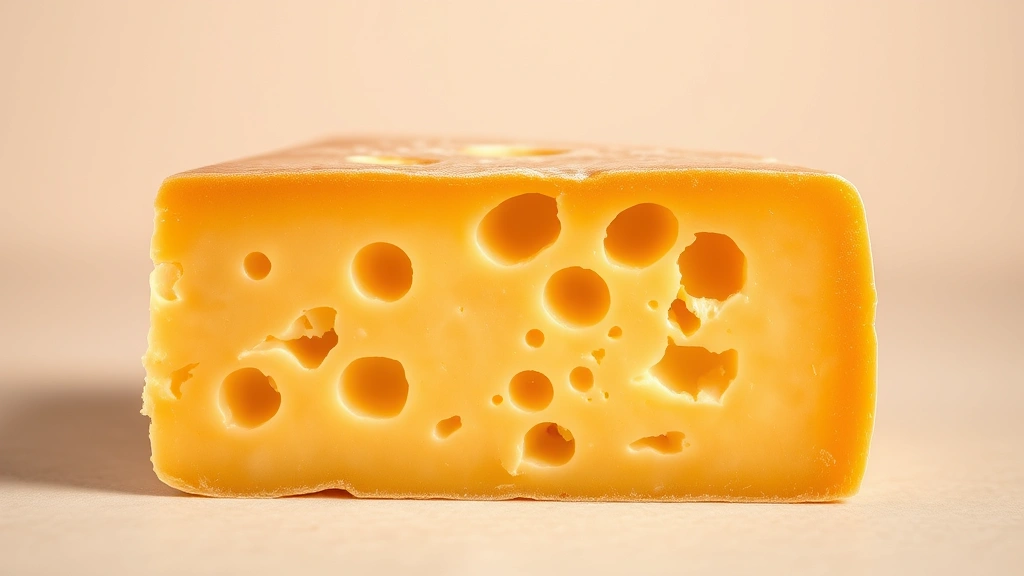
The hole-formation process in Swiss cheese, resulting from bacterial gas production during aging, doesn’t diminish nutritional value—instead, it represents concentrated nutrient delivery in smaller weight. This efficiency makes Swiss particularly valuable for individuals managing portion sizes while maximizing nutrient intake. Understanding these comparative profiles helps consumers select cheeses aligned with specific nutritional objectives and dietary constraints.
Lactose Content and Digestibility
A significant advantage of Swiss cheese for lactose-sensitive individuals involves its minimal residual lactose content. During cheese production, lactose converts to lactic acid through bacterial fermentation, and extended aging further reduces any remaining lactose. Most Swiss cheese contains less than 0.1 grams of lactose per ounce, making it tolerable for many individuals with lactose sensitivity or mild lactose intolerance.
The aging process that characterizes Swiss cheese production—typically 6 months to several years—allows bacterial cultures to consume lactose while developing complex flavors and beneficial compounds. This extended maturation contrasts sharply with fresh cheeses like ricotta or mozzarella, which retain higher lactose levels. For individuals with dairy sensitivity, aged cheeses like Swiss provide dairy nutrition without digestive disturbance.
Additionally, the protein structures in aged cheese undergo partial breakdown through enzymatic action during maturation, creating smaller peptides that some individuals digest more easily than intact milk proteins. This pre-digestion effect, combined with minimal lactose, makes Swiss cheese one of the most digestible dairy products for sensitive populations. Individuals uncertain about their lactose tolerance often successfully consume Swiss cheese despite problems with milk or yogurt.
The bacterial cultures present in Swiss cheese, including Propionibacterium freudenreichii responsible for hole formation, may offer probiotic benefits, though research remains ongoing regarding viable bacterial survival through digestion. Regardless, the digestibility advantages of aged Swiss cheese position it as an accessible dairy option for broader populations than fresh dairy products accommodate.
Practical Serving Recommendations
Incorporating Swiss cheese into balanced dietary patterns involves strategic portion management and thoughtful pairing with complementary foods. A standard serving of one ounce (approximately one slice of deli-thickness Swiss) delivers meaningful nutrition without excessive caloric contribution—roughly 5-6% of a 2000-calorie daily diet. This portion size allows regular consumption while maintaining dietary flexibility.
For individuals prioritizing protein intake, combining Swiss cheese with whole grain bread or pairing it with nuts creates complete meals with sustained energy and satiety. The mineral density of Swiss cheese makes it particularly valuable in meals emphasizing dietary fiber through whole grains and vegetables, creating nutritionally comprehensive combinations. Swiss cheese melted over steamed vegetables increases palatability while adding calcium and protein to otherwise light meals.
Individuals managing sodium intake should note that Swiss cheese, while lower in sodium than many alternatives, still contributes meaningfully to daily salt consumption. Balancing cheese servings with lower-sodium components throughout the day maintains appropriate sodium levels without completely eliminating this nutritious food. For those with hypertension or salt sensitivity, consulting with healthcare providers about appropriate cheese quantities ensures alignment with individual health requirements.
The versatility of Swiss cheese extends beyond traditional applications. Incorporating small quantities into salads, soups, or grain bowls provides nutrient density without dominating dishes. Using Swiss cheese in cooking applications where it melts completely, such as in vegetable gratins or lean protein dishes, maximizes nutritional contribution while creating satisfying meals. Strategic use of this nutrient-dense food within overall dietary patterns supports health objectives across diverse nutritional philosophies.
For individuals following nutrition approaches that emphasize brain health and cognitive function, the B-vitamins and minerals in Swiss cheese support neurological processes. The complete amino acid profile supports neurotransmitter synthesis, while the bioavailable minerals support neural function. These mechanisms suggest that Swiss cheese fits appropriately within comprehensive nutrition strategies targeting multiple health domains.
Proper storage of Swiss cheese—maintaining refrigeration between 35-40°F and keeping it wrapped to prevent drying—preserves nutritional integrity and flavor profile. Unlike some soft cheeses, Swiss cheese’s low moisture content and dense structure make it relatively shelf-stable once opened, allowing flexible consumption patterns without rapid spoilage.
FAQ
How much calcium does Swiss cheese actually contain compared to milk?
Swiss cheese delivers substantially more bioavailable calcium per serving than milk—one ounce of Swiss cheese (219 mg calcium) provides more mineral than eight ounces of whole milk (275 mg). However, the serving size difference matters; one ounce of cheese represents a small portion, while eight ounces of milk constitutes a full beverage serving. From a practical standpoint, Swiss cheese offers more concentrated calcium, making it valuable for individuals seeking efficient mineral delivery. The bioavailability of cheese calcium may exceed milk calcium due to the concentration process and enzymatic changes during aging.
Is Swiss cheese appropriate for people with lactose intolerance?
Most individuals with lactose intolerance tolerate Swiss cheese well due to its minimal residual lactose content (typically under 0.1 grams per ounce). The extended aging process converts lactose to lactic acid, eliminating the primary problematic component. However, individuals with severe dairy allergies (as opposed to lactose intolerance) must avoid all cheese products, as the protein structures responsible for allergic reactions remain present. Those uncertain about their specific condition should consult healthcare providers or perform careful personal testing.
Does Swiss cheese contain probiotics like yogurt?
While Swiss cheese contains live bacterial cultures used during production, the quantity of viable bacteria surviving through digestion remains uncertain. The cultures present—particularly Propionibacterium species—may offer probiotic benefits, but research hasn’t definitively established significant probiotic effects comparable to yogurt. Swiss cheese should be appreciated primarily for its nutrient density rather than relied upon as a probiotic source. However, the fermentation process does create beneficial compounds and improve digestibility of dairy proteins regardless of probiotic considerations.
Can Swiss cheese fit into low-sodium diets?
Swiss cheese contains moderate sodium (approximately 192 mg per ounce), requiring portion awareness within low-sodium diets. One serving represents roughly 8% of a 2400 mg daily sodium limit, making it compatible with sodium-restricted plans when portioned appropriately. Individuals following strict sodium limitations (under 1500 mg daily) should consume Swiss cheese sparingly. Balancing cheese servings with abundant low-sodium vegetables, whole grains, and lean proteins allows incorporation of Swiss cheese’s nutritional benefits while maintaining overall sodium targets.
How does Swiss cheese compare nutritionally to plant-based cheese alternatives?
Swiss cheese delivers superior protein quality, calcium bioavailability, and micronutrient density compared to most plant-based alternatives. Dairy cheese provides complete proteins with all essential amino acids in optimal proportions, while many plant-based cheeses rely on isolated proteins that may lack comprehensive amino acid profiles. Calcium in plant-based cheeses often comes from fortification rather than natural concentration, typically with lower bioavailability than dairy-derived calcium. However, plant-based options serve important roles for individuals avoiding dairy due to allergies, veganism, or personal preference. The nutritional comparison differs based on specific product formulations, as some plant-based options increasingly approach dairy cheese nutritional profiles.
What’s the best way to incorporate Swiss cheese into a balanced diet?
Strategic incorporation involves using Swiss cheese as a nutrient-dense component within meals emphasizing whole grains, vegetables, and lean proteins. Small portions (one ounce) added to salads, melted over vegetables, or paired with whole grain bread maximize nutritional contribution while maintaining caloric balance. For individuals with specific health objectives, consulting dietitians ensures that Swiss cheese consumption aligns with personalized nutritional requirements and health goals. The versatility of Swiss cheese allows creative applications across diverse cuisines and meal types, supporting dietary adherence and nutritional adequacy simultaneously.


