Taco Bell Bean Burrito: Dietitian’s Comprehensive Nutrition Breakdown
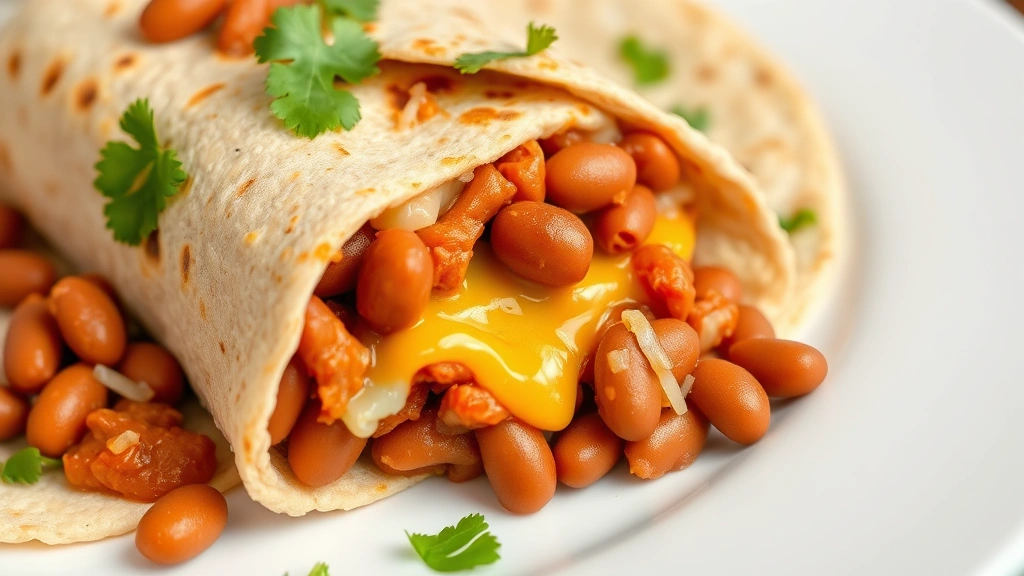
The Taco Bell Bean Burrito stands as one of the fast-food chain’s most accessible menu items, offering a plant-based protein option that appeals to budget-conscious consumers and vegetarians alike. Understanding its nutritional profile requires moving beyond surface-level calorie counts to examine macronutrient distribution, sodium content, fiber quality, and how it fits within broader dietary patterns. This analysis provides the evidence-based perspective you need to make informed choices about incorporating this menu staple into your eating strategy.
As a registered dietitian perspective on fast-food options, the Bean Burrito presents an interesting case study in balancing convenience, affordability, and nutritional adequacy. While no single menu item determines overall health outcomes, understanding its composition helps consumers make strategic decisions about frequency and complementary foods throughout their day.

Calorie and Macronutrient Profile
The Taco Bell Bean Burrito contains approximately 370 calories, making it a moderate-calorie option for a single menu item. This caloric load sits comfortably within meal parameters for most dietary approaches, though context matters significantly. For individuals following a 2,000-calorie daily intake, this represents roughly 18-19% of total daily calories—a reasonable portion if paired with lighter meals or used as a lunch anchor.
Protein content reaches approximately 14 grams, derived primarily from refried beans, cheese, and wheat flour tortilla. While this represents a meaningful protein contribution, it falls below what many nutrition professionals recommend for satiety and metabolic support. For comparison, incorporating protein-forward strategies through nutrition for athletes and performance optimization typically emphasizes higher protein quantities. However, for general population consumption, 14 grams provides a functional baseline.
Carbohydrates comprise the macronutrient majority at approximately 55 grams, primarily from the flour tortilla and beans. This carbohydrate contribution includes both simple and complex carbohydrates, with the bean component providing more sustained energy release compared to refined flour alone. Fat content sits around 9-10 grams, a relatively modest amount that helps with nutrient absorption and satiety signaling.
Sodium Content Analysis
Perhaps the most significant nutritional consideration involves sodium levels, which reach approximately 1,100-1,200 milligrams per burrito. This represents 48-52% of the FDA’s recommended daily sodium intake of 2,300 milligrams. For individuals managing hypertension, heart disease, or following sodium-restricted protocols, this single item creates substantial dietary constraints for the remainder of the day.
The sodium derives from multiple sources: the refried beans (preserved with salt), cheese (naturally sodium-containing), tortilla, and seasoning blend. Unlike caloric or macronutrient content, sodium accumulation proves particularly problematic because multiple menu items compound the burden rapidly. A healthy nutrition plan requiring balanced sodium management necessitates strategic awareness of fast-food sodium contributions.
Research from the American Heart Association demonstrates that high-sodium fast-food consumption correlates with elevated blood pressure in regular consumers. For individuals consuming fast food multiple times weekly, the cumulative sodium burden becomes a legitimate health concern requiring active management strategies.
Fiber and Digestive Benefits
One nutritional strength of the Bean Burrito lies in its fiber content, providing approximately 7-8 grams of dietary fiber. This represents roughly 28-32% of the adequate intake recommendation for adults, delivering meaningful digestive support within a single menu item. The fiber derives primarily from refried beans, which retain significant fiber content despite processing.
Dietary fiber serves multiple physiological functions: promoting healthy bowel function, feeding beneficial gut bacteria, supporting blood sugar stabilization, and contributing to satiety. The Bean Burrito’s fiber contribution outperforms many fast-food alternatives, particularly compared to burgers, sandwiches, or fried items lacking legume components. This fiber advantage positions the burrito favorably within fast-food hierarchies.
For individuals implementing meal planning strategies that emphasize digestive health, the Bean Burrito provides a convenient vehicle for fiber intake. However, individuals unaccustomed to higher fiber intake should increase consumption gradually to avoid digestive discomfort, particularly if not consuming adequate fluids throughout the day.
Micronutrients and Vitamins
Micronutrient analysis reveals a mixed nutritional picture. The Bean Burrito provides meaningful quantities of certain minerals while falling short in others. Iron content reaches approximately 2-3 milligrams, or 11-17% of the daily value depending on age and sex. Importantly, this represents non-heme iron from plant sources, which exhibits lower bioavailability than heme iron from animal sources. Consuming iron-rich plant foods alongside vitamin C sources enhances absorption—a consideration when selecting complementary beverages or side items.
Calcium content approximates 200-250 milligrams, or roughly 15-20% of daily recommendations, primarily from the cheese component. While this represents a meaningful contribution, calcium content remains moderate relative to dairy-focused meals. Individuals relying primarily on fast-food sources for calcium intake may benefit from additional supplementation or dietary diversification.
B vitamins present in modest quantities through the flour tortilla and beans support energy metabolism and nervous system function. However, quantifying these contributions requires accessing detailed nutritional databases, as Taco Bell’s standard nutritional information emphasizes macronutrients and sodium over comprehensive micronutrient profiling.
The Bean Burrito contains minimal vitamin A, vitamin C, and potassium—nutrients where many Americans demonstrate insufficient intake. This nutritional gap highlights why viewing any single fast-food item as a complete nutritional solution proves inadequate. Strategic complementary food choices become essential for achieving comprehensive micronutrient adequacy.
Comparison to Menu Alternatives
Contextualizing the Bean Burrito’s nutritional profile requires comparison to comparable menu options. The Black Beans and Rice side provides similar carbohydrate content with less total calories and sodium, though it lacks the complete meal structure. The Bean and Cheese Burrito offers slightly lower calories but marginally higher sodium—a trade-off that favors the standard Bean Burrito.
Compared to meat-based burrito options, the Bean Burrito typically features lower calories, similar or slightly lower protein (depending on specific meat offerings), and comparable sodium levels. The meat alternatives generally provide more complete amino acid profiles due to animal protein presence, though they elevate saturated fat content. For individuals prioritizing plant-based eating, the Bean Burrito represents a legitimate fast-food option.
When evaluated against non-burrito alternatives like tacos, nachos, or quesadillas, the Bean Burrito’s satiety profile and fiber content provide distinct advantages. The burrito format delivers portion control through a defined serving unit, whereas taco-based meals encourage consumption of multiple units, potentially escalating total caloric and sodium intake.
How It Fits Different Diets
The Bean Burrito accommodates several dietary approaches with varying degrees of success. For vegetarian and vegan consumers, the Bean Burrito (without cheese, upon request) provides a complete plant-based meal option at fast-food restaurants where options often prove limited. The protein-carbohydrate combination supports post-exercise recovery, though athletes might seek higher protein alternatives through comprehensive nutrition solutions.
Within weight management contexts, the 370-calorie count and 14-gram protein content provide moderate satiety potential. However, the relatively high sodium and moderate fiber (while better than many alternatives) suggest that pairing with water intake and supplementary vegetables optimizes satisfaction and prevents overconsumption of additional items.
For individuals managing diabetes or blood sugar concerns, the Bean Burrito’s carbohydrate-to-fiber ratio (55g carbs to 7-8g fiber) requires consideration. The fiber helps moderate glycemic response, but the total carbohydrate load may necessitate portion adjustments or medication timing modifications depending on individual insulin sensitivity profiles.
Kosher and halal consumers should verify ingredient sourcing, as some Taco Bell locations may not maintain certified preparations. Gluten-sensitive individuals cannot safely consume the standard Bean Burrito due to wheat flour tortilla content, though alternative preparations might be negotiated with individual locations.
Optimization Strategies for Nutritional Enhancement
Several practical strategies enhance the nutritional value of Bean Burrito consumption. First, requesting additional fresh vegetables—lettuce, tomato, or onion—adds micronutrients, fiber, and volume without substantially increasing calories or sodium. Most Taco Bell locations accommodate these modifications without additional charge.
Beverage selection significantly impacts overall meal quality. Choosing water, unsweetened tea, or zero-calorie beverages avoids liquid calorie accumulation and helps manage sodium through increased hydration. Conversely, regular soft drinks add 150-200 calories and substantial added sugar without nutritional benefit.
Pairing the Bean Burrito with lower-sodium, nutrient-dense sides optimizes meal balance. Black Beans and Rice, while not eliminating sodium concerns, provides additional fiber and micronutrients. Pintos and Cheese similarly contributes fiber and protein while remaining relatively modest in calories.
For individuals consuming fast food regularly, spacing Bean Burrito consumption across the week rather than clustering multiple servings prevents cumulative sodium overload. A single Bean Burrito once weekly within an otherwise balanced diet presents minimal health concern for most individuals. Daily consumption, conversely, creates legitimate dietary imbalance.
Understanding portion context matters significantly. Using the Bean Burrito as a lunch entree with lighter breakfast and dinner options differs substantially from consuming it as one of three daily fast-food meals. Nutrition and mental health research demonstrates that overall dietary patterns influence cognition and mood more substantially than individual food items.
Individuals seeking to maximize satiety should consume the burrito slowly, drinking water throughout consumption, and allowing 15-20 minutes before assessing fullness. This practice leverages satiety hormonal signaling, reducing likelihood of supplementary consumption immediately following the meal.
Frequently Asked Questions
Is the Taco Bell Bean Burrito a healthy choice?
“Healthy” depends on context, frequency, and individual dietary goals. As an occasional choice within a balanced dietary pattern, the Bean Burrito presents acceptable nutritional trade-offs. The primary concern involves sodium content, which limits frequency for sodium-sensitive individuals. The fiber and plant-based protein provide genuine nutritional benefits, particularly compared to many fast-food alternatives.
How much protein does the Bean Burrito contain?
The Bean Burrito provides approximately 14 grams of protein, primarily from beans and cheese. While this represents a meaningful contribution, it falls below recommendations for individuals prioritizing protein intake for muscle maintenance or athletic performance. Combining with higher-protein sides or beverages can increase total meal protein.
Can individuals with diabetes eat the Bean Burrito?
Individuals with diabetes can consume the Bean Burrito, though portion control and carbohydrate counting remain essential. The 55-gram carbohydrate content requires consideration within daily carbohydrate allowances. The fiber content (7-8 grams) helps moderate blood sugar impact. Consulting with a registered dietitian ensures appropriate integration into personalized meal plans.
How does the Bean Burrito compare nutritionally to homemade alternatives?
Homemade bean burritos typically offer superior micronutrient profiles through fresh vegetable inclusion and sodium control. However, they require time investment and cooking skills. For convenience-prioritized consumers, the Bean Burrito represents a reasonable fast-food compromise, particularly when modified with additional vegetables and strategic beverage choices.
What’s the sodium content, and is it concerning?
The Bean Burrito contains approximately 1,100-1,200 milligrams of sodium, representing nearly 50% of daily recommendations. For individuals managing hypertension or heart disease, this single item substantially constrains sodium intake for the remainder of the day. For generally healthy individuals consuming fast food infrequently, it presents minimal concern. Regular consumers should prioritize lower-sodium alternatives on other meals.
Does Taco Bell offer sodium-reduced versions?
Standard Taco Bell locations do not offer sodium-reduced Bean Burrito versions. However, requesting ingredient modifications—omitting cheese, requesting fresh vegetables instead of processed components—may slightly reduce sodium. Individual locations might accommodate special requests, though results vary. Contacting specific locations beforehand increases success likelihood.
How often can someone safely eat the Bean Burrito?
For generally healthy individuals without hypertension or sodium-restriction requirements, consuming the Bean Burrito 1-2 times weekly presents minimal health concern within a balanced overall diet. Individuals with sodium-sensitive conditions should limit consumption to occasional occasions (monthly or less frequently). Those consuming multiple fast-food meals weekly should minimize Bean Burrito frequency to prevent cumulative sodium burden.
What complementary foods optimize the meal nutritionally?
Pairing the Bean Burrito with water or unsweetened beverages, additional vegetables (lettuce, tomato, onion), and lower-sodium sides like Black Beans and Rice creates a more nutritionally complete meal. Avoiding high-calorie beverages and additional fried items maintains caloric balance while enhancing micronutrient intake through vegetable content.


