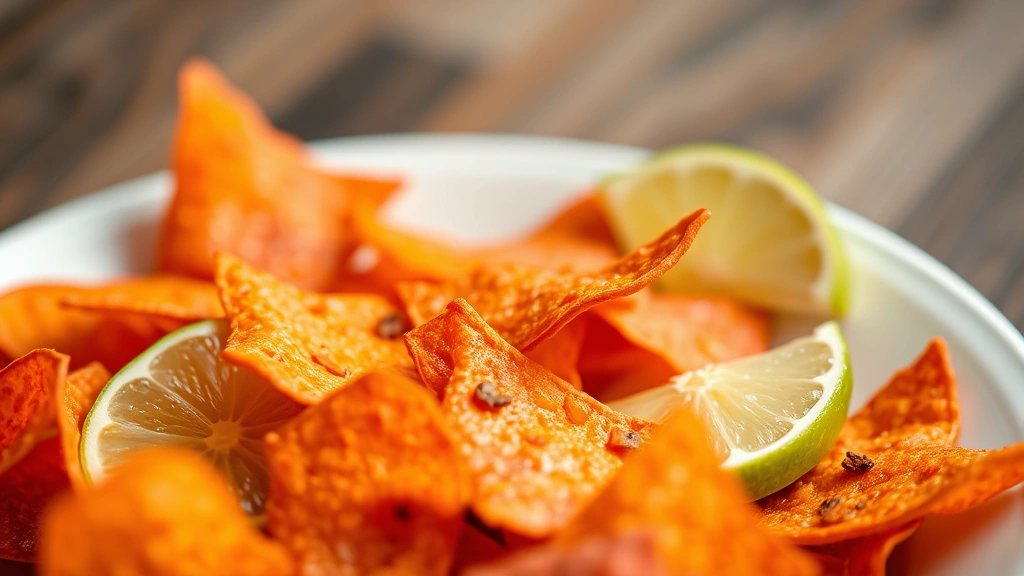
Are Takis Healthy? A Dietitian’s Complete Analysis of Takis Nutrition Facts
Takis have become a cultural phenomenon, especially among younger consumers who crave bold, spicy flavors in convenient snack form. These rolled tortilla chips deliver an intense taste experience that keeps people reaching for more, but the question of whether they fit into a healthy diet deserves serious examination. As a nutritionist analyzing Takis nutrition facts, I’ve found that understanding what’s actually in these snacks is crucial for making informed dietary choices.
The appeal of Takis is undeniable—the fiery seasoning, the satisfying crunch, and the social media buzz create a perfect storm of snacking desire. However, popularity doesn’t equal nutritional value. This analysis breaks down the composition of Takis, examines their place in modern diets, and provides practical guidance for consumers who enjoy them. Whether you’re a Takis enthusiast or simply curious about their health implications, this comprehensive dietitian review will clarify the facts behind the flavor.

Takis Nutrition Facts Breakdown
Understanding what’s in a serving of Takis requires looking at the actual nutritional label. A standard serving size of Takis (typically 28 grams or about 13 pieces) contains approximately 150 calories. This might seem modest at first glance, but the reality becomes more complex when examining the nutrient profile. The serving size is deliberately small—most people consume significantly more than one serving in a typical snacking session, which means caloric intake multiplies quickly.
The ingredient list reveals why Takis taste so distinctive and why they’re problematic from a nutritional standpoint. The primary components are enriched corn flour, vegetable oil, and salt, followed by an extensive array of spices and flavorings. The bright red color comes from artificial food coloring, specifically Red 40 Lake and Yellow 6 Lake. These synthetic dyes have been studied extensively, with research institutions examining their safety profiles, though they remain approved by the FDA in the United States.
What makes Takis particularly appealing to the palate is the combination of chili pepper, lime, and intensely savory seasonings. This flavor profile triggers strong taste receptors and can create a desire for repeated consumption. From a dietary perspective, this is both a feature and a significant drawback—foods engineered to be hyper-palatable often lead to overconsumption, making portion control extremely challenging for many consumers.
Caloric Content and Macronutrients
When examining the macronutrient composition of Takis, we see a profile that’s heavily weighted toward fat and carbohydrates with minimal protein. Per serving, Takis contain approximately 9 grams of fat, 16 grams of carbohydrates, and only 2 grams of protein. This macronutrient ratio is problematic because it provides calories without substantial satiety—meaning you’ll feel hungry again shortly after consumption despite taking in significant energy.
The fat in Takis comes primarily from vegetable oil, which isn’t inherently unhealthy in moderation. However, the type and amount matter considerably. The oil used in Takis processing is often high in omega-6 polyunsaturated fats, and excessive consumption of omega-6 relative to omega-3 fatty acids can promote inflammation in the body. When combined with the refined carbohydrates in the corn flour base, this fat-carb combination creates a snack that spikes blood sugar and insulin levels rapidly.
The carbohydrate content deserves particular attention. These 16 grams are almost entirely simple carbohydrates from refined corn flour with minimal fiber. There’s essentially no dietary fiber in Takis, which means they don’t support digestive health or provide the sustained energy release that whole grain carbohydrates offer. For anyone following a healthy nutrition plan, this absence of fiber is a significant nutritional red flag.
The protein content is minimal at just 2 grams per serving. Protein is essential for satiety, muscle maintenance, and numerous metabolic functions. Takis provide virtually none of these benefits, making them a calorie-dense but nutritionally sparse option. If you’re interested in optimizing your dietary choices, understanding nutrition for athletes and active individuals shows how critical adequate protein intake is for anyone pursuing health goals.
Sodium and Heart Health Concerns
Perhaps the most concerning aspect of Takis from a health standpoint is the sodium content. A single serving contains approximately 250 milligrams of sodium, which represents about 11% of the daily recommended intake. Again, this is based on the relatively small serving size that manufacturers define—most people consuming Takis eat at least two to three servings, which means sodium intake reaches 500-750 milligrams from this snack alone.
The American Heart Association recommends no more than 2,300 milligrams of sodium daily, with an ideal limit of 1,500 milligrams for optimal heart health. Excessive sodium consumption is directly linked to elevated blood pressure, increased cardiovascular disease risk, and kidney strain. When you consider that many modern processed foods are sodium-laden, adding Takis to the diet means consuming sodium from multiple sources simultaneously, creating a cumulative health burden.
The sodium in Takis serves multiple purposes in food manufacturing: it enhances flavor perception, acts as a preservative, and contributes to the addictive quality of the snack. Your taste buds become accustomed to high sodium levels, making unsalted or lightly salted foods seem bland by comparison. This creates a problematic cycle where regular Takis consumption can desensitize your palate and increase cravings for salty foods generally.
For individuals with hypertension, diabetes, or family history of cardiovascular disease, Takis should be approached with particular caution. The sodium-to-nutrient ratio is extremely unfavorable—you’re getting substantial salt content with virtually no offsetting beneficial nutrients like potassium, magnesium, or calcium that might help mitigate sodium’s effects.
Artificial Additives and Ingredients
Beyond the basic macronutrient concerns, Takis contain numerous artificial additives that warrant examination. The ingredient list includes monosodium glutamate (MSG), a flavor enhancer that some people experience sensitivity to, causing headaches, chest tightness, or other symptoms. MSG is approved by the FDA but remains controversial in nutritional circles, with some researchers suggesting it may contribute to obesity through appetite stimulation mechanisms.
The artificial food colorings—Red 40 Lake and Yellow 6 Lake—have been studied extensively. While the FDA maintains they’re safe at current usage levels, some research suggests these dyes may affect behavior and attention in sensitive individuals, particularly children. The peer-reviewed nutritional literature shows growing interest in the long-term effects of synthetic food dyes on human health, though definitive conclusions remain elusive.
Takis also contain several preservatives including BHA (butylated hydroxyanisole) and BHT (butylated hydroxytoluene). These synthetic antioxidants prevent fat rancidity but have been studied for potential health effects. The National Institutes of Health has classified BHA as reasonably anticipated to be a human carcinogen, though the amounts in foods are considered safe under current regulations. This doesn’t mean they’re harmful, but it indicates these aren’t substances that exist without any scientific scrutiny.
The cumulative effect of consuming multiple synthetic additives regularly is not well understood. Most safety testing evaluates individual additives in isolation, not the combined effect of consuming dozens of artificial substances daily through various processed foods. This is an important consideration for anyone attempting to maintain optimal health through dietary choices.
Comparison to Other Snacks
To put Takis in perspective, let’s compare them to other popular snacking options. Traditional potato chips contain roughly similar calories (about 150 per serving) but slightly different macronutrients. The key difference is that Takis are more aggressively seasoned, which enhances palatability but also increases sodium content compared to plain chips.
Compared to whole food snacks, the contrast is stark. A medium apple with almond butter provides similar calories (about 200) but includes fiber, protein, healthy fats, vitamins, minerals, and compounds like quercetin with anti-inflammatory properties. The satiety and nutritional value are incomparable. Similarly, a small handful of mixed nuts provides protein, healthy fats, minerals, and sustained energy without the blood sugar spike that Takis create.
Even compared to other flavored tortilla chips, Takis stand out for their extreme sodium and additive content. Some brands offer baked rather than fried versions, which reduce fat content by 30-50%. Others use natural colorings and fewer artificial additives. The snack chip category as a whole isn’t nutritionally dense, but there’s considerable variation in quality within that category.
When we examine nutrition facts about healthier foods like avocados, the nutritional gulf becomes even more apparent. Avocados provide healthy monounsaturated fats, potassium, fiber, and numerous phytonutrients. While avocados are higher in calories per ounce, those calories come packaged with genuine nutritional value. The same cannot be said for Takis.
Can You Eat Takis on a Diet
The direct answer is: technically yes, but practically it’s challenging and not advisable as a regular choice. If you’re following a calorie-restricted diet, Takis can fit mathematically—150 calories per serving is manageable within most dietary frameworks. However, the practical and physiological realities make this problematic.
First, the satiety issue. Because Takis lack protein and fiber, they don’t trigger satiation signals in your brain. You can consume 300-400 calories of Takis and still feel hungry, whereas 300 calories of protein-rich food would leave you satisfied for hours. This makes staying within caloric targets significantly more difficult.
Second, the addictive quality is real. The combination of salt, fat, refined carbohydrates, and flavor enhancers creates a food that’s engineered for repeated consumption. If you’re attempting to develop healthier eating habits, keeping Takis in your environment makes that goal substantially harder. The willpower required to eat “just one serving” is considerable for most people.
Third, the opportunity cost matters. Every calorie you consume from Takis is a calorie not consumed from nutrient-dense foods. When you’re trying to lose weight or improve health markers, you want every calorie to work for you nutritionally. Takis represent empty calories that provide no vitamins, minerals, antioxidants, or other beneficial compounds.
For someone following tips for meal planning, the strategic approach would be to exclude Takis from regular consumption. If you genuinely enjoy them, occasional consumption (perhaps once monthly) in a single serving portion is unlikely to significantly impact health outcomes. However, regular consumption, even in moderation, works against most health and weight management goals.
Healthier Alternatives
If you crave the bold, spicy flavor profile that Takis provide, several alternatives can satisfy that desire while offering substantially better nutrition. The key is finding snacks that deliver flavor satisfaction without the nutritional drawbacks.
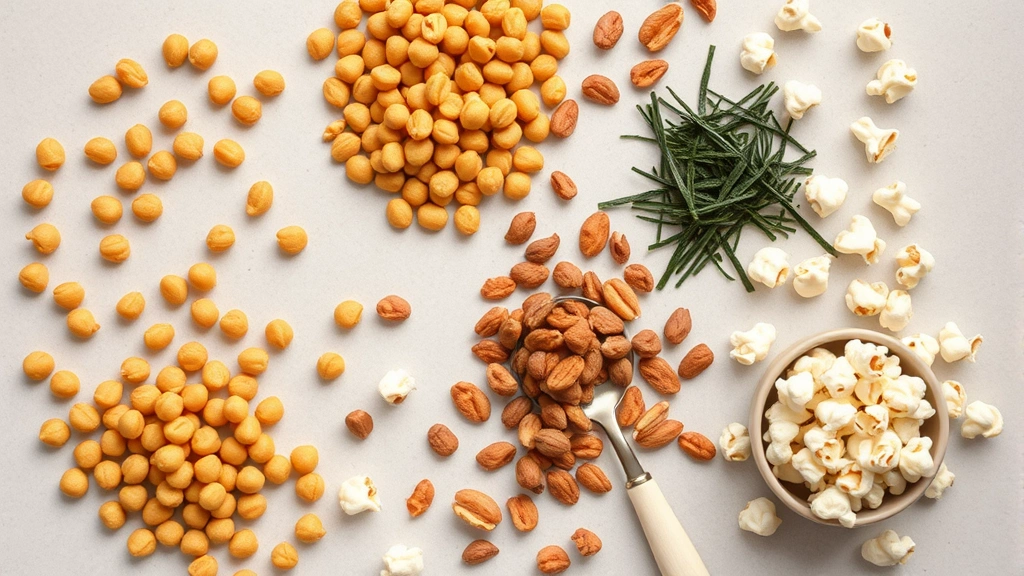
Roasted spiced chickpeas represent an excellent alternative. You can make these at home by tossing canned chickpeas (rinsed and dried) with a small amount of olive oil and spices like chili powder, lime juice, cumin, and salt, then roasting until crispy. This provides protein, fiber, minerals, and the satisfying crunch and spice profile without artificial additives or excessive sodium.
Air-popped popcorn seasoned with nutritional yeast and spices offers another option. Popcorn is a whole grain that provides fiber and can be seasoned with chili powder, lime zest, and minimal salt. The volume is substantial, so you get satisfaction from eating a larger quantity while keeping calories reasonable.
Seaweed snacks deliver that salty, umami satisfaction with minimal calories and added iodine and minerals. Many brands now offer spicy varieties that appeal to Takis enthusiasts. The sodium content is still present but typically lower than Takis, and you’re getting actual nutritional value from sea vegetables.
Homemade tortilla chips made from whole grain tortillas cut into triangles and baked with minimal oil and your choice of seasonings provide control over sodium and additives. You can achieve the spicy kick you want while knowing exactly what’s in your snack.
Roasted nuts and seeds seasoned with spices satisfy the craving for bold flavor and crunch while providing protein, healthy fats, and minerals. A small portion (about 1 ounce) provides sustained satiety and genuine nutritional value.
For those interested in optimizing overall nutrition, understanding how to improve nutrient absorption is important because the quality of foods you choose affects not just what you consume but how effectively your body utilizes those nutrients.
The snacking landscape has evolved considerably, with numerous brands now offering better-for-you versions of popular snacks. Brands using whole grains, natural colorings, and lower sodium levels are increasingly available. While they may cost more than Takis, the investment in health is worthwhile.
FAQ
Are Takis banned anywhere?
Takis are not banned in any major markets, though they’ve faced scrutiny in some regions regarding artificial colorings. The European Union has stricter regulations on artificial food dyes than the United States, but Takis remain legal and available there with modified colorings.
How much sodium is in Takis?
One serving (28g) of standard Takis contains approximately 250mg of sodium. Most people eat 2-3 servings, meaning sodium intake reaches 500-750mg from this snack alone, which is concerning given daily recommendations.
Can kids eat Takis?
While Takis aren’t toxic to children, they’re not recommended as regular snacks. The high sodium content is problematic for developing bodies, and the artificial additives and lack of nutritional value make them poor choices for children whose nutritional needs are particularly important for development.
What’s the difference between Takis varieties?
Different Takis varieties vary slightly in sodium and fat content, with Takis Fuego typically being the highest in heat and sodium. Takis Crunchy Fajitas and other varieties have slightly different seasoning profiles but similar overall nutritional concerns.
Do Takis contain MSG?
Yes, Takis contain monosodium glutamate (MSG) as a flavor enhancer. While FDA-approved, some individuals experience sensitivity reactions, and some research suggests it may affect appetite regulation.
Are Takis vegan?
Most Takis varieties are technically vegan as they don’t contain animal products, though some varieties may contain animal-derived ingredients in flavorings. Always check the specific product label if this is important to you.
What’s the calorie count for Takis?
One serving contains approximately 150 calories, but most people consume 2-3 servings, meaning actual intake is typically 300-450 calories per snacking session.
How do Takis compare nutritionally to other chips?
Takis are similar in calories to traditional chips but higher in sodium and artificial additives. They’re lower in nutrients compared to baked chips or whole grain options, making them among the less healthy chip choices available.


