Table of Contents
Introduction
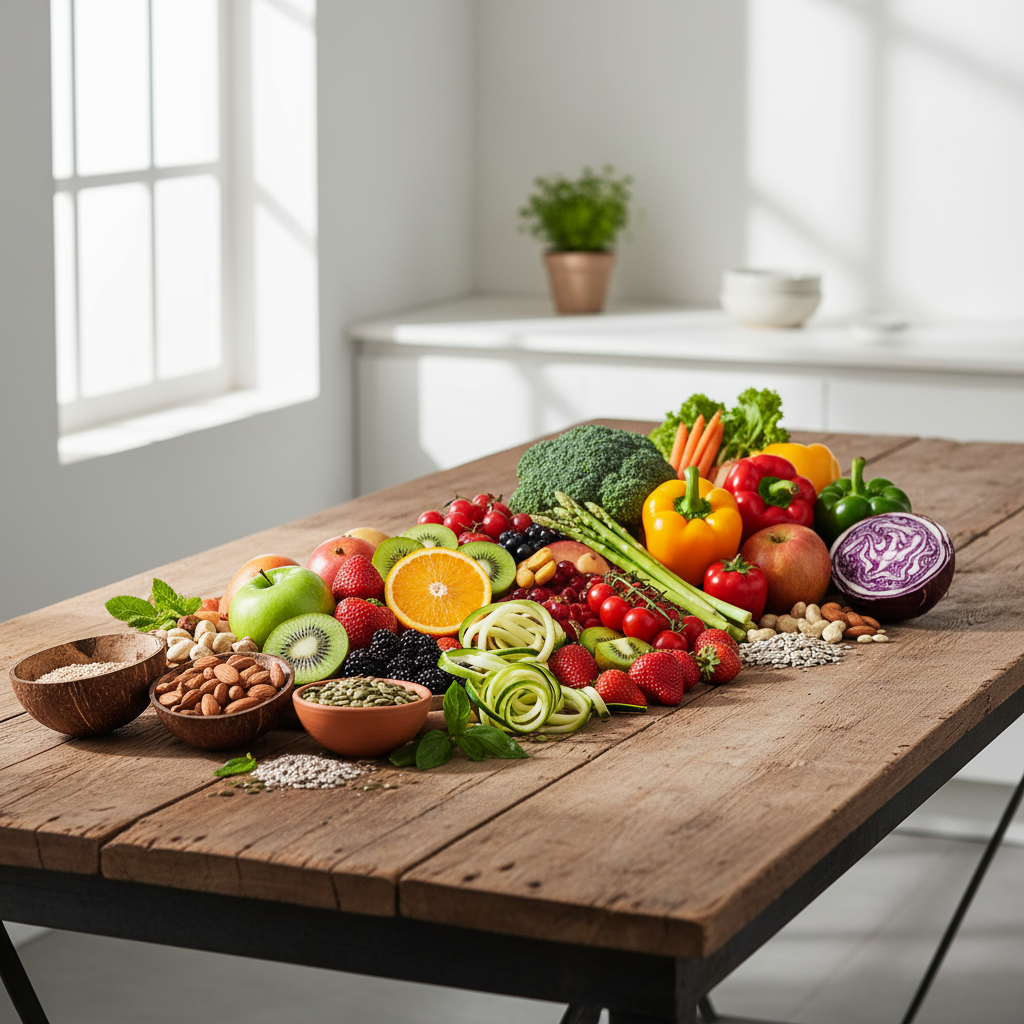
Ever heard someone rave about eating only raw foods and wondered if they’d lost their mind? I get it. The raw food diet sounds pretty extreme at first—no cooking, no heating, just pure, unprocessed ingredients straight from nature. But here’s the thing: there’s actually something compelling about this approach that’s got people talking.
So what’s all the fuss about? The raw food movement centers on one simple idea: keep your food as close to its natural state as possible. No cooking. No processing. Just fresh fruits, vegetables, nuts, and seeds in their original form. And honestly? The logic makes sense. When you think about it, cooking does change food—sometimes in ways that might not be doing us any favors. More people are jumping on board every year, especially as plant-based eating becomes mainstream. If you’ve ever wondered about the importance of dietary fiber, raw foods are basically fiber central. Your digestive system gets a workout in the best possible way.
But wait—there’s more to this story. Raw food enthusiasts swear by something called enzymes. These little helpers naturally exist in uncooked foods, and the theory is that heat destroys them. Keep the enzymes intact, and your body doesn’t have to work as hard to digest everything. Pretty neat, right? Plus, when you start exploring raw staples, you’ll discover that items like nuts and seeds aren’t just crunchy snacks—they’re nutritional powerhouses. The benefits of nuts and seeds become crystal clear when you see how they provide healthy fats and proteins that keep your body humming along nicely.
Now, before you toss your stove out the window, let’s talk reality check. Going raw isn’t all sunshine and smoothie bowls. Food safety becomes a real concern, especially if you’re considering raw animal products (yes, some people do that). And if you’re pregnant or have specific health needs? You’ll want to be extra careful. Understanding proper nutrition for special groups like pregnant women becomes crucial before making any major dietary shifts. The last thing you want is to compromise your health in pursuit of better health.
What You’ll Learn in This Guide
Ready to dive deeper? We’re going to cover everything you need to know about raw food living—the good, the challenging, and the practical stuff that actually matters:
- The Fundamentals of a Raw Food Diet: We’ll break down exactly what counts as “raw,” which foods make the cut, and the nutritional science that makes this lifestyle tick.
- Health Benefits Explored: Get the real scoop on how raw foods might boost your digestion, energy levels, and weight management—without the hype.
- Risks and Food Safety: This is the stuff nobody talks about enough. We’ll cover how to handle raw foods safely and avoid nutritional gaps that could trip you up.
- Transitioning with Confidence: Step-by-step guidance for making the switch without shocking your system (or your social life).
Throughout this journey, we’ll connect the dots between raw food principles and broader nutrition wisdom. Many people find it helpful to understand how raw eating fits into a healthy nutrition plan overall. Because let’s be honest—sustainable eating is about finding what works for your life, not following someone else’s rigid rules.
Whether you’re thinking about a weekend raw food experiment or considering a complete lifestyle overhaul, this guide has your back. We’ll tackle the questions everyone’s too embarrassed to ask, separate fact from fiction, and give you practical advice that actually works in the real world. You’ll learn where to shop, how to prep meals that don’t taste like cardboard, and most importantly—how to listen to your body throughout the process.
Sound good? Let’s dig into what raw food living is really all about and figure out if this approach might just be the refresh your health has been waiting for.
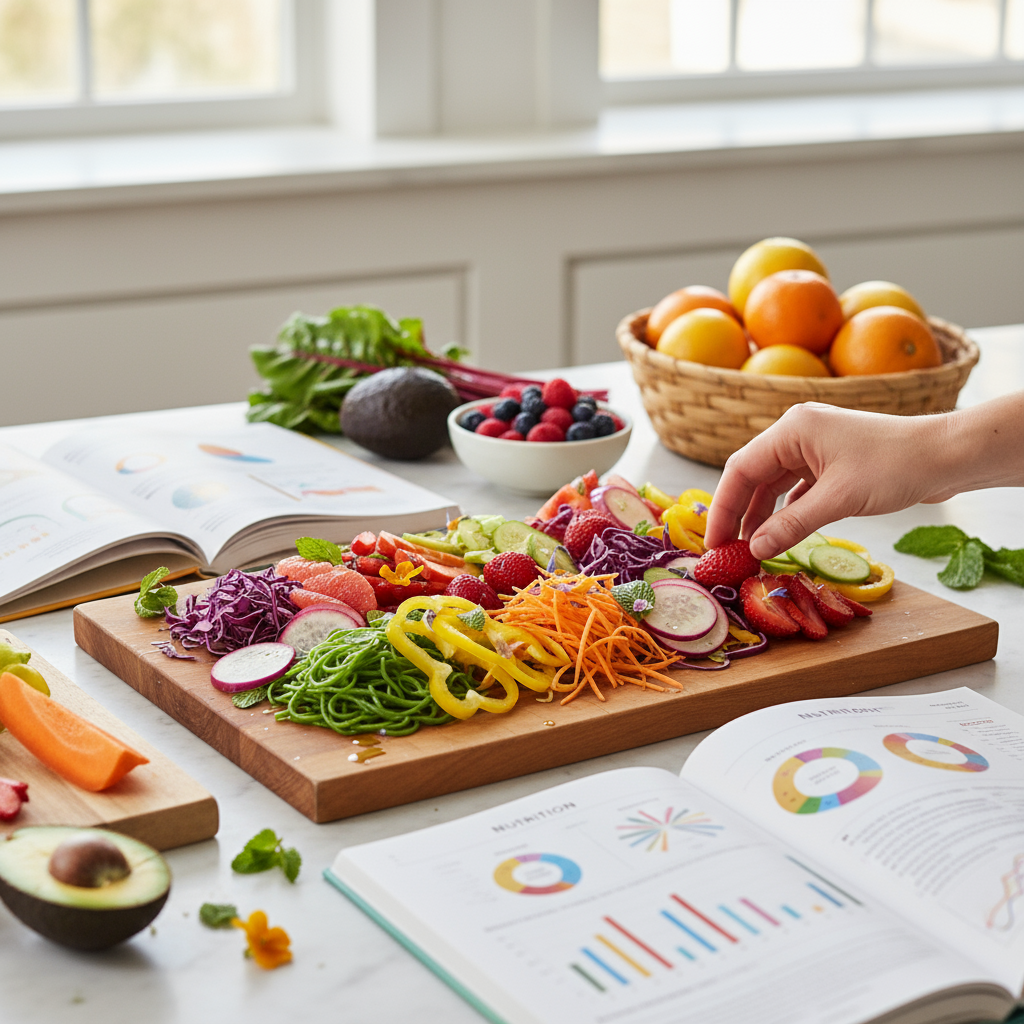
More people are getting curious about raw food diets these days—and honestly, it makes sense. There’s something appealing about eating foods the way nature intended, right? The idea is pretty straightforward: skip the cooking and processing to keep all those natural enzymes and nutrients intact. But before you start munching on raw carrots for every meal, let’s talk about what this lifestyle actually involves and whether it might work for you.
Understanding the Fundamentals of a Raw Food Diet
Here’s the deal with raw food diets: you’re basically eating everything uncooked or as minimally processed as possible. We’re talking fresh fruits, vegetables, nuts, seeds—and yes, some people even include raw meats and fish (though that’s where things get a bit more complicated). The whole point? Keep those heat-sensitive nutrients and enzymes that cooking tends to destroy.
Now, don’t worry—this doesn’t mean you’re stuck eating bland salads forever. The variety might actually surprise you. Fresh fruits give you natural sugars and tons of vitamins. Vegetables pack in fiber and antioxidants. Nuts and seeds? They’re like little powerhouses of healthy fats and protein. Some raw food enthusiasts even venture into raw animal products, but that requires serious attention to sourcing and safety. (We’ll get into that later.) The beauty is you can adapt this approach to fit your comfort level and preferences.
Key Components of the Raw Food Diet
Let’s break down what you’ll actually be eating on a raw food diet:
- Fruits and Vegetables: These are your main players—think of them as nature’s multivitamins. They’re loaded with essential vitamins, minerals, and antioxidants that help keep your body running smoothly and fight off disease.
- Nuts and Seeds: These little guys are nutritional goldmines. They provide healthy fats, protein, and fiber that help keep your energy steady throughout the day and give your body what it needs to thrive.
- Raw Meats and Fish: This is where things get serious. While they offer high-quality proteins and nutrients, you absolutely must know your sources and handle them with extreme care to avoid getting sick.
- Sprouted and Fermented Foods: Often overlooked but incredibly valuable, sprouted grains and fermented foods can boost nutrient absorption and support your digestive system naturally.
Going raw isn’t just about changing what you eat—it’s about learning a whole new way to think about food. You’ll need to understand proper food handling, know where to source quality ingredients, and get familiar with the nutritional profiles of different foods. Think of it as becoming your own nutrition detective.
Once you understand the basics, you can start to see how this way of eating might affect your body and overall health. And that’s where things get really interesting.
Health Benefits and Practical Considerations of a Raw Food Diet
So what’s all the fuss about? Raw food enthusiasts swear by the benefits—better digestion, more energy, easier weight management, and higher nutrient intake. The theory is that when you preserve those natural enzymes and avoid cooking out the nutrients, your body can absorb and use everything more efficiently. Sounds pretty good, right? But there’s more to the story.
The high fiber content in raw foods is genuinely great for your gut. Your digestive system will thank you with better regularity and a healthier microbiome. Those preserved enzymes can help break down food more effectively too. But here’s the reality check: if you’re including raw animal products, you’re playing with fire if you don’t handle them properly. Foodborne illnesses are no joke. You’ll also need to pay attention to getting enough protein, healthy fats, and essential vitamins—sometimes that means supplements.
Important Health and Safety Aspects
Before you jump in, consider these crucial factors:
- Digestive Health: All that fiber will keep your gut happy and regular, while natural enzymes help your body break down and absorb nutrients more effectively. Your digestive system might feel better than it has in years.
- Weight Management: Raw foods are typically low in calories but high in nutrients, which means you can feel satisfied while maintaining a healthy weight. Plus, you’re automatically cutting out most processed junk.
- Improved Nutrient Intake: Fresh, uncooked foods keep their vitamins and minerals intact, potentially boosting your overall health, energy levels, and immune function. It’s like upgrading your body’s fuel quality.
- Food Safety and Balance: This is where you need to be smart. Raw animal products require impeccable sourcing and handling. And yes, you might need supplements to hit all your nutritional targets—there’s no shame in that.
The key is being realistic about both the benefits and the challenges. If you’re thinking about trying this approach, start slowly and keep track of how your body responds. And definitely consider chatting with a healthcare professional to make sure you’re doing it safely.

So, you’re thinking about going raw? It’s a big step—one that means eating foods exactly as nature intended. Fresh fruits, crisp vegetables, nuts, seeds, and yes, sometimes even raw meats and fish. The whole point? Your body gets every vitamin, mineral, and enzyme that cooking would normally destroy. Plus, all that fiber does wonders for your digestive system (and let’s be honest, your waistline too).
But here’s the reality check. This isn’t just about tossing out your stove and calling it a day. Food safety becomes your new best friend, especially if you’re including raw animal products. One slip-up in sourcing or prep, and you’re dealing with bacteria you definitely don’t want. And getting enough protein? That takes some serious planning. Sometimes you’ll need supplements to fill the gaps—and that’s perfectly okay.
Ready to take the plunge? Start smart. A solid healthy nutrition plan will help you create balanced meals that actually work for your body. If you’re pregnant or have special health needs, definitely check out resources like nutrition for pregnant women first. Want to boost your nutrient game? Dive into the benefits of nuts and seeds—they’re raw food superstars. And don’t forget your mental health in all this; our guide on nutrition and mental health shows how what you eat affects how you feel.
Look, the raw food lifestyle isn’t for everyone, but it can be incredible for the right person. More energy, better digestion, easier weight management—the benefits are real. Just remember to ease into it. Your body needs time to adjust, and you need time to figure out what works. With the right approach and a little patience, you might just discover a way of eating that transforms how you feel every single day.
Frequently Asked Questions
-
Is a raw food diet suitable for everyone?
- Not everyone may benefit; individual health conditions matter.
-
Can I eat raw meat safely?
- Proper sourcing and hygiene are crucial to avoid risks.
-
How quickly can I see benefits?
- Benefits vary but some people notice changes within weeks.
-
Should I take supplements?
- Supplements may be necessary to meet all nutrient needs.
-
How do I start transitioning?
- Begin gradually with planning and professional guidance.