Table of Contents
Introduction
Here’s something that might surprise you: some of the most powerful health foods are sitting right there in your pantry. I’m talking about whole grains—those humble ingredients that can completely transform how you feel, think, and move through your day. Picture this: foods that actually taste good, keep you satisfied for hours, and work behind the scenes to protect your heart, boost your brain power, and keep your digestive system running smoothly. Whether you’re already on a health kick or just starting to think about eating better, whole grains deserve a spot on your radar.
You’ve probably heard the buzz about whole grains lately. There’s good reason for it. Unlike their stripped-down cousins (refined grains), whole grains keep all their original parts—the bran, germ, and endosperm. Think of it like the difference between a whole apple and apple juice. All those layers matter because they’re packed with fiber, vitamins, minerals, and antioxidants that your body actually craves. That’s why whole grains show up in pretty much every healthy nutrition plan worth following. We’re talking about real food here—the kind that doesn’t need a chemistry degree to understand the ingredient list.
Let’s talk about fiber for a minute. This stuff is like your digestive system’s best friend. It keeps things moving (if you know what I mean), helps steady your blood sugar so you don’t crash after meals, and can even help with weight management. But here’s what really gets me excited about dietary fiber: it feeds the good bacteria in your gut, and those little guys work overtime to keep your whole body healthy. Plus, whole grains don’t just stop at fiber. They’re loaded with B vitamins for energy, iron for healthy blood, magnesium for muscle function, and antioxidants that fight inflammation. It’s like getting a multivitamin in food form.
Now here’s where things get really interesting. Ever notice how some foods make your brain feel foggy while others help you think clearly? That’s not your imagination. The connection between what you eat and how your brain works is real, and whole grains play a starring role. They provide steady, sustained energy through complex carbs—no sugar crashes here—plus nutrients that directly support cognitive function and mood stability. When you dive into nutrition and mental health, you’ll see just how much your food choices influence everything from stress levels to memory. And if you want to take it up a notch, pairing whole grains with brain-boosting foods or sipping some antioxidant-rich herbal teas can create a pretty powerful wellness routine.
What You’ll Learn in This Guide
Ready to become a whole grain pro? This guide has everything you need to understand these nutritional champions and start putting them to work in your kitchen. No matter where you’re starting from—complete beginner or someone who just wants to level up their game—you’ll find practical, science-backed information that actually makes sense.
- Understanding Whole Grains: We’ll break down what makes whole grains special, how they stack up against refined grains, and why that difference is such a big deal for your health. You’ll also discover some amazing whole grains you might not have tried yet (and trust me, there are some real gems out there).
- Health Benefits Explored: Get ready for some eye-opening insights about how whole grains can protect your heart, support your digestive system, and help with weight management. We’ll dig into the science, but don’t worry—I’ll keep it interesting and easy to understand.
- Practical Tips for Diet Integration: This is where the rubber meets the road. You’ll get real-world advice on shopping for whole grains, simple ways to swap them into meals you already love, and some foolproof recipes that’ll make the transition feel effortless.
- Considerations and Special Cases: Because everyone’s different, we’ll cover important stuff like allergies, intolerances, and when it makes sense to check with your doctor. Your health journey should be safe and tailored to you.
Ready to dig deeper? We’re going to start by getting you comfortable with the whole grains family—what they are, how they work, and all the different varieties waiting to spice up your meals. Everything we cover will be backed by solid science, but presented in a way that’s actually useful for your daily life.
From there, we’ll walk through simple, realistic strategies to make whole grains a natural part of how you eat. No complicated meal plans or fancy equipment needed—just smart swaps and tasty ideas that’ll have you wondering why you didn’t start sooner. And because I want you to feel confident in your choices, we’ll also tackle any concerns or special situations you might be dealing with.
By the time you finish this guide, you’ll have everything you need to make whole grains work for your lifestyle, your taste buds, and your health goals. Small changes, big results—that’s what we’re after. Let’s get started on this journey toward feeling your absolute best.
Now let’s dig into what makes whole grains such powerhouses for your health. Here’s the thing—whole grains aren’t just trendy health food. They’re completely different from refined grains in ways that can seriously impact how you feel every day. When you choose whole grains, you’re getting real nutrition that supports your heart, helps your digestion, and can even make weight management easier. We’re going to walk through exactly why these grains deserve a spot on your plate and how the science backs up what many of us have suspected all along.
What Are Whole Grains and Their Key Health Benefits
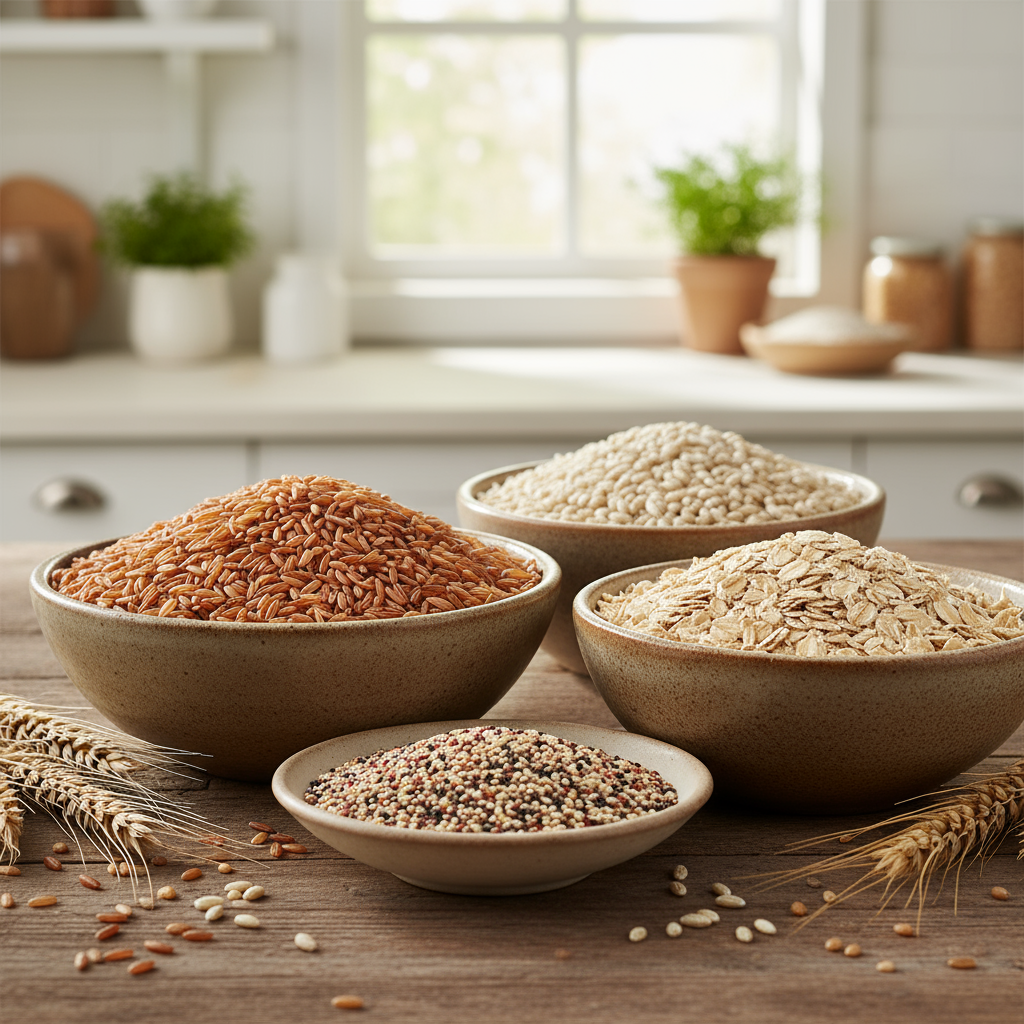
Think of whole grains as the “complete package.” While refined grains get stripped down during processing (losing the bran and germ), whole grains keep all three parts: the bran, germ, and endosperm. That means you’re getting fiber, vitamins, minerals, and antioxidants that refined grains simply can’t offer. We’re talking about foods like brown rice, oats, barley, quinoa, and whole wheat—ingredients that can transform how nutritious your meals are. The research on this stuff is pretty impressive, and once you see what whole grains actually do in your body, you’ll understand why nutritionists get so excited about them.
Here’s where it gets interesting: whole grains are like a best friend to your heart. Studies consistently show that people who eat whole grains regularly have better cholesterol levels and healthier blood pressure. The fiber in these grains works behind the scenes, improving your lipid profile and fighting inflammation—basically giving your cardiovascular system some serious backup. But that’s not all. Your digestive system loves whole grains too. They keep things moving (if you know what I mean), feed the good bacteria in your gut, and help your body absorb nutrients better. Plus, here’s a bonus many people don’t expect: whole grains help you feel full longer, which naturally helps with weight management. No tricks, no gimmicks—just real food doing what it’s supposed to do.
Key Aspects of Whole Grains and Their Health Benefits
Let’s break down why whole grains are such nutritional champions:
- Complete Nutrient Retention: Unlike their processed cousins, whole grains keep all their good stuff—dietary fiber, B vitamins, antioxidants, iron, and magnesium. This complete nutrition profile means your body gets steady fuel for metabolism and daily energy without the crashes.
- Cardiovascular Health Support: Replace refined grains with whole grains, and your heart will thank you. Research shows this simple swap can lower your LDL (bad) cholesterol and help stabilize blood pressure over time, significantly cutting your heart disease risk.
- Enhanced Digestive Wellness: That high fiber content isn’t just for show—it prevents constipation, helps regulate blood sugar, and feeds the beneficial bacteria in your gut. A happy gut means a stronger immune system.
- Satiety and Weight Regulation: Ever notice how a bowl of oatmeal keeps you satisfied longer than a sugary cereal? Whole grains naturally help you feel full, making it easier to control portions and maintain a healthy weight without constantly fighting hunger.
Understanding these benefits gives you the confidence to make whole grains a regular part of your routine. They’re not just carbs—they’re multitasking nutritional powerhouses that work on multiple levels to support your health.
Strategic Ways to Incorporate Whole Grains Into Your Diet for Optimal Benefits
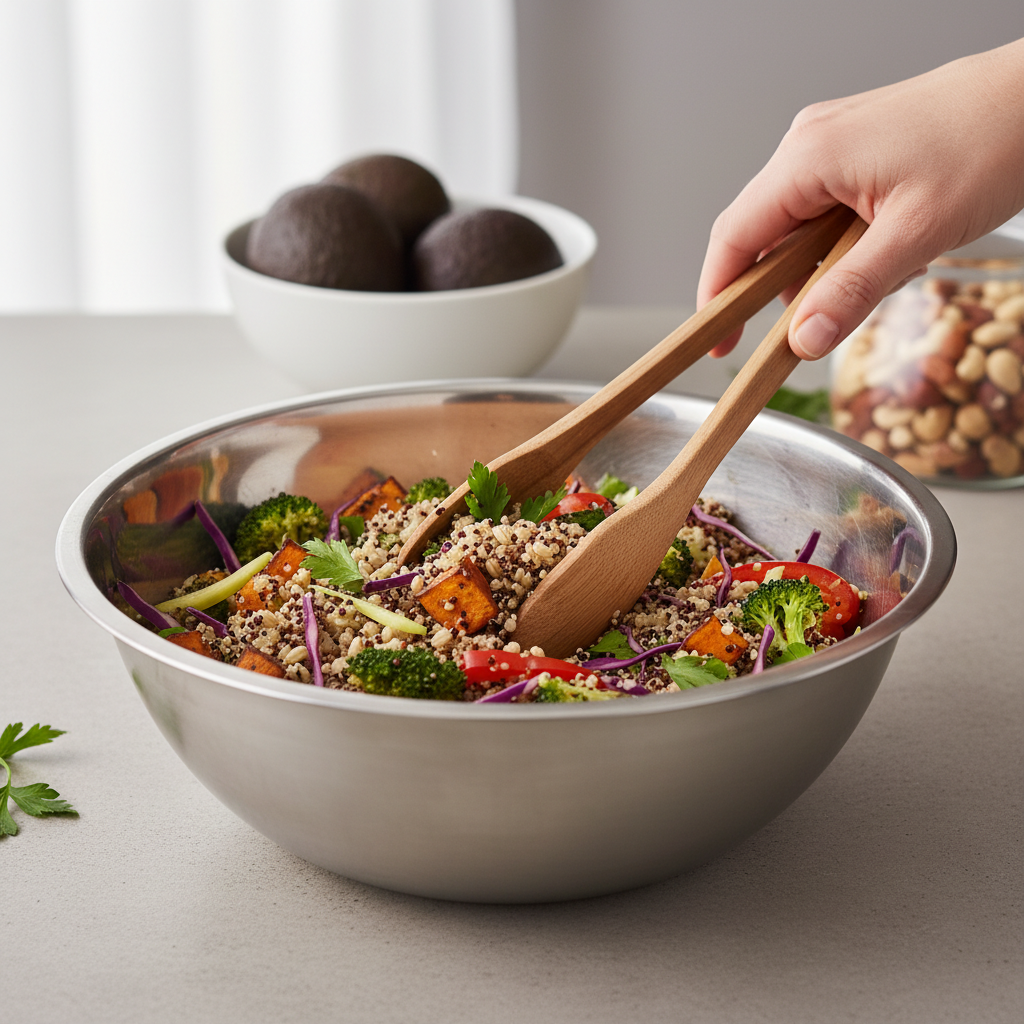
Okay, so you’re convinced whole grains are worth it. Now what? The good news is that adding them to your diet doesn’t require a complete kitchen overhaul. Start simple: swap your usual cereal for a whole grain version at breakfast, try quinoa in your next salad, or choose brown rice instead of white for dinner. Small changes like these can make a big difference without overwhelming your routine. And here’s a pro tip: learn to read labels like a detective. Look for “100% whole grain” or make sure whole grains are listed as the first ingredient. This way, you’re getting the real deal, not clever marketing.
Want to keep things interesting? Branch out beyond the basics. Grains like farro, millet, and teff might sound exotic, but they’re surprisingly easy to work with and bring new flavors to your table. Try mixing whole grains with legumes, vegetables, and healthy fats—your taste buds (and your body) will appreciate the variety. Remember, the goal isn’t perfection; it’s progress. Pair your whole grain choices with good hydration and mindful eating habits, and you’ll amplify all those health benefits we talked about.
Key Aspects of Incorporating Whole Grains
Here’s your practical roadmap for making whole grains a natural part of your eating routine:
- Meal Planning and Balanced Diet: Build your meals around whole grains as the foundation, then add proteins and vegetables. This approach ensures you’re getting steady fiber and creates naturally balanced, energizing meals that keep you satisfied.
- Smart Shopping Tips: Become a label reader! Look for “100% whole grain” on packages, or check that whole grains appear first in the ingredient list. Don’t let sneaky marketing terms fool you into buying refined grains in disguise.
- Variety and Culinary Flexibility: Don’t get stuck in a rut. Experiment with quinoa, barley, bulgur, or wild rice in your favorite recipes. This variety keeps your meals exciting while maximizing the range of nutrients you’re getting.
- Meal Preparation Ideas: Make whole grains work for your lifestyle. Try overnight oats for busy mornings, grain bowls for lunch, or simple pilafs as dinner sides. Having go-to recipes makes it easy to stick with healthier choices consistently.

Here’s the bottom line: whole grains are some of the best foods you can eat. And now you know exactly why. We’ve covered what makes them different from their refined cousins (hint: it’s all about keeping that bran, germ, and endosperm intact), and the incredible ways they benefit your body. Your heart gets stronger with lower cholesterol and better blood pressure. Your digestion runs smoother thanks to all that fiber. And yes, they actually help you manage your weight by keeping you satisfied longer. Whether you choose brown rice, oats, quinoa, or barley, you’re giving your body exactly what it needs.
The science behind these benefits is pretty fascinating when you think about it. Whole grains are like multitaskers—they feed the good bacteria in your gut, provide steady energy for your brain, and even help stabilize your mood. That’s a lot of work for something so simple! Plus, you’re getting B vitamins, magnesium, and antioxidants that keep your metabolism humming and inflammation in check. When you make whole grains a regular part of your meals, you’re basically investing in long-term health insurance.
Ready to put this knowledge into action? Start with our comprehensive guide on whole grain benefits—it’ll give you even more reasons to love these foods. Then dive into our resource about the importance of dietary fiber, because fiber is where the magic really happens. And if you want to see how whole grains fit into the bigger picture, check out our healthy nutrition plan that shows you exactly how to build balanced meals. You’ll find recipes, shopping tips, and strategies that actually work in real life.
Want to take things up a notch? Consider pairing your whole grain journey with some herbal tea. Our friends at Wealthy Sphere have a great piece on the health benefits of drinking herbal tea—those antioxidants and digestive benefits complement a whole grain diet perfectly. It’s all about building habits that work together to make you feel amazing. Small changes, big results.
You’ve got everything you need to make this happen. The knowledge, the resources, the understanding of why it matters. Now it’s time to transform your meals into something that truly nourishes you—body and mind. Your heart will thank you, your digestive system will run like clockwork, and managing your weight becomes so much easier when you’re actually satisfied after eating. Take that first step today. Your future self will be grateful you did.
Frequently Asked Questions
-
What distinguishes whole grains from refined grains?
- Whole grains retain all parts of the grain—the bran, germ, and endosperm—while refined grains have the bran and germ removed, leading to loss of fiber and nutrients.
-
Can whole grains help with weight loss?
- Yes, the fiber in whole grains promotes fullness and helps regulate appetite, supporting healthy weight management.
-
Are whole grains suitable for people with gluten intolerance?
- Some whole grains contain gluten, but alternatives like quinoa and brown rice are gluten-free options suitable for those with gluten sensitivity.
-
How can I tell if a product is truly whole grain?
- Look for labels indicating “100% whole grain” or check that whole grains are listed as the first ingredient on packaging.