
Table of Contents
Introduction
Picture this: It’s Sunday evening, and instead of staring blankly into your fridge wondering what to cook this week, you already know exactly what’s on the menu. Sounds pretty great, right? That’s the magic of meal planning—and trust me, once you get the hang of it, you’ll wonder how you ever lived without it. Whether you’re juggling a demanding job, wrangling kids, or just trying to eat better without losing your sanity, meal planning can be a total game-changer.
Here’s the thing about meal planning—it’s not just about figuring out what to eat (though that’s certainly part of it). It’s about creating a system that actually works for your life. When you take a little time upfront to map out your meals, something amazing happens. You stop throwing away wilted vegetables. Your grocery bill shrinks. And you actually start eating those healthy foods you keep promising yourself you’ll include in your diet. Nutrition experts will tell you that planning ahead helps with balanced eating and portion control, but honestly? The real win is feeling like you’ve got your act together. If you’re just starting your journey toward healthier eating, checking out a healthy nutrition plan can give you a solid foundation to work from.
Let’s talk money for a second. Families who plan their meals typically spend way less at the grocery store and waste fewer ingredients. That’s more cash in your pocket and fewer guilt-inducing science experiments growing in your crisper drawer. Plus, when you’re prepared, you’re not scrambling at 6 PM trying to figure out dinner—which means less stress and more time for the things that actually matter to you. Batch cooking on weekends or investing in a few time-saving gadgets can make busy weeknights so much easier. And if you’re curious about how your food choices affect more than just your waistline, exploring nutrition and mental health reveals some pretty fascinating connections.
Now, I won’t sugarcoat it—meal planning isn’t always smooth sailing. You might have picky eaters at home. Your schedule might be completely unpredictable. Maybe you’re worried about eating the same boring meals over and over again. But here’s what I’ve learned: these challenges aren’t roadblocks—they’re just puzzles to solve. You can work around picky preferences by including family favorites and sneaking in new foods gradually. Crazy schedule? Focus on quick recipes and smart leftover strategies. With all the apps, websites, and kitchen gadgets available today, there’s seriously a tool for every meal planning challenge you can think of. Whether you’re dealing with food allergies, following a vegetarian diet, or accommodating other special needs, you can absolutely make meal planning work for your situation.
What You’ll Learn in This Guide
This guide is going to walk you through everything you need to know about meal planning—from the basics to the advanced tricks that’ll save your sanity. Here’s what we’re covering:
- Understanding the Benefits: We’ll dive into how meal planning can transform your health, your budget, and your daily routine. You’ll see why this one habit can create such a ripple effect of positive changes.
- Creating a Weekly Menu: I’ll show you how to pick recipes that actually work for your life, organize your meals, and build a menu that hits all your nutritional goals without making you miserable.
- Efficient Shopping Strategies: Learn the art of the grocery list—how to create one that saves you money, time, and those frustrating “I forgot something” moments.
- Overcoming Challenges: Real talk about dealing with picky eaters, time crunches, and keeping your meals interesting enough that you’ll actually stick with the plan.
By the time you finish reading this, you’ll have everything you need to start meal planning with confidence—even if you’ve never done it before. Whether your goal is to streamline your cooking routine, eat healthier, or just stop feeling overwhelmed every time dinner rolls around, we’ve got you covered.
Ready to dig in? We’re going to start by exploring exactly why meal planning works so well and then move into the nitty-gritty of creating your own personalized system. I’ll also share some of my favorite tools and resources that make the whole process easier (and honestly, kind of fun). These strategies can completely change how you think about meals and grocery shopping—turning what feels like a chore into something that actually supports your goals. Before we dive deeper, you might want to check out this guide on portion control—it pairs perfectly with meal planning for anyone focused on mindful eating and weight management.
Here’s what I promise: by the end of this article, you’ll have a clear, doable plan for meal planning success. One that fits your real life, not some Pinterest-perfect fantasy. Let’s get started.
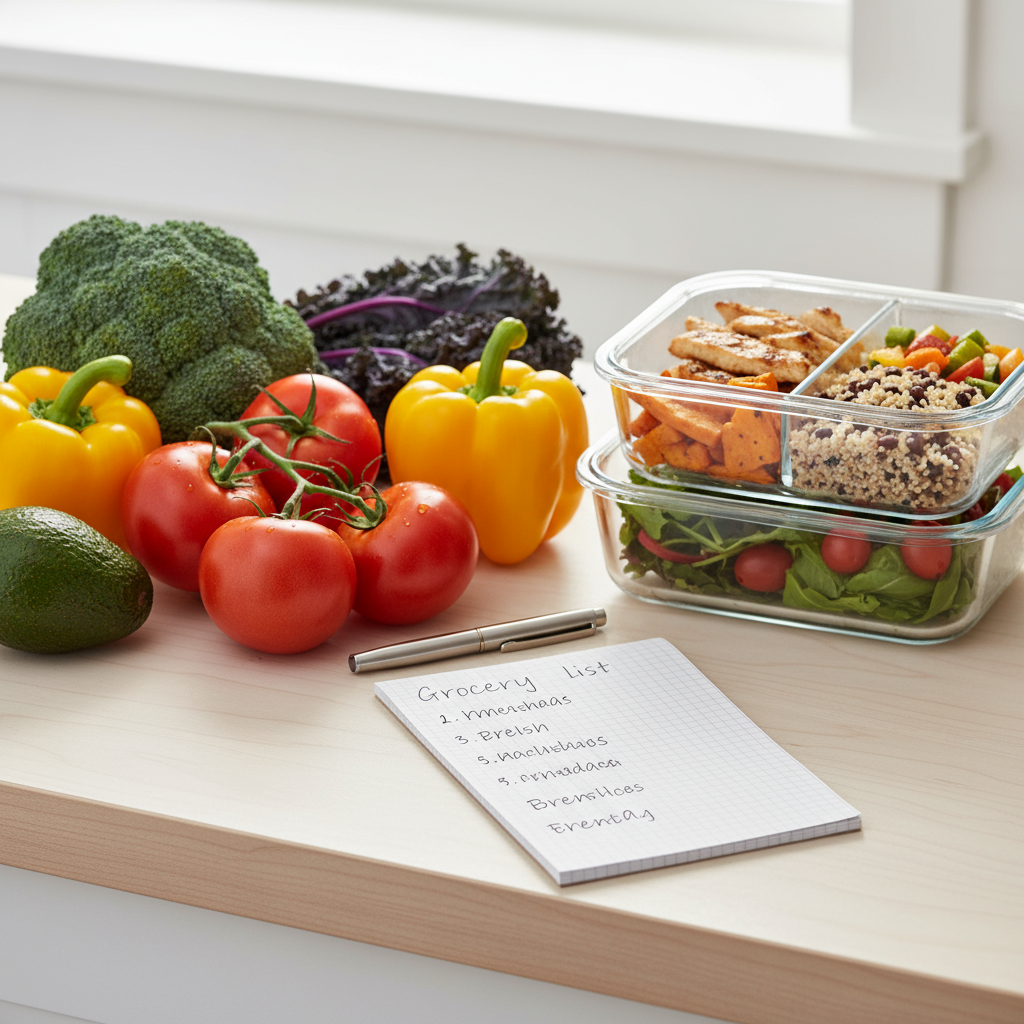
Here’s something that changed my life: meal planning. Sounds boring, right? But stick with me for a minute. When you take just a little time to organize your meals ahead of time, everything else starts falling into place. You’ll make better food choices (because you’re not standing in your kitchen at 6 PM wondering what the heck to eat), you’ll stress less about dinner, and you’ll actually save time during the week. Plus, you get to eat foods you actually enjoy while hitting your nutrition goals. Let’s dive into why meal planning works so well and how you can make it work for your life.
Benefits of Meal Planning for Nutrition and Lifestyle
Meal planning isn’t just about knowing what’s for dinner. It’s way bigger than that. When you plan your meals intentionally, you’re setting yourself up for better health, smarter spending, and—honestly—a much easier week. Think about it: when you plan ahead, you naturally end up with more balanced meals and better portion control. No more grabbing whatever’s convenient and calling it dinner. A healthy nutrition plan shows you exactly how meal planning helps you hit all those food groups and nutritional needs without overthinking it.
Your wallet will thank you too. When you plan your meals, you buy exactly what you need—no more impulse purchases or letting food go bad in your fridge. (We’ve all been there with that bag of spinach that somehow turned into green mush.) This approach to grocery shopping saves real money and keeps your kitchen from becoming a graveyard of good intentions. But here’s what really gets me excited about meal planning: it frees up your mental energy. No more decision fatigue about what to eat. No more scrambling to throw something together. You can batch cook, use quick recipes, and actually have time for the things you enjoy. It’s like those time management skills that make everything in your life run smoother.
Key Aspects of Meal Planning Benefits
Let’s break down why meal planning works so well. These are the game-changers:
- Balanced Nutrition and Portion Control: When you plan your meals, you’re thinking about the whole picture. You naturally include more fruits, vegetables, proteins, and whole grains because you’re being intentional about it. Plus, you’re less likely to overeat when you’ve already decided what’s on your plate.
- Financial Savings and Food Waste Reduction: This one’s huge. You buy what you need, use what you buy, and stop throwing money away on food that expires before you eat it. Your grocery budget will actually make sense, and you’ll feel better about not wasting food.
- Enhanced Time Management and Meal Preparation: Planning ahead eliminates that daily “what should I eat?” struggle. Batch cooking becomes your friend, grocery trips get faster, and you’ll have ready-to-eat options waiting for you. More time for Netflix? Yes, please.
- Support for Special Dietary Needs: Whether you’re dealing with allergies, following a vegetarian diet, or working toward fitness goals, meal planning lets you customize everything to fit your needs. No more wondering if you’re getting enough protein or accidentally eating something you shouldn’t.
Once you experience these benefits, meal planning becomes less of a chore and more of a lifestyle upgrade. Ready to learn how to make it happen? Let’s talk strategy.
Essential Tips for Creating and Maintaining an Effective Meal Plan
Creating a meal plan that actually works takes some upfront thinking, but it’s not rocket science. Start with a simple weekly menu—pick recipes you actually want to eat and that fit your schedule. You’re not trying to become a gourmet chef overnight. Just focus on meals that sound good and meet your nutritional needs. And speaking of portions, understanding portion control techniques will help you manage calories without feeling deprived.
Once you’ve got your menu sorted, make a grocery list that actually makes sense. Group similar items together so you’re not zigzagging all over the store. Then comes the real time-saver: batch cooking. Spend a couple hours on Sunday (or whenever works for you) preparing bigger portions that you can use throughout the week. It’s like having a personal meal prep service, except it’s just you being smart about your time. These habits work the same way as other time management strategies—a little organization upfront saves you tons of time later.
Key Strategies for Effective Meal Planning
Here’s your action plan for meal planning success:
- Start with a Weekly Menu: Pick recipes that you’ll actually enjoy eating and that fit your nutritional goals. Schedule them for specific days so you’re not making decisions when you’re already hungry and tired.
- Create a Detailed Grocery List: Base your list on your planned menu and organize it by store sections. This keeps you focused, speeds up shopping, and prevents those “oh, that looks good” impulse buys that blow your budget.
- Batch Cooking and Prepping: Use your free time to prepare meals or meal components in larger quantities. Freeze what you won’t eat right away, and you’ll have homemade options ready when life gets busy.
- Incorporate Flexibility and Variety: Don’t make your meal plan so rigid that it becomes a prison. Mix up your recipes, try new cuisines, and leave room for spontaneous dinner plans. The goal is to make your life easier, not more stressful.

Here’s what I’ve learned about meal planning over the years—it’s a game-changer. Not just for what you eat, but for how you live. When you take a few minutes to plan your meals ahead of time, something magical happens. You start eating better without even trying. Portion control becomes natural. And those 6 PM panic moments when you’re staring into an empty fridge? Gone. You’ll also watch your grocery bills shrink (seriously, no more impulse buys) and your food waste practically disappear. From batch cooking on Sundays to creating grocery lists that actually make sense, these simple strategies turn mealtime chaos into something manageable—even when life gets crazy.
Now, let’s be real about this. The key to sticking with meal planning? Don’t make it boring. Mix things up. Try that Thai recipe you bookmarked three months ago. Rotate between your family favorites and new adventures. Got a picky eater at home? I get it—but there are workarounds. Quick 15-minute recipes become your best friend. Leftovers transform into tomorrow’s lunch (or tonight’s dinner with a twist). And here’s something cool: meal planning apps and kitchen gadgets can actually make this fun instead of feeling like homework. The goal isn’t perfection—it’s finding what works for your real life, not some Instagram-perfect version of it.
Ready to dive in? Start with the foundation. A solid healthy nutrition plan gives you the roadmap for balanced, delicious meals that actually fit your goals and taste buds. But here’s where most people trip up—portions. Our guide on portion control for weight loss shows you how to take charge of your intake without feeling like you’re on some miserable diet. And don’t forget your brain in all this. The connection between nutrition and mental health is fascinating—certain foods actually boost your mood and mental clarity. If you’re leaning toward plant-based eating, check out our vegetarian meal prep ideas for practical inspiration that saves time, cuts waste, and keeps your meals interesting.
Here’s a pro tip that changed everything for me: pair your meal planning with solid time management skills. When you nail your schedule and know how to prioritize, meal prep stops feeling like another item on your endless to-do list. Instead, it becomes this smooth part of your week that actually reduces stress. Think about it—when you’ve got your meals sorted, you’ve got one less decision to make during those hectic weekdays. That’s mental space you can use for things that really matter.
Look, meal planning isn’t just about food. It’s about taking control of your health, your time, and honestly? Your sanity. With good nutrition knowledge, portion awareness, some variety in your meal rotation, and smart scheduling, you can turn mealtime from a daily source of stress into something you actually look forward to. Want to keep building these skills? Our comprehensive guide on crafting a healthy nutrition plan will take you deeper into creating lasting, vibrant health. Every thoughtful choice you make—whether it’s prepping veggies on Sunday or trying a new recipe—is an investment in a healthier, happier you. And that’s worth celebrating.
Frequently Asked Questions
-
How far in advance should I plan my meals?
- Planning one week ahead is ideal as it provides a balance of organization and flexibility, allowing you to adapt to unexpected schedule changes while reducing last-minute stress.
-
Can meal planning help with weight loss?
- Yes, meal planning promotes portion control, balanced nutrition, and reduces impulsive eating, all of which are effective strategies to support sustainable weight loss.
-
What if I don’t like cooking every day?
- Batch cooking and using leftovers can significantly lessen daily cooking demands, allowing you to enjoy homemade meals with less frequent kitchen time.
-
Are there meal planning options for special diets?
- Absolutely. Meal plans can be customized to accommodate allergies, vegetarianism, or other dietary needs, ensuring you maintain both nutrition and enjoyment.