Tito’s Vodka: Nutritional Facts & Health Tips
Tito’s Handmade Vodka has become one of America’s most recognizable spirit brands, known for its craft distillation process and smooth taste. However, beyond the marketing and brand prestige, many consumers wonder about the actual nutritional composition of this popular vodka and what health considerations come with regular consumption. Understanding Tito’s nutritional value requires examining both the spirit itself and the broader context of alcohol consumption in a balanced lifestyle.
As a craft vodka made from corn in Austin, Texas, Tito’s presents an interesting case study for those interested in the nutritional profile of distilled spirits. Unlike beer or wine, vodka contains minimal to no carbohydrates, sugars, or nutrients in its pure form. Yet the way it’s produced, consumed, and incorporated into cocktails can significantly impact its overall health implications. This comprehensive guide explores everything you need to know about Tito’s vodka from a nutritional and health perspective.
Tito’s Nutritional Breakdown
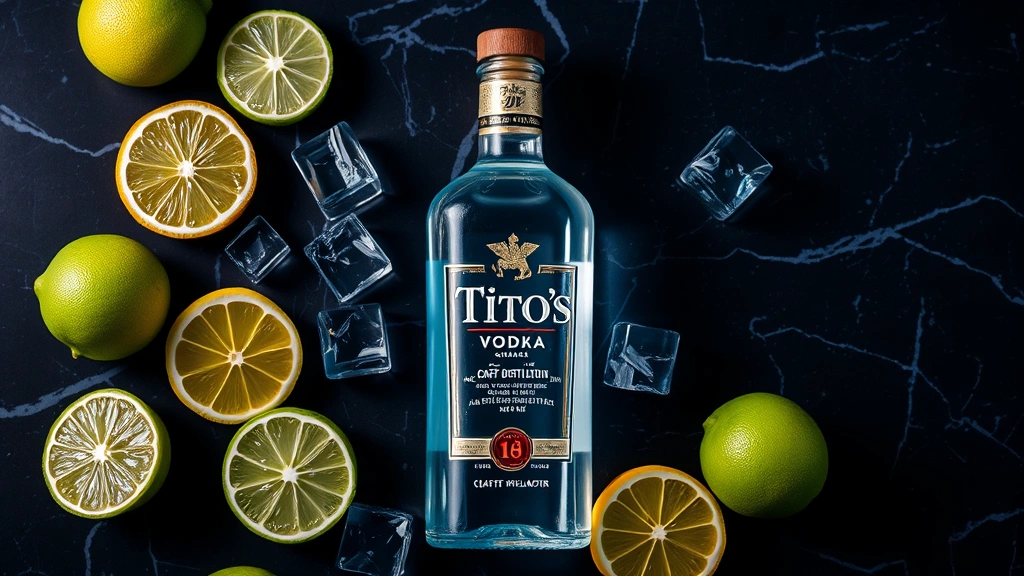
When examining the nutritional profile of alcoholic beverages, precision matters. A standard 1.5-ounce serving of Tito’s Handmade Vodka contains approximately 97 calories, with virtually zero grams of carbohydrates, protein, or fat. This makes vodka one of the cleanest spirits from a macronutrient perspective, though “clean” doesn’t necessarily mean health-promoting.
Tito’s is distilled six times, which contributes to its purity and smooth flavor profile. The distillation process removes most impurities and congeners—compounds that can contribute to hangovers and negative health effects. Research on distilled spirits suggests that vodka’s high purity makes it a preferred choice among those concerned about congener intake, though this doesn’t mitigate alcohol’s overall effects on the body.
The absence of micronutrients in Tito’s vodka is notable. Unlike many alcoholic beverages, vodka provides no vitamins, minerals, or beneficial compounds. This stands in contrast to beverages like red wine, which contains resveratrol and polyphenols, or beer, which offers B vitamins and certain minerals. For those developing a healthy nutrition plan, understanding what spirits don’t provide is equally important as knowing what they do.
Calories and Alcohol Content
Tito’s Vodka contains 40% alcohol by volume (ABV), which is the standard proof for most vodkas in the United States. This 80-proof strength delivers approximately 97 calories per 1.5-ounce shot, with virtually all calories coming from the alcohol itself. Alcohol contains 7 calories per gram, making it nearly as calorie-dense as fat (9 calories per gram) but more than carbohydrates or protein (4 calories per gram each).
For those tracking caloric intake, this is a critical consideration. A single serving of Tito’s represents roughly 5% of a typical 2,000-calorie daily diet. However, most vodka consumption occurs in social settings where multiple drinks are consumed, quickly accumulating calories without providing satiety or nutritional value. Harvard’s nutrition research emphasizes that empty calories from alcohol can contribute to weight gain when consumed regularly.
The alcohol content itself warrants attention. At 40% ABV, Tito’s is metabolized by the liver at a consistent rate of approximately one standard drink per hour. This biological fact remains constant regardless of the vodka’s quality or price point. Understanding this helps contextualize how nutrition and mental health intersect, as alcohol significantly impacts cognitive function and neurological health.
Carbohydrates and Sugar Profile
One of Tito’s primary selling points for health-conscious consumers is its zero carbohydrate content. A standard serving contains 0 grams of carbohydrates and 0 grams of sugar, making it technically compatible with ketogenic, low-carb, and diabetic-friendly diets from a macronutrient standpoint. This purity is a direct result of the distillation process, which separates alcohol from the corn base used in production.
However, this zero-carb profile changes dramatically when Tito’s is mixed into cocktails. Many popular Tito’s cocktails—margaritas, cosmopolitans, and flavored mixed drinks—incorporate sugary mixers that completely alter the nutritional equation. A Tito’s margarita made with typical sweet-and-sour mix can contain 20-30 grams of sugar per drink, transforming it from a carb-free spirit into a sugar bomb.
The distinction between the spirit itself and how it’s consumed is crucial for anyone monitoring carbohydrate intake. Pure Tito’s vodka maintains its zero-carb status, but consumer behavior rarely involves drinking spirits neat. Understanding the importance of dietary fiber and overall nutritional balance includes recognizing how beverage choices fit into broader dietary patterns.
Tito’s also contains no artificial sweeteners or additives, which some consumers prefer over flavored vodkas that may include questionable ingredients. The ingredient list remains remarkably simple: corn, water, and yeast—the basic components of distillation.
How Tito’s Compares to Other Spirits
When comparing Tito’s to competing vodka brands and other spirits, the nutritional profiles are nearly identical for straight spirits. Most vodkas contain 95-100 calories per 1.5-ounce serving with zero carbohydrates. The distinction between Tito’s and competitors like Grey Goose, Ketel One, or Svedka lies primarily in production methods, taste preferences, and brand positioning rather than nutritional content.
Comparing vodka to other spirits reveals more significant differences. Gin contains similar calories but may include botanical compounds depending on production. Rum and whiskey range from 95-110 calories per serving but may contain trace amounts of carbohydrates. Tequila, like vodka, is typically carb-free. Brandy and cognac offer similar caloric content with minimal nutritional value.
The comparison becomes more dramatic when examining flavored spirits and liqueurs. A 1.5-ounce serving of flavored vodka or liqueur can contain 100-150 calories plus 10-20 grams of carbohydrates. This highlights why pure, unflavored Tito’s maintains its nutritional advantage in the spirits category. For those developing tips for meal planning that includes occasional alcohol consumption, recognizing these distinctions proves valuable.
Beer presents a different nutritional profile entirely. A 12-ounce beer typically contains 100-150 calories and 3-12 grams of carbohydrates, depending on the style. Wine offers similar calories (120-125 per 5-ounce glass) with varying carbohydrate content based on residual sugar. From a pure caloric and macronutrient perspective, Tito’s vodka is among the leanest alcoholic options available.
Health Considerations for Vodka Consumption
While Tito’s vodka is nutritionally sparse, health considerations extend far beyond macronutrients. The health implications of regular alcohol consumption have been extensively researched, with findings that challenge the old “moderate drinking is healthy” narrative. Recent comprehensive studies from The Lancet suggest that even moderate alcohol consumption carries health risks that outweigh previously identified benefits.
The liver metabolizes alcohol as a toxin, prioritizing its elimination over processing other nutrients and compounds. This metabolic burden affects overall health regardless of the spirit’s purity or caloric content. Regular vodka consumption can contribute to liver damage, increased cancer risk, cognitive decline, and metabolic dysfunction. The fact that Tito’s contains no added sugars doesn’t protect against these systemic effects.
Alcohol consumption also impacts sleep quality, hormonal balance, and gut health. Even moderate drinking disrupts sleep architecture, reducing restorative deep sleep phases. For those concerned with overall wellness and how diet impacts brain function, alcohol’s neurological effects warrant serious consideration. Regular consumption can impair memory formation, decision-making, and emotional regulation.
The relationship between alcohol and weight management is complex. While Tito’s itself contains empty calories, alcohol consumption also reduces inhibitions around food choices and increases appetite. Studies show that drinkers often consume additional calories from food when consuming alcohol, negating any perceived advantage of choosing a low-calorie spirit.
For individuals with certain health conditions—diabetes, liver disease, mental health disorders, or family histories of alcoholism—the consumption of any spirit, including Tito’s, requires medical consultation. The absence of sugar doesn’t make vodka safe for diabetics consuming alcohol, as alcohol itself affects blood glucose regulation and increases hypoglycemia risk.
Mixing Tito’s: Impact on Nutritional Value
The way Tito’s is consumed dramatically impacts its nutritional and health implications. A shot of Tito’s neat maintains its 97-calorie, zero-carb profile. However, most consumption occurs in mixed drinks where additional ingredients substantially alter the equation.
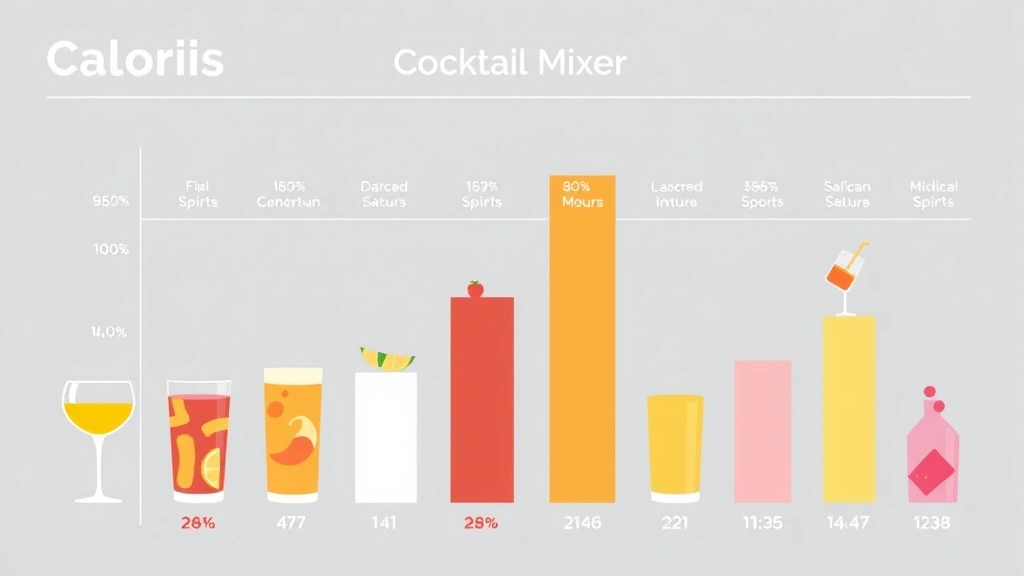
Popular Tito’s cocktails and their approximate nutritional content include: a Tito’s and soda (vodka + club soda) adds minimal calories and maintains zero carbs; a vodka tonic adds 80-100 calories with zero carbs; a vodka cranberry adds 150+ calories and 15+ grams of sugar; a vodka lemonade adds 120-150 calories and 12+ grams of sugar; and specialty cocktails can exceed 300 calories with 30+ grams of sugar.
The choice of mixer fundamentally determines whether Tito’s remains a relatively neutral alcoholic option or becomes a vehicle for significant sugar and calorie consumption. Consumers choosing club soda, seltzer, or diet mixers maintain the nutritional profile of pure vodka. Those selecting sugary juices, sweetened sodas, or specialty cocktail mixes transform the drink into something nutritionally comparable to dessert.
Fresh lime juice and fresh lemon juice are excellent low-calorie, low-sugar mixer options that add flavor without significant nutritional burden. Ginger beer, while flavorful, contains 15+ grams of sugar per serving. Coconut water adds electrolytes but also 9+ grams of carbohydrates per ounce.
Understanding mixer selection is crucial for those attempting to balance occasional alcohol consumption with broader health goals. The spirit itself becomes almost irrelevant when mixed with high-sugar components.
Responsible Drinking Guidelines
For those choosing to consume Tito’s vodka, understanding responsible drinking guidelines provides essential context. The CDC defines moderate drinking as up to one drink daily for women and up to two drinks daily for men. A standard drink equals 1.5 ounces of 80-proof spirit like Tito’s.
These guidelines exist because regular consumption above these levels significantly increases health risks including liver disease, cancer, cardiovascular problems, and cognitive decline. The fact that Tito’s contains no added sugars or impurities doesn’t change the underlying risk profile associated with excess alcohol consumption.
Responsible consumption also considers individual factors including age, medications, health conditions, family history, and personal risk factors. Pregnant individuals should avoid alcohol entirely. Those with certain medications should consult healthcare providers before consuming alcohol. Individuals with personal or family histories of substance abuse face elevated risks with any regular alcohol consumption.
The social context of drinking matters significantly. Drinking to cope with stress, anxiety, or depression represents problematic consumption regardless of the spirit chosen. Using alcohol as a primary social lubricant or stress management tool indicates a relationship with alcohol that warrants examination.
For those interested in broader health optimization, recognizing that alcohol consumption—even of premium, pure spirits like Tito’s—represents a trade-off rather than a health-promoting choice is important. The occasional social drink differs fundamentally from regular consumption patterns.
Alternative beverages providing similar social benefits without alcohol’s health burden include sophisticated non-alcoholic options, sparkling beverages, and specialty coffee or tea drinks. The cultural shift toward “sober-curious” consumption reflects growing awareness that alcohol’s risks may outweigh its social benefits.
FAQ
How many calories are in Tito’s vodka?
A standard 1.5-ounce serving of Tito’s contains approximately 97 calories, with all calories derived from alcohol. The caloric content remains consistent regardless of consumption method (neat, on rocks, or mixed).
Is Tito’s vodka keto-friendly?
Pure Tito’s vodka contains zero carbohydrates, making it technically compatible with ketogenic diets from a macronutrient perspective. However, the metabolic effects of alcohol may interfere with ketosis, and any mixer added to the vodka could introduce carbohydrates.
Does Tito’s contain sugar?
Tito’s vodka contains zero grams of sugar in its pure form. The distillation process removes all residual sugars from the corn base. However, sugary mixers added to Tito’s cocktails introduce significant sugar content.
Is vodka healthier than beer or wine?
From a pure macronutrient perspective, vodka is lower in carbohydrates and sugar than most beers and many wines. However, “healthier” is misleading because all alcohol carries significant health risks. Wine contains beneficial compounds like resveratrol, while beer offers B vitamins, but alcohol’s overall health burden remains substantial regardless of type.
Can diabetics drink Tito’s vodka?
Pure Tito’s vodka contains no sugar, but individuals with diabetes should consult their healthcare providers before consuming any alcohol. Alcohol affects blood glucose regulation and increases hypoglycemia risk. The absence of sugar doesn’t make vodka safe for diabetic consumption without medical guidance.
What makes Tito’s different from other vodkas nutritionally?
Nutritionally, Tito’s is virtually identical to other unflavored vodkas. The primary differences lie in production methods (six-time distillation), taste profile, and brand positioning rather than nutritional composition. Most vodkas contain 95-100 calories and zero carbohydrates per 1.5-ounce serving.
How does alcohol metabolism affect nutrition?
The liver prioritizes alcohol metabolism, treating it as a toxin requiring elimination. This metabolic burden can interfere with nutrient absorption, liver function, and overall metabolic health. Regular alcohol consumption can impair the body’s ability to process and utilize other nutrients efficiently.
What are the best mixers for Tito’s if watching calories?
The best low-calorie mixers include club soda, seltzer water, diet sodas, fresh lime juice, fresh lemon juice, and water. These add minimal to no calories while maintaining flavor. Avoid sugary juices, regular sodas, sweetened lemonades, and specialty cocktail mixes.