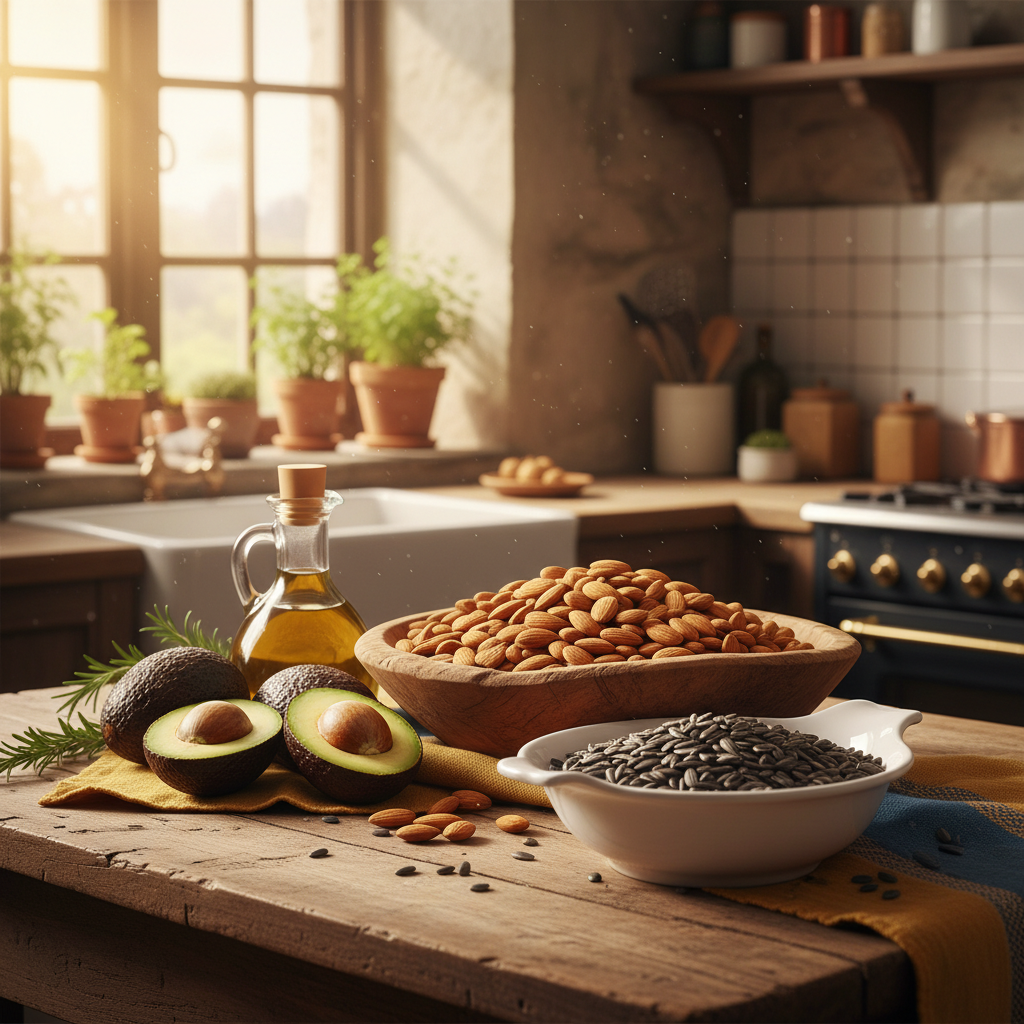
Table of Contents
Introduction
Here’s something you might not think about often: vitamin E. But trust me, this little powerhouse deserves way more attention than it gets. It’s quietly working behind the scenes to keep your immune system strong and protect your cells from daily damage. Want to know the best part? You don’t need supplements—nature’s got you covered with some seriously delicious options.
Think of vitamin E as your body’s personal bodyguard. It’s what we call a fat-soluble antioxidant, which basically means it needs a bit of fat to do its job (more on that later). Every day, your cells face attacks from free radicals—those troublemaking molecules that love to cause chaos and speed up aging. Vitamin E steps in like a superhero, neutralizing these threats before they can do real damage. This is especially important for keeping your immune system sharp, your skin glowing, and your heart healthy. The good news? You’ve probably got vitamin E sources sitting in your kitchen right now. Nuts, seeds, those bottles of cooking oil, even your leafy greens—they’re all packed with this protective nutrient. If you’re curious about the bigger picture, checking out the health benefits of nuts and seeds will show you just how powerful these small foods can be.
Now, you might be wondering: “How do I actually get more of this stuff into my diet?” Great question. The beauty of vitamin E is that it comes in foods you actually want to eat. We’re talking almonds (perfect for snacking), sunflower seeds (amazing on salads), spinach (hello, smoothies!), and avocados (because who doesn’t love avocado toast?). These aren’t just nutritious—they’re genuinely tasty and versatile. When you start building meals around these foods, something interesting happens. Your energy levels improve. Your skin starts looking better. You feel more resilient overall. The key is having a solid game plan, which is where understanding a good healthy nutrition plan comes in handy—it takes the guesswork out of eating well.
But here’s where it gets really interesting. Vitamin E doesn’t work alone—it’s more of a team player. Remember how I mentioned it’s fat-soluble? That means you need some healthy fats in your meal for your body to actually absorb it. (This is why that drizzle of olive oil on your salad isn’t just for taste!) And when vitamin E teams up with other antioxidants, the benefits multiply. It’s like having a whole crew of cellular protectors working together. If you want to dive deeper into this antioxidant world, exploring foods rich in antioxidants will give you the full picture of how these nutrients work together to keep you healthy.
What You’ll Learn in This Guide
Ready to become a vitamin E expert? Here’s exactly what we’re going to cover together:
- Understanding Vitamin E: We’ll break down what this antioxidant actually does, the different types you’ll find in food, and why your body needs it to function at its best.
- Top Food Sources: I’ll share the ultimate list of vitamin E-rich foods—from nuts and seeds to oils and vegetables—so you know exactly what to look for at the grocery store.
- Health Benefits: You’ll discover how vitamin E supports everything from your immune system to your skin health, plus how it protects your cells from daily damage.
- Diet Integration Tips: The practical stuff—how to actually work these foods into your meals and snacks without completely overhauling your routine.
Throughout this guide, we’ll dig into each topic with real, actionable advice you can use starting today. You’ll not only learn about the foods themselves but also understand the science behind why vitamin E matters so much for your health. And since nutrition works best when it’s holistic, we’ll touch on related topics like the importance of dietary fiber—because vitamin E and fiber make a great team for digestive health and nutrient absorption.
By the time you finish reading, you’ll have everything you need to make smart, confident choices about your diet. No more standing in the grocery store wondering what to buy. No more guessing whether you’re getting enough nutrients. You’ll know exactly which foods naturally deliver vitamin E and how they fit into a vibrant, healthy lifestyle. Whether you’re updating your shopping list or planning next week’s meals, this guide will be your go-to resource.
So let’s start with the basics—what exactly is vitamin E, and why should it earn a permanent spot in your daily routine? Understanding this foundation will make everything else click into place as we explore the top sources and show you simple ways to enjoy them every day.
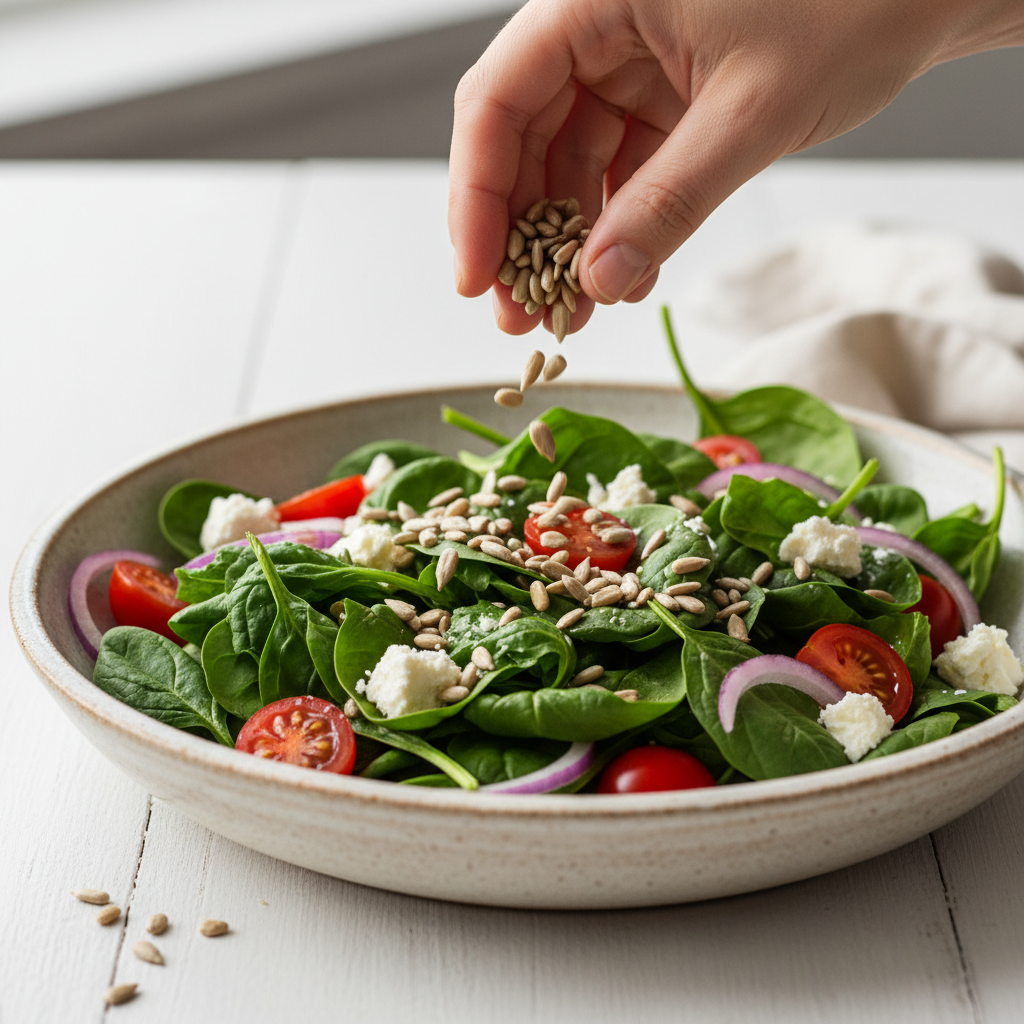
Vitamin E is one of those nutrients you hear about everywhere, and for good reason. This essential antioxidant works around the clock protecting your body from oxidative damage while keeping your overall health in check. Now that we’ve covered what vitamin E actually is and the different forms it comes in, let’s get practical. Where can you find the best sources of this powerhouse nutrient in foods you probably already have in your kitchen? Knowing which foods pack the biggest vitamin E punch helps you make smart choices that boost your health naturally—no supplements required. We’re going to walk through the top food sources loaded with vitamin E, then explore why this antioxidant deserves a spot on your plate every single day.
Top Food Sources of Vitamin E
Want to amp up your vitamin E intake? Focus on the foods that deliver the biggest bang for your buck. You’ll find vitamin E hiding in nuts, seeds, vegetable oils, and plenty of fruits and vegetables—which means there’s something for every taste and dietary style. Here’s what’s interesting: nuts and seeds consistently top the charts as vitamin E superstars, packed with alpha-tocopherol (that’s the form your body loves most). But they’re not just one-trick ponies. These foods bring a whole lineup of health benefits to the table, making them a no-brainer addition to your daily routine. If you’re looking to build this into a bigger picture, check out this healthy nutrition plan that shows you how vitamin E fits into your overall wellness strategy.
Don’t sleep on vegetable oils either—they’re vitamin E powerhouses disguised as everyday cooking staples. Sunflower oil, safflower oil, olive oil? They’re all loaded with antioxidants and healthy fats that your heart will thank you for. The beauty is you don’t need to do anything fancy—just use them in your cooking, drizzle them on salads, and you’re automatically boosting your vitamin E intake. And here’s a bonus: fruits and leafy greens bring their own vitamin E game while delivering fiber and other essential nutrients. Take avocados and spinach, for example. They’re not just supporting your antioxidant defenses—they’re actually helping your brain function better too. Speaking of brain health, you might find this article on nutrition and mental health pretty eye-opening.
Key Aspects of Top Food Sources of Vitamin E
Let’s break down the vitamin E all-stars and how to work them into your everyday eating:
- Nuts and Seeds: Almonds, sunflower seeds, and hazelnuts are vitamin E champions. They’re delivering antioxidants, heart-healthy fats, protein, and fiber all in one crunchy package. Grab a handful for a snack, toss them on your salad, or bake them into something delicious. Want to dive deeper into why these foods are such nutritional superstars? This guide on benefits of nuts and seeds breaks down everything you need to know.
- Vegetable Oils: Sunflower, safflower, and olive oils aren’t just vitamin E powerhouses—they’re also promoting heart health with their healthy unsaturated fats. Use them in your salad dressings, sauté your vegetables, or drizzle them over finished dishes. You get flavor and nutrition in one simple step.
- Vegetables and Fruits: Spinach, broccoli, and avocados bring vitamin E alongside a whole crew of other antioxidants that keep your immune system strong and your skin glowing. The key is variety—mix up your fruits and veggies to get the full spectrum of nutrients your body craves. Curious about avocados specifically? Check out these nutrition facts about avocados to see why they’re worth the hype.
- Antioxidant-Rich Foods: Many vitamin E sources are pulling double duty as antioxidant powerhouses, fighting off free radicals and keeping inflammation in check. Think kale, berries, and other colorful foods that support your long-term health. For the full scoop on these nutritional heroes, explore this resource on foods rich in antioxidants.
Focus on these foods and you’ll easily meet your vitamin E needs through diet alone. Pretty simple, right? If you’re active or athletic, pairing these with smart nutrition for performance helps you get the most out of both your workouts and recovery. Now let’s talk about why vitamin E deserves all this attention in the first place.
Benefits of Vitamin E
Here’s where vitamin E really shines. Yes, it’s famous for being a powerful antioxidant that shields your cells from free radical damage (those troublemakers linked to aging and chronic diseases). But vitamin E is doing so much more behind the scenes. It’s supporting your immune system, keeping your skin healthy, and helping your cells communicate properly. When you understand just how much vitamin E is doing for you, it becomes clear why getting enough from real food sources is non-negotiable. Want to learn more about strengthening your immunity through what you eat? This piece on nutrition and mental health covers immune and cognitive support in fascinating detail.
Your skin especially loves vitamin E. It’s working overtime to protect against UV damage, speed up skin repair, and keep your skin properly hydrated. (This is why you see vitamin E in so many skincare products.) But here’s the thing—getting it through your diet is just as important for that healthy glow from the inside out. And let’s not forget your immune system. Vitamin E helps your body fight off infections and bounce back from challenges more efficiently. When you combine vitamin E with other antioxidant-rich foods, the health benefits multiply. For a complete picture of how to optimize your health through smart eating, this healthy nutrition plan gives you actionable steps to make it all work together.
Key Aspects of Vitamin E Benefits
Vitamin E’s health benefits reach into practically every system in your body. Here’s what it’s doing for you:
- Immune Support: Vitamin E keeps your immune system running like a well-oiled machine, helping you fight off bugs and recover faster when you do get sick. By reducing oxidative stress that can weaken your defenses, it’s basically giving your immune system the backup it needs to keep you healthy.
- Skin Health: Think of vitamin E as your skin’s personal bodyguard. It protects against environmental damage like UV rays and pollution while speeding up wound healing and calming inflammation. Plus, it helps lock in moisture for that healthy, youthful look we all want.
- Heart Health: Vitamin E protects your LDL cholesterol from oxidative damage and keeps your blood vessels functioning properly. When it’s part of a diet rich in antioxidants and healthy fats, it’s actively working to reduce your heart disease risk.
- Anti-Inflammatory Effects: Chronic inflammation is behind so many health issues, and vitamin E helps keep it in check. It works especially well when paired with other anti-inflammatory nutrients like omega-3s. Speaking of which, you’ll want to read about the benefits of omega 3 fatty acids to see how these nutrients complement each other.

Here’s what makes vitamin E so special: it’s like having a personal bodyguard for your cells. This powerful antioxidant works around the clock, fighting off free radicals that try to damage your body. But that’s not all—vitamin E also gives your immune system a boost and keeps your skin looking healthy and radiant. The best part? You don’t need to hunt down expensive supplements. Nature has already packed this nutrient into some seriously delicious foods: crunchy nuts, hearty seeds, cooking oils, and fresh fruits and vegetables. Once you know where to find it, getting your daily dose becomes second nature.
Let’s talk about making vitamin E part of your everyday meals—it’s easier (and tastier) than you think. Take almonds and sunflower seeds, for example. Toss a handful into your morning yogurt or afternoon snack, and you’re not just getting vitamin E—you’re also treating yourself to healthy fats and other nutrients your body craves. Cooking oils like olive and sunflower oil? They’re kitchen workhorses that slip vitamin E into practically any dish. And don’t sleep on avocados and spinach—they bring that fresh, vibrant energy to your plate while quietly delivering antioxidant power. It’s amazing how these simple swaps can boost your energy, support your skin, and keep your immune system strong.
Ready to take your nutrition game to the next level? It’s all about building meals that work together—not just throwing random healthy foods on a plate. That’s where our healthy nutrition plan comes in handy. It breaks down exactly how to create balanced meals that fuel every part of your health. Want to dive deeper into nuts and seeds? (Trust me, there’s more to discover.) Check out our guide on the benefits of nuts and seeds—it’s packed with practical tips for getting the most bang for your nutritional buck. If you’re someone who loves staying active, our nutrition for athletes guide will show you how to fuel your workouts and recover like a pro.
Now, here’s something interesting—your circulation plays a huge role in how well your body uses all these nutrients, vitamin E included. Think of good blood flow as your body’s delivery service, making sure oxygen and nutrients reach every corner of your system. When your circulation is on point, vitamin E can do its job even better. If you want to give your cardiovascular health some love, this guide on how to improve blood circulation is worth your time. It fits perfectly with everything else you’re doing for your health.
You’ve got all the tools now—time to put them to work. Start small if you want: sprinkle some nuts on your salad, cook with a vitamin E-rich oil, or grab an avocado for your smoothie. These aren’t just random health tips—they’re simple changes that can genuinely make you feel better. Your body knows how to use these natural foods, and your skin, immune system, and energy levels will thank you for it. The path to better health doesn’t have to be complicated. Sometimes the best moves are the simplest ones.
Frequently Asked Questions
-
What are the best natural sources of vitamin E?
- Foods like nuts, seeds, vegetable oils, and leafy greens are among the best natural sources of vitamin E.
-
Can I get enough vitamin E from diet alone?
- Yes, consuming a variety of vitamin E-rich foods as part of a balanced diet usually provides sufficient amounts without supplements.
-
Is vitamin E good for skin health?
- Vitamin E helps protect the skin from oxidative damage and supports repair, promoting a healthy, radiant complexion.
-
Are vitamin E supplements necessary?
- Supplements may be beneficial if a deficiency is diagnosed, but most people can get enough vitamin E through a well-rounded diet.