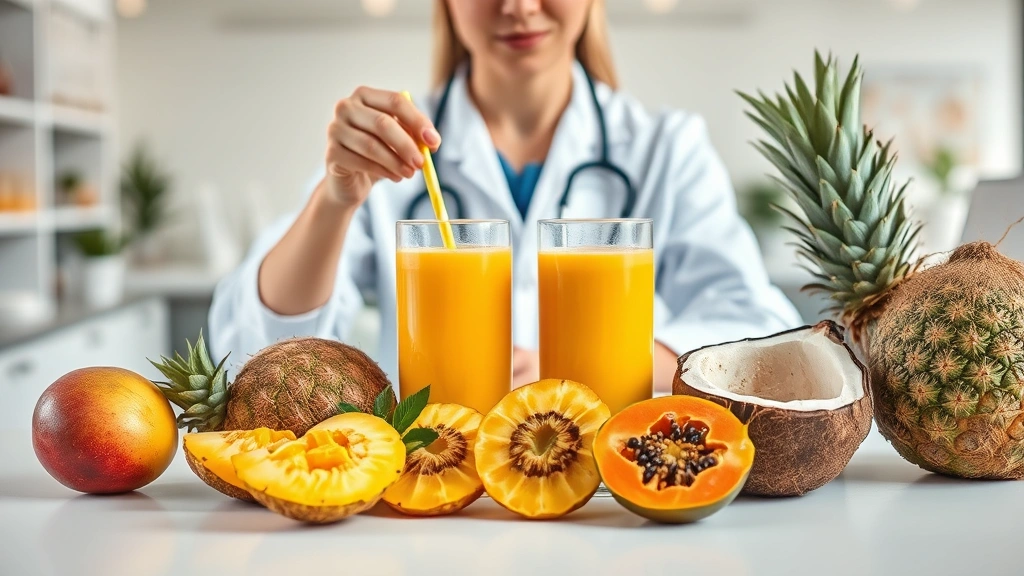
Tropical Smoothie Nutrition? Dietitian Explains
Tropical smoothies have become a staple in health-conscious dining, promising refreshing flavors and nutritional benefits in a single glass. However, the reality of what you’re consuming at popular chains like Tropical Smoothie Cafe often diverges significantly from the health halo these beverages carry. As a registered dietitian nutritionist, I’ve analyzed countless menu items and ingredient lists to help consumers understand exactly what they’re getting nutritionally when they order a tropical smoothie.
The tropical smoothie category spans a wide range of nutritional profiles, from genuinely nutrient-dense options to drinks that rival desserts in sugar content and caloric density. Understanding the components—fruit bases, added sugars, protein sources, and dairy choices—is essential for making informed decisions that align with your health goals. This guide breaks down the nutritional landscape of tropical smoothies, examining specific menu items and explaining how to navigate choices that support your wellness journey.
What’s Actually in Tropical Smoothies?
Tropical smoothies typically combine fruit bases, liquid components, sweeteners, and often protein or dairy additions. The foundational ingredients usually include frozen tropical fruits like mango, pineapple, papaya, and coconut, which provide natural sweetness and micronutrients. However, the preparation methods and additional ingredients significantly impact the final nutritional value.
Most commercial tropical smoothies start with a fruit puree or concentrate base, which concentrates sugars while reducing fiber content compared to whole fruits. A single smoothie may contain the equivalent of three to five whole fruits worth of sugar without the accompanying fiber that would normally slow digestion and provide satiety. The addition of fruit juices, syrups, and sweetened yogurt further elevates sugar content before consumers even consider optional add-ons like honey drizzles or cookie crumbles.
Understanding nutrition facts about avocados becomes relevant when examining creamier tropical smoothie options, as many chains use avocado as a base ingredient to achieve desired texture while adding healthy fats. However, the caloric density of avocado means portion sizes matter significantly in the overall smoothie composition.

Analyzing Popular Menu Items
Tropical Smoothie Cafe’s menu offers numerous options with vastly different nutritional profiles. The “Detox Island Green” smoothie, marketed as a health-focused choice, contains approximately 250-280 calories with 45 grams of carbohydrates, including roughly 35 grams from sugars. While it includes spinach and kale, the sugar content from mango, pineapple, and banana dominates the macronutrient profile.
The “Island Green” variation with added protein powder increases to approximately 350 calories and provides roughly 25 grams of protein, making it more balanced for muscle recovery or sustained satiety. This demonstrates how protein additions substantially alter the nutritional quality of tropical smoothies, though the base still contains significant natural sugars.
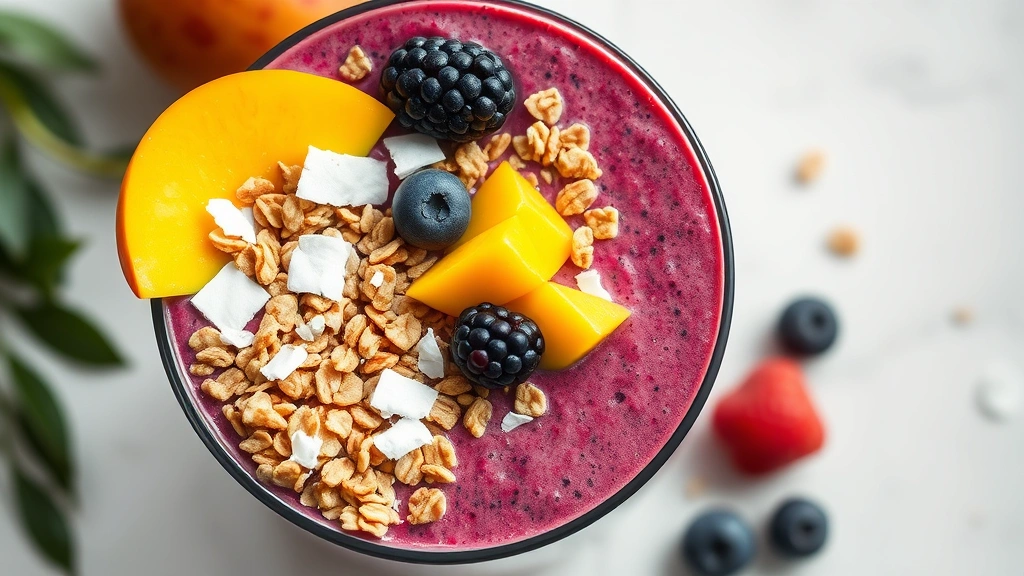
The “Acai Primo” smoothie exemplifies how marketing influences perception versus nutritional reality. Acai berries are indeed rich in antioxidants, but when combined with granola, coconut flakes, and sweetened yogurt in a typical smoothie bowl format, the caloric content often exceeds 450-500 calories with 60+ grams of carbohydrates. The addition of granola alone contributes 150-200 calories and concentrated sugars.
Comparing these items reveals a critical pattern: smoothies marketed with health claims don’t necessarily provide superior nutrition. The “Sunrise Smoothie” with orange juice, strawberries, and banana often contains 380-420 calories with 75+ grams of carbohydrates almost entirely from sugars and minimal fiber.
Sugar Content and Hidden Calories
The sugar content in tropical smoothies represents perhaps the most significant nutritional concern. A typical 20-ounce tropical smoothie contains 40-70 grams of added and natural sugars, far exceeding the American Heart Association’s recommended daily limit of 25 grams for women and 36 grams for men. Consuming a single smoothie can represent a full day’s worth of added sugar for many individuals.
The distinction between natural and added sugars becomes muddied in commercial smoothies. While fruit naturally contains sugars with accompanying fiber, commercial fruit purees and concentrates remove fiber while concentrating sugar. When chains add honey, agave nectar, or flavored syrups—common practices for taste enhancement—the added sugar category increases substantially. Many tropical smoothies contain 15-30 grams of added sugars beyond the natural fruit sugars.
Caloric density often surprises consumers who perceive smoothies as light, refreshing beverages. A 20-ounce tropical smoothie with protein and dairy components frequently contains 400-500 calories, equivalent to a substantial meal. For individuals in caloric deficit for weight loss, this single beverage represents 20-25% of a typical 2,000-calorie daily intake. The liquid format means these calories provide minimal satiety compared to solid foods with equivalent nutritional profiles.
Recent research from Pew Research Center on American dietary trends indicates growing awareness of hidden sugars in beverages, with 68% of consumers now checking nutrition labels before purchasing smoothies. This awareness reflects a broader cultural shift toward understanding beverage nutrition that previously received less scrutiny than food items.
Protein and Macronutrient Balance
Protein content varies dramatically across tropical smoothie menus, ranging from virtually none in fruit-only options to 25-30 grams in protein-enhanced versions. This variation fundamentally affects satiety, blood sugar response, and alignment with nutritional goals. A smoothie with 5 grams of protein will trigger faster hunger than one with 20 grams, despite similar caloric content.
The protein source matters significantly for overall nutritional quality. Whey protein powder provides complete amino acids and dissolves smoothly without altering flavor. Plant-based protein powders offer alternatives for vegan consumers but often contain additives and may impart earthy flavors that compete with tropical fruit profiles. Yogurt-based proteins add creaminess and probiotics but increase caloric density if full-fat varieties are used.
Macronutrient balance fundamentally determines whether a tropical smoothie functions as a meal replacement, snack, or dessert. A balanced smoothie for meal replacement should contain approximately 20-30 grams protein, 40-50 grams carbohydrates, and 8-12 grams fat, creating a ratio that sustains energy and satiety for 3-4 hours. Most commercial tropical smoothies fail this test, providing excessive carbohydrates relative to protein and fat.
Fat content deserves consideration beyond simple calorie counting. Healthy fats from coconut milk, avocado, or nuts slow carbohydrate absorption and enhance nutrient absorption for fat-soluble vitamins. A tropical smoothie with 3-5 grams of fat from whole food sources provides superior metabolic impact compared to a fat-free option with equivalent calories.
Following a healthy nutrition plan requires understanding how individual smoothies fit into daily macronutrient targets. A 400-calorie smoothie representing 25% of daily calories should contain proportional macronutrients—roughly 100 calories from protein, 200 from carbohydrates, and 100 from fat for balanced intake.
Fruit Ingredients and Micronutrients
The micronutrient profile of tropical smoothies reflects their primary ingredients. Mango provides excellent vitamin C and vitamin A, supporting immune function and vision. Pineapple contains bromelain, an enzyme with potential anti-inflammatory properties, alongside substantial vitamin C content. Papaya offers enzymes supporting digestion and micronutrients including folate and potassium. Coconut milk provides medium-chain triglycerides and minerals including manganese and copper.
However, the processing methods significantly impact micronutrient availability. Frozen fruit purees retain many heat-stable vitamins but may lose heat-sensitive nutrients and enzymatic activity. Pasteurization of fruit juices and purees reduces bacterial load but further diminishes enzyme activity. The longer interval between processing and consumption means oxidative degradation of vitamins, particularly vitamin C.
Understanding the importance of dietary fiber for your health becomes critical when evaluating tropical smoothies, as the removal of fiber during fruit processing represents a significant nutritional loss. Whole fruits provide 2-4 grams of fiber per serving, but commercial fruit purees contain minimal fiber. A tropical smoothie containing fruit equivalent to five whole pieces may provide only 2-3 grams of fiber compared to 10-15 grams from consuming the whole fruits.
Fiber’s role in satiety, blood sugar regulation, and digestive health cannot be overstated. The absence of fiber in most commercial tropical smoothies means rapid blood sugar elevation, quick energy crashes, and minimal contribution to daily fiber goals. Adding ground flaxseed, chia seeds, or psyllium husk during customization can partially address this deficit, though it won’t fully compensate for whole fruit consumption.
Making Healthier Choices
Selecting healthier tropical smoothies requires understanding menu terminology and recognizing marketing language that obscures nutritional reality. Terms like “detox,” “cleanse,” and “green” often indicate fruit and vegetable content but don’t necessarily reflect superior overall nutrition. A “green” smoothie with spinach but 60 grams of sugar remains a high-sugar beverage regardless of vegetable inclusion.
Requesting nutrition information before ordering enables informed decision-making. Most chains provide detailed nutrition labels including calories, macronutrients, and sugar content. Comparing options reveals that smaller-sized smoothies (16-ounce versus 24-ounce) often provide comparable micronutrients with 20-30% fewer calories and less sugar. Size selection alone can meaningfully reduce nutritional impact without sacrificing satisfaction.
Prioritizing smoothies with visible protein sources—Greek yogurt, protein powder, or milk-based preparations—typically indicates better macronutrient balance. Requesting protein powder addition to any smoothie transforms the nutritional profile, increasing satiety and reducing post-consumption blood sugar spikes. Most chains offer this customization at minimal additional cost.
Limiting or eliminating liquid sweeteners represents another high-impact strategy. Honey, agave, and flavored syrups add 50-150 calories and 10-30 grams of sugar to smoothies. Requesting smoothies without these additions, relying instead on fruit’s natural sweetness, can reduce sugar content by 15-25 grams while maintaining flavor through tropical fruit bases.
Customization Strategies
Transforming commercial tropical smoothies into genuinely nutritious beverages requires strategic customization. Starting with a base of unsweetened coconut milk or almond milk rather than juice concentrates reduces sugar by 20-30 grams while maintaining creamy texture. This single change converts a high-sugar beverage into a more moderate option.
Adding protein powder—whether whey, plant-based, or collagen—increases satiety and supports muscle maintenance without substantially altering flavor in tropical-fruit-based smoothies. Twenty grams of protein powder addition creates approximately 20 grams of protein with minimal taste impact, fundamentally improving macronutrient balance.
Incorporating whole foods provides fiber and satiety that processed ingredients cannot match. Adding half a banana (rather than the typical full banana) reduces carbohydrate density while maintaining flavor. Including a tablespoon of natural almond or peanut butter adds healthy fats and protein, extending satiety despite minimal flavor alteration in tropical smoothies.
Requesting minimal or no added sweeteners, relying on fruit and natural flavors, can reduce total sugar by 15-25 grams depending on base ingredients. Most consumers find that reducing sweetener gradually—perhaps halving it initially rather than eliminating it completely—provides sustainable transition toward less sweet beverages.
Exploring research on how to improve digestion reveals that smoothie composition directly impacts digestive wellness. Adding ingredients that support digestive function—ginger for inflammation reduction, probiotics for gut health, soluble fiber for regularity—creates smoothies that support digestive wellness beyond basic nutrition.
Understanding nutrition and mental health and how diet impacts the brain provides broader context for smoothie choices. Blood sugar stability from balanced macronutrients supports cognitive function and mood stability more effectively than sugar-heavy smoothies that create energy crashes and mood fluctuations.
Research from Journal of Nutrition demonstrates that beverage choices significantly impact overall dietary quality and health outcomes. Substituting high-sugar smoothies with balanced, protein-enhanced versions correlates with improved weight management and metabolic markers.
FAQ
Are tropical smoothies healthy for weight loss?
Tropical smoothies can support weight loss if customized for high protein content, minimal added sugars, and reasonable portion sizes. Standard menu items typically contain excessive calories and sugar, making weight loss more difficult. Protein-enhanced 16-ounce smoothies with customizations can provide satisfying snacks within weight loss calorie targets, but many commercial options exceed appropriate portions.
How much sugar is too much in a smoothie?
Ideally, a smoothie should contain no more than 25-30 grams of total sugar, with minimal added sugars. Most commercial tropical smoothies exceed 45 grams, representing nearly double recommended limits. For context, this equals the sugar content of a typical dessert, despite smoothies being perceived as healthy beverages.
Can I drink tropical smoothies daily?
Daily consumption of standard tropical smoothies significantly elevates sugar intake and may contribute to weight gain, insulin resistance, and metabolic dysfunction over time. Customized versions with high protein, minimal sugar, and added fiber can be incorporated into daily routines more safely, though whole fruits and balanced meals should remain dietary foundations.
What’s the best time to drink a tropical smoothie?
Post-workout periods represent optimal timing for higher-carbohydrate, protein-enhanced smoothies, as muscles are primed to utilize carbohydrates for recovery. Consuming smoothies with meals rather than as standalone beverages slows sugar absorption through food matrix effects. Avoiding smoothies immediately before sleep prevents blood sugar spikes that disrupt sleep quality.
Do frozen tropical smoothies lose nutritional value?
Freezing preserves most micronutrients but doesn’t eliminate the sugar concentration problem inherent in processed fruit purees. Frozen whole fruits retain more fiber and nutrients than fruit purees, but commercial smoothies rarely use whole frozen fruits exclusively. The processing method matters more than freezing in determining nutritional value.
Are acai bowls healthier than tropical smoothies?
Acai bowls and tropical smoothie bowls typically contain comparable sugar levels to liquid smoothies, with added calories from granola, coconut, and other toppings. While the bowl format allows visual assessment of ingredients, the overall nutritional profile often exceeds liquid smoothies due to topping additions. Both require careful evaluation and customization.


