Tropical Smoothie Nutrition: Dietitian Insights on Health Benefits and Hidden Sugars
Tropical smoothies have become a staple in modern wellness culture, blending vibrant fruits like mango, pineapple, and coconut into convenient drinkable meals. However, behind their Instagram-worthy appeal lies a complex nutritional landscape that deserves scrutiny. As a registered dietitian nutritionist, I’ve analyzed countless smoothie recipes and commercial offerings to help consumers understand what they’re truly consuming. This comprehensive guide explores the nutritional composition of tropical smoothies, their potential health benefits, and critical considerations for making informed choices.
The popularity of tropical smoothies extends beyond health-conscious consumers—they’ve become a cultural phenomenon spanning fitness enthusiasts, busy professionals, and families seeking quick nutrition. Yet many people remain unaware that a single smoothie can contain 50-70 grams of sugar, rivaling desserts in caloric and glycemic impact. Understanding tropical smoothie nutrition requires examining individual ingredients, portion sizes, and preparation methods to distinguish genuinely beneficial beverages from sugar-laden imposters.
Understanding Tropical Fruit Composition
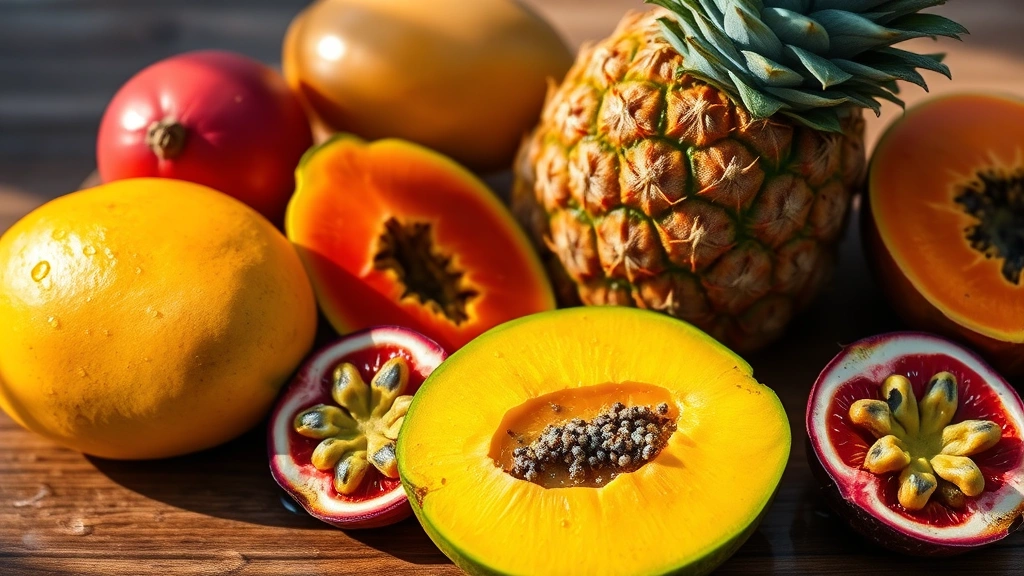
Tropical fruits form the foundation of these beverages, each bringing distinct nutritional profiles. Mango, often called the “king of fruits,” contains approximately 15 grams of carbohydrates and 3 grams of fiber per 100-gram serving, alongside vitamin C and antioxidants. Pineapple provides bromelain, a protease enzyme with potential anti-inflammatory properties, though research on its human health impact remains ongoing. Coconut milk or cream introduces medium-chain triglycerides (MCTs) and saturated fat, dramatically altering the smoothie’s lipid profile.
Passion fruit delivers exceptional micronutrient density, offering vitamin A, vitamin C, and phenolic compounds with antioxidant potential. Papaya contains papain, another protease enzyme traditionally used in digestive applications, plus significant carotenoid content. When combined thoughtfully, these fruits create genuinely nutritious beverages; when processed indiscriminately with added sugars and high-fat toppings, they become calorie bombs. The key distinction lies in understanding each ingredient’s individual contribution to the overall nutritional equation.
Understanding the natural sugar content in tropical fruits is essential for contextualizing their role in a healthy nutrition plan. Mango contains approximately 13 grams of sugar per 100 grams, while pineapple contains roughly 10 grams. These sugars are accompanied by fiber, water, and phytonutrients, creating a different metabolic context than isolated sugars or syrups. However, when multiple fruits are blended into a single serving, sugar accumulation becomes significant.
Macronutrient Breakdown of Common Ingredients
A typical tropical smoothie base might include 1 cup mango chunks, 1 cup pineapple, and ½ cup coconut milk. This combination delivers approximately 35-40 grams of carbohydrates, 2-3 grams of protein, and 5-8 grams of fat from the coconut milk alone. Adding Greek yogurt (100 grams) introduces 10 grams of protein and 5 grams of additional carbohydrates, substantially improving the macronutrient balance. This demonstrates how ingredient selection directly impacts whether a smoothie functions as a balanced meal or a liquid dessert.
Fat content deserves particular attention when tropical smoothies incorporate coconut milk, nut butters, or avocado. While these ingredients provide valuable monounsaturated and polyunsaturated fats alongside micronutrients, they also contribute significant calories. One cup of full-fat coconut milk contains approximately 445 calories and 43 grams of fat. Strategic use of reduced-fat coconut milk or limiting portions to ¼-⅓ cup preserves nutritional benefits while controlling caloric density. Understanding these macronutrient interactions helps explain why two smoothies with identical fruit content can have dramatically different nutritional impacts.
Protein incorporation transforms tropical smoothies from fruit beverages into legitimate meal replacements. The combination of whey protein powder, Greek yogurt, or plant-based protein sources provides satiety signaling and supports muscle maintenance. Research from the American Psychological Association indicates that adequate protein consumption enhances satiety perception, helping consumers feel fuller longer. Adding 15-25 grams of protein to a tropical smoothie creates a more balanced macronutrient distribution, shifting the beverage’s metabolic profile substantially.

Micronutrient Powerhouses in Tropical Smoothies
Tropical fruits deliver exceptional micronutrient density when processed thoughtfully. Mango provides over 50% of the daily recommended vitamin A intake per medium fruit, supporting vision, immune function, and skin health. Pineapple delivers approximately 80% of daily vitamin C requirements, essential for collagen synthesis and immune support. Papaya contributes both vitamin C and vitamin A, alongside folate and potassium. These micronutrients work synergistically—vitamin C enhances iron absorption, while carotenoids benefit from fat presence for optimal absorption.
The mineral content of tropical smoothies often goes unrecognized. Coconut water, increasingly used as a smoothie base, provides potassium, magnesium, and calcium in bioavailable forms. One cup of coconut water contains approximately 600 milligrams of potassium, comparable to a medium banana. Banana additions contribute manganese and additional potassium. For athletes and active individuals, these electrolytes support hydration status and muscle function. However, individuals with kidney disease or those taking potassium-sparing medications should consult healthcare providers before consuming high-potassium tropical smoothies regularly.
Phytochemical content distinguishes tropical smoothies from conventional fruit beverages. Mangoes contain mangiferin, a xanthone compound with potential antioxidant and anti-inflammatory properties. Pineapple provides bromelain alongside polyphenols. Passion fruit delivers high concentrations of flavonoids and phenolic acids. While human intervention studies remain limited, observational research and mechanistic studies suggest these compounds may contribute to reduced chronic disease risk. The Pew Research Center’s nutrition research indicates growing scientific interest in plant bioactive compounds beyond traditional vitamins and minerals.
Hidden Sugar Content and Glycemic Impact
The most significant nutritional concern with tropical smoothies centers on sugar accumulation. A commercial tropical smoothie from major chains often contains 50-70 grams of sugar, equivalent to consuming 12-17 teaspoons of added sugar. This typically comes from fruit juices, added syrups, sweetened yogurts, and the concentrated fructose from multiple servings of fruit. The American Heart Association recommends limiting added sugars to 6 teaspoons daily for women and 9 teaspoons for men, making a single smoothie exceed daily recommendations.
Natural sugars from whole fruits differ metabolically from added sugars or fruit juices, yet both contribute to total sugar intake and glycemic load. The glycemic index (GI) of a tropical smoothie depends heavily on ingredient selection and processing method. Blending fruit increases surface area and breaks down fiber structures, potentially increasing glycemic response compared to consuming whole fruit. Adding high-GI ingredients like honey, agave syrup, or sweetened yogurt dramatically elevates blood sugar impact. Conversely, incorporating avocado and other fat sources alongside fiber-rich ingredients moderates glycemic response.
For individuals with diabetes, prediabetes, or metabolic syndrome, tropical smoothie consumption requires careful consideration. Research published in diabetes care journals demonstrates that high-sugar beverages contribute to poor glycemic control and increased diabetes risk. However, carefully formulated tropical smoothies—emphasizing whole fruits, adequate protein, and healthy fats while limiting added sugars—can fit appropriately into meal plans. Pairing smoothies with protein-rich foods further reduces glycemic spike. Monitoring blood glucose response to individual smoothie formulations provides personalized guidance, as individual glycemic responses vary significantly based on gut microbiota composition, insulin sensitivity, and concurrent food consumption.
Protein and Fiber Considerations
Fiber content in tropical smoothies depends entirely on ingredient selection and processing methods. Whole blended fruits retain soluble and insoluble fiber, while fruit juices contain minimal fiber. A smoothie incorporating ½ cup each of mango, pineapple, and papaya plus one banana delivers approximately 4-5 grams of fiber. Adding chia seeds, ground flaxseeds, or psyllium husk boosts fiber to 8-12 grams, supporting digestive health and enhancing satiety. Dietary fiber supports cholesterol management, blood sugar regulation, and prebiotic effects supporting beneficial gut bacteria.
Protein remains the most commonly deficient macronutrient in commercial tropical smoothies. A fruit-only smoothie may contain only 1-2 grams of protein, making it insufficient for meal replacement or sustained satiety. Adding Greek yogurt (100 grams) provides 10 grams of protein; whey protein powder adds 20-25 grams; plant-based options like hemp seeds contribute 3 grams per tablespoon. The optimal protein target for smoothie-based meals ranges from 15-25 grams, creating a balanced macronutrient distribution supporting satiety and muscle maintenance. This protein addition proves especially important for older adults, athletes, and individuals in caloric deficit for weight management.
The combination of adequate protein and fiber creates profound satiety effects. Research in nutritional neuroscience demonstrates that protein stimulates cholecystokinin (CCK) and peptide YY (PYY) release, hormones signaling fullness to the brain. Fiber adds bulk and slows gastric emptying, prolonging satiety signals. Together, these components transform tropical smoothies from quick-sugar-delivery vehicles into genuinely satisfying meal components. This distinction becomes critical for individuals using smoothies for weight management, where satiety directly impacts overall caloric intake and dietary adherence.
Ingredient Selection Strategies
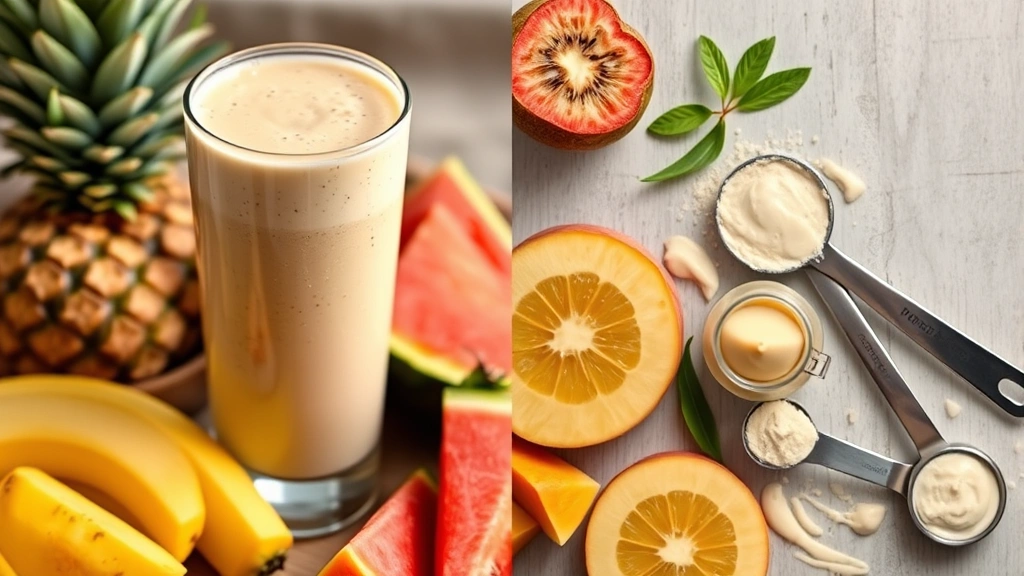
Crafting nutritious tropical smoothies requires strategic ingredient selection prioritizing whole foods over processed alternatives. Begin with a fruit base of 1-1.5 cups total tropical fruits—mango, pineapple, papaya, or passion fruit. Add a protein source: Greek yogurt (100 grams), silken tofu (100 grams), or plant-based protein powder (20-25 grams). Include healthy fats supporting micronutrient absorption and satiety: ½ avocado, 1 tablespoon nut butter, or ¼ cup coconut milk. Incorporate fiber: 1 tablespoon chia or ground flaxseed, or 1 medium banana. Choose a liquid base: unsweetened almond milk, coconut water, or regular milk rather than fruit juice.
Sweetening decisions profoundly impact smoothie nutrition. Rather than adding honey, agave, or syrups, rely entirely on fruit’s natural sweetness. If additional sweetness is desired, stevia or monk fruit provide zero-calorie options with minimal metabolic impact. Vanilla extract adds perceived sweetness without sugar. Spices like cinnamon enhance flavor complexity, reducing reliance on added sweeteners. This approach typically results in smoothies containing 25-35 grams total carbohydrates and 8-15 grams natural sugar—substantially lower than commercial offerings while retaining fruit’s nutritional benefits.
Avoiding common pitfalls ensures smoothie optimization. Skip fruit juice, which concentrates sugars while removing fiber. Avoid sweetened yogurts containing 15-25 grams added sugar per serving. Limit coconut milk to ¼-⅓ cup portions, or use light coconut milk. Exclude granola toppings, which add 150+ calories and 15+ grams sugar per serving. Skip sugary nut butters, opting for natural varieties with minimal added ingredients. These strategic selections transform smoothie preparation from a health hazard into genuine nutritional support. Consulting meal planning guidance helps integrate smoothies into balanced daily nutrition systematically.
Portion Control and Serving Recommendations
Portion size represents a critical yet overlooked factor in tropical smoothie nutrition. A standard commercial smoothie often contains 16-24 ounces, representing 1.5-2 cups of blended ingredients. This volume concentrates nutrients and calories dramatically compared to consuming equivalent whole fruits. A 16-ounce smoothie might contain 300-400 calories with 60+ grams carbohydrates, while consuming the same fruits whole would deliver superior satiety and slower nutrient absorption. Limiting homemade smoothies to 12-16 ounces aligns with reasonable portion sizes while maintaining nutritional benefits.
Frequency of consumption matters significantly. Daily tropical smoothie consumption, particularly when combined with other fruit intake, may contribute to excessive sugar consumption even when individual smoothies appear nutritionally reasonable. A more sustainable approach involves 2-4 smoothies weekly, integrated thoughtfully into overall meal patterns. This frequency allows smoothies to provide convenience and nutrient density without dominating fruit intake or creating monotonous dietary patterns. Individuals with specific health conditions—diabetes, fructose malabsorption, or irritable bowel syndrome—may require even more restrictive smoothie consumption or specialized formulations.
Timing of consumption influences metabolic impact. Consuming a tropical smoothie with balanced macronutrients (adequate protein and fat) alongside other meals moderates glycemic response compared to consuming it alone. Post-workout smoothies capitalize on enhanced nutrient absorption and protein synthesis windows, supporting recovery. Morning smoothies with adequate protein support satiety throughout the day. Conversely, evening smoothies high in sugar may disrupt sleep quality and circadian glucose rhythms. These temporal considerations, combined with individual metabolic factors, should guide personalized smoothie consumption recommendations.
Commercial vs. Homemade Smoothies
Commercial tropical smoothies from chains like Smoothie King, Jamba Juice, and Tropical Smoothie Cafe typically contain 45-70 grams sugar, 300-500 calories, and minimal protein unless specifically upgraded. These establishments optimize for taste and profit margins rather than nutritional optimization, relying on fruit juices, syrups, and sweetened bases. While convenient, commercial smoothies often exceed recommended daily added sugar intake in a single serving. Some chains offer customization options—requesting no added syrups, adding protein, substituting juice for unsweetened coconut water—that improve nutritional profiles modestly.
Homemade smoothies offer superior nutritional control and cost efficiency. A homemade tropical smoothie containing 1 cup mango, ½ cup pineapple, ½ cup Greek yogurt, 1 tablespoon almond butter, ½ banana, and 1 cup unsweetened almond milk costs approximately $2-3 while containing 250-300 calories, 8-10 grams sugar, 12-15 grams protein, and 5-6 grams fiber. This compares favorably to $7-9 commercial smoothies with double the calories and sugar. Home preparation enables precise ingredient selection, portion control, and nutritional optimization impossible with commercial options.
Blender selection impacts nutritional quality subtly. High-powered blenders (Vitamix, Ninja) create exceptionally smooth textures, potentially increasing glycemic response compared to less thoroughly blended smoothies. However, this effect remains minor relative to ingredient composition. More significantly, high-powered blenders enable incorporation of tougher ingredients like frozen fruits, leafy greens, and seeds, expanding recipe possibilities. Frozen tropical fruits—mango, pineapple, papaya—often contain superior nutrient density compared to fresh fruits shipped long distances, making them excellent smoothie bases. This approach aligns with evidence supporting nutrient-dense whole foods for optimal health.
FAQ
How much sugar is acceptable in a tropical smoothie?
A nutritionally balanced tropical smoothie should contain 20-35 grams total carbohydrates with minimal added sugar. Natural fruit sugars accompanied by fiber, protein, and fat create different metabolic contexts than added sugars. Aim for smoothies where the majority of carbohydrates derive from whole fruits rather than juices or syrups. Individuals with diabetes or metabolic concerns should target the lower end of this range.
Can tropical smoothies support weight loss?
Strategic tropical smoothies can support weight loss when formulated with adequate protein (15-25 grams), fiber (5+ grams), and healthy fats while maintaining reasonable caloric density (250-350 calories). These components enhance satiety, reducing overall caloric intake throughout the day. However, high-calorie, high-sugar smoothies contribute to weight gain. Success depends entirely on ingredient selection and integration into overall meal patterns.
Are frozen tropical fruits as nutritious as fresh?
Frozen tropical fruits often surpass fresh fruits nutritionally, as freezing preserves nutrients at peak ripeness. Fresh fruits shipped long distances may lose nutrient content during transit and storage. Frozen mangoes, pineapples, and papayas provide equivalent or superior micronutrient density compared to fresh counterparts, making them excellent smoothie bases. Ensure frozen fruits contain no added sugars or syrups.
Should I drink smoothies daily?
Daily smoothie consumption isn’t necessary and may contribute to excessive fruit and sugar intake. 2-4 weekly smoothies provide convenience and nutrient density while maintaining dietary diversity. Individuals with specific health conditions may require more restrictive consumption patterns. Rotating smoothie ingredients prevents nutrient imbalances from excessive single-food consumption.
What’s the best time to consume a tropical smoothie?
Post-workout consumption capitalizes on enhanced nutrient absorption and protein synthesis. Morning smoothies with balanced macronutrients support sustained satiety. Consuming smoothies alongside other meals moderates glycemic response compared to standalone consumption. Avoid evening smoothies high in sugar, which may disrupt sleep quality and circadian rhythms.


