Tropical Smoothie Nutrition: Expert Breakdown of Health Benefits and Hidden Calories
Tropical smoothies have become a staple in health-conscious diets, promising refreshing nutrition in a convenient drinkable format. From açai bowls to mango-pineapple blends, these vibrant beverages dominate café menus and home kitchens alike. However, understanding the actual nutritional profile of tropical smoothies reveals a more complex picture than the colorful marketing suggests. Many consumers unknowingly consume excessive sugars, calories, and additives while believing they’re making nutritious choices.
This comprehensive analysis examines the nutritional science behind popular tropical smoothie ingredients, decodes nutrition labels, and provides actionable guidance for making informed decisions. Whether you’re seeking post-workout recovery nutrition or daily wellness support, understanding tropical smoothie composition helps you maximize health benefits while minimizing unwanted calories and refined sugars.
Understanding Core Tropical Ingredients
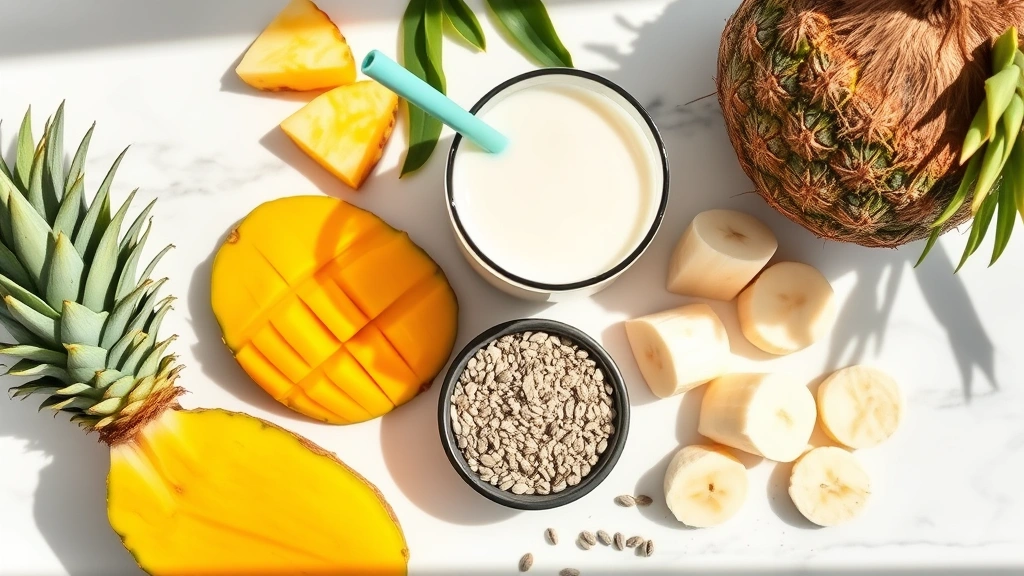
Tropical smoothies derive their distinctive character from fruits native to warm climates, each contributing unique nutritional signatures. Mango, the king of tropical fruits, provides beta-carotene (vitamin A precursor), vitamin C, and digestive enzymes, yet contains approximately 12 grams of sugar per 100-gram serving. Pineapple offers bromelain, a proteolytic enzyme supporting digestion, alongside 10 grams of natural sugars per equivalent serving. Coconut milk, increasingly popular as a creamier base, delivers medium-chain triglycerides (MCTs) but also contributes significant saturated fat.
Banana, often included for texture and potassium content, provides resistant starch when slightly underripe—beneficial for gut health—but adds approximately 27 grams of carbohydrates per medium fruit. Papaya contributes papain enzymes and vitamin C while remaining relatively low in calories. Understanding these individual components allows consumers to make strategic choices about ingredient ratios and combinations. For context on broader nutrition strategies, explore our healthy nutrition plan guide which discusses macronutrient balance principles applicable to smoothie construction.
Açai berries, marketed as superfoods, contain anthocyanins and antioxidants but are frequently consumed in processed frozen forms containing added sugars. Research from Pew Research Center indicates consumer perception of “superfood” labels significantly influences purchasing decisions regardless of actual nutritional content. This psychological component affects how tropical smoothies are marketed versus their actual health profile.
Calorie and Sugar Analysis
A typical 16-ounce tropical smoothie from commercial establishments contains 250-450 calories, with some premium blends exceeding 500 calories. The primary caloric contributors are fruit sugars, nut butters, granola toppings, and sweetened yogurt or milk bases. A standard mango-pineapple smoothie without additional sweeteners contains approximately 35-45 grams of natural sugars—nearly equivalent to a can of soda, despite its health halo.
The American Heart Association recommends maximum daily added sugar intake of 25 grams for women and 36 grams for men. A single tropical smoothie frequently exceeds these thresholds when commercial sweeteners, honey, agave, or flavored yogurts are included. The distinction between natural and added sugars matters biochemically; fructose from whole fruit differs from refined sugar, yet both trigger similar insulin responses in concentrated smoothie form. Blending process disrupts fiber structure, converting whole fruit’s glycemic impact to liquid form with accelerated absorption rates.
Calorie density in tropical smoothies often surprises consumers expecting light, refreshing beverages. Coconut milk (full-fat) contributes 560 calories per cup, while even lite versions contain 140 calories per cup. Nut butters add 190 calories per tablespoon. These seemingly small additions compound rapidly, transforming a fruit-based drink into a calorie-dense meal replacement. For those managing meal planning strategies, understanding smoothie composition becomes essential for accurate calorie tracking and macronutrient balance.
Protein and Fiber Content
Tropical smoothies, despite their health positioning, frequently lack adequate protein for satiety and muscle recovery. Fruit alone provides minimal protein—mangoes contain only 0.8 grams per cup, pineapple 0.9 grams per cup. Without intentional protein additions, tropical smoothies function as carbohydrate-dominant beverages rather than balanced meals. This matters significantly for athlete nutrition optimization where post-workout smoothies should contain 20-30 grams of protein for effective muscle protein synthesis.
Greek yogurt and protein powder represent common additions, each altering the nutritional profile substantially. Greek yogurt provides 15-20 grams of protein per 170-gram serving while introducing lactose and potential added sugars in flavored varieties. Plant-based protein powders vary dramatically in quality, with some containing more additives than actual protein isolates. Nut butters contribute protein (3-4 grams per tablespoon) alongside healthy fats but increase caloric density significantly.
Fiber content presents another critical consideration. Whole fruit contains beneficial fiber supporting digestive health, but blending breaks down fiber structure, reducing its effectiveness for blood sugar stabilization and satiety. A blended tropical smoothie may contain 2-4 grams of fiber, while the equivalent whole fruits would provide 5-8 grams of intact fiber with superior metabolic effects. Adding high-fiber ingredients like chia seeds (10 grams per ounce) or ground flaxseed (8 grams per ounce) can partially compensate but introduces texture changes requiring careful formulation.
Hidden Additives and Sweeteners
Commercial tropical smoothies frequently contain additives invisible to casual consumers. Fruit juice concentrates, marketed as “natural,” are concentrated sugar syrups with minimal nutritional value beyond calories. A single tablespoon of mango juice concentrate contains 11 grams of sugar with virtually no fiber. Honey and agave, positioned as healthier alternatives to refined sugar, contain identical caloric loads and similar glycemic impacts despite their natural sourcing.
Artificial sweeteners present paradoxical concerns. Aspartame, sucralose, and stevia enable lower-calorie formulations yet raise questions about metabolic effects and taste perception adaptation. Recent research suggests artificial sweeteners may influence gut microbiota and insulin sensitivity, though causality remains debated within the scientific community. Natural sweeteners like monk fruit extract avoid these concerns but remain expensive, limiting commercial adoption.
Thickening agents and stabilizers—guar gum, xanthan gum, cellulose—serve functional purposes in commercial smoothies but provide no nutritional benefit. Some consumers experience digestive sensitivity to these additives. Reading ingredient labels beyond nutrition facts panels reveals these hidden components, essential for those with specific dietary requirements or sensitivities. Understanding nutrient absorption optimization includes recognizing how additives may impact bioavailability of beneficial compounds.
Micronutrient Profiles
Tropical fruits deliver impressive micronutrient density when consumed whole, though processing affects bioavailability. Mango provides 54% of daily vitamin C needs per cup, supporting immune function and collagen synthesis. Pineapple offers 80% of daily vitamin C alongside bromelain for anti-inflammatory support. Coconut water, increasingly popular as a smoothie base, provides electrolytes—potassium (600mg per cup), sodium (252mg per cup)—relevant for hydration during and after exercise.
Vitamin A content varies dramatically by ingredient. Mango delivers 1582 IU per cup (32% of daily value), while papaya provides 1444 IU per cup. These fat-soluble vitamins require dietary fat for optimal absorption, supporting the inclusion of coconut milk, nut butters, or avocado in tropical smoothie formulations. Conversely, fat-free smoothies reduce bioavailability of these essential nutrients.
Mineral content includes manganese (supporting bone health and antioxidant defense), copper, and magnesium. Tropical fruits contribute these minerals, yet processing and storage conditions affect retention. Frozen fruits, often used in commercial smoothies, maintain micronutrient content reasonably well compared to fresh fruit stored for extended periods. Antioxidant compounds—anthocyanins in açai, polyphenols in mango—provide anti-inflammatory benefits, though their bioavailability in liquid form versus whole fruit remains an active research area.
Comparative Smoothie Breakdowns
Examining specific popular tropical smoothies reveals practical nutritional realities. A typical Jamba Juice “Tropical Smoothie” (20 oz) contains 290 calories, 63 grams carbohydrates, 13 grams sugar from added sources, and minimal protein (2 grams). This composition provides quick energy but limited satiety, likely resulting in hunger within 2-3 hours. Adding protein powder increases calories to approximately 380 while improving satiety and muscle recovery potential.
Açai bowl variants, increasingly popular in health-conscious communities, present deceptive calorie loads. A typical açai base (100 calories) topped with granola (200 calories), coconut (60 calories), honey (60 calories), and fresh fruit (40 calories) totals 460 calories before consumption, yet marketing emphasizes the antioxidant açai content while downplaying the calorie-dense toppings contributing most of the caloric load.
Homemade smoothie construction allows precise control over nutritional composition. A optimized tropical smoothie might include: 1 cup frozen mango (100 cal, 24g carbs, 1g protein), ½ frozen banana (53 cal, 12g carbs), ½ cup Greek yogurt (60 cal, 10g protein), ½ cup coconut milk (220 cal, 2g protein), 1 tablespoon almond butter (95 cal, 3.5g protein), 1 tablespoon ground flaxseed (55 cal, 2g fiber, 1.5g protein). Total: 583 calories, 50g carbohydrates, 18g protein, 2g fiber—a substantially more balanced macronutrient profile than typical commercial versions.
Optimization Strategies
Creating nutritionally superior tropical smoothies requires strategic ingredient selection and proportion management. Prioritize whole fruit over juice concentrates, using frozen options for convenience and nutrient preservation. Frozen fruit also provides colder temperature supporting extended blending without nutrient degradation from heat generation.
Protein integration should align with consumption context. Post-workout smoothies benefit from 25-30 grams protein supporting muscle recovery, while breakfast smoothies might target 15-20 grams for satiety. Whey protein isolate offers high protein-to-calorie ratio (120 calories for 25g protein) compared to whole milk (150 calories for 8g protein). Plant-based alternatives vary widely; pea protein isolate provides 120 calories per 25g protein serving, while hemp seeds deliver complete amino acids but with lower protein density (10g per 3 tablespoons alongside 160 calories).
Fiber incorporation addresses the satiety and blood sugar stabilization gaps inherent in fruit-only smoothies. Chia seeds, ground flaxseed, or psyllium husk powder contribute 5-10 grams additional fiber per serving. Start with smaller quantities (1-2 tablespoons) as excessive fiber can cause digestive discomfort. These additions minimally impact taste while substantially improving metabolic effects.
Liquid base selection dramatically affects overall nutritional profile. Unsweetened almond milk (30 calories per cup, 1g protein) versus full-fat coconut milk (560 calories per cup, 5g protein) creates 530-calorie differences in identical smoothie formulations. Plant-based milk alternatives—oat milk, cashew milk—offer middle-ground options balancing creaminess and caloric load. Coconut water provides electrolyte benefits for hydration-focused smoothies but should not constitute the entire liquid base due to sugar content (9g per cup).
Fat integration requires intentional consideration rather than avoidance. Healthy fats from nuts, seeds, and avocado improve micronutrient absorption, support satiety, and provide sustained energy. However, fat density (9 calories per gram versus 4 for carbohydrates and protein) necessitates portion control. One tablespoon of nut butter provides substantial benefits without excessive calories; three tablespoons transforms a health beverage into a calorie-dense meal.
Temperature and timing considerations affect nutrient absorption and satiety. Cold smoothies consumed rapidly reduce satiety duration compared to room-temperature versions consumed slowly, likely due to improved sensory perception and eating-speed effects. Consuming smoothies with whole food components (whole grain toast, handful of nuts) improves satiety and blood sugar stability compared to smoothie-only consumption.
FAQ
How much sugar is actually in tropical smoothies?
Tropical smoothies typically contain 35-55 grams of sugar per 16-ounce serving, with approximately 10-15 grams from added sources (honey, sweeteners, flavored yogurt) and 25-40 grams from fruit sugars. This exceeds the American Heart Association’s daily added sugar recommendation in a single beverage. Homemade versions using whole fruit and unsweetened bases reduce added sugar to near-zero while maintaining natural fruit sugars around 25-30 grams.
Are tropical smoothies better than soda?
Nutritionally, tropical smoothies provide micronutrients, fiber, and phytonutrients absent from soda, making them superior choices. However, calorie and sugar content can be comparable—a 20-ounce tropical smoothie with 290 calories and 50g sugar differs minimally from equivalent soda. The key advantage of smoothies lies in micronutrient density and satiety-promoting fiber and protein when properly formulated, not inherent superiority of “natural” sugar.
What’s the best protein powder for tropical smoothies?
Whey protein isolate offers the best protein-to-calorie ratio (25g protein, 120 calories) with excellent mixability and bioavailability. For plant-based options, pea protein isolate provides complete amino acids with similar caloric efficiency. Avoid protein blends containing fillers, excessive additives, or added sugars. Third-party testing through organizations like NSF Certified for Sport or Informed Choice ensures quality and contamination screening.
Can tropical smoothies support weight loss?
Tropical smoothies support weight loss when formulated with adequate protein (20-30g), fiber (5-10g), and portion-controlled calories (300-400 calories maximum). The satiety-promoting effects of protein and fiber create caloric deficits more easily maintained than restrictive approaches. However, commercial smoothies with 500+ calories and minimal protein actively hinder weight loss despite health positioning. Homemade versions with strategic ingredient selection prove far more effective.
How do frozen tropical smoothies compare to fresh?
Frozen fruit maintains micronutrient content effectively during freezing, with minimal nutrient loss compared to fresh fruit stored for several days. Frozen smoothies offer convenience, extended shelf life, and superior texture. Fresh fruit provides slightly higher enzyme activity and psychological satisfaction, yet nutritional differences prove minimal. Frozen tropical fruit represents a practical, economical option without meaningful nutritional compromise.
Should tropical smoothies replace meals?
Properly formulated tropical smoothies containing 25-30g protein, 5-10g fiber, and 300-400 calories can function as meal replacements for breakfast or lunch. However, typical commercial smoothies lack adequate protein and fiber for true meal replacement, leaving consumers hungry within hours. Adding protein powder, Greek yogurt, and fiber sources transforms smoothies into legitimate meal replacements; fruit-only versions function better as snacks or beverage supplements to solid meals.


