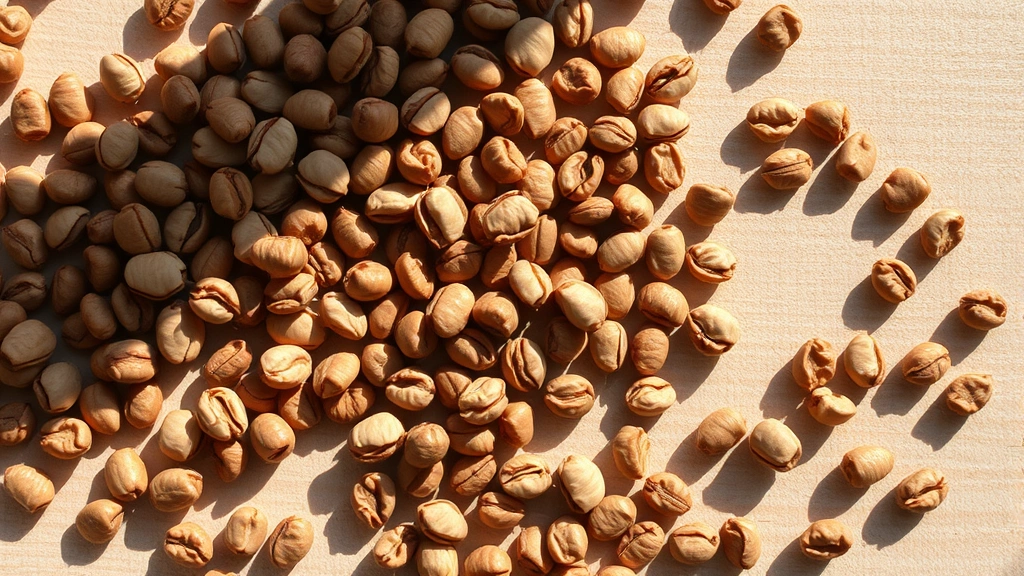
Vaal Beans Nutrition Facts: Dietitian Insights
Vaal beans, also known as moth beans or mung beans in some regions, represent one of the most nutrient-dense legumes available in modern nutrition. These small, greenish-brown legumes have been cultivated for centuries across South Asia, Africa, and the Middle East, offering exceptional health benefits that dietitians increasingly recommend to clients seeking plant-based protein sources. Understanding the complete nutritional profile of vaal beans enables health-conscious consumers to make informed dietary decisions that support long-term wellness goals.
The rising popularity of vaal beans in Western dietary patterns reflects a broader shift toward sustainable, plant-based nutrition. Unlike animal proteins, which carry higher environmental costs, vaal beans deliver complete amino acid profiles with minimal ecological impact. Registered dietitians consistently highlight vaal beans as a cornerstone ingredient for individuals managing diabetes, heart disease, and digestive health concerns. This comprehensive guide explores the science-backed nutrition facts of vaal beans and provides actionable insights from nutrition professionals.
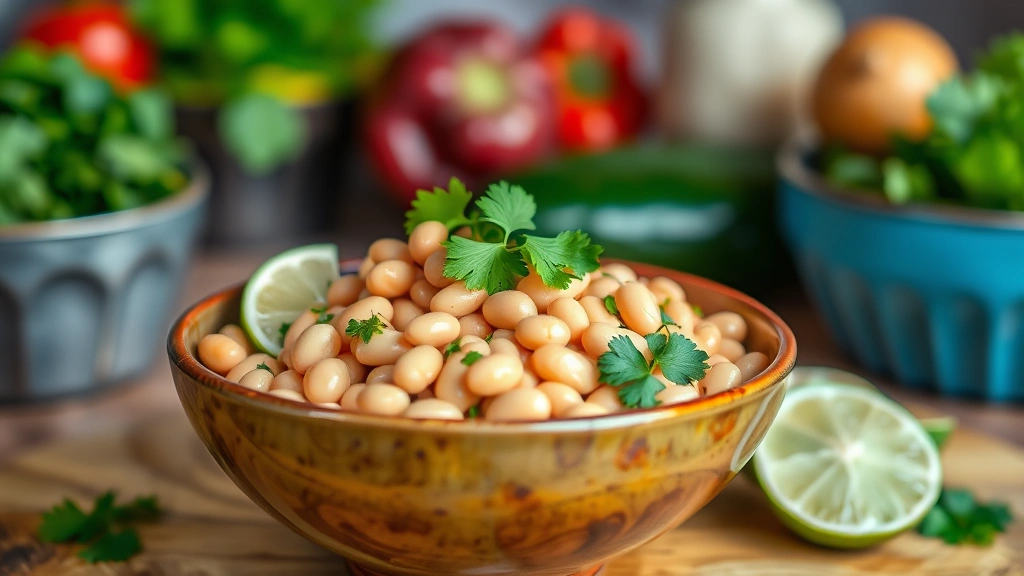
Complete Nutritional Breakdown Per Serving
One cooked cup of vaal beans (approximately 202 grams) contains approximately 212 calories, making them an efficient source of concentrated nutrition. The macronutrient distribution reveals why dietitians favor this legume: roughly 14.5 grams of protein, 38 grams of carbohydrates, and minimal fat content at just 0.8 grams. This composition positions vaal beans as an ideal food for individuals following plant-based diets or those seeking to reduce saturated fat intake.
The caloric efficiency of vaal beans becomes particularly evident when compared to processed alternatives. A single serving provides substantial satiety through protein and fiber combinations, meaning smaller portions deliver greater nutritional satisfaction. Dietitians often recommend vaal beans for weight management protocols because the high protein-to-calorie ratio supports muscle maintenance while promoting prolonged fullness signals to the brain. The carbohydrate content consists primarily of complex carbs and resistant starch, which metabolize slowly and maintain stable blood glucose levels.
Raw vaal beans contain approximately 60% carbohydrates by dry weight, but cooking dramatically alters the digestibility and nutritional availability. The cooking process breaks down oligosaccharides—compounds responsible for digestive discomfort—while enhancing mineral bioavailability. Soaking vaal beans for 8-12 hours before cooking further reduces these problematic compounds and increases enzyme activity that facilitates nutrient absorption.
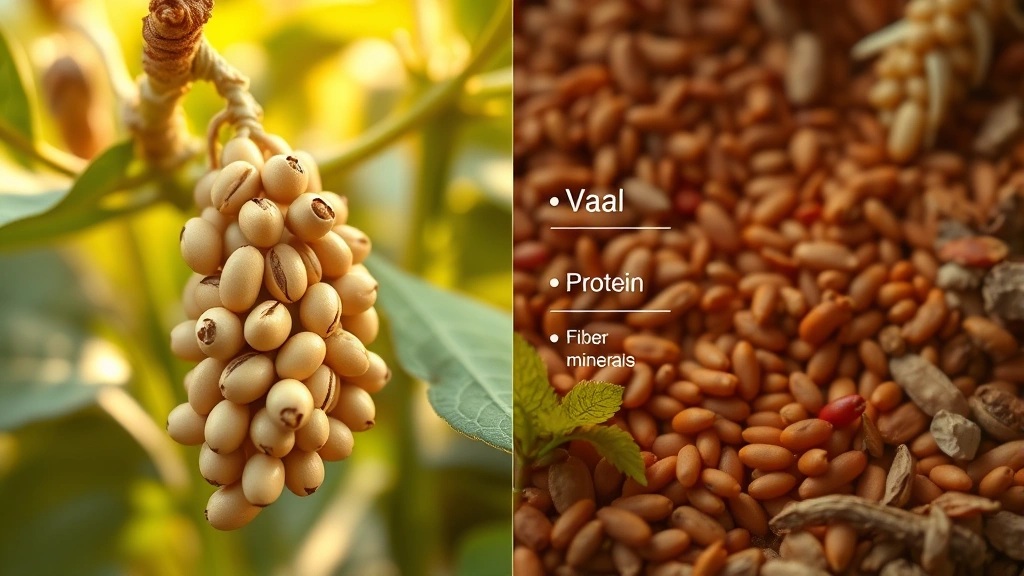
Protein Content and Amino Acid Profile
Vaal beans deliver approximately 14.5 grams of protein per cooked cup, positioning them among the highest-protein legumes available. For vegetarians and vegans, this protein content proves invaluable, particularly when combined with whole grains like rice or quinoa to create complete amino acid profiles. The Nutrients Pathway Blog emphasizes that plant-based proteins require strategic food combining to ensure all nine essential amino acids are present in adequate quantities.
Vaal beans contain all nine essential amino acids, though in varying concentrations. Methionine and cysteine appear in slightly lower amounts compared to legumes like lentils, which is why combining vaal beans with methionine-rich grains creates nutritionally complete meals. Leucine, isoleucine, and valine—the branched-chain amino acids crucial for muscle protein synthesis—appear in substantial quantities, supporting muscle recovery and athletic performance.
The protein quality of vaal beans, measured by the Protein Digestibility-Corrected Amino Acid Score (PDCAAS), ranks approximately 0.62 on a scale where 1.0 represents perfect quality. This score improves significantly when vaal beans combine with whole grains, creating a PDCAAS of 0.80 or higher. For individuals recovering from illness or engaging in resistance training, this protein synergy becomes particularly valuable for supporting muscle tissue adaptation and repair mechanisms.
Research from the Pew Research Center’s nutrition studies indicates that plant-based protein sources like vaal beans demonstrate equivalent muscle-building capacity to animal proteins when consumed in sufficient quantities and combined strategically. Dietitians typically recommend 25-30 grams of protein per meal, achievable through combining one cup of cooked vaal beans with a quarter cup of brown rice and complementary vegetables.
Fiber Benefits for Digestive Health
Vaal beans contain approximately 15.4 grams of dietary fiber per cooked cup, with roughly 60% consisting of insoluble fiber and 40% soluble fiber. This balanced fiber composition addresses multiple digestive concerns simultaneously. Insoluble fiber adds bulk to stool, promoting regular bowel movements and preventing constipation, while soluble fiber feeds beneficial gut bacteria and supports cholesterol management. Understanding the importance of dietary fiber for your health provides essential context for optimizing digestive wellness.
The soluble fiber in vaal beans forms a viscous gel in the digestive tract, slowing gastric emptying and prolonging nutrient absorption. This mechanism explains why vaal bean consumption correlates with improved satiety and reduced caloric intake in observational studies. The soluble fiber also serves as prebiotic substrate, selectively feeding Bifidobacterium and Lactobacillus species that produce short-chain fatty acids, particularly butyrate, which strengthens intestinal barrier function and reduces systemic inflammation.
Dietitians caution that introducing high-fiber foods like vaal beans requires gradual implementation to allow gut microbiota adaptation. Individuals accustomed to low-fiber diets may experience temporary bloating or gas when suddenly consuming large quantities. A practical approach involves starting with half-cup servings and increasing portions over 2-3 weeks, allowing bacterial populations to adjust and enzyme production to optimize.
The resistant starch content in cooked and cooled vaal beans provides additional digestive benefits. When vaal beans are cooked and refrigerated for 24 hours, some starch retrograde into resistant starch forms that resist digestion in the small intestine. These compounds reach the colon intact, functioning similarly to soluble fiber and supporting healthy microbiota populations. This property makes meal-prepped vaal bean dishes particularly beneficial for digestive health optimization.
Micronutrients: Vitamins and Minerals
Beyond macronutrients, vaal beans deliver impressive micronutrient density that supports diverse physiological functions. One cooked cup provides approximately 80% of daily recommended folate intake, a B-vitamin essential for DNA synthesis, cell division, and methylation reactions throughout the body. Folate becomes particularly crucial for women of childbearing age, as adequate intake during pregnancy prevents neural tube defects and supports fetal development.
The mineral profile of vaal beans includes iron (approximately 3.2 mg per cup), manganese (0.8 mg), magnesium (96 mg), and phosphorus (266 mg). The iron content proves especially valuable for vegetarians and vegans, though plant-based non-heme iron requires vitamin C co-consumption to maximize absorption. Combining vaal beans with citrus fruits, tomatoes, or bell peppers significantly enhances iron bioavailability through acidic pH environments that keep iron in its absorbable ferrous form.
Manganese supports bone mineralization, wound healing, and antioxidant enzyme production through manganese-dependent superoxide dismutase. The magnesium content addresses widespread deficiency patterns in modern populations, supporting muscle function, cardiovascular health, and stress response regulation. Phosphorus works synergistically with calcium to maintain skeletal integrity and cellular energy production through ATP synthesis.
Vaal beans also contain notable quantities of polyphenolic compounds with antioxidant and anti-inflammatory properties. These plant-based phytochemicals include flavonoids, phenolic acids, and tannins that combat oxidative stress and may reduce chronic disease risk. The total polyphenol content varies based on variety and growing conditions, with darkly-pigmented varieties typically containing higher concentrations.
Blood Sugar Management Properties
The glycemic index of cooked vaal beans ranks among the lowest of all foods, approximately 32 on a scale where 100 represents pure glucose. This low glycemic response results from the combination of soluble fiber, resistant starch, and protein, which collectively slow carbohydrate digestion and glucose absorption. For individuals managing type 2 diabetes or prediabetes, vaal beans represent an ideal carbohydrate source that maintains stable blood glucose without triggering insulin spikes.
Clinical studies demonstrate that regular legume consumption, including vaal beans, improves insulin sensitivity and reduces fasting glucose levels in diabetic populations. The high soluble fiber content dampens the postprandial glucose response, preventing blood sugar oscillations that contribute to energy crashes and increased hunger. Dietitians frequently recommend vaal beans as a replacement for refined carbohydrates like white rice or bread, achieving comparable satiety with superior metabolic outcomes.
The polyphenolic compounds in vaal beans demonstrate additional glucose-management benefits through multiple mechanisms. Some polyphenols inhibit alpha-glucosidase enzymes that break down complex carbohydrates, effectively reducing carbohydrate bioavailability. Others enhance insulin secretion from pancreatic beta cells and improve insulin receptor sensitivity in peripheral tissues. These mechanisms work synergistically with the fiber and protein components to create a uniquely beneficial food for glucose homeostasis.
Research published in Diabetes research journals consistently demonstrates that individuals incorporating legumes like vaal beans into their dietary patterns experience improved HbA1c levels—a marker of long-term glucose control—compared to control groups. For optimal blood sugar management, dietitians recommend consuming vaal beans with non-starchy vegetables and healthy fats, which further modulate the glycemic response.
Heart Health and Cholesterol Impact
Cardiovascular disease prevention represents a primary motivation for dietitian recommendations of vaal beans. The soluble fiber content directly reduces low-density lipoprotein (LDL) cholesterol through multiple pathways. Soluble fiber binds bile acids in the intestinal lumen, preventing reabsorption and forcing the liver to synthesize new bile acids from circulating cholesterol stores. This mechanism effectively lowers circulating LDL cholesterol by 5-10% when vaal beans appear regularly in the diet.
The near-complete absence of saturated fat in vaal beans contrasts sharply with animal protein sources, making them ideal for individuals following heart-healthy dietary patterns. The minimal sodium content (2 mg per cup) supports blood pressure regulation, particularly important for hypertensive individuals. The potassium content (717 mg per cup) promotes vasodilation and counteracts sodium’s hypertensive effects through multiple regulatory mechanisms.
Polyphenolic compounds in vaal beans demonstrate direct cardiovascular benefits through endothelial function improvement. These compounds enhance nitric oxide production in arterial endothelium, promoting vasodilation and reducing vascular resistance. The anti-inflammatory properties of vaal bean polyphenols also address chronic inflammation—a fundamental driver of atherosclerosis progression—through suppression of pro-inflammatory cytokine production.
Homocysteine reduction represents another cardiovascular benefit of vaal bean consumption. The high folate content supports methylation of homocysteine to methionine, effectively lowering circulating homocysteine levels. Elevated homocysteine independently increases cardiovascular disease risk through endothelial damage and thrombotic pathway activation, making folate-rich foods like vaal beans valuable for primary prevention strategies.
Comparison with Other Legumes
While vaal beans offer exceptional nutrition, comparing their profile with other legumes provides valuable context. Red lentils contain slightly higher protein (25 grams per cooked cup) but lower fiber (8 grams), whereas black beans offer comparable fiber (15 grams) with marginally higher protein (15 grams). Chickpeas deliver superior manganese content but contain more fat, though primarily unsaturated varieties.
The digestibility profile distinguishes vaal beans from other legumes. Due to lower oligosaccharide content compared to chickpeas or kidney beans, vaal beans typically produce less digestive distress. This property makes vaal beans particularly suitable for individuals with sensitive digestive systems or those new to legume consumption. The cooking time for vaal beans (approximately 45-60 minutes) falls between the quick-cooking lentils (20-30 minutes) and longer-cooking chickpeas (90-120 minutes).
Phytate content—an anti-nutrient that binds minerals and reduces bioavailability—appears lower in vaal beans than in many legume varieties. Soaking and cooking further reduce phytates by 50-70%, making properly prepared vaal beans superior to raw forms for mineral absorption. When compared to nutrition facts about avocados, vaal beans provide comparable healthy fat profiles with substantially higher protein content.
Cost-effectiveness represents another practical advantage of vaal beans. Dried vaal beans typically cost 30-50% less than comparable legumes per serving, making them accessible for budget-conscious consumers and families. This affordability combined with superior nutrition makes vaal beans particularly valuable in food-insecure populations seeking nutrient density without excessive expense.
Practical Preparation and Cooking Methods
Optimal preparation techniques maximize vaal bean nutrition while minimizing anti-nutrients and digestive challenges. The traditional method involves rinsing dried beans under cool water, then soaking in fresh water for 8-12 hours at room temperature. This soaking process activates plant enzymes and reduces oligosaccharides responsible for digestive discomfort. After soaking, discard the soaking water and rinse thoroughly before cooking in fresh water.
Pressure cooking vaal beans significantly reduces cooking time from 45-60 minutes to 15-20 minutes, making meal preparation more convenient for busy individuals. This method preserves heat-sensitive nutrients better than prolonged boiling and creates a creamier texture preferred in many culinary applications. A pressure cooker with 15 PSI (pounds per square inch) pressure represents the standard for legume cooking.
For optimal digestive tolerance, add a small piece of kombu seaweed during cooking. Kombu contains enzymes that break down the oligosaccharide compounds, significantly reducing post-consumption bloating. Alternatively, adding a teaspoon of baking soda to the cooking water achieves similar results, though this slightly reduces certain heat-sensitive vitamins.
Meal-prepping vaal beans in bulk quantities offers practical convenience for busy professionals. Cooked vaal beans stored in airtight containers maintain freshness for 5 days in refrigeration and up to 6 months in freezing. This preparation approach ensures consistent legume consumption despite demanding schedules. Understanding how to develop a healthy nutrition plan includes strategic meal preparation of nutrient-dense foods like vaal beans.
Sprouting dried vaal beans represents an advanced preparation method that further enhances nutrition. Sprouted vaal beans contain increased enzyme activity, elevated vitamin content (particularly B vitamins and vitamin C), and reduced anti-nutrients. The sprouting process involves soaking for 12 hours, then draining and rinsing every 8-12 hours until small shoots emerge (typically 2-4 days). Sprouted vaal beans offer superior digestibility and increased bioavailability of minerals.
Culinary applications extend beyond simple cooked preparations. Vaal bean flour provides a protein-rich alternative to wheat flour in baking applications, with typical recipes replacing 20-30% of wheat flour with vaal bean flour. This substitution increases protein content from 3 grams to 8-10 grams per serving while maintaining acceptable texture and flavor profiles. Vaal bean-based pastas, breads, and snacks offer convenient ways to increase legume consumption.
FAQ
What is the exact protein content in vaal beans compared to chicken?
Cooked vaal beans contain approximately 14.5 grams of protein per cup, while skinless chicken breast provides about 26 grams per 100 grams. However, vaal beans offer significantly lower calorie density (212 calories per cup versus 165 calories per 100 grams of chicken) and provide fiber, making them superior for weight management. The protein quality improves substantially when vaal beans combine with whole grains.
Can vaal beans cause weight gain?
No; vaal beans support weight loss through high satiety signals generated by protein and fiber combinations. The resistant starch formed in cooked and cooled vaal beans further enhances satiety while reducing caloric availability. Studies demonstrate that legume consumption correlates with lower body mass index and improved weight management outcomes compared to control diets.
Are vaal beans suitable for people with kidney disease?
Individuals with advanced kidney disease should consult healthcare providers before consuming vaal beans due to potassium and phosphorus content. However, those with early-stage kidney disease or hypertension benefit from vaal bean consumption due to superior cardiovascular outcomes. Nephrologists can provide personalized recommendations based on individual kidney function markers.
How do vaal beans affect digestion initially?
New legume consumers may experience temporary bloating or gas as gut microbiota adapt to increased fiber intake. This typically resolves within 2-3 weeks as beneficial bacterial populations expand. Starting with small portions (quarter to half cup) and gradually increasing intake, combined with proper preparation techniques like soaking and adding kombu, minimizes digestive disturbances.
What is the environmental impact of vaal bean cultivation?
Vaal bean cultivation requires substantially less water than animal protein production—approximately 4,000 liters per kilogram compared to 15,000 liters for beef production. Legumes also fix atmospheric nitrogen through symbiotic relationships with soil bacteria, reducing synthetic fertilizer requirements. This makes vaal beans among the most sustainable protein sources available, supporting both personal and planetary health.
Can vaal beans replace all protein sources in a plant-based diet?
While vaal beans provide substantial protein, variety ensures complete amino acid intake and diverse micronutrient profiles. Combining vaal beans with other legumes (lentils, chickpeas), whole grains (quinoa, brown rice), nuts, and seeds creates nutritionally complete diets that support optimal health. Dietitians recommend consuming at least three different legume types weekly for comprehensive nutritional coverage.
How does cooking method affect vaal bean nutrition?
Pressure cooking preserves heat-sensitive B vitamins better than prolonged boiling while reducing cooking time. Sprouting further increases vitamin content and enzyme activity. Slow cooking in broth extracts additional minerals into the cooking liquid. All methods effectively reduce anti-nutrients when combined with proper soaking. Choose based on convenience while prioritizing consistency of consumption.


