Table of Contents
Introduction
Let’s tackle one of the biggest questions people ask about going vegan: “But where do you get your protein?” And more specifically—complete protein. You know, the kind that has all those amino acids your body can’t make on its own. Here’s what might surprise you: getting complete proteins on a plant-based diet isn’t just possible, it’s actually pretty straightforward once you know what you’re looking for.
Complete proteins are basically the gold standard—they contain all nine essential amino acids your body needs but can’t produce. Think of them as a complete toolbox rather than just a few scattered tools. For anyone eating vegan, these proteins are crucial for everything from muscle repair to keeping your immune system strong. And here’s the good news: plenty of plant foods naturally contain complete protein profiles. Quinoa? Complete. Chia seeds? Yep, complete too. The variety might actually surprise you.
But this isn’t just about meeting your protein needs (though that’s obviously important). When you choose vegan complete proteins, you’re also making a choice that benefits your health in broader ways and helps the planet too. Plant-based eating has been linked to better heart health, more stable energy levels, and even improved mood. Plus, there’s growing research connecting what we eat to how we feel mentally—which makes sense when you think about it. Food is fuel for both your body and your brain.
Now, if you’re an athlete or someone who stays pretty active, you might be wondering: “Can plant proteins really support my performance?” Short answer: absolutely. Foods like tofu, tempeh, and hemp seeds aren’t just complete proteins—they’re also packed with other nutrients that support recovery and energy. The key is knowing how to choose and combine them effectively. (And yes, you’ll want to keep an eye on things like vitamin B12 too, but we’ll touch on that.)
What You’ll Learn in This Guide
We’re going to break down everything you need to know about vegan complete proteins—what they are, where to find them, and how to make them work for your lifestyle. You’ll also discover the bigger picture benefits and when you might want to consider supplements.
- Understanding Complete Proteins: Learn about the nine essential amino acids, the difference between complete and incomplete proteins, and why they matter especially for vegans.
- Top Vegan Sources: Explore a list of whole foods like quinoa, amaranth, buckwheat, and soy products that pack complete protein profiles along with fortified and processed options to fit your lifestyle.
- Combining Plant Proteins: Understand how to mix incomplete proteins strategically to form complete proteins, ensuring balanced amino acid intake at every meal.
- Health and Sustainability Benefits: Discover how vegan complete proteins support your health and the environment, along with tips on when to consider vegan protein supplements.
Ready to dive in? We’re about to explore the world of complete proteins and all the plant-based options available to you. This isn’t just nutrition theory—it’s practical knowledge you can use to create meals that taste great and fuel your body properly. Whether you’re focused on optimal health, athletic performance, or doing your part for the environment, understanding these protein sources is a game-changer.
The right vegan protein choices can completely transform how you approach your diet. If you’re curious about the bigger picture, you might want to check out this guide on plant-based protein sources and how they stack up nutritionally—it’s incredibly helpful for making smart food choices. And since proteins work best as part of a balanced approach, this healthy nutrition plan can help you see how everything fits together with vitamins, minerals, and overall dietary balance.
While we’re focusing on vegan options here, it’s also worth understanding the benefits of a high protein diet from a broader health perspective—think muscle growth, weight management, and bone health. These insights can help you fine-tune your eating habits for complete wellness. So let’s get started and unlock the power of plant-based complete proteins together!
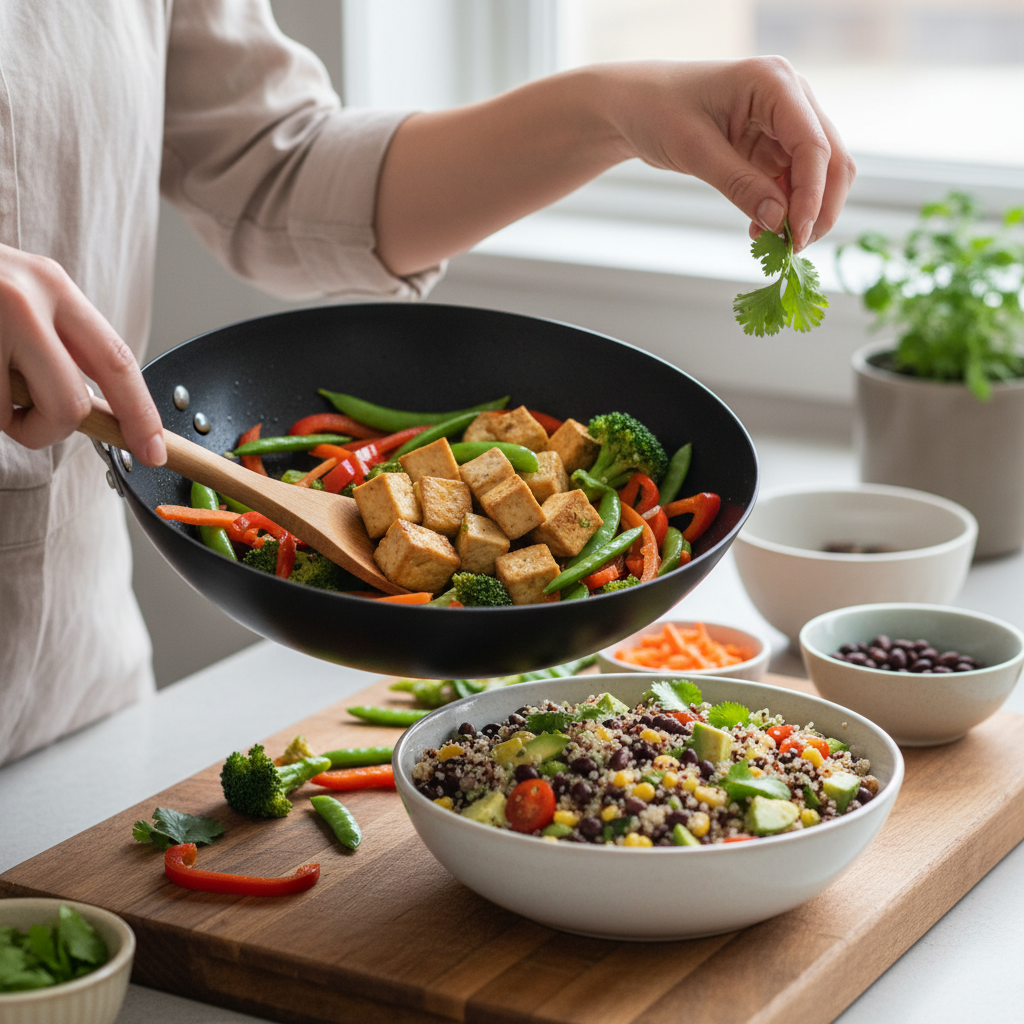
So you’ve got the basics of vegan complete proteins down—now let’s get into the good stuff. How do these proteins actually work in your body? And more importantly, what’s the smartest way to work them into your daily meals? Here’s the thing: knowing which plant foods pack all nine essential amino acids (and how to mix and match the ones that don’t) can be a total game-changer for your vegan journey. We’re going to break down the science behind protein combinations and share some practical tricks that’ll make hitting your protein goals feel effortless. Our guide on plant based protein sources offers comprehensive insights into these options for a balanced vegan diet.
Exploring Common Vegan Sources of Complete Protein
Let’s start with the basics. Complete proteins are like the VIP section of nutrition—they contain all nine essential amino acids your body can’t make on its own. While most animal foods naturally deliver this complete package, plant proteins? Well, they’re a bit more selective. But here’s the exciting part: several vegan foods are absolute rockstars when it comes to complete protein. These nutritional powerhouses make meeting your protein needs surprisingly straightforward (no meat required).
The beauty of plant-based eating today? There are so many fortified options that your protein choices are practically endless. Think tofu that’s been perfected over centuries, tempeh with its nutty flavor, and ancient grains that have been fueling civilizations forever. The variety means you’ll never get bored. Plus, nutrition experts consistently point to strategic meal planning as the secret sauce for optimizing protein quality. For a broader look at how these proteins fit into your overall eating plan, check out these insights on healthy nutrition plans, which emphasize balanced diets inclusive of complete plant proteins.
Key Aspects of Complete Vegan Proteins
Ready to meet your new protein all-stars? Here are the plant-based champions you’ll want to get cozy with:
- Quinoa: This little seed (yes, it’s technically a seed!) is basically nature’s protein powder. All essential amino acids? Check. Fiber, minerals, and antioxidants? Double check. Plus, it tastes great in everything from breakfast bowls to dinner salads.
- Soy Products (Tofu, Tempeh, Edamame): The holy trinity of plant protein. These soy superstars don’t just deliver complete amino acid profiles—they’re incredibly versatile. Tofu takes on any flavor you throw at it, tempeh brings that satisfying bite, and edamame makes the perfect snack.
- Chia and Hemp Seeds: Tiny but mighty. These seeds pack complete protein plus those heart-healthy omega-3s your body craves. Sprinkle them on literally anything for an instant nutrition boost.
- Fortified and Processed Options: Modern food science has given us some pretty amazing options here. High-quality plant protein powders and those increasingly realistic meat alternatives mean you can hit your protein targets while satisfying any craving.
Getting these protein-rich foods into your routine isn’t just about meeting numbers on a nutrition label. We’re talking about fueling your muscles, supporting your immune system, and keeping your energy steady throughout the day. The best part? You can enjoy incredible variety while doing it.
Now, what about all those plant proteins that aren’t quite complete on their own? That’s where things get really interesting.
Combining Incomplete Plant Proteins for Nutritional Completeness
Here’s where vegan nutrition gets creative. Most plant proteins are missing one or two essential amino acids—but that’s not a problem, it’s an opportunity. When you pair foods strategically, their amino acid profiles complement each other perfectly. It’s like having puzzle pieces that fit together to create the complete picture your body needs. The key insight from plant-based protein sources enhances understanding of these nutritional techniques.
And here’s the beautiful thing about protein combining: you don’t need to stress about getting perfect combinations at every single meal. Your body is smarter than that—it pools amino acids from throughout the day. This flexible approach means you can eat foods you actually enjoy, work with what’s available in your area, and honor your cultural food traditions. The research highlighted in resources like healthy nutrition plans shows that dietary variety combined with smart pairing delivers excellent long-term results.
Key Complementary Protein Combinations
These classic food pairings have been feeding people well for generations:
- Rice and Beans: The ultimate comfort food combo that just happens to be nutritionally perfect. Rice brings the amino acids beans are missing, and beans fill in rice’s gaps. It’s no accident this pairing shows up in cuisines around the world.
- Peanut Butter on Whole Grain Bread: Your childhood favorite was actually a nutrition win all along. Nuts plus grains equals complete protein, and it couldn’t be easier to throw together for breakfast or a quick snack.
- Lentils with Quinoa: This power couple delivers complete protein plus incredible fiber, minerals, and satisfying textures. Perfect for meal prep since both ingredients store well and reheat beautifully.
- Other Balanced Food Pairings: Think hummus with pita bread, corn and black bean salsa, or even a trail mix with nuts and seeds. Once you understand the principle, you’ll start spotting these winning combinations everywhere.
The real magic happens when you realize how simple this actually is. You’re probably already eating complementary proteins without even thinking about it. Whether you’re cooking at home or grabbing something on the go, these natural food partnerships make complete protein intake totally doable—and delicious.

So here’s what we’ve discovered about getting complete protein on a vegan diet—and honestly, it’s pretty exciting stuff. Those nine essential amino acids your body can’t make on its own? You can absolutely get them all from plants. We’ve covered the obvious champions like quinoa, amaranth, and buckwheat, plus all those versatile soy options (tofu, tempeh—you know the drill). And don’t forget about the convenient stuff: seitan, protein powders, and those plant-based meats that keep getting better. The real game-changer though? Learning that simple combinations like rice and beans or peanut butter on whole grain bread can give you everything you need.
But here’s the thing—this goes way beyond just hitting your protein targets. When you choose plant-based complete proteins, you’re doing your heart a favor, keeping your energy steady throughout the day, and even supporting better mental clarity. (Plus, let’s be real, it’s one of the best things you can do for the planet.) Whether you’re crushing it at the gym or just trying to feel your best every day, these proteins have your back for muscle repair, immune support, and sustained energy.
Ready to take this further? Start with our complete guide on plant-based protein sources—it’s packed with options you might not have considered yet. If you’re an athlete (or just love staying active), check out our targeted advice on nutrition for athletes that works perfectly with plant-based eating. Want to geek out on the specifics? Our breakdown of quinoa’s nutrition facts shows why this little seed is such a powerhouse. And for the bigger picture on how plant-based eating transforms your health and helps the environment, this resource on plant-based diet benefits connects all the dots beautifully.
Look, every protein choice you make matters—for your body and for the world around you. Need help putting it all together? Our tips for meal planning will show you how to create balanced, protein-rich vegan meals without the stress. You’ve got this, and you’ve got the knowledge to make it work.
Frequently Asked Questions
-
Can vegans get enough complete protein from diet alone?
- Absolutely! With a varied diet that includes complete proteins and smart combinations, you can easily meet all your essential amino acid needs. No stress required.
-
What are some easy vegan meals high in complete protein?
- Think quinoa salad, tofu stir-fry, or classic rice and bean bowls. These aren’t just nutritious—they’re actually delicious and super satisfying too.
-
Are vegan protein supplements necessary?
- Not really, unless you’re an athlete or have higher protein needs. Most people do just fine with whole foods, but supplements can be handy for recovery support.
-
How do I know if a vegan food is a complete protein?
- Check if it has all nine essential amino acids, or just combine different protein sources throughout your day. Your body is pretty good at putting the pieces together.