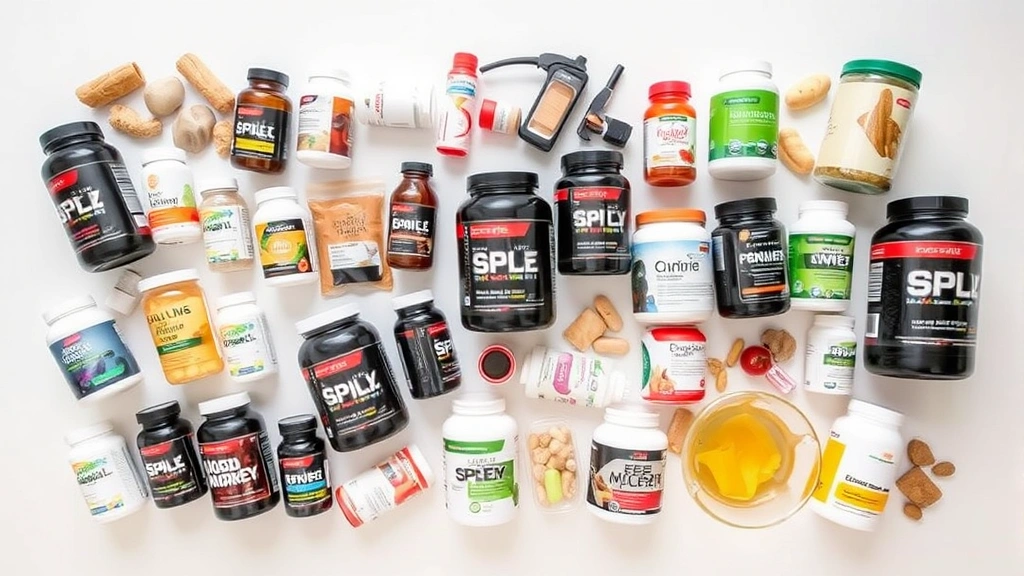
Best Deals at Vegas Nutrition Stores? Shopper’s Insight
Las Vegas has emerged as an unexpected hub for health-conscious consumers seeking premium nutrition products at competitive prices. Whether you’re a local resident or visiting the Strip, finding quality supplements, protein powders, and wellness products without breaking the bank requires strategy and insider knowledge. The city’s booming fitness culture and high foot traffic have created a unique retail landscape where discount nutrition stores compete aggressively to capture market share.
This comprehensive guide reveals where savvy shoppers find the best deals on vitamins, minerals, sports nutrition, and dietary supplements throughout Las Vegas. We’ll explore the mechanics of discount pricing in the nutrition retail space, compare major retailers, and share proven strategies for maximizing your savings while maintaining product quality and authenticity.
Understanding Vegas Nutrition Retail Landscape
Las Vegas presents a distinctive market dynamic for nutritional supplements and wellness products. The convergence of tourism, fitness enthusiasm, and competitive retail has created opportunities for consumers to access premium brands at discounted rates. Major national chains, independent retailers, and warehouse clubs all maintain significant presence throughout the metropolitan area, from downtown Las Vegas to the suburban areas surrounding Henderson and North Las Vegas.
The city’s demographics drive demand for performance nutrition and health optimization products. Fitness enthusiasts, bodybuilders, athletes, and general wellness seekers create consistent customer demand that allows retailers to maintain lower margins while achieving high volume. According to Pew Research Center data on consumer health trends, supplement usage has increased substantially, with nearly 80% of American adults using at least one dietary supplement annually, creating competitive pressure on retailers to offer attractive pricing.
Understanding this landscape helps you identify which stores prioritize discount positioning versus premium branding. Some retailers emphasize bulk purchasing power and efficient supply chains to pass savings to customers, while others focus on specialized products and expert consultation at higher price points. Your shopping strategy should align with your priorities—whether cost minimization, product selection, or personalized guidance matters most.
Top Discount Nutrition Stores in Las Vegas
Several retailers dominate the discount nutrition segment throughout Las Vegas. The major players include warehouse clubs, national supplement chains, and independent local operators, each offering distinct advantages and pricing structures.
Warehouse Clubs like Costco and Sam’s Club maintain locations throughout the valley and offer significant discounts on popular supplement brands through bulk purchasing. These memberships typically cost $50-$130 annually but provide access to wholesale pricing on protein powders, multivitamins, and performance nutrition products. The selection may be more limited than specialized retailers, but prices on popular items are consistently competitive.
National Supplement Chains including GNC, Vitamin Shoppe, and local chains operate multiple Las Vegas locations. These stores employ trained staff, maintain extensive product selection, and frequently run promotional campaigns. GNC particularly offers rewards programs and regular discounts on specific brands. Vitamin Shoppe’s online integration allows price matching and access to exclusive digital deals not available in physical stores.
Independent Local Retailers scattered throughout neighborhoods often provide the most aggressive discounting. These smaller operations have lower overhead costs and build customer loyalty through personalized service and competitive pricing. Many maintain nutrition information resources and provide consultation services alongside discounted pricing.
Costco Las Vegas Locations operate in multiple neighborhoods including the northwest valley, southwest valley, and Henderson. Their supplement selection focuses on bestselling brands with reliable quality. Pricing on whey protein, multivitamins, and omega-3 supplements frequently undercuts specialty retailers by 20-40% for identical products.
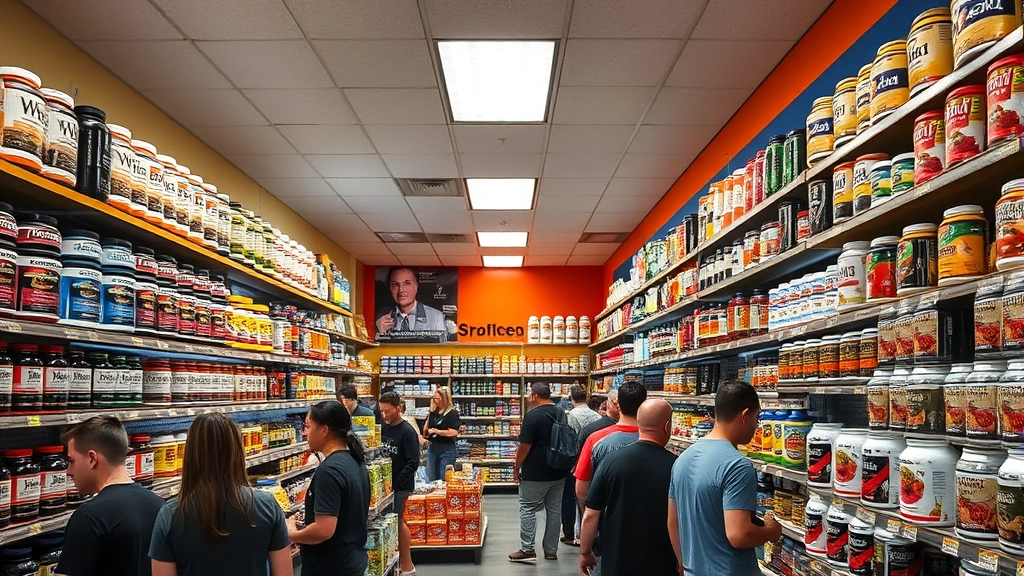
Price Comparison Strategy and Timing
Successful discount hunting requires understanding price cycles and comparison tactics. Supplement retailers follow predictable promotional patterns aligned with New Year’s resolutions, summer beach season, and holiday shopping periods. January and September typically feature aggressive promotions as retailers capitalize on fitness-related purchasing spikes.
Develop a price baseline for products you purchase regularly. Track pricing across three to five retailers over several weeks to identify your local average. This establishes context for evaluating whether a sale represents genuine savings or standard pricing. Many consumers incorrectly perceive regular prices as discounts due to psychological pricing tactics.
Visit stores during off-peak hours—typically Tuesday through Thursday afternoons—when managers have more flexibility discussing bulk purchase discounts and clearance pricing. Store managers often have authority to negotiate on items approaching expiration dates or discontinued products. This personal negotiation element rarely appears in online shopping but can yield 30-50% discounts on quality products.
Sign up for retailer email lists and loyalty programs to receive advance notice of sales. Most major chains announce promotions 5-7 days before public availability, giving members first access to limited-quantity deals. This timing advantage often means the difference between accessing discounted inventory and missing out.
Compare unit pricing rather than package prices. A larger container at a higher absolute price often provides better value. Calculate cost per serving or per unit weight to make accurate comparisons between different brands and package sizes. This simple mathematical discipline prevents psychological purchasing errors.
Membership Programs and Loyalty Rewards
Strategic membership enrollment significantly impacts total spending over time. Warehouse clubs require upfront investment but deliver consistent savings on high-volume purchases. If you regularly buy protein powder, multivitamins, or other staples, the membership fee typically pays for itself within three to four months.
Vitamin Shoppe’s loyalty program (Healthy Rewards) provides points on every purchase convertible to discounts. Members receive exclusive email offers, birthday bonuses, and early access to sales. The free membership tier offers basic benefits, while paid tiers provide accelerated point accrual and exclusive discounts.
GNC’s rewards program offers points accumulation with tiered benefits. Gold Card members receive 10% discounts on all purchases plus exclusive promotional access. The annual fee of approximately $120 makes sense only if you spend $1,200+ annually at GNC, but frequent customers find substantial value.
Independent retailers often maintain informal loyalty programs—ask managers about punch cards, repeat customer discounts, or bulk purchase incentives. Many local operations offer 10-15% discounts for purchases exceeding specific thresholds or loyalty to regular customers.
Credit card selection matters significantly. Certain cards offer bonus categories for drugstore and health store purchases, effectively adding 3-5% cash back on top of store discounts. This layering of benefits compounds savings substantially over time.
Online vs. In-Store Shopping Advantage
Modern nutrition shopping increasingly involves hybrid approaches combining online research with strategic in-store purchasing. Understanding each channel’s advantages optimizes your discount strategy.
In-Store Advantages: Physical stores allow immediate product inspection, reducing fraud risk and counterfeiting concerns. You can read labels carefully, compare products side-by-side, and consult with trained staff. Warehouse clubs provide unmatched bulk pricing on popular items. Local retailers often negotiate on price for loyal customers.
Online Advantages: E-commerce platforms offer broader selection, price transparency, and convenience. Many retailers price-match online competitors, allowing you to leverage web research in physical stores. Subscription services often provide 10-25% discounts on recurring purchases. Digital coupons and promotional codes extend savings beyond in-store offers.
The optimal approach combines both channels: research products online to identify competitive pricing, visit physical stores to inspect products and negotiate, and use online ordering for routine replenishment with subscription discounts. This hybrid method typically yields 15-25% better pricing than single-channel shopping.
Major retailers increasingly integrate omnichannel experiences. Order online and pick up in-store options eliminate shipping costs while capturing online pricing. Some stores offer exclusive digital-only promotions unavailable to in-store shoppers, creating incentives to check websites before visiting physically.
Evaluating Product Quality and Authenticity
Discount pricing creates opportunities but also introduces counterfeiting risks. Protect yourself by understanding quality indicators and authentication methods. Legitimate discount pricing typically comes from efficient supply chains and competitive markets, not from gray market or counterfeit sources.
Authentication Indicators: Verify product packaging quality—legitimate supplements feature clear printing, consistent colors, and professional labeling. Check batch codes and expiration dates; counterfeit products often display inconsistent or incorrect dates. Purchase from authorized retailers listed on manufacturer websites. Legitimate retailers maintain relationships with brands and stock current inventory.
The nutritional quality of supplements matters more than price. Budget brands sometimes compromise on bioavailability, purity, or ingredient sourcing. Research third-party testing certifications—NSF Certified for Sport, Informed Choice, and USP verification indicate rigorous quality standards. Reputable brands publish these certifications prominently.
Warehouse clubs maintain strict supplier relationships and conduct regular quality audits, making counterfeiting extremely rare. National chains like Vitamin Shoppe and GNC similarly prioritize authentication. Independent retailers vary—choose those displaying manufacturer certifications and willing to discuss product sourcing.
Read customer reviews across multiple platforms to identify quality issues. Consistent complaints about product effectiveness, taste, or mixability indicate genuine concerns worth investigating. Conversely, overwhelmingly positive reviews with specific details provide confidence in product legitimacy.
Consult Consumer Reports supplement reviews and supplement quality databases for independent testing results. These resources provide objective assessments beyond retailer marketing.

Seasonal Sales and Promotional Cycles
Understanding seasonal patterns enables strategic purchasing and maximum savings accumulation. The supplement industry follows predictable promotional calendars aligned with consumer behavior patterns and retail cycles.
New Year Period (December-January): The most aggressive promotional season as retailers capitalize on New Year’s resolution purchasing. Expect 30-50% discounts on popular items, especially protein powders and multivitamins. Stock up on regularly used products during this window.
Spring/Summer Transition (March-May): Beach body season drives demand for performance nutrition and weight management supplements. Retailers promote these categories heavily with competitive pricing to capture seasonal customers.
Back-to-School Period (August-September): Secondary promotional season targeting students and parents. While not traditionally nutrition-focused, some retailers bundle health products into back-to-school promotions.
Holiday Shopping (November-December): Black Friday and Cyber Monday create significant discounting opportunities. Supplement retailers participate aggressively in these events, offering door-buster pricing and bundle deals. Plan major purchases around these dates.
Track promotional calendars across retailers to anticipate sales. Most chains announce quarterly promotions in advance. Email subscribers receive early notification, providing first access to limited-quantity deals. Set calendar reminders for typical promotional dates to ensure you don’t miss opportunities.
Clearance events occur when retailers discontinue products or excess inventory exists. These represent exceptional value opportunities—products approaching expiration dates often sell at 40-60% discounts. Monitor clearance sections regularly for unexpected bargains.
Budget-Friendly Nutrition Planning
Discount shopping succeeds only when integrated with strategic nutrition planning. Purchasing discounted products you don’t actually need wastes money regardless of savings percentage.
Assess your actual nutritional needs before shopping. Consider your fitness goals, dietary gaps, and health priorities. Developing a healthy nutrition plan establishes which supplements truly benefit you versus impulse purchases. This intentional approach prevents budget drift.
Prioritize versatile products delivering multiple benefits. Whey protein supports muscle recovery and provides convenient protein intake. Multivitamins address general micronutrient gaps across populations. Omega-3 fatty acids support cardiovascular and cognitive health. These foundational supplements justify investment while providing reliable returns.
Dietary fiber supplementation offers exceptional value for digestive health and satiety support. Bulk fiber products from warehouse clubs cost pennies per serving while delivering measurable health benefits.
Calculate total cost of ownership including shelf life. Bulk purchases only save money if you actually consume products before expiration. Protein powders remain stable for 12-24 months, supporting bulk purchasing. More delicate products with shorter shelf lives warrant smaller purchases despite higher per-unit costs.
Rotate brands strategically to access different promotional cycles. If your preferred brand isn’t on sale, research comparable alternatives. Quality supplements from different manufacturers often provide equivalent benefits at different price points. Flexibility enables consistent savings without sacrificing results.
Combine supplement use with food-based nutrition. Whole foods like eggs, Greek yogurt, nuts, and leafy greens often provide better value than supplements for basic nutritional needs. Use supplements to fill specific gaps rather than replacing balanced whole-food nutrition.
FAQ
What’s the most reliable discount nutrition store in Las Vegas?
Warehouse clubs like Costco offer the most consistent discounting on popular brands with minimal counterfeiting risk. For broader selection, Vitamin Shoppe combines competitive pricing with loyalty programs and staff expertise. Independent retailers often provide the most aggressive discounts but require more research to verify quality.
How much can I typically save shopping at discount nutrition stores?
Savings typically range from 15-40% compared to full-price retailers, depending on product category and promotional timing. Warehouse clubs often provide 20-35% discounts on bulk items. Strategic shopping combining memberships, loyalty programs, and seasonal sales can achieve 40-50% total savings.
Are generic supplements as effective as name brands?
Quality generic supplements meeting USP or NSF standards deliver equivalent efficacy to name brands. The active ingredient determines effectiveness—bioavailability and purity matter more than branding. Choose generics with third-party certifications rather than assuming lower quality.
When’s the best time to buy supplements in Las Vegas?
January through February and November through December feature the most aggressive discounting. March through May and August through September offer secondary promotional periods. Weekly sales cycles typically feature different products on promotion—monitor emails for timing on specific items you need.
How do I avoid counterfeit supplements?
Purchase exclusively from authorized retailers listed on manufacturer websites. Verify packaging quality, batch codes, and expiration dates. Choose retailers with strong authentication protocols like warehouse clubs and national chains. Check for third-party testing certifications like NSF or USP verification.
Should I buy in bulk even if not using products immediately?
Bulk purchasing makes sense for products with 12+ month shelf stability like protein powder and multivitamins. Avoid bulk purchases of perishable items or products you haven’t used successfully. Calculate actual consumption rates to ensure products get used before expiration.