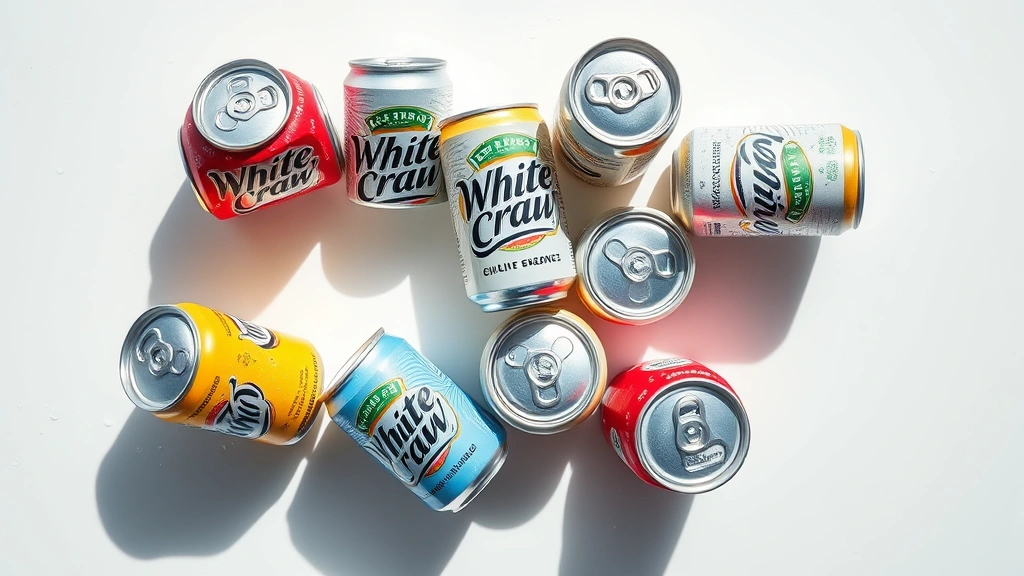
White Claw Calories: A Registered Dietitian’s Complete Breakdown
White Claw has become one of the most popular hard seltzer brands in America, with millions of consumers reaching for these colorful cans weekly. But what exactly are you consuming when you crack open a White Claw? Beyond the trendy branding and Instagram-worthy aesthetic, understanding the White Claw nutrition facts is essential for making informed beverage choices that align with your health goals. This comprehensive guide breaks down every nutritional component, from calories to artificial sweeteners, so you can enjoy responsibly or decide if this beverage fits your lifestyle.
As a registered dietitian, I’ve fielded countless questions about hard seltzers’ place in a balanced diet. The short answer: White Claw can fit into moderation-focused drinking patterns, but context matters significantly. Whether you’re tracking calories for weight management, monitoring sugar intake, or simply curious about what’s in your drink, this breakdown provides evidence-based insights to guide your choices.
White Claw Nutrition Facts at a Glance
Each 12-ounce can of standard White Claw contains approximately 100 calories, making it one of the lower-calorie alcoholic beverages on the market. This calorie count comes from two primary sources: the 5% alcohol by volume (ABV) and added ingredients like sweeteners and natural flavors. Understanding these baseline numbers helps contextualize whether White Claw fits your daily caloric intake.
The complete nutritional profile per 12-ounce serving includes: 100 calories, 2 grams of carbohydrates, less than 1 gram of sugar, zero grams of protein, zero grams of fat, and negligible amounts of vitamins and minerals. There’s no sodium, cholesterol, or dietary fiber. This minimal nutrient density is important to understand—White Claw provides calories without meaningful nutritional value, which dietitians often call “empty calories.”
White Claw comes in multiple varieties, and some have different nutritional profiles. The original flavors (Black Cherry, Ruby Grapefruit, Natural Lime, Mango) maintain the 100-calorie standard, while newer varieties like White Claw Surge (8% ABV) contain 220 calories per 16-ounce can. Understanding which version you’re consuming is crucial for accurate tracking.
Calorie Content Explained
To understand where White Claw’s 100 calories originate, we need to examine the beverage’s composition. Alcohol itself contains 7 calories per gram, making it nearly as calorically dense as fat (9 calories per gram). With 5% ABV in a 12-ounce can, you’re consuming roughly 14 grams of pure alcohol, accounting for approximately 98 calories—the vast majority of the drink’s caloric content.
The remaining 2 calories come from the 2 grams of carbohydrates present in each can. These carbs derive from sweetening agents and flavorings added during production. This structure explains why White Claw markets itself as “light”—the alcohol content is modest, and added sugars are minimal compared to traditional beer or sugary cocktails.
For context, a standard 12-ounce beer typically contains 150-200 calories, while a margarita can exceed 300 calories. A glass of wine ranges from 120-160 calories depending on type and pour size. This comparison positions White Claw favorably for calorie-conscious drinkers, though the absolute calorie count still matters for overall daily intake. When implementing a healthy nutrition plan, accounting for beverage calories becomes increasingly important for weight management goals.
If you consume multiple cans—which is common in social settings—calories accumulate quickly. Four cans equal 400 calories, roughly equivalent to a full meal for many people. This reality underscores why moderation messaging is essential when discussing hard seltzers.
Sugar and Sweeteners Breakdown
One of White Claw’s primary marketing advantages is its minimal sugar content. With less than 1 gram of sugar per 12-ounce can, it contains significantly less sugar than regular sodas (39 grams per 12 ounces), beer (1-3 grams), or cocktails sweetened with juice or syrups.
White Claw achieves this low-sugar profile through the use of stevia and erythritol, sugar alcohols and natural sweeteners that provide sweetness without substantial calories or blood sugar impact. Stevia, derived from the Stevia rebaudiana plant, contains zero calories and doesn’t affect blood glucose levels—making it attractive for diabetes management and weight loss efforts. Erythritol, a sugar alcohol, contains minimal calories (0.24 per gram versus 4 for sugar) and has a minimal glycemic impact.
These sweeteners are generally recognized as safe (GRAS) by the FDA, though some consumers report digestive concerns with sugar alcohols in large quantities. The “less than 1 gram” sugar content means White Claw won’t trigger significant insulin spikes, an important consideration for metabolic health and sustained energy levels.
However, the presence of these artificial sweeteners raises questions about long-term consumption effects. Recent research suggests conflicting results regarding whether non-nutritive sweeteners affect satiety, appetite regulation, and metabolic health. Some studies indicate potential associations with altered gut microbiota, while others show minimal impact. The scientific consensus remains that moderate consumption appears safe, but individual responses vary considerably.
Alcohol Content and Proof
White Claw’s 5% ABV positions it as a moderate-strength beverage. For context, standard beers contain 4-6% ABV, while wines typically range from 12-15% ABV, and spirits reach 40% ABV or higher. This moderate alcohol content means White Claw delivers noticeable effects without the intensity of stronger beverages, which some consumers appreciate for social drinking scenarios.
The 5% ABV translates to approximately 0.6 ounces of pure alcohol per 12-ounce can. According to the National Institute on Alcohol Abuse and Alcoholism, one standard drink equals 0.6 ounces of pure alcohol, making each White Claw can equivalent to one standard drink. This measurement helps contextualize daily and weekly alcohol consumption limits.
White Claw Surge, the brand’s higher-alcohol variant, contains 8% ABV and 220 calories per 16-ounce can. This stronger version delivers 1.28 standard drinks per can and significantly more calories, making it important to distinguish between varieties when tracking consumption.
The alcohol itself carries health implications beyond calories. Ethanol affects the liver, brain function, and metabolic processes. Moderate alcohol consumption—defined as up to one drink daily for women and up to two drinks daily for men by federal dietary guidelines—is associated with certain health benefits in some populations, though excessive consumption carries substantial health risks.
Comparing White Claw to Other Beverages
Understanding White Claw’s nutritional profile becomes more meaningful when compared to alternatives. A standard 12-ounce beer contains 150-200 calories, 1-3 grams of sugar, and 4-6% ABV. While beer offers more B vitamins and minerals from grain content, it typically contains more calories and comparable alcohol content to White Claw.
A 5-ounce glass of wine contains 120-160 calories, 1-4 grams of sugar (varying by type), and 12-15% ABV. Wine delivers more calories per ounce than White Claw but provides antioxidants like resveratrol. A standard margarita exceeds 300 calories due to mixers and added sugars, making it significantly more calorie-dense than White Claw.
Compared to non-alcoholic beverages, the context shifts. A 12-ounce cola contains 140 calories and 39 grams of sugar—substantially more than White Claw. Unsweetened sparkling water contains zero calories and zero sugar, making it nutritionally superior if hydration is the primary goal. A sports drink provides electrolytes and carbohydrates beneficial for exercise recovery, though it contains more calories and sugar than White Claw.
For those implementing a dietary fiber and whole-food-focused nutrition approach, White Claw offers nothing—it contains no fiber, no vitamins, no minerals. It’s purely alcohol and sweeteners in carbonated water.
Health Considerations and Concerns
While White Claw’s caloric and sugar profiles appear favorable compared to many beverages, several health considerations warrant discussion. The carbonation in hard seltzers can affect dental health. Carbonated beverages lower pH levels in the mouth, potentially eroding tooth enamel over time. This risk increases with frequent consumption, particularly if consumed slowly or sipped throughout social events.
The alcohol content, while moderate, still carries health implications. Regular alcohol consumption affects liver function, sleep quality, and metabolic processes. Alcohol also impairs judgment and increases injury risk in acute settings. Additionally, alcohol is a known carcinogen classified by the International Agency for Research on Cancer, with evidence linking even moderate consumption to increased cancer risk in some populations.
The artificial sweeteners in White Claw—while FDA-approved—remain somewhat controversial. Some research suggests non-nutritive sweeteners may alter gut microbiota composition, potentially affecting metabolic health, immune function, and glucose regulation. However, the current scientific evidence doesn’t definitively establish harm from moderate consumption, and individual responses vary significantly.
For individuals with specific health conditions, White Claw may warrant caution. Those with liver disease, certain cancers, or family histories of alcoholism should consult healthcare providers. Pregnant individuals should avoid alcohol entirely, as no safe level of consumption has been established. People with diabetes should consider the alcohol content, as it can affect blood sugar regulation and medication effectiveness.
The low-calorie, low-sugar marketing can create false impressions of “healthiness,” potentially encouraging overconsumption. The psychological categorization of White Claw as a “healthier” alcoholic choice sometimes leads to increased intake, ultimately increasing total calorie and alcohol consumption.
Smart Consumption Strategies
If you choose to consume White Claw, several strategies can help integrate it responsibly into a balanced lifestyle. First, track it accurately in your daily calorie and macro tracking if you’re monitoring intake. Four cans equal 400 calories—equivalent to a substantial meal—so this consumption pattern significantly impacts daily totals.
Alternate alcoholic beverages with non-alcoholic drinks, particularly water. This practice reduces overall alcohol consumption, maintains hydration (alcohol is dehydrating), and naturally limits calorie intake. For every White Claw consumed, drink a glass of water to support your body’s hydration status and reduce the metabolic burden of processing alcohol.
Avoid sipping White Claw slowly throughout extended periods. Prolonged exposure to carbonation and alcohol increases dental erosion risk. Instead, consume during defined social windows, allowing saliva to neutralize acids between beverages. Consider using a straw to minimize tooth contact, though this doesn’t eliminate risk entirely.
Be mindful of the “low-calorie” marketing trap. Just because White Claw contains 100 calories doesn’t mean unlimited consumption fits your health goals. Compare White Claw consumption to your overall nutrition strategy. If you’re implementing a nutrition approach focused on mental health and brain function, prioritize nutrient-dense foods and beverages that actually support cognitive performance.
Consider your personal alcohol metabolism. Genetic factors, body composition, and metabolic health affect how quickly your body processes alcohol. Women generally metabolize alcohol more slowly than men due to differences in body composition and enzyme activity. Older adults also experience slower alcohol metabolism. Understanding your personal tolerance helps establish appropriate consumption limits.
Examine the context of your White Claw consumption. Social drinking at occasional gatherings differs significantly from regular daily consumption. If you’re reaching for White Claw multiple times weekly, reassess whether this pattern aligns with your health goals and whether you’re using alcohol to manage stress or emotions—warning signs of problematic consumption patterns.
For weight management specifically, the 100-calorie count matters less than total daily calorie intake and expenditure. If you consume four White Claws at a social event, you’ve added 400 calories to your daily intake. If your daily calorie goal is 1,800-2,000 calories, this represents 20-25% of your allowance. This mathematical reality often surprises consumers who assume “light” beverages have negligible impact.
FAQ
How many calories are in one White Claw?
A standard 12-ounce White Claw can contains 100 calories. White Claw Surge contains 220 calories per 16-ounce can due to higher alcohol content (8% ABV versus 5% ABV in standard varieties).
Does White Claw have sugar?
White Claw contains less than 1 gram of sugar per 12-ounce can, achieved through stevia and erythritol sweeteners. This minimal sugar content makes it favorable compared to regular sodas (39 grams) and sugary cocktails, though it contains sweetening additives rather than naturally sugar-free composition.
Is White Claw good for weight loss?
White Claw can fit into a weight loss plan due to its 100-calorie content, but it should be tracked like any other calorie source. The lack of nutritional value means it doesn’t support satiety or metabolic health. Prioritizing whole foods and nutrient-dense beverages remains essential for sustainable weight management.
What sweeteners does White Claw use?
White Claw uses stevia and erythritol, both approved food additives. Stevia is a natural plant extract with zero calories, while erythritol is a sugar alcohol with minimal caloric content. Both have minimal glycemic impact and are generally recognized as safe by the FDA.
How much alcohol is in White Claw?
Standard White Claw contains 5% alcohol by volume (ABV), equivalent to one standard drink per 12-ounce can. White Claw Surge contains 8% ABV, equivalent to 1.28 standard drinks per 16-ounce can.
Can I drink White Claw on a keto diet?
White Claw can fit into a ketogenic diet due to its 2 grams of carbohydrates per 12-ounce can, assuming you account for these carbs within your daily macro targets. However, alcohol consumption on keto can slow ketone production and metabolism, so moderation remains important for achieving ketogenic goals.
Is White Claw better than beer for calories?
White Claw (100 calories) contains fewer calories than most beers (150-200 calories per 12 ounces). However, beer offers more micronutrients from grain content, while White Claw is essentially alcohol and sweeteners. The “better” choice depends on your specific health priorities.
Does White Claw affect blood sugar?
White Claw’s minimal sugar and use of non-nutritive sweeteners mean it has negligible direct impact on blood sugar. However, alcohol itself can affect blood glucose regulation and interact with diabetes medications, so individuals with diabetes should consult healthcare providers about consumption safety.


